
Why Does My Cat Knead Blankets? Understanding This Common Feline Behavior
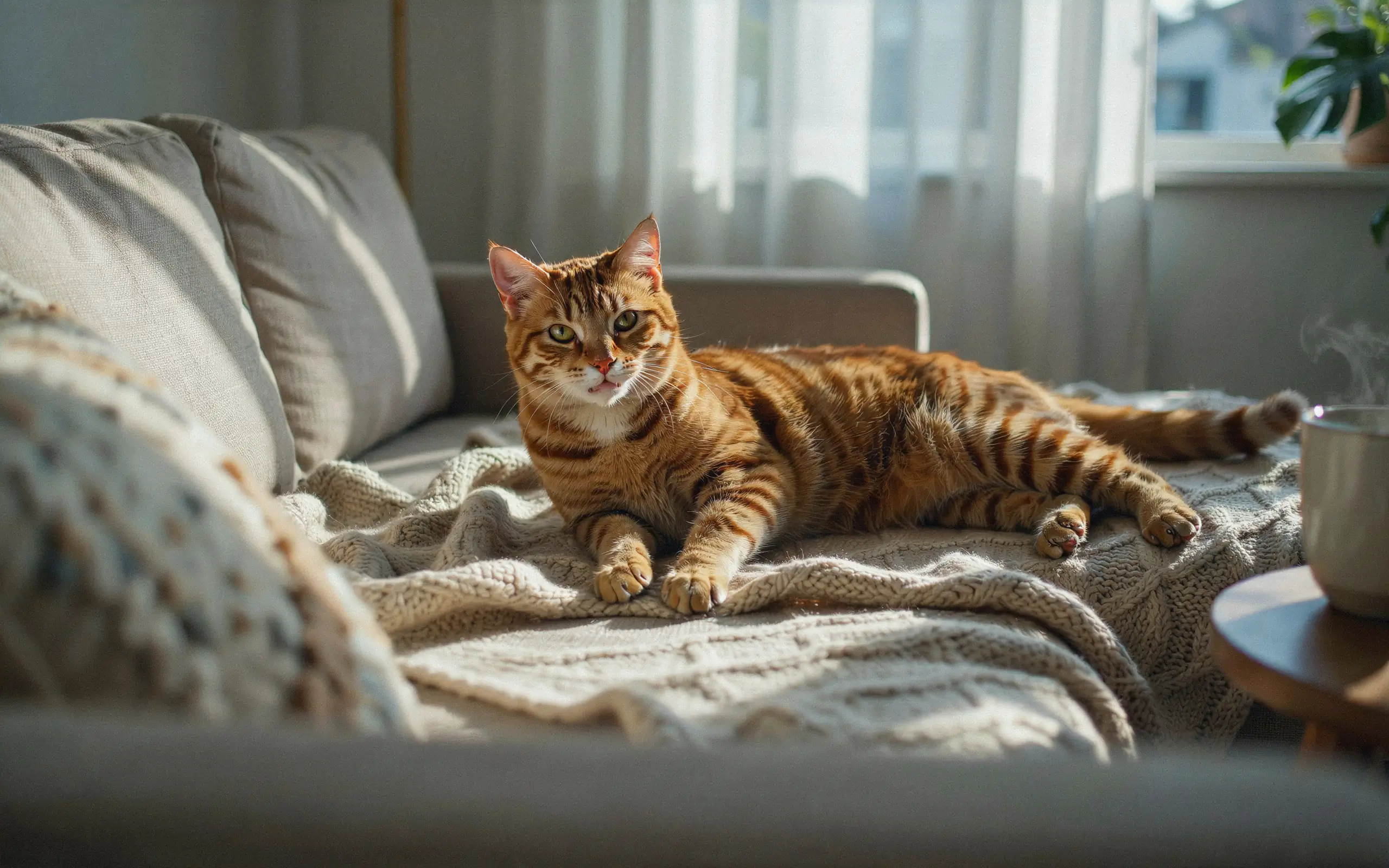
When your cat rhythmically pushes its paws into a soft blanket, often with claws extended, it’s engaging in a common feline behavior known as kneading, or ‘making biscuits.’ This action is deeply rooted in their instincts and serves several purposes, primarily stemming from their kittenhood experiences.
For most cats, kneading is a sign of comfort, security, and contentment. It’s a way they express relaxation and happiness, often accompanied by purring.
| Topic | When it helps | What to keep in mind |
|---|---|---|
| Nursing Reflex | Cats feeling secure, content, and reminiscent of early life comfort. | If a cat seems overly dependent on this behavior or becomes distressed without a ‘nursing’ object, it might indicate underlying anxiety. |
| Comfort and Security | Cats in a calm environment, often on a favorite blanket or a human’s lap. | If kneading is the only way your cat seems to find comfort, it could mask other issues. |
| Scent Marking | Cats establishing their presence in a new spot or reinforcing their claim on a favorite item. | Excessive marking (beyond kneading) could indicate insecurity or stress. |
| Seeking Attention | Cats with a strong bond to their owners, looking for interaction. | If kneading becomes overly persistent or painful (claws out) and seems solely for attention, it might need gentle redirection. |
The Deep Roots of Feline Kneading
Why Does My Cat Knead Blankets. Kneading is a fascinating behavior that connects your adult cat back to its earliest days. The rhythmic motion of pushing paws, often with claws extended and retracted, is a direct echo of how kittens stimulate milk flow from their mother’s mammary glands.
When your cat kneads, it’s often recreating that profound sense of security and contentment. It’s a self-soothing mechanism, a way for them to relax and feel completely at ease in their environment.
Imagine your cat settling onto your lap, purring deeply, and gently pushing its paws into your sweater.
A common mistake is assuming kneading is always a sign of distress or discomfort.
| Reason for Kneading | Common Accompanying Signs | What It Means |
|---|---|---|
| Nursing Reflex. | Purring, sometimes ‘suckling’ motion, deep relaxation. | Comfort, security, contentment. |
| Seeking Comfort. | Slow, rhythmic motion, often before napping. | Relaxation, self-soothing. |
| Scent Marking. | Happens on new items or favorite spots, subtle. | Claiming territory, feeling secure. |
| Seeking Attention. | Looks at owner, starts when owner is near, purring. | Desire for interaction, affection. |
Is Your Cat’s Kneading Normal? What to Look For
For the vast majority of cats, kneading is a perfectly normal and healthy behavior. It’s a natural part of their feline expression and often a sign that they feel happy and secure in their surroundings.
Normal kneading is typically accompanied by other signs of contentment, such as purring, a relaxed posture, half-closed eyes, and sometimes even drooling. The kneading itself is usually rhythmic and gentle, even if claws are extended.
Don’t assume all kneading is the same.
A cat that kneads gently on a soft blanket for a few minutes before falling asleep, purring softly, is exhibiting perfectly normal behavior.
When to Be Concerned About Kneading
While kneading is usually benign, there are rare instances when it might signal an underlying issue. It’s important to pay attention to any changes in your cat’s behavior, including how and when they knead.
Look out for kneading that seems compulsive, where your cat cannot be easily distracted from the behavior, or if it leads to self-mutilation or skin irritation. If your cat is kneading excessively and also showing signs of pain, lethargy, loss of appetite, increased vocalization, or hiding, these could be indicators of stress, anxiety, or even a medical condition.
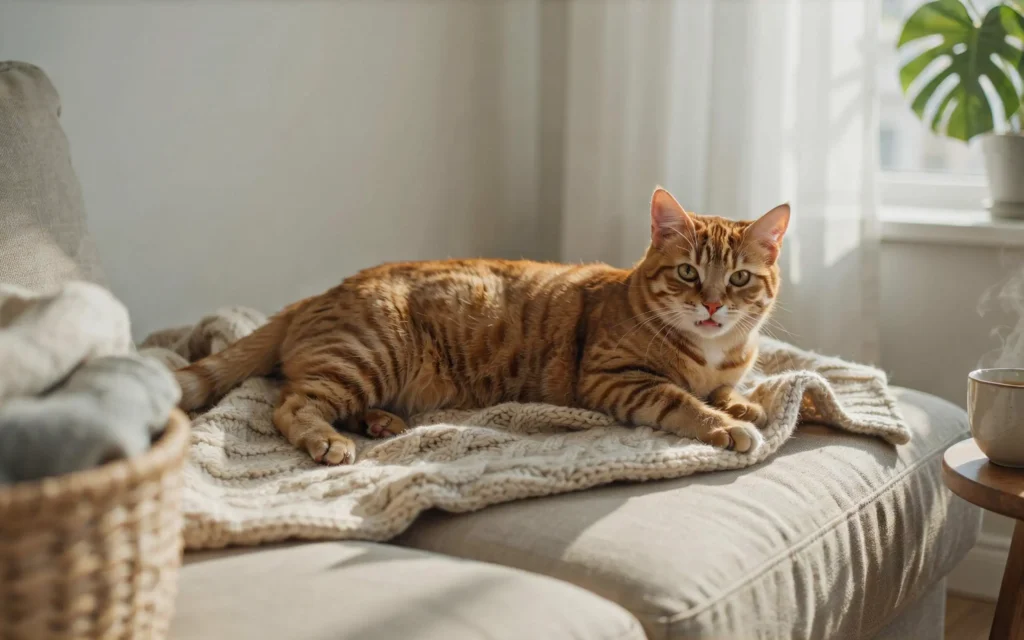
If your cat suddenly starts kneading obsessively, to the point of self-injury, or if it’s accompanied by aggressive vocalizations, hiding, or changes in appetite, these are clear signals to consult your veterinarian.
Ignoring changes in your cat’s kneading behavior, especially if new symptoms appear alongside it.
- Kneading becomes obsessive or compulsive, difficult to interrupt.
- The cat injures itself or causes skin irritation from kneading.
- Kneading is accompanied by signs of pain, such as limping or sensitivity.
- There are other behavioral changes like aggression, hiding, or changes in eating/litter habits.
Gentle Ways to Manage Kneading Behavior
While kneading is a natural behavior, sometimes those sharp claws can be a bit much, especially if your cat loves to knead on your lap. The good news is there are gentle ways to manage the behavior without discouraging your cat’s natural instincts or affection.
One of the simplest solutions is to provide a soft, thick barrier between your cat’s paws and your skin. A plush blanket, a folded towel, or even a dedicated ‘kneading pad’ can protect you while still allowing your cat to express itself.
Never punish your cat for kneading.
If your cat’s claws are digging into your lap, gently place a thick blanket or towel between you and your cat, or offer a dedicated ‘kneading blanket’ nearby.
- Place a thick blanket or towel between your cat’s paws and your lap.
- Keep your cat’s claws regularly trimmed to minimize discomfort.
- Offer a dedicated, soft ‘kneading blanket’ or bed as an alternative.
- Gently redirect your cat’s paws to a more appropriate surface if they’re kneading something valuable.
Instinctual nursing reflex
- Kneading is a natural, instinctual behavior for most cats, often a sign of contentment.
- It stems from kittenhood nursing, comfort, and scent marking.
- Observe accompanying behaviors to understand the specific reason your cat is kneading.
- While usually harmless, changes in kneading or signs of distress warrant attention.
The article must cover the
Nursing Reflex. Instinct from Kittenhood (The Nursing Reflex)
The most common reason cats knead is a leftover instinct from their kitten days. As kittens, they kneaded their mother’s belly to stimulate milk flow.
- Cats feeling secure, content, and reminiscent of early life comfort.
- If a cat seems overly dependent on this behavior or becomes distressed without a ‘nursing’ object, it might indicate underlying anxiety.
- Observe if your cat also tries to ‘suckle’ on the blanket, which further confirms this instinctual link.
- Origin – Kittenhood.
- Emotion – Comfort, Security.
Comfort and Security. A Sign of Comfort and Security
Beyond the nursing reflex, kneading is a self-soothing behavior. When cats feel safe, relaxed, and happy, they often knead to enhance that feeling.
- Cats in a calm environment, often on a favorite blanket or a human’s lap.
- If kneading is the only way your cat seems to find comfort, it could mask other issues.
- Notice if your cat purrs loudly and closes its eyes while kneading, indicating deep relaxation.
- Purpose – Self-soothing.
- Feeling – Relaxation, Happiness.
Scent Marking Their Territory
Cats have scent glands in their paw pads. When they knead, they release pheromones onto the surface, effectively marking it as ‘theirs.’ This is a subtle way for them to claim ownership and feel more secure in their environment.
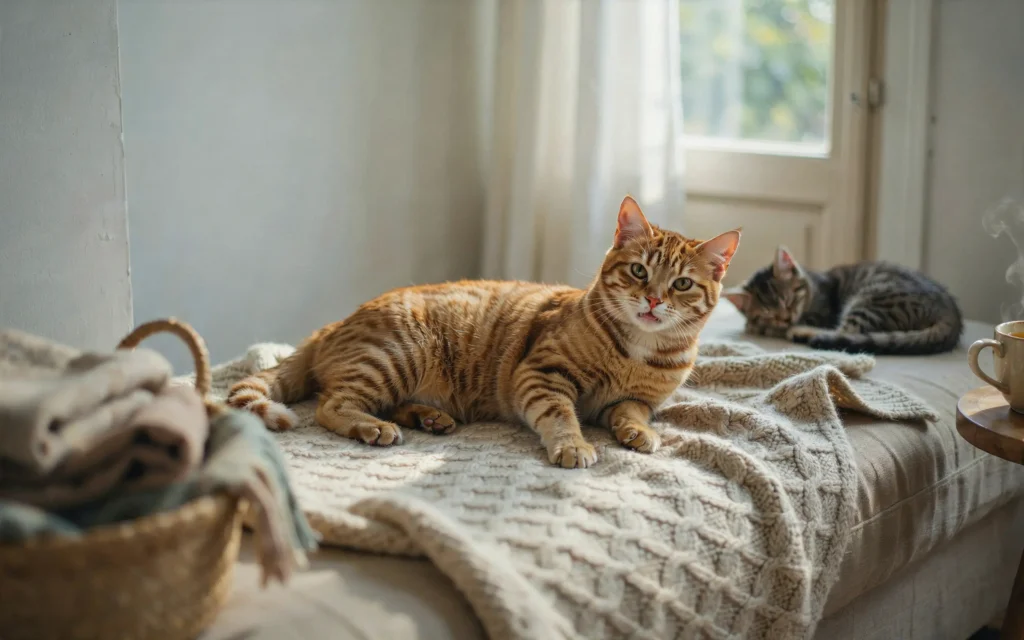
- Cats establishing their presence in a new spot or reinforcing their claim on a favorite item.
- Excessive marking (beyond kneading) could indicate insecurity or stress.
- Consider if the kneading happens on new items or in new areas your cat is exploring, suggesting a territorial aspect.
- Function – Territorial.
- Communication – Pheromones.
Seeking Attention and Affection
Some cats learn that kneading their owner or a blanket near them gets a reaction – usually petting or praise. They may use this behavior as a way to initiate interaction and solicit affection from their human companions.
- Cats with a strong bond to their owners, looking for interaction.
- If kneading becomes overly persistent or painful (claws out) and seems solely for attention, it might need gentle redirection.
- If your cat looks at you while kneading, or starts when you enter the room, it’s likely seeking your attention.
- Motivation – Interaction.
- Outcome – Affection.
FAQs
Why does my cat knead with its claws out?
Cats extend their claws while kneading as part of the natural motion of stimulating milk flow, a reflex from kittenhood. It helps them grip and apply pressure.
Do all cats knead?
Most cats knead, but not all. It’s a very common behavior, but some cats may not have developed or retained the strong instinct, or they might express comfort in other ways.
Can I stop my cat from kneading?
It’s not advisable to try and stop your cat from kneading entirely, as it’s a natural and often comforting behavior. Instead, focus on managing it by providing soft barriers, keeping claws trimmed, or redirecting.
Is kneading a sign of happiness?
Kneading is strongly associated with feelings of contentment, security, and relaxation. If your cat is purring and seems at ease while kneading, it’s likely a clear sign of happiness and comfort.
Why does my cat knead me specifically?
When your cat kneads you, it’s a profound sign of affection and trust. They see you as a source of comfort and security, much like their mother.
Conclusion
Your cat’s habit of kneading blankets is a rich tapestry of instinct, comfort, and communication. Far from being a mere quirk, it’s a deeply ingrained behavior that speaks volumes about their sense of security and contentment in their world, and often, with you.
By understanding the various reasons behind this ‘making biscuits’ ritual, you can better appreciate your feline companion’s unique way of expressing happiness and trust. Most often, it’s a beautiful sign of a relaxed and loving cat.
Related posts
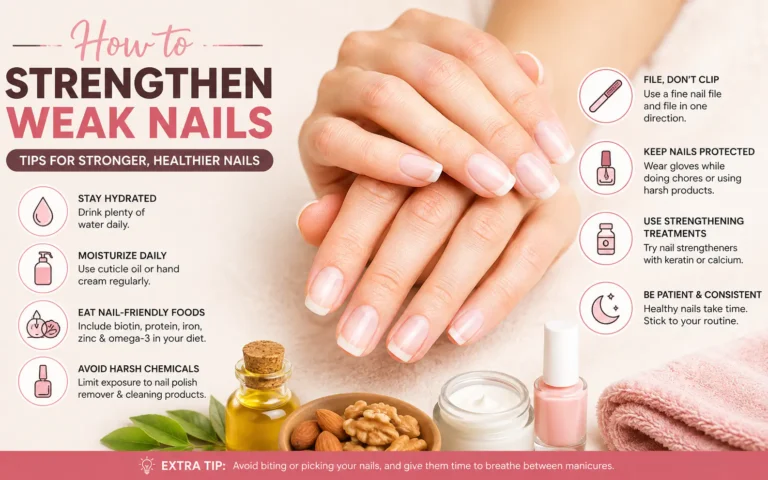 How to Strengthen Weak Nails: A Practical Guide to Daily Care
Learn how to strengthen weak nails with simple daily habits, protective care, and targeted hydration. Restore your natural nail strength today. Weak, peeling, or brittle nails…
 What Sounds Do Cats Dislike? 7 Noises That Stress Your Pet
Discover what sounds do cats dislike and why. Learn how to protect your cat’s sensitive hearing from stressful household noises and high-frequency hums. Cats dislike sounds…
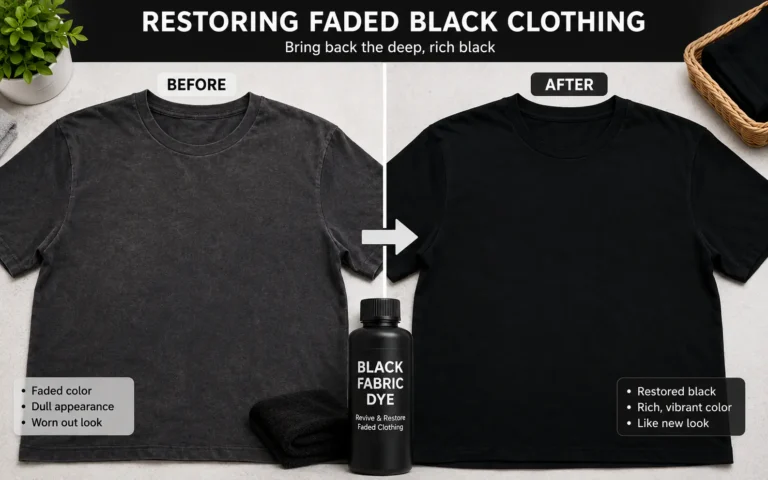 Restoring Faded Black Clothing: Practical Methods and Reality Checks
Can you restore faded black clothing? Learn the difference between temporary color revival and permanent redyeing, plus how to prevent future fading. You can restore the…