
How Long Can A Cat Stay Alone
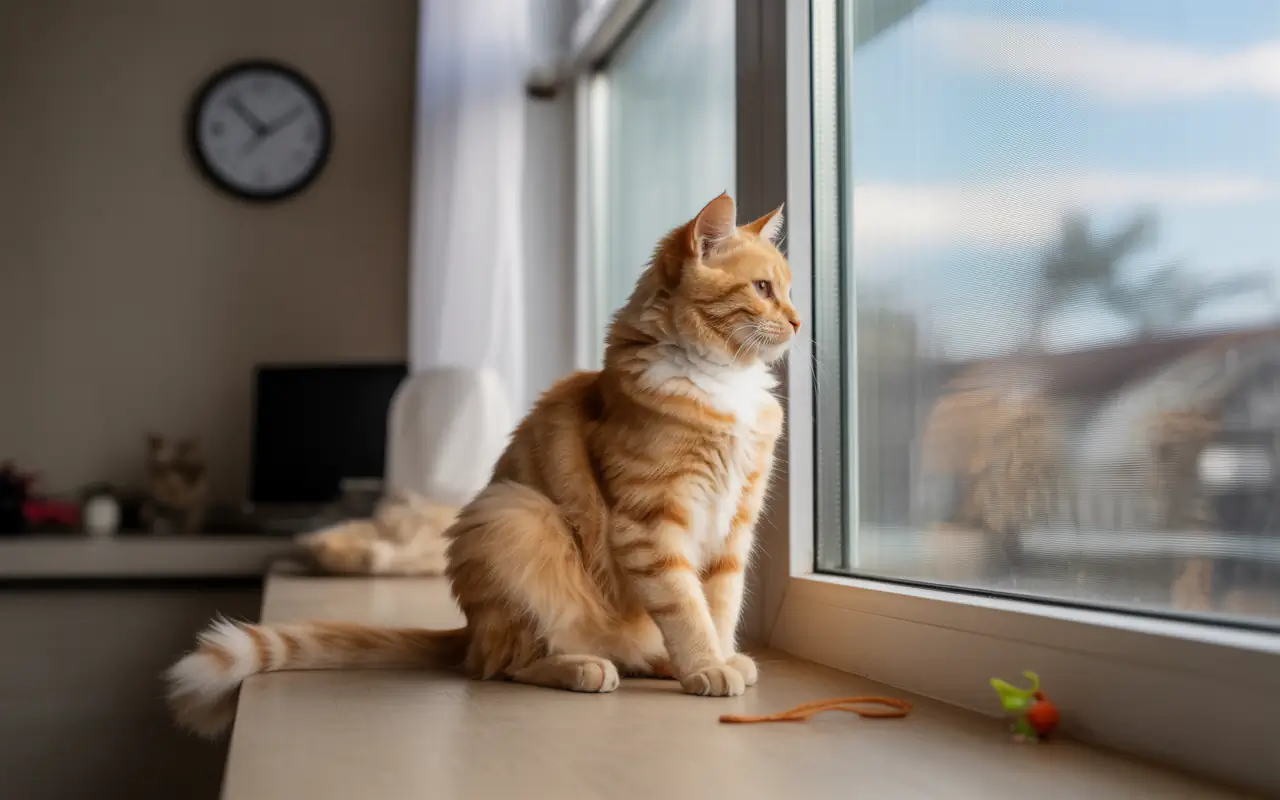
Curious about how long can a cat stay alone? Healthy adult cats usually handle 24-48 hours alone. Kittens need check-ins every 4-6 hours, and seniors have special needs. Learn safe limits, preparation tips, and warning signs to keep your cat happy and stress-free.
You love your cat, but life gets busy. Work trips, long shifts, or weekend getaways can leave you wondering: is it okay to leave your furry friend by herself? Many cat owners ask this same question every day. The answer isn’t the same for every cat. Age, health, personality, and home setup all play a big role.
In this guide, we will look at exactly how long can a cat stay alone at different life stages. You will learn simple ways to prepare your home, spot signs of distress, and make sure your cat feels safe even when you are not there. Let’s get started with the short answer first.
The Short Answer: It Depends on Age and Health
Most healthy adult cats can be left alone for 24 to 48 hours. But that does not mean you should do this often. A weekend away once in a while is fine. Leaving your cat alone for three days or more without any visit is risky.
Kittens, sick cats, and very old cats need much more attention. For them, how long can a cat stay alone drops to just a few hours. Some cats also get anxious or bored quickly. Others sleep most of the day and do not seem to mind being solo.
“Cats are independent, but they still form strong bonds with their humans. Leaving them alone for too long can cause stress, over-grooming, and even urinary issues.” – Dr. Sarah Miller, DVM, feline behavior specialist
The key is to know your own cat. A laid-back, older cat might be fine for 48 hours. A playful, clingy cat might start meowing or scratching furniture after just 12 hours alone.
How Long Can a Cat Stay Alone at Different Life Stages
Let’s break this down by age group. Each stage has different needs. Use this as your main guide.
Kittens (Under 6 Months)
Kittens are like toddlers. They need food, water, cleanup, and playtime very often. A kitten under 4 months should not be left alone for more than 4 hours. Between 4 and 6 months, you can stretch that to 6 hours, but not every day.
Kittens explore everything. They can get stuck, chew wires, or knock over water bowls. They also need to eat three to four small meals a day. So how long can a cat stay alone when it is a kitten? Very short. Plan for check-ins or ask a friend to visit.
Adult Cats (1 to 7 Years)
This is the easiest stage. Most adult cats sleep 12 to 16 hours a day. They can hold their bathroom habits well. With enough food, water, and a clean litter box, an adult cat can stay alone for 24 to 48 hours.
But do not push past 48 hours without someone checking in. After two days, water can get dirty, food may run out, and the litter box gets full. A full box can make a cat avoid it and have accidents elsewhere. So even if your adult cat seems fine, 48 hours is the safe max for how long can a cat stay alone.
Senior Cats (8+ Years)
Older cats may have arthritis, kidney issues, or vision problems. They need medicine, special food, or help getting to the litter box. Some seniors get confused or anxious when left alone too long.
For a healthy senior cat without medical needs, 24 hours is a good limit. If your cat has health problems, do not leave them for more than 12 hours. Always ask your vet about your specific senior cat. Remember, how long can a cat stay alone gets shorter as your cat ages.
| Age Group | Maximum Safe Alone Time | Special Notes |
|---|---|---|
| Kittens (under 4 months) | 4 hours | Need frequent meals and supervision |
| Kittens (4-6 months) | 6 hours | Still needs play and litter checks |
| Adult cats (1-7 years) | 24-48 hours | Only occasional 48-hour stays |
| Senior cats (healthy, 8+ years) | 24 hours | Monitor for confusion or accidents |
| Senior cats (with health issues) | 8-12 hours | Consult your vet first |
Factors That Affect How Long a Cat Can Stay Alone
Age is not the only thing that matters. Several other factors change the answer to how long can a cat stay alone for your specific pet.
Personality and Breed
Some cats are more social. Breeds like Siamese, Burmese, and Ragdoll love company. They may cry, scratch doors, or stop eating when left alone too long. Independent breeds like British Shorthair or Russian Blue handle solitude better. But every cat is an individual. A shy rescue cat might love being alone. A formerly stray cat might get scared without human sounds nearby.
Health Status
A healthy cat is fine for 24 hours. A cat with diabetes, thyroid problems, or seizures needs medication on a strict schedule. For these cats, how long can a cat stay alone might be only 6 to 8 hours. Always plan medical care around your cat’s needs. Talk to your vet before any trip.
Environment and Enrichment
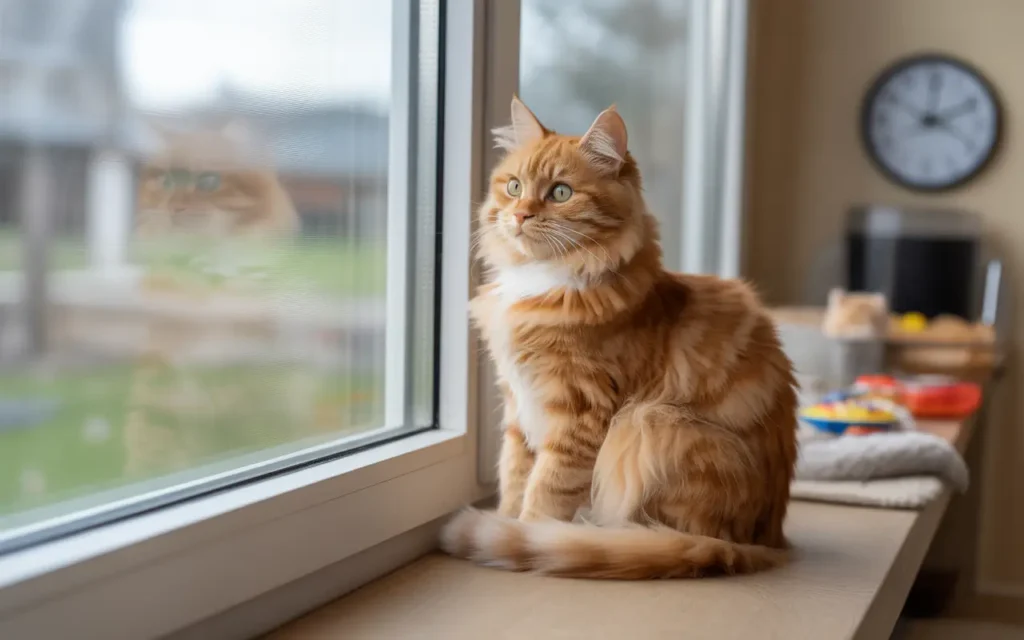
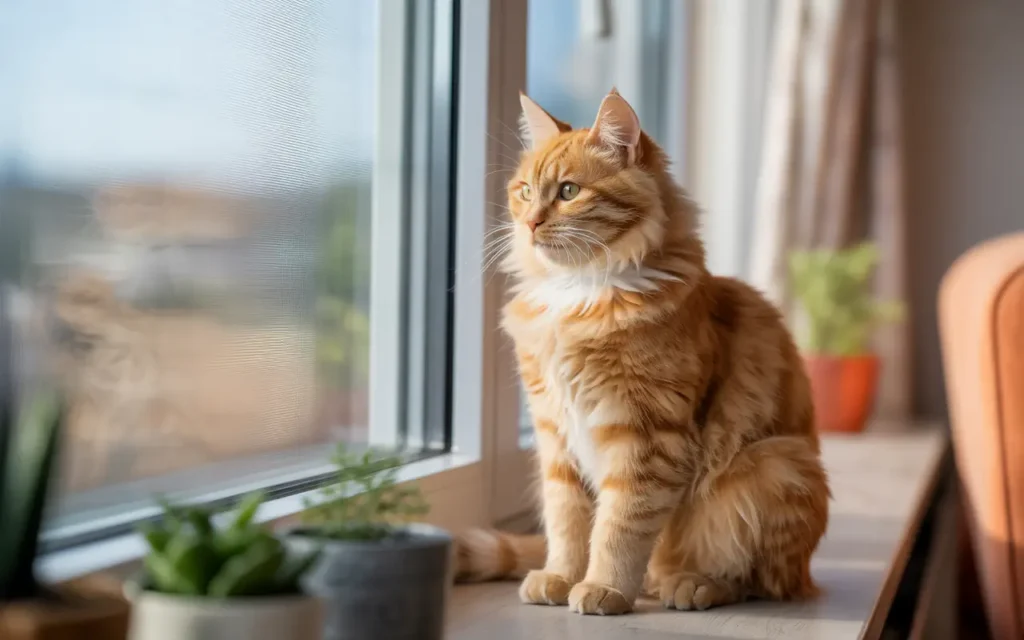
A boring home makes alone time harder. If your cat has no toys, no window to watch birds, and no scratching post, she will get stressed faster. With puzzle feeders, cat trees, and a view of the outdoors, your cat can entertain herself longer. A good setup can add several hours to how long can a cat stay alone safely.
Multiple Cats vs. Single Cat
Two cats often do better alone than one cat. They play, groom each other, and keep company. But this only works if the cats get along. Fighting cats left alone can hurt each other. If your cats are bonded, they can handle longer absences. A single cat with no other pets might feel lonely sooner.
“I have seen many cats develop separation anxiety after being left for just 36 hours. It is not about the exact hours. It is about the cat’s emotional makeup.” – James Chen, certified cat behavior consultant
Signs Your Cat Is Struggling with Alone Time
Even if you follow the general rules for how long can a cat stay alone, your cat might still feel stressed. Watch for these signs when you come home.
- Accidents outside the litter box – A clean litter box but poop or pee on your bed or floor is a big red flag.
- Over-grooming or bald spots – Stress can make a cat lick herself raw.
- Not eating or drinking – Skipping one meal is okay. Skipping two meals is a problem.
- Hiding more than usual – Hiding is normal for cats, but constant hiding when you return is not.
- Destructive behavior – Scratching furniture, knocking things over, or pulling carpet.
- Excessive meowing or crying – Especially if your cat is usually quiet.
- Throwing up hairballs more often – Stress increases grooming and hairballs.
If you see any of these signs, you are leaving your cat alone for too long. Reduce the time or add more enrichment and visits.
How to Prepare Your Cat for Longer Absences
You can make alone time much easier for your cat. Follow these steps to extend how long can a cat stay alone safely and kindly.
Set Up a Safe Room
If you will be gone overnight, give your cat one safe room. This works well for kittens or anxious cats. Put food, water, litter box, bed, and toys in that room. Close windows and hide electrical cords. A bathroom or spare bedroom works great.
Use Automatic Feeders and Water Fountains
An automatic feeder drops dry food at set times. A water fountain keeps water fresh and moving. Cats like moving water. These tools let you leave for 24 to 48 hours without worry. Test them a few days before your trip to make sure they work.
Prepare Extra Litter Boxes
The rule is one box per cat plus one extra. For a long absence, add another box. So for one cat, put out two or three clean boxes. Use unscented litter. Place them away from food and water.
Leave Enrichment Activities
A bored cat is a stressed cat. Leave out:
- Puzzle toys with hidden treats
- A bird feeder outside a window
- Cardboard boxes with holes cut in them
- A cat tree near a sunny spot
- Rotating toys (different toys on different days)
Ask Someone to Check In
For any absence over 24 hours, ask a friend, neighbor, or pet sitter to visit. Even a 15-minute visit helps. They can refill water, scoop litter, and give your cat some love. For absences over 48 hours, daily visits are a must. That is the true answer to how long can a cat stay alone without any human contact: 48 hours max, and only for healthy adults.
Test Shorter Alone Times First
Do not suddenly leave your cat for two days. Start with 4 hours, then 8, then 12, then 24. See how your cat reacts. If she seems fine at each stage, you can slowly increase. This builds her confidence and yours.
Leave Your Scent
Before you leave, sleep with an old t-shirt or towel. Leave that item in your cat’s bed. Your smell comforts her. This simple trick can add hours to how long can a cat stay alone without anxiety.
| Supply Checklist for Leaving Your Cat Alone | For 24 hours | For 48 hours |
|---|---|---|
| Fresh water bowls (or fountain) | 2 bowls | 3 bowls or fountain |
| Dry food in automatic feeder | Full feeder | Extra backup bowl |
| Litter boxes | 2 boxes | 3 boxes |
| Interactive toys | 2-3 toys | 4-5 toys |
| Safe hiding spots | 1-2 spots | At least 2 spots |
| Emergency contact number | Yes | Yes |
Special Situations: When You Must Be Away Longer
Sometimes you need to be gone for 3, 5, or even 7 days. What then? Even the most independent cat should not be left entirely alone that long. Here is what to do.
Hire a Professional Pet Sitter
A pet sitter visits your home once or twice a day. They feed, clean litter, play, and send you photos. This is the best option for trips longer than 2 days. Cost is usually $15 to $25 per visit. For how long can a cat stay alone with only daily visits, the answer is up to a week or more, because someone sees your cat every day.
Use a Reputable Cat Boarding Facility
Some cats do well at boarding places. Look for facilities with separate cat areas, quiet spaces, and individual enclosures. Bring your cat’s bed and toys. But note: many cats find boarding stressful. A pet sitter at home is usually better.
Ask a Trusted Friend or Family Member
A friend can stay at your house or just visit twice daily. Offer to return the favor or pay them. Leave clear written instructions. Include your vet’s number and an emergency plan.
“Never leave a cat completely alone for more than 72 hours without any visit. I have treated cats who stopped eating after three days alone. That leads to liver failure very fast.” – Dr. Lisa Wong, emergency veterinarian
What About Leaving a Cat Alone for a Week?
You cannot leave a cat alone for a full week with no visits. The risks are too high. Water gets dirty or spills. Food runs out. Litter becomes a health hazard. Your cat could get injured or sick with no one to help. Even with automatic feeders, a power outage or jam could leave your cat starving. So if someone asks how long can a cat stay alone with zero human contact, the honest answer is 48 hours maximum. After that, you must arrange visits.
Frequently Asked Questions
Can I leave my cat alone for 3 days?
Only if someone checks in at least once per day. A healthy adult cat can manage 3 days with daily 15-minute visits. Without any visit, no. Two days is the safe limit for zero contact.
How long can a cat stay alone with food and water?
With plenty of food and water, an adult cat can be alone for 48 hours. But after that, the litter box gets too dirty, and the cat may get lonely or stressed. Always add a check-in for any longer period.
What is the longest time to leave a cat alone?
For a healthy adult cat with automatic feeders, fountains, and multiple litter boxes, the longest without any human is 48 hours. With daily sitter visits, up to 7 to 10 days is fine.
Do cats get sad when left alone?
Yes, some do. Cats can feel loneliness and separation anxiety. Signs include crying, not eating, or destructive behavior. If your cat seems sad, do not leave her alone for more than 12 hours.
How long can a kitten stay alone?
A kitten under 4 months: 4 hours max. A kitten 4 to 6 months: 6 hours max. A kitten 6 to 12 months: 8 to 10 hours max. Never leave a kitten overnight alone.
Is it cruel to leave a cat alone for 8 hours?
Not at all. Most adult cats are fine for 8 hours. That is a normal workday. Just leave fresh water, a clean litter box, and some toys. Many cats just sleep while you are gone.
How long can a cat stay alone in an apartment?
The same rules apply. But apartments can get hot or cold faster. Make sure the temperature stays between 65°F and 75°F. Close windows and remove any toxic plants or loose strings.
Can I leave my cat alone for 2 weeks?
No. Not without daily care. For 2 weeks, you need a pet sitter every day or a boarding facility. Cats need fresh food, water, litter, and social interaction daily.
What if my cat has separation anxiety?
Talk to your vet. They may recommend medication, pheromone diffusers like Feliway, or behavior training. For anxious cats, how long can a cat stay alone might be only 4 to 6 hours. Work with a behaviorist to slowly build tolerance.
Should I leave the TV on for my cat?
Yes, many cats like soft background noise. Leave a radio on low volume or a TV on a nature channel. It makes the house feel less empty. But do not play loud action movies.
Conclusion
So how long can a cat stay alone? The honest answer depends on your cat. A healthy adult cat with a good setup can be alone for 24 to 48 hours without any visit. Kittens and senior cats need much shorter times, often just 4 to 12 hours. And no cat of any age should go more than 48 hours without someone checking in.
Your cat’s safety and happiness come first. Use the tables and tips in this guide to prepare your home. Test shorter alone periods first. Watch for signs of stress. And when in doubt, always ask a friend or pet sitter to visit. A quick 15-minute check-in can make all the difference.
You love your cat. That is why you asked this question. Now you have the answer. Give your cat a safe, enriching environment, and she will be just fine waiting for you to come home. And when you walk through the door, give her an extra chin scratch from all of us.
Related posts
 Best Pet Supplies Online: 2026 Essentials for Every Companion
Discover the best pet supplies online for 2026. We review top-rated toys, grooming tools, and walking gear to help you make the right choice for your…
 Best Pet Care Products for Beginners in 2026
Discover the best pet care products for beginners to keep your home clean and your pets comfortable. Simple, effective solutions for daily grooming and hygiene. Welcoming…
 Best Pet Care Kit for Home Use: 2026 Grooming Essentials
Find the best pet care kit for home use in 2026. Compare top-rated clippers, grooming vacuums, and scissor sets to keep your pets clean and comfortable.…