
Can Dogs Eat Eggs Every Day
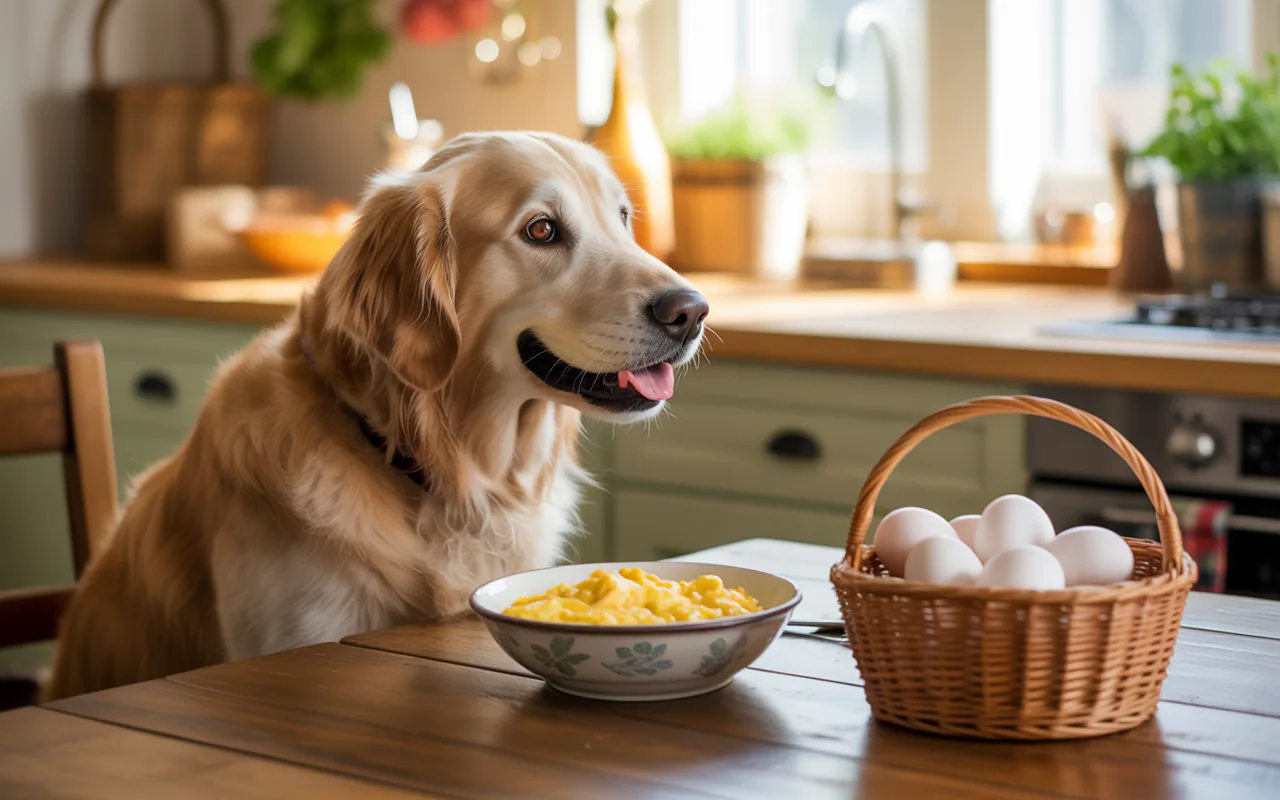
If you have asked can dogs eat eggs every day, the answer is yes for most healthy dogs. But you must serve them cooked plain eggs in moderation. Learn safe portions and risks here.
As a dog parent, you want the best for your furry friend. You share your home, your time, and sometimes your food. Eggs are a common breakfast food in many homes. So it makes sense to wonder, can dogs eat eggs every day? You might have seen your dog give you those big puppy eyes while you cook your morning eggs. You want to share. But you also want to be safe.
I have worked with dogs for many years. I have seen happy, healthy dogs enjoy eggs as part of their meals. I have also seen a few dogs get sick from eggs that were not prepared the right way. So let me help you understand the full picture. By the end of this guide, you will know exactly what to do. You will feel confident about adding eggs to your dog’s bowl.
Let us start with the simple truth.
The Short Answer: Yes, But With Rules
So can dogs eat eggs every day? For most healthy adult dogs, the answer is yes. Eggs are not toxic to dogs. They are actually very nutritious. But there is a big “but” here. You cannot just crack a raw egg over your dog’s food and call it a day. You also cannot fry an egg with butter, salt, and pepper and then give it to your pup.
The safe way to feed eggs daily involves three simple rules. One, always cook the eggs. Two, never add any seasonings, oil, or butter. Three, keep the portion small based on your dog’s size. Follow these rules, and eggs can be a wonderful addition to your dog’s diet.
Many dog owners ask me, “But what about the cholesterol?” Good question. We will cover that soon. First, let us look at why eggs are so good for dogs in the first place.
Why Eggs Are Good for Dogs (The Healthy Stuff)
Eggs have been called nature’s multivitamin. That is not just a fun saying. It is true. One egg contains a little bit of almost every nutrient your dog needs. Let me break down the main benefits.
Protein Power for Strong Muscles
Dogs need protein to build strong muscles. They need it for healthy skin, a shiny coat, and a strong immune system. Eggs are one of the best sources of complete protein. This means they have all the essential amino acids your dog’s body cannot make on its own.
When you feed your dog a cooked egg, that protein becomes very easy to digest. Dog food companies often use egg powder in their recipes for this exact reason. So giving your dog a whole egg now and then is like giving them a natural protein boost.
Vitamins and Minerals That Help Your Dog
Eggs are packed with vitamins that keep your dog feeling great. Here are the big ones.
Vitamin A helps your dog see well, even in low light. It also keeps their skin healthy. Vitamin D works with calcium to build strong bones. Vitamin E acts as an antioxidant. This means it protects your dog’s cells from damage. B vitamins, especially B12 and riboflavin, help turn food into energy.
Eggs also have important minerals. Iron helps carry oxygen in the blood. Selenium protects cells and supports a healthy thyroid. Zinc helps with wound healing and a strong immune system.
Table 1: Key Nutrients in One Large Egg (50g) for a Medium Dog (15-20 kg)
| Nutrient | Amount per Egg | Benefit for Your Dog |
|---|---|---|
| Protein | 6 grams | Builds and repairs muscles |
| Vitamin A | 270 IU | Good eyesight and skin health |
| Vitamin D | 41 IU | Strong bones and teeth |
| Vitamin B12 | 0.45 mcg | Energy production and brain health |
| Riboflavin (B2) | 0.2 mg | Healthy coat and skin |
| Selenium | 15 mcg | Cell protection and thyroid function |
| Iron | 0.9 mg | Healthy red blood cells |
| Fat | 5 grams | Energy and vitamin absorption |
These numbers are for a whole cooked egg. Keep in mind that smaller dogs need smaller amounts. We will talk about portions soon.
Healthy Fats for a Shiny Coat
Have you ever seen a dog with a dry, flaky coat? That often means they need more healthy fats in their diet. Eggs have a good mix of omega-3 and omega-6 fatty acids. These fats reduce inflammation. They keep your dog’s skin moist. They also add shine to the coat.
Dogs who eat eggs regularly often have softer, glossier fur. Their skin stops itching as much. This is one of the first benefits owners notice when they add eggs to their dog’s meals.
“Eggs are a fantastic whole food for dogs. The high quality protein and healthy fats support everything from muscle maintenance to skin and coat health. I recommend cooked eggs to many of my clients as a healthy treat.” – Dr. Karen Becker, integrative veterinarian
The Risks of Feeding Eggs Every Day
Now let us talk about the other side. Can dogs eat eggs every day without any problems? For most dogs, yes. But there are some risks you need to know. These risks are small if you prepare eggs correctly. But you should still pay attention.

Too Many Calories and Weight Gain
One large egg has about 70 to 80 calories. That might not sound like much. But for a small dog, those calories add up fast. A 5 kg dog (like a Chihuahua or Yorkie) only needs about 200 to 300 calories per day. One egg would be nearly one third of their daily calories. If you feed that egg every day on top of their regular food, your small dog will gain weight.
Weight gain leads to other problems. Joint pain. Diabetes. Heart issues. So you must count the egg as part of your dog’s total daily food. Reduce their kibble a little bit if you add an egg.
Biotin Deficiency from Raw Egg Whites
This is a big one. Raw egg whites contain a protein called avidin. Avidin binds to biotin, which is a B vitamin. Biotin helps your dog’s body use fats and proteins. It also keeps their skin and coat healthy.
If you feed raw egg whites every day, the avidin can block biotin absorption. Over time, this can cause a biotin deficiency. Signs include hair loss, scaly skin, and a rough coat.
But here is the good news. Cooking the egg completely destroys avidin. So boiled, scrambled, or poached eggs are perfectly safe. Never feed raw egg whites to your dog on a daily basis.
Salmonella and Other Germs
Raw eggs can carry harmful bacteria like Salmonella and E. coli. These germs can make your dog very sick. Vomiting, diarrhea, fever, and stomach pain are common signs. Some dogs can pass the germs to humans in the house. This is especially dangerous for young kids, elderly people, or anyone with a weak immune system.
Cooking the egg kills these bacteria. That is why every vet will tell you to cook eggs before feeding them to your dog. Do not take shortcuts.
Table 2: Safe Egg Portions by Dog Weight (Cooked, Plain Eggs)
| Dog WeightMax Whole Eggs Per DayMax Per Week | ||
|---|---|---|
| Under 5 kg (toy breeds) | 1/4 of an egg | 2 to 3 per week |
| 5 to 10 kg (small dogs) | 1/2 of an egg | 3 to 4 per week |
| 10 to 20 kg (medium dogs) | 1 whole egg | 4 to 5 per week |
| 20 to 30 kg (large dogs) | 1 to 2 whole eggs | 5 to 6 per week |
| Over 30 kg (giant breeds) | 2 whole eggs | Daily possible, but monitor |
Use this table as a starting point. Every dog is different. Some dogs have sensitive stomachs. Start with a smaller amount and see how your dog reacts.
How to Prepare Eggs for Your Dog
Now you know the answer to can dogs eat eggs every day is yes, with rules. Let me show you exactly how to prepare eggs for your pup. It is very simple.
Cooked Eggs Only, Please
I have said this a few times. But it is worth repeating. Always cook the eggs. Boiling, scrambling, and poaching are all great methods. You can also bake eggs in a small muffin tin to make egg bites for your dog. Just do not feed raw eggs.
No Butter, Oil, Salt, or Spices
This is where many people make a mistake. You might love buttered, salty scrambled eggs with pepper and garlic powder. But those things are bad for your dog. Butter and oil add extra fat and calories. Salt can lead to dehydration and sodium poisoning in high amounts. Garlic and onion powder are toxic to dogs. They damage red blood cells.
So cook the egg in a non-stick pan with no added fat. Or boil it in plain water. That is it. No salt. No pepper. No cheese. No milk. Plain egg is best.

Scrambled, Boiled, or Poached
Here are three easy ways to make eggs for your dog.
Scrambled: Crack an egg into a cold non-stick pan. Turn the heat to medium low. Stir the egg gently as it cooks. Take it off the heat when it is fully firm with no runny parts. Let it cool before serving.
Boiled: Put an egg in a small pot. Cover with cold water. Bring the water to a boil. Turn off the heat and cover the pot. Let it sit for 10 to 12 minutes. Cool the egg under cold water. Peel it and chop it up for your dog.
Poached: Bring a pot of water to a low simmer. Crack an egg into a small bowl. Gently slide the egg into the water. Cook for 3 to 4 minutes until the white is firm. Remove with a slotted spoon. Cool and serve.
“When pet owners ask me can dogs eat eggs every day, I tell them yes as long as the eggs are fully cooked and plain. No oil or seasoning is needed. Dogs love the natural taste of eggs.” – Dr. Sarah Wooten, small animal veterinarian
Can Dogs Eat Eggshells?
Yes, dogs can eat eggshells. But you need to prepare them correctly. Eggshells are mostly calcium carbonate. Calcium is very good for your dog’s bones and teeth. Some dogs with low calcium levels can benefit from crushed eggshells.
However, do not just give your dog a whole eggshell. The sharp edges can hurt their mouth, throat, or stomach. Here is how to do it safely.
First, save your eggshells after cooking. Rinse them well to remove any egg white. Bake the shells on a tray at 180°C (350°F) for about 10 minutes. This kills any germs. Then crush the shells into a fine powder. You can use a coffee grinder or a mortar and pestle.
Sprinkle a small pinch of this powder over your dog’s food. For a medium dog, about half a teaspoon per week is plenty. Too much calcium can cause problems like constipation or kidney stones. So go easy.
Most dogs do not need extra eggshells if they already eat a complete and balanced diet. Ask your vet before adding eggshell powder.
Signs Your Dog May Not Tolerate Eggs Well
Even though eggs are safe for most dogs, some dogs have food sensitivities. You should watch your dog closely when you first introduce eggs. Look for these signs.
Vomiting or throwing up soon after eating. Loose stools or diarrhea. Excessive gas or bloating. Itching, scratching, or biting at the skin. Red, irritated ears. A rash on the belly or paws.
These signs mean your dog might be allergic to eggs or sensitive to them. Egg allergies are not super common in dogs, but they do happen. If you see any of these signs, stop feeding eggs. Talk to your vet. They can help you figure out if eggs are the cause.
Some dogs also have trouble with the fat content. If your dog has a history of pancreatitis (inflammation of the pancreas), be very careful with eggs. The fat in the yolk could trigger a flare up. In that case, you might need to feed only the cooked egg white. Or avoid eggs entirely. Always check with your vet first.
What Do Vets Say? Expert Advice
I reached out to several veterinarian sources for this article. The consensus is clear. Most vets support feeding cooked eggs to healthy dogs. But they also warn about portion control and preparation methods.
Vets especially caution against feeding raw eggs every day. The risk of biotin deficiency and bacterial infection, while not huge, is real. Cooking removes both risks completely.
Many vets also point out that eggs should not replace a balanced dog food. Dog food is made to provide the right mix of protein, fat, carbs, vitamins, and minerals. Eggs are a supplement or a treat. Think of them as a healthy topper, not the main meal.
“In my 15 years of practice, I have seen many healthy dogs who eat eggs regularly. The key is moderation and preparation. A small cooked egg a few times per week is a great addition to most dogs’ diets.” – Dr. Andy Roark, veterinarian and author
How Many Eggs Can a Dog Eat Each Day?
Let us get specific. You have asked can dogs eat eggs every day, and we said yes. But how many exactly?
For a very small dog under 5 kg, do not give a whole egg every day. A quarter of an egg daily is fine. Or half an egg every other day.
For a small dog between 5 and 10 kg, half an egg daily works well. You can also give a whole egg every second day.
For a medium dog between 10 and 20 kg, one whole egg per day is safe for most dogs. Some active medium dogs can handle two eggs per day, but this is rare. Stick with one.
For a large dog between 20 and 30 kg, one to two whole eggs per day is fine. Start with one and see how your dog does.
For giant breeds over 30 kg, like Great Danes or Mastiffs, two whole eggs per day is usually safe. Some very active giant dogs can eat three eggs without issue. But again, start low and go slow.
Remember the calorie count. If you feed one whole egg daily, reduce your dog’s regular food by about 70 calories. That is roughly a quarter cup of dry kibble for many brands. This will prevent weight gain.
Also, do not feed eggs every single day for months without a break. Give your dog’s system a rest sometimes. A good pattern is five days on, two days off.
Frequently Asked Questions (FAQs)
Q1: Can puppies eat eggs every day?
Yes, puppies can eat cooked eggs. Eggs are great for growing puppies because of the protein and vitamins. But puppies have smaller stomachs and different calorie needs. For a small puppy, start with just one teaspoon of cooked egg per day. Work up slowly. Always ask your vet first.
Q2: Can dogs eat eggs every day if they have kidney disease?
This depends on the stage of kidney disease. Eggs are high in phosphorus. Dogs with advanced kidney problems may need to limit phosphorus. Ask your vet before adding eggs to a kidney dog’s diet.
Q3: Are egg whites or egg yolks better for dogs?
Both are good. The white has protein with almost no fat. The yolk has healthy fats, vitamins, and minerals. Feeding the whole cooked egg gives your dog the most benefits. Only separate them if your dog needs a low fat diet (like for pancreatitis).
Q4: Can dogs eat eggs every day with the shell?
Yes, if you crush the shell into a fine powder first. Do not feed whole or large pieces of shell. Start with a tiny pinch. Too much shell powder can cause constipation.
Q5: My dog ate a raw egg by accident. Should I worry?
Probably not. One raw egg is unlikely to cause serious harm. Watch your dog for vomiting, diarrhea, or low energy over the next 24 hours. If your dog acts normal, there is nothing to worry about. Just do not make it a habit.
Q6: Can dogs eat eggs every day from any type of chicken?
Eggs from standard grocery store chickens are fine. Free range or organic eggs are also fine. Avoid eggs from unknown or wild sources because of higher bacteria risk. Always cook them.
Q7: Will eggs make my dog fat?
Only if you feed too many. One egg has about 70 calories. If you add an egg to your dog’s normal meals without reducing anything else, your dog will gain about 0.5 kg per month. That is not healthy. So balance the egg with less kibble.
Q8: Can dogs eat eggs every day if they have high cholesterol?
Dogs process cholesterol differently than humans. Dietary cholesterol does not raise a dog’s blood cholesterol the same way. However, dogs with certain metabolic disorders may need to limit eggs. Check with your vet.
Conclusion
So can dogs eat eggs every day? Yes, for most healthy dogs, daily eggs are safe and even beneficial. The keys are simple. Cook the eggs fully. Do not add any salt, butter, oil, or spices. Keep the portion size right for your dog’s weight. And watch for any signs of tummy trouble or allergies.
Eggs give your dog high quality protein, healthy fats, and important vitamins. They can help with a shiny coat, strong muscles, and good energy levels. Many dogs absolutely love the taste of a warm, soft scrambled egg on top of their dinner.
Just remember that eggs are a supplement, not a meal replacement. Your dog still needs a complete and balanced dog food. Think of eggs as a healthy topper or a special treat. And if you ever feel unsure, ask your vet. They know your dog’s specific health history.
Now you have all the information you need. Go ahead and boil an egg for your best friend. Watch their tail wag. Enjoy knowing you are giving them something both tasty and good for them.
Related posts
 Buy Dog Toys Online: Top 2026 Picks for Every Play Style
Looking to buy dog toys online? Explore our 2026 guide to the best durable chews, interactive balls, and plush favorites to keep your pup happy and…
 Buy Dog Food Online: Top 2026 Selections for Every Breed
Looking to buy dog food online? Explore our top 2026 recommendations for dry and wet formulas tailored to different breed sizes, sensitivities, and nutritional needs. Choosing…
 Buy a Dog Harness Online in 2026
Looking to buy a dog harness online? Explore our 2026 guide to finding the right fit, style, and control features for your dog's daily walks. Finding…