
Is Wet Food Better Than Dry for Cats
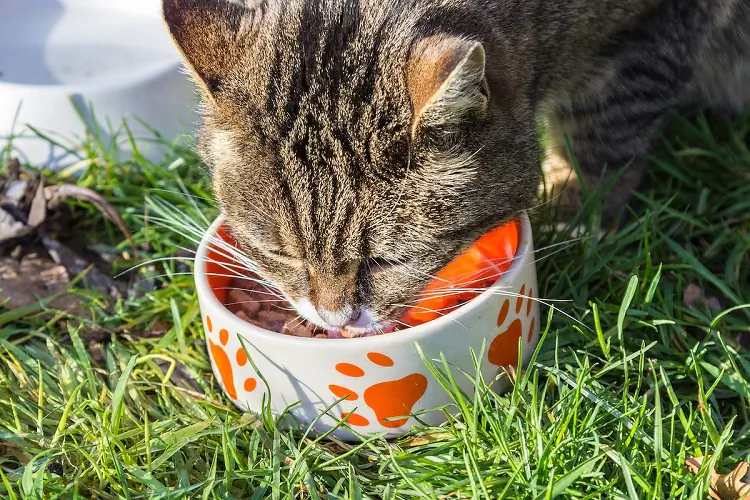
When considering if wet food is better than dry for cats, the answer isn’t always simple. Both types of food offer different benefits and drawbacks. However, many veterinarians and feline nutrition experts often lean towards wet food due to its higher moisture content. This can be crucial for a cat’s overall health, especially concerning hydration and urinary tract function.
Cats naturally have a low thirst drive, meaning they don’t always drink enough water on their own. Wet food helps compensate for this by providing a significant portion of their daily water intake. This can be a key factor in preventing common feline health issues. Understanding the specific advantages of each food type helps you make an informed decision for your beloved pet.
Understanding Your Cat’s Nutritional Needs
Is Wet Food Better Than Dry for Cats. Cats are obligate carnivores. This means their bodies are designed to get nutrients primarily from animal-based protein. Their diet should be rich in protein, moderate in fat, and very low in carbohydrates.
Proper nutrition supports their energy levels, muscle mass, healthy skin, and a shiny coat. It also plays a vital role in preventing various diseases.
Water intake is another critical component of a cat’s diet. Adequate hydration is essential for kidney function, urinary health, and overall bodily processes. Without enough water, cats can face serious health problems.
The Benefits of Wet Cat Food
Wet cat food typically contains 70-80% water. This high moisture content offers several significant health advantages for cats.
It closely mimics the natural diet of wild felines, which would get most of their water from their prey. This makes wet food a more biologically appropriate option for many cats.
Superior Hydration and Urinary Health
The most prominent benefit of wet food is its contribution to a cat’s hydration. Many cats do not drink enough water from a bowl, even if fresh water is always available.
Is Wet Food Better Than Dry for Cats. Increased water intake helps flush out the urinary tract. This reduces the concentration of minerals in urine, which can help prevent the formation of urinary crystals and stones. Conditions like Feline Lower Urinary Tract Disease (FLUTD) are less common in well-hydrated cats.
Weight Management Support
Wet food often has fewer calories per serving compared to dry food. The high water content makes cats feel fuller with less caloric intake.
This can be very helpful for cats who need to lose weight or maintain a healthy weight. The increased volume in their stomach helps prevent overeating and keeps them satisfied.
Enhanced Palatability and Variety
Cats are known for being picky eaters. Wet food comes in a wide range of textures, flavors, and protein sources, which can appeal to even the most finicky felines.
The strong aroma and moist texture of wet food are often more enticing than dry kibble. This variety can also prevent food boredom and ensure your cat gets a balanced diet.
The Benefits of Dry Cat Food
Dry cat food, or kibble, is a popular choice for many cat owners. It offers convenience and can be a cost-effective option.
While it lacks the high moisture content of wet food, it does have its own set of advantages that make it suitable for certain situations.
Dental Health Claims (and Reality)
Is Wet Food Better Than Dry for Cats. One common claim is that dry kibble helps clean a cat’s teeth. The abrasive action of chewing hard kibble is thought to scrape away plaque and tartar.
However, many veterinarians suggest that this benefit is often overstated. Most cats swallow kibble whole or chew it minimally, providing little abrasive action. Specialized dental diets with larger, fibrous kibble are more effective for dental health, but even these are not a substitute for regular dental care.
Convenience and Cost-Effectiveness
Dry food is incredibly convenient to store and serve. It doesn’t spoil as quickly as wet food once opened, making it ideal for busy households.
It is also generally less expensive per serving than wet food. This can be a significant factor for owners managing a budget or feeding multiple cats.
Suitability for Free-Feeding
Is Wet Food Better Than Dry for Cats. Dry food can be left out for longer periods without spoiling, which makes it suitable for “free-feeding” schedules. This allows cats to graze throughout the day as they prefer.
However, free-feeding dry food can lead to overeating and obesity in some cats. Portion control is still important, even with dry food, to maintain a healthy weight.
Key Differences: Wet vs. Dry Cat Food
Understanding the core differences between wet and dry cat food helps in making an informed decision. Each type has distinct characteristics that impact a cat’s health and an owner’s lifestyle.
The choice often comes down to balancing nutritional needs with practical considerations. Here’s a comparison of their main attributes.
| Feature | Wet Cat Food | Dry Cat Food (Kibble) |
|---|---|---|
| Moisture Content | High (70-80%) | Low (5-10%) |
| Hydration Benefits | Excellent, supports urinary health | Minimal, requires separate water intake |
| Calorie Density | Lower per serving (due to water) | Higher per serving |
| Weight Management | Aids in satiety and weight loss | Can contribute to weight gain if free-fed |
| Palatability | Generally high, strong aroma and texture | Varies, less appealing to some cats |
| Dental Health | No direct dental benefits | Limited abrasive action, specialized kibble may help |
| Convenience | Spoils quickly once opened, requires refrigeration | Long shelf life, can be left out |
| Cost | Generally more expensive per serving | Generally less expensive per serving |
| Carbohydrate Content | Typically lower | Typically higher (binds kibble) |
Addressing Common Health Concerns
Is Wet Food Better Than Dry for Cats. The type of food a cat eats can significantly impact its susceptibility to certain health issues. Understanding these connections helps in choosing a diet that supports long-term wellness.
Dietary choices play a preventative role in managing several common feline ailments.
Urinary Tract Issues
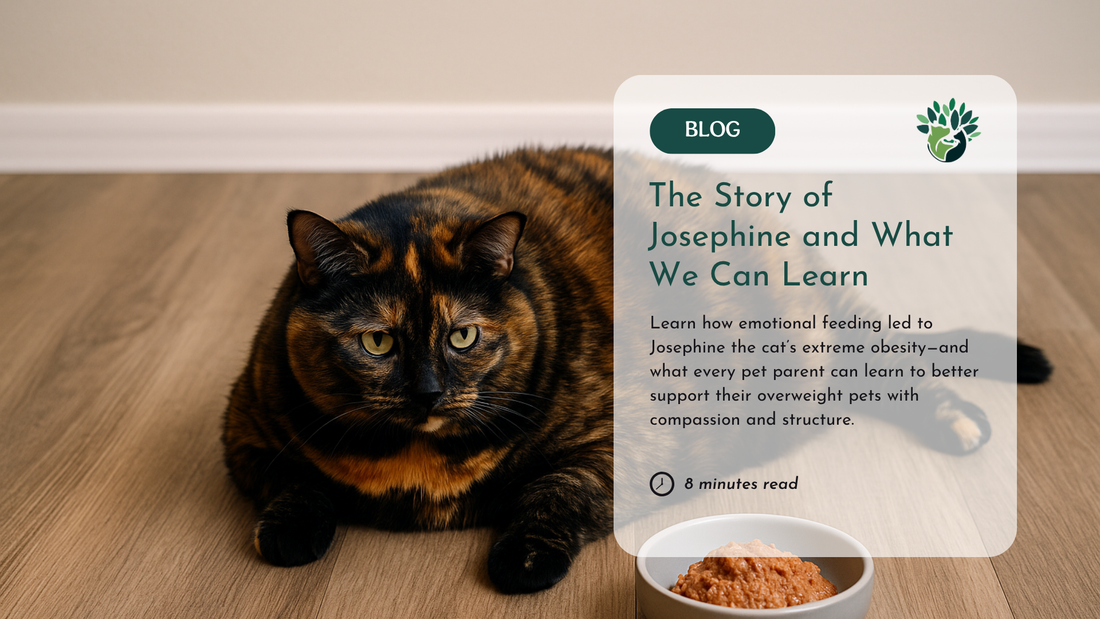
Cats are prone to urinary tract problems, including cystitis, urinary crystals, and blockages. These conditions can be painful and life-threatening.
A diet rich in moisture, like wet food, helps dilute urine. Diluted urine makes it harder for crystals to form and helps flush out bacteria. This is a primary reason why many vets recommend wet food for cats with a history of urinary issues.
Obesity and Diabetes
Obesity is a growing problem in cats, leading to other health issues like diabetes, arthritis, and heart disease. Dry food, with its higher calorie density and often higher carbohydrate content, can contribute to weight gain.
Wet food, being less calorie-dense and typically lower in carbohydrates, can be a better choice for weight management. It helps cats feel full without consuming excess calories, which is crucial for preventing and managing feline diabetes.
Dental Health
Is Wet Food Better Than Dry for Cats. While dry food is often marketed for dental benefits, the reality is more nuanced. The small size of most kibble means cats often swallow it without much chewing.
For effective dental care, regular brushing, dental treats, and professional cleanings are far more impactful. Relying solely on dry food for dental health is generally not sufficient.
Combining Wet and Dry Food: A Balanced Approach
Many cat owners choose to feed a combination of wet and dry food. This approach can offer the best of both worlds, leveraging the benefits of each type.
A mixed diet can provide hydration, dental stimulation, and variety, while also offering convenience and cost savings.
Here are some ways to combine them:
- Morning Wet, Evening Dry: Offer wet food in the morning for hydration and dry food in the evening for convenience.
- Separate Meals: Feed wet food as one meal and dry food as another, ensuring portion control for both.
- Topping: Use a small amount of wet food as a topper for dry kibble to increase palatability and moisture.
- Scheduled Feeding: Avoid free-feeding dry food if combining, to prevent overeating. Stick to scheduled meal times.
When combining foods, always ensure the total daily caloric intake meets your cat’s needs. Consult your veterinarian to determine the right balance for your cat’s age, activity level, and health status.
Choosing the Right Food for Your Cat
The best food for your cat depends on several individual factors. There isn’t a one-size-fits-all answer, so careful consideration is important.
Making the right choice involves understanding your cat’s unique needs and preferences.
Factors to Consider
When deciding between wet, dry, or a combination, keep these points in mind:
- Age: Kittens, adult cats, and senior cats have different nutritional requirements.
- Health Status: Cats with specific health issues (e.g., kidney disease, diabetes, urinary problems) may benefit greatly from a particular diet.
- Weight: Overweight or underweight cats need diets tailored to help them reach a healthy weight.
- Activity Level: Highly active cats may need more calories than sedentary ones.
- Palatability: Some cats simply prefer one texture or flavor over another.
- Owner’s Lifestyle: Your schedule and budget also play a role in what you can consistently provide.
Always read food labels carefully. Look for high-quality protein sources as the first ingredients. Avoid foods with excessive fillers, artificial colors, or by-products.
Consulting Your Veterinarian
Is Wet Food Better Than Dry for Cats. The most important step in choosing your cat’s diet is to consult with your veterinarian. They can assess your cat’s individual health profile, age, and lifestyle.
Your vet can recommend specific brands or types of food that are best suited for your cat’s needs. They can also help create a feeding plan, especially if your cat has special dietary requirements or health concerns.
Regular veterinary check-ups are essential to monitor your cat’s health and adjust their diet as needed. This partnership ensures your cat receives the best possible nutrition throughout its life.
FAQs
How much wet food should I feed my cat?
The amount of wet food depends on your cat’s age, weight, activity level, and the specific food’s caloric content. Always check the feeding guidelines on the food packaging. Your veterinarian can provide a precise recommendation tailored to your cat’s individual needs.
Can I mix wet and dry food for my cat?
Yes, many cat owners successfully combine wet and dry food. This approach can offer the benefits of both, such as increased hydration from wet food and the convenience of dry food. Ensure you adjust portion sizes for each type to meet your cat’s daily caloric requirements and prevent overfeeding.
Is dry food bad for cats’ teeth?
While some dry foods claim to help clean teeth, the abrasive action is often minimal. Most cats swallow kibble quickly, providing little benefit. Dry food alone is not a substitute for proper dental care, which includes regular brushing and professional veterinary cleanings. Some specialized dental kibbles can offer more benefit.
What’s the best way to transition my cat to new food?
Transitioning your cat to new food should be done gradually over 7-10 days. Start by mixing a small amount of the new food with their old food. Slowly increase the proportion of the new food while decreasing the old food each day. This helps prevent digestive upset and allows your cat to adjust to the new taste and texture.
How do I store wet cat food?
Unopened wet cat food should be stored in a cool, dry place. Once opened, any unused portion must be refrigerated in an airtight container. Opened wet food typically stays fresh in the refrigerator for up to 3-5 days. Discard any food left out at room temperature for more than a few hours to prevent bacterial growth.
Conclusion
Is Wet Food Better Than Dry for Cats. Deciding if wet food is better than dry for cats involves weighing several factors. While both have merits, wet food often provides superior hydration, which is vital for urinary health and weight management. Dry food offers convenience and can be more economical. Many cats thrive on a combination of both, benefiting from the advantages each food type offers.
Ultimately, the best diet is one that meets your cat’s specific nutritional needs, supports their health, and is palatable to them. Always consult your veterinarian to determine the ideal feeding plan for your feline companion. Their expert advice will guide you in making the best dietary choices for a long and healthy life.
Related posts
 Buy Dog Toys Online: Top 2026 Picks for Every Play Style
Looking to buy dog toys online? Explore our 2026 guide to the best durable chews, interactive balls, and plush favorites to keep your pup happy and…
 Buy Dog Food Online: Top 2026 Selections for Every Breed
Looking to buy dog food online? Explore our top 2026 recommendations for dry and wet formulas tailored to different breed sizes, sensitivities, and nutritional needs. Choosing…
 Buy a Dog Harness Online in 2026
Looking to buy a dog harness online? Explore our 2026 guide to finding the right fit, style, and control features for your dog's daily walks. Finding…