
Is It Safe To Give Milk To Cats
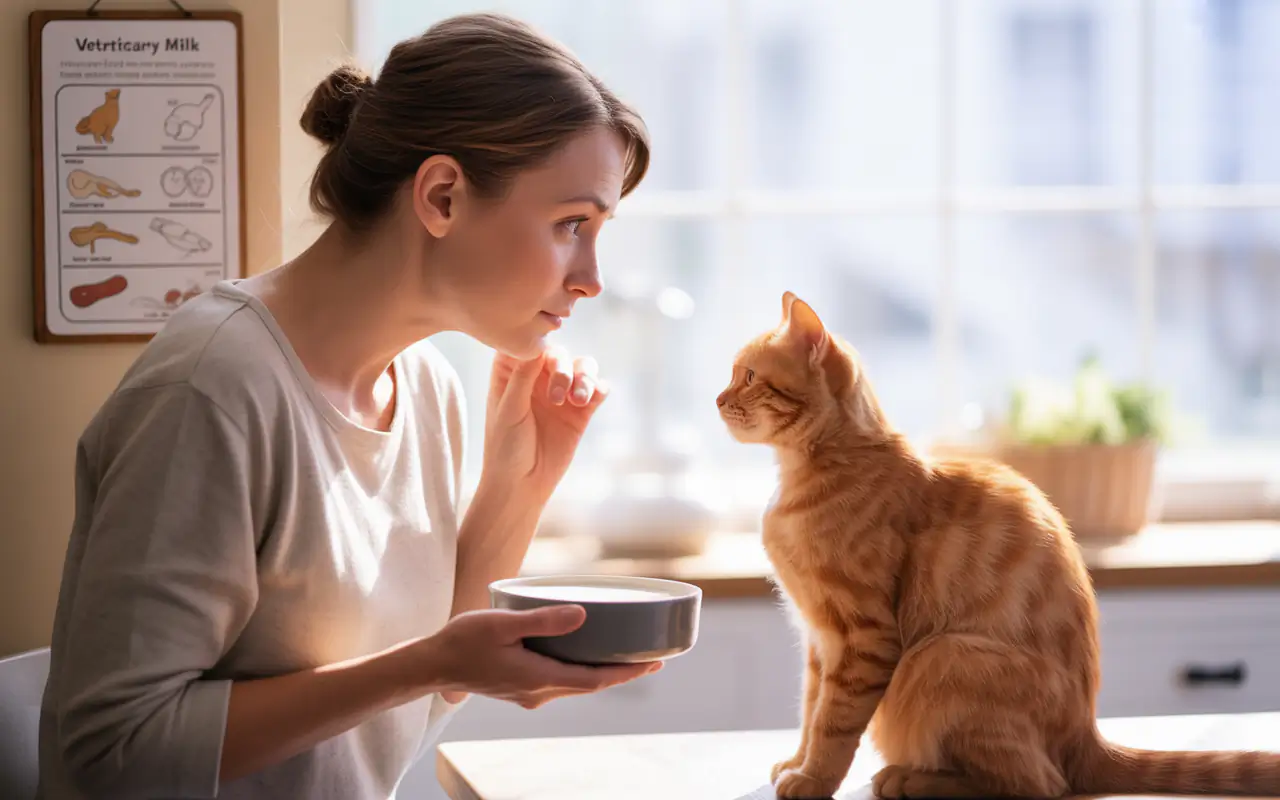
Many cat owners wonder, is it safe to give milk to cats? The short answer is no. Most adult cats are lactose intolerant, and milk can cause stomach upset. Learn why and what to give instead.
You have probably seen it in movies or cartoons. A happy cat drinks a bowl of milk and purrs. This image makes many people think milk is a natural treat for cats. But real life is different. If you have a cat at home, you may ask yourself, is it safe to give milk to cats? Before you pour a saucer of milk for your furry friend, let me share what veterinarians and animal experts have learned. The answer might surprise you.
I have cared for cats for many years. I have made mistakes too. And one of the most common mistakes is offering milk as a reward. So let me help you understand the facts. This way, you can keep your cat healthy and happy.
The Short Answer to “Is It Safe to Give Milk to Cats?”
Here is the direct answer. For most adult cats, the answer is no. Is it safe to give milk to cats? Generally, it is not safe because it can cause digestive problems. Many cats cannot handle the sugar found in milk. This sugar is called lactose. When a cat drinks milk, the lactose can stay in the gut and cause trouble.
Dr. Sarah Thompson, a feline nutrition specialist, says: “Cow’s milk offers no nutritional benefit to adult cats. In fact, it often leads to diarrhea, gas, and belly pain.”
So while a small amount might not harm every cat, it is best to avoid it. Your cat does not need milk to be healthy. Water is the only liquid your cat truly needs.
Why Do Cats Love Milk So Much?
You might wonder why cats seem to love milk if it is bad for them. The answer goes back to their early life. Kittens drink their mother’s milk. That milk is full of fat and protein. It helps them grow fast. The taste of milk stays in a cat’s memory. So when an adult cat smells milk, it feels drawn to it.
But there is a big difference. Mother cat’s milk has less lactose than cow’s milk. Also, kittens make an enzyme called lactase. This enzyme breaks down lactose. As a cat grows up, its body stops making much lactase. Without enough lactase, drinking milk becomes a problem.
So the love for milk is really a leftover instinct. Your cat does not know that milk will upset its stomach. It only knows the smell and taste from when it was a baby. This is why many cats beg for milk even when it makes them sick.
The Science Behind Lactose Intolerance in Cats
Let me explain this in simple words. Lactose is a type of sugar in milk. To digest lactose, the body needs an enzyme called lactase. Lactase splits lactose into smaller sugars that the body can absorb. When a cat does not have enough lactase, the lactose stays in the intestines.
Then bacteria in the gut feed on that lactose. This process creates gas and extra water. The result is loose stools, bloating, and discomfort. This condition is called lactose intolerance. Most adult cats have it. Studies show that over 90 percent of adult cats are lactose intolerant.
Is it safe to give milk to cats that are lactose intolerant? No. It will almost always cause some level of stomach distress. The severity depends on how much milk the cat drinks and how low its lactase levels are.
| Sign of Lactose Intolerance | What to Look For |
|---|---|
| Diarrhea | Loose or watery stools within 8 to 12 hours |
| Gas and bloating | A swollen belly or loud stomach rumbles |
| Vomiting | Throwing up soon after drinking milk |
| Belly pain | Your cat meows more or hides away |
| Lack of appetite | Refusing food after a milk treat |
This table shows common signs. If you see these after your cat drinks milk, you have your answer.
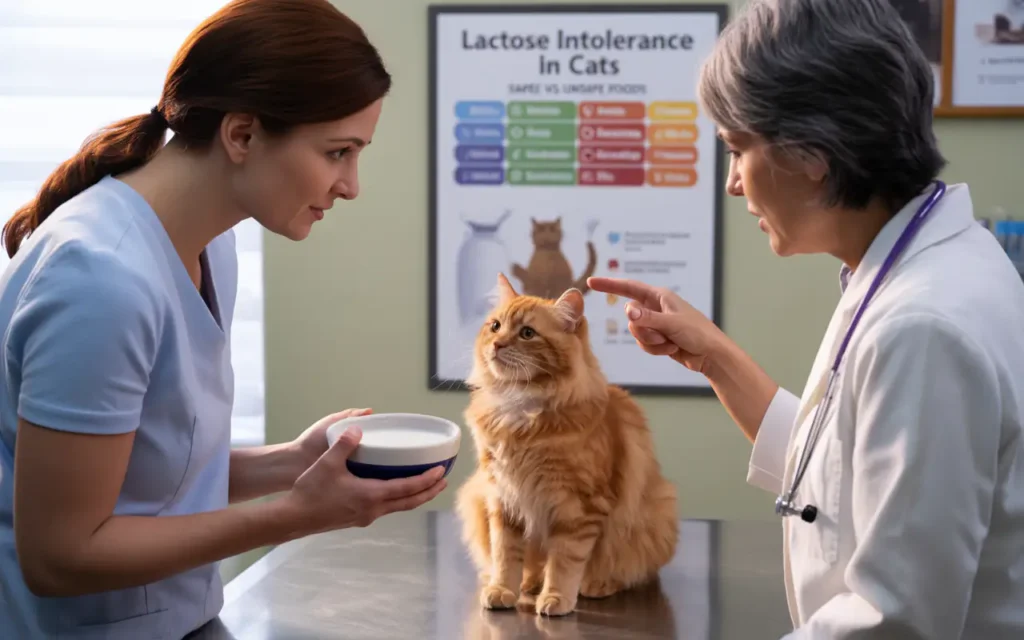
Common Problems When Cats Drink Milk
Now let me list the specific issues that can happen. Even if your cat seems fine after a few sips, problems can still occur.
Digestive Issues to Watch For
The most common problem is diarrhea. This can be mild or severe. A cat with diarrhea may have accidents outside the litter box. That is stressful for both you and your cat. Another issue is flatulence. Yes, cats can pass gas. And milk often causes smelly gas. Your cat may also feel nauseous. You might see it licking its lips a lot or drooling.
Dr. Mark Chen, DVM, explains: “I see cats every week with milk-related tummy troubles. Owners think they are giving a treat, but they are actually causing inflammation in the gut.”
Repeated exposure to milk can lead to chronic digestive problems. The gut lining can become irritated. This makes it harder for the cat to absorb nutrients from its regular food.
More Serious Health Risks
Beyond digestion, there are other risks. Milk contains fat. Too much fat can cause a serious condition called pancreatitis. This is swelling of the pancreas. It is very painful and needs vet care. Also, milk has calories. An extra 50 calories from milk each day can lead to obesity over time. An overweight cat has a higher risk of diabetes, joint pain, and heart disease.
Another risk is bacterial contamination. Raw or unpasteurized milk can carry dangerous germs like E. coli or Salmonella. These germs can make your cat very sick. Even pasteurized milk is not free of risk because cats do not handle dairy well.
So when you ask is it safe to give milk to cats, remember these risks. A moment of joy for your cat could lead to a vet visit.
Which Cats Can Tolerate Milk?
Some cats can drink a little milk without any signs of trouble. A small number of adult cats keep making enough lactase. These cats are lucky. They can drink a few teaspoons of milk and stay fine. But you cannot know if your cat is one of them until you try. And even then, the reaction may change over time.
Dr. Lisa Martinez, a cat behaviorist, notes: “Just because your cat does not get diarrhea right away does not mean milk is safe. The damage can be silent and build up over months.”
So how do you test? Give only one teaspoon of plain, pasteurized cow’s milk. Watch your cat for 24 hours. Look for any changes in stool, behavior, or appetite. If nothing changes, your cat might have some tolerance. But still, do not give milk every day. Save it as a very rare treat, if at all.
Kittens and Milk: A Different Story
Kittens are a different case. A young kitten drinks its mother’s milk. If the mother is not around, you may need to give kitten milk replacer. This is a special formula made for kittens. It is not the same as cow’s milk. Cow’s milk is dangerous for kittens too. It can cause severe diarrhea, which leads to dehydration. A dehydrated kitten can die quickly.
So do not give cow’s milk to a kitten. Use only kitten formula from a pet store. And once the kitten is weaned, around 8 weeks old, switch to water.
Safe Alternatives to Cow’s Milk for Cats
If you want to give your cat a special drink, there are better options. You do not have to say no to every treat. Just choose wisely.
Lactose-Free Milk
Lactose-free cow’s milk is available in many grocery stores. This milk has lactase added to break down the lactose. So it will not cause the same digestive issues. However, it still has fat and calories. And it does not provide any nutrition that your cat needs. A small amount once a week is okay for most cats. But water is still better.
Cat-Specific Milk Products
Pet stores sell milk drinks made just for cats. These products have reduced lactose. Some are made from goat’s milk, which has less lactose than cow’s milk. Others are water-based with added flavors and nutrients. These are safer than regular milk. But read the label. Some still contain sugar or preservatives. Give these only as an occasional treat.
Fresh Water Is Always Best
The best drink for your cat is clean, fresh water. Cats do not need milk after they are weaned. Water keeps their kidneys working well. It prevents urinary tract problems. It helps digestion. So instead of milk, make sure your cat always has a full water bowl. Change the water every day. Some cats like running water from a pet fountain. That can encourage them to drink more.
| Alternative | Safety Level | Best Use |
|---|---|---|
| Fresh water | Excellent | Daily, unlimited access |
| Cat-specific milk | Good | Once a week, small amount |
| Lactose-free milk | Fair | Rare treat, one tablespoon |
| Goat’s milk | Fair | Occasional, check for tolerance |
| Regular cow’s milk | Poor | Not recommended at all |
This table helps you see the differences. Stick to the top two options for a happy cat.
What to Do If Your Cat Drinks Milk and Gets Sick
Sometimes accidents happen. Maybe a child left a glass of milk on the floor. Or your cat knocked over a carton. If your cat drinks milk and shows signs of illness, here is what to do.
First, do not panic. Most cases are mild. Remove any leftover milk so your cat cannot drink more. Then watch your cat closely. If your cat has mild diarrhea but acts normal otherwise, you can wait. Offer plenty of fresh water. The diarrhea should stop within 24 hours.
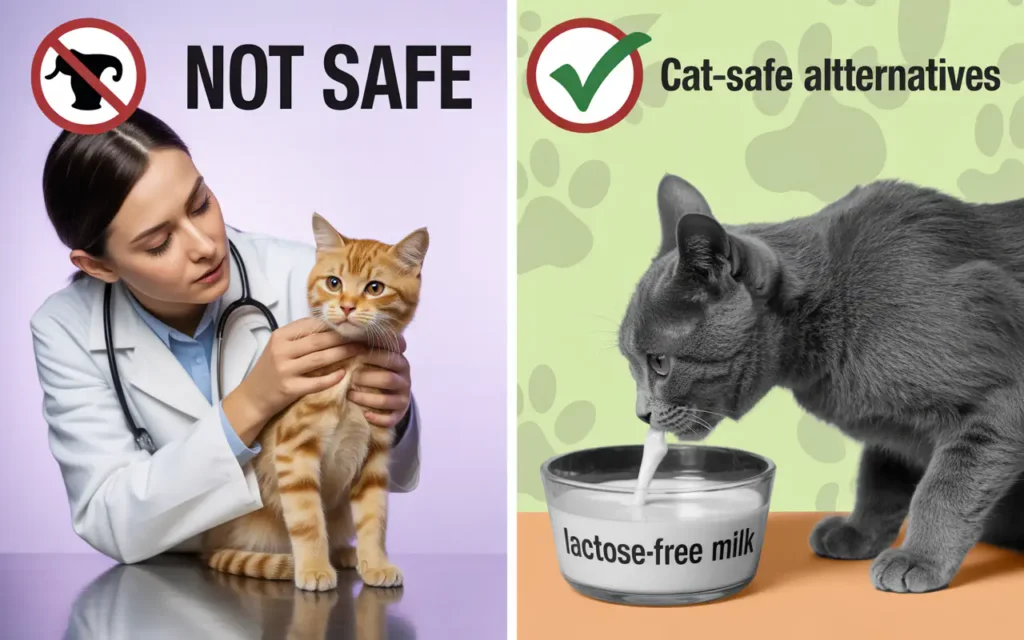
If your cat vomits more than twice, or if the diarrhea is very watery, call your vet. Dehydration is a risk. Your vet may suggest bringing your cat in for fluids or medicine. Also, if your cat seems very tired, has a swollen belly, or cries when touched, get help right away. These could be signs of pancreatitis.
Dr. Rachel Kim, emergency vet, says: “I have treated cats who needed IV fluids just from drinking half a cup of milk. It is not a myth. Some cats react very badly.”
So take any bad reaction seriously. Better to call the vet and be safe.
Frequently Asked Questions
Can cats drink a little bit of milk every day?
No. Even a little bit every day can cause long-term gut problems. It is better to give milk only once in a while, if at all. Most vets say no milk is the best choice.
Is it safe to give milk to cats that are older or sick?
No. Older cats often have weaker digestion. Sick cats need simple, easy-to-digest food. Milk can make their condition worse. Always ask your vet before giving any treat to a cat with health issues.
What about plant-based milks like almond or soy milk?
These are also not good. Almond milk has added sugars and thickeners. Soy milk has plant compounds that cats cannot digest well. Some plant milks contain xylitol, which is toxic to cats. So avoid all plant milks.
Can kittens drink cow’s milk?
No. Never give cow’s milk to a kitten. It causes severe diarrhea and dehydration. Use only kitten milk replacer from a pet store.
How can I tell if my cat is lactose intolerant?
Give one teaspoon of milk and watch for 24 hours. Signs include loose stool, gas, vomiting, or belly pain. But remember, is it safe to give milk to cats just for a test? Not really. It is better to assume your cat is intolerant and avoid milk altogether.
What is the best treat to give instead of milk?
Small pieces of cooked chicken, plain fish, or commercial cat treats are better. Also, ice cubes made from tuna water (water from a can of tuna in water, not brine) can be a fun treat.
Will a small amount of milk hurt my cat?
It depends on the cat. Some cats show no signs. Others get sick from one teaspoon. Since you cannot know, it is safer to not give any milk.
Why do stray cats seem to drink milk without problems?
Stray cats may have tougher stomachs from eating all kinds of scraps. But they still get sick. You just may not see it. Also, strays often have shorter lives due to many health problems. Milk does not help them.
Conclusion
So let me ask you again. Is it safe to give milk to cats? For the vast majority of cats, the answer is a clear no. Milk causes digestive upset, diarrhea, gas, and even serious conditions like pancreatitis. The cute image of a cat drinking milk is a myth. Your cat does not need milk to be healthy. In fact, water is the only drink your cat requires.
If you truly want to give your cat a special liquid treat, choose cat-safe milk from a pet store. Give only a tiny amount once a week at most. But the best choice is always fresh water. Your cat will thank you with good health, a shiny coat, and a happy belly.
Remember these key points:
- Most adult cats are lactose intolerant.
- Milk can cause diarrhea and pain.
- Kittens should never drink cow’s milk.
- Safe alternatives exist but are not needed.
- When in doubt, stick with water.
Now you know the truth. Share this information with other cat owners. You can help many cats avoid unnecessary sickness. And your own cat will live a longer, better life without milk. Thank you for caring enough to ask the question. Your cat is lucky to have you.
Related posts
 Why Do Dogs Stare at Walls? Common Causes and When to Worry
Wondering why do dogs stare at walls? Discover the sensory, behavioral, and medical reasons behind this behavior, and learn when to contact your veterinarian. When you…
 How to Test Car Wiring for Continuity Using a Multimeter
Learn how to test car wiring for continuity safely. Find broken automotive wires, check connector ports, and diagnose electrical issues with a multimeter. Testing car wiring…
 Why Organizing Space Reduces Stress: The Mental Clarity Connection
Discover why organizing space reduces stress. Learn how a tidy environment lowers cortisol, improves focus, and creates a sense of calm in your daily life. Organizing…