
When to Replace Car Tires: Key Signs and Safety Checks
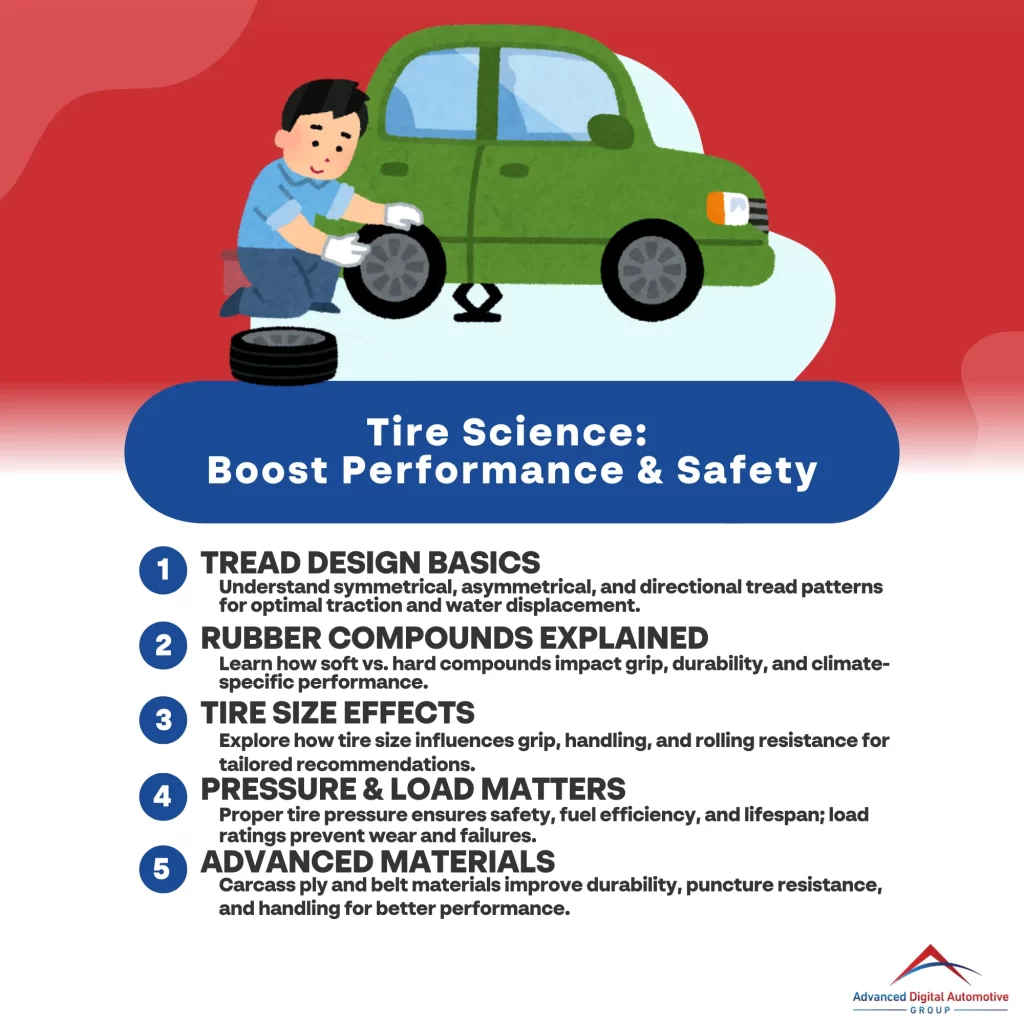
Knowing when to replace car tires is crucial for your safety and your vehicle’s performance. Tires are your car’s only contact with the road, and their condition directly impacts braking, handling, and stability. Generally, you should consider replacing your tires when the tread depth is too low, the tires are too old, or they show significant visible damage.
The primary indicators for replacement include worn-down tread, which reduces grip, especially in wet conditions. Additionally, tires degrade over time, even if not heavily used, making age a critical factor. Visible damage like cracks, bulges, or unrepairable punctures also signal an immediate need for replacement. Regular inspection is key to catching these signs early.
Quick takeaways
- Regularly check your tire’s tread depth using simple methods.
- Be aware of your tire’s age, even if the tread looks good.
- Inspect tires for visible damage like cracks, bulges, or deep punctures.
- Don’t ignore changes in your car’s handling or ride quality.
- When in doubt, always consult a tire professional for safety.
| Item | Best fit | Watch out |
|---|---|---|
| Tread Depth | Identifying the primary wear indicator for all types of tires. | Ignoring wear bars or relying solely on visual inspection without a proper measurement can lead to unsafe driving conditions. |
| Tire Age | Preventing unexpected tire failure due to material degradation. | Assuming low-mileage tires are still safe just because the tread looks good. Age-related damage is often internal and not visible. |
| Visible Damage | Identifying immediate safety hazards that require prompt action. | Ignoring small cracks or minor bulges, as these can worsen rapidly and lead to catastrophic failure. Attempting to repair punctures outside the safe repair zone. |
| Performance Issues | Detecting underlying tire problems that affect driving experience and safety. | Attributing all handling issues solely to suspension or alignment problems without considering tire condition. Ignoring subtle changes in how your car drives. |
Main options
Tread Depth. Insufficient Tread Depth
The most common indicator for tire replacement is when the tread wears down to a critical level. Adequate tread depth is essential for gripping the road, especially in wet or snowy conditions, and for effective braking. Worn tread significantly increases the risk of hydroplaning and extends stopping distances.
- Best for: Identifying the primary wear indicator for all types of tires.
- Watch out: Ignoring wear bars or relying solely on visual inspection without a proper measurement can lead to unsafe driving conditions.
- Decision tip: Use a penny test (Abraham Lincoln’s head should be covered) or check the built-in tread wear indicator bars. If the tread is flush with these bars, it’s time for new tires.
- Check Method: Penny test, wear bars
- Safety Risk: Hydroplaning, poor braking
Tire Age Exceeds Recommended Limit
Even if a tire has good tread depth, its rubber compounds degrade over time due to exposure to elements like UV light, heat, and chemicals. This degradation can lead to internal structural weakening, making the tire more prone to sudden failure, such as tread separation or blowouts. Most manufacturers recommend replacing tires after 6 to 10 years, regardless of mileage.
- Best for: Preventing unexpected tire failure due to material degradation.
- Watch out: Assuming low-mileage tires are still safe just because the tread looks good. Age-related damage is often internal and not visible.
- Decision tip: Locate the DOT (Department of Transportation) code on your tire’s sidewall. The last four digits indicate the week and year of manufacture (e.g., ‘1521’ means the 15th week of 2021). Replace tires older than 6-10 years, depending on manufacturer recommendations and driving conditions.
- Check Method: DOT code on sidewall
- Recommended Limit: 6-10 years
Visible Damage. Significant Visible Damage
Tires can sustain various forms of damage from road hazards, impacts, or prolonged exposure. This includes deep cuts, cracks in the sidewall or tread, bulges, or unrepairable punctures. Any significant damage compromises the tire’s structural integrity and can lead to rapid air loss or a blowout, posing a serious safety risk.
- Best for: Identifying immediate safety hazards that require prompt action.
- Watch out: Ignoring small cracks or minor bulges, as these can worsen rapidly and lead to catastrophic failure. Attempting to repair punctures outside the safe repair zone.
- Decision tip: Regularly inspect your tires for any signs of damage. Pay close attention to the sidewalls for bulges or deep cracks. If a puncture is larger than 1/4 inch or located near the sidewall, the tire typically needs replacement, not just repair.
- Damage Types: Cracks, bulges, deep cuts, large punctures
- Action: Immediate replacement or professional assessment
Performance Issues. Noticeable Performance Issues
Sometimes, tires may appear visually acceptable but contribute to poor vehicle handling or an uncomfortable ride. This can manifest as persistent vibrations, the car pulling to one side, or a noticeable decrease in grip, especially during braking or cornering. These issues can indicate internal tire damage, uneven wear, or improper balancing that cannot be corrected.
- Best for: Detecting underlying tire problems that affect driving experience and safety.
- Watch out: Attributing all handling issues solely to suspension or alignment problems without considering tire condition. Ignoring subtle changes in how your car drives.
- Decision tip: If you experience new or worsening vibrations, steering pull, or a general ‘loose’ feeling while driving, have your tires professionally inspected. These symptoms often point to a tire issue that requires replacement or repair.
- Symptoms: Vibrations, pulling, reduced grip
- Cause: Internal damage, uneven wear, balancing issues
The Critical Tread Depth Check: What to Look For
Tread depth is arguably the most important indicator of tire health. The grooves in your tire tread are designed to channel water away from the contact patch, maintaining grip on wet roads. As the tread wears down, this ability diminishes significantly, increasing your risk of hydroplaning and reducing braking effectiveness.
Most tires come with built-in tread wear indicator bars, which are small raised sections located in the main grooves. When your tire’s tread is worn down to be flush with these bars, it means you’ve reached the minimum safe tread depth, typically 2/32 of an inch. At this point, replacement is essential for safety.
Beyond the wear bars, a simple penny test can give you a quick assessment. This quick check helps you determine if your tires are approaching or have reached a critical wear level, prompting you to consider replacement or a more precise measurement.
Example: To perform the penny test, insert a penny into a tire tread groove with Lincoln’s head upside down and facing you. If you can see all of Lincoln’s head, your tread is too shallow (less than 2/32 of an inch), and it’s time for new tires.
Mistake to avoid: Only checking one spot on the tire. Tread wear can be uneven, so check multiple points across the tire’s circumference and width.
Understanding Tire Age: Beyond the Tread
Tires aren’t just about tread; they’re also about the integrity of the rubber itself. Over time, the rubber compounds in tires harden and become brittle due to exposure to oxygen, UV light, and temperature fluctuations. This process, known as ‘dry rot’ or ‘ozone cracking,’ can lead to internal structural damage that isn’t always visible from the outside.
This degradation can manifest as small cracks on the sidewall or between the tread blocks, but more dangerously, it can weaken the tire’s internal structure, making it susceptible to sudden failure, such as tread separation or a blowout, even at highway speeds. Most tire manufacturers and automotive experts recommend replacing tires that are 6 to 10 years old, regardless of their visual condition or remaining tread depth.
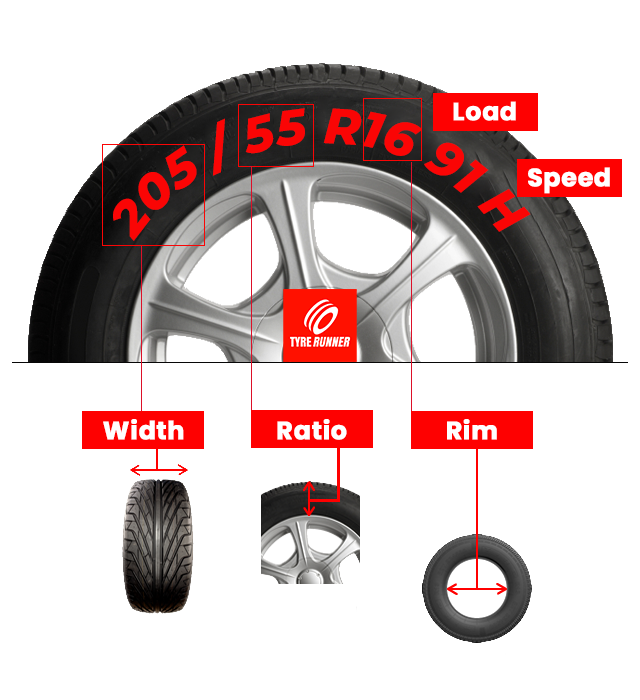
To check your tire’s age, look for the ‘DOT’ (Department of Transportation) code on the sidewall. The last four digits of this code indicate the week and year the tire was manufactured. For example, ‘3522’ means the tire was made in the 35th week of 2022. Knowing this date is crucial for assessing its true lifespan.
Example: If your tire has a DOT code ending in ‘1218’, it means it was manufactured in the 12th week of 2018. If it’s now 2024, this tire is 6 years old, nearing or at the recommended replacement age for many manufacturers, regardless of how much tread is left.
Mistake to avoid: Assuming that tires with low mileage or those stored in a garage will last indefinitely. Rubber compounds still age and degrade over time, losing elasticity and strength.
Spotting Visible Damage: Cracks, Bulges, and Punctures
Beyond wear and age, physical damage is a clear signal for tire replacement. Tires are tough, but they’re not indestructible. Road hazards like potholes, sharp objects, or curbs can cause significant damage that compromises their integrity and safety.
Look for deep cuts or gouges in the tread or sidewall. If a cut exposes the internal cords of the tire, it’s severely compromised. Cracks, especially on the sidewall, can indicate dry rot or excessive flexing, leading to potential failure. Bulges or bubbles on the sidewall are particularly dangerous, as they signify internal structural damage where the tire’s inner layers have separated or broken. These are immediate replacement indicators.
Punctures are common, but not all can be repaired. A puncture larger than 1/4 inch in diameter, or any puncture located in the tire’s sidewall or shoulder area, is generally considered unrepairable. Attempting to repair such damage can lead to tire failure. In these cases, replacement is the only safe option.
Example: If you notice a bubble or bulge on your tire’s sidewall after hitting a pothole, this indicates internal damage where the tire’s structural cords have broken. This tire is now a high risk for a blowout and needs immediate replacement, not repair.
Mistake to avoid: Ignoring small cracks or bulges, hoping they will not worsen. Any visible damage to the sidewall or significant tread damage compromises safety.
| Damage Type | What It Means | Action Required |
|---|---|---|
| Deep Cuts/Gouges | Internal cords exposed, structural integrity compromised. | Replace immediately. |
| Sidewall Bulges/Bubbles | Internal structural damage, high blowout risk. | Replace immediately. |
| Extensive Cracking (Dry Rot) | Rubber degradation, loss of elasticity and strength. | Replace if severe or tire is old. |
| Large/Sidewall Puncture | Beyond safe repair limits. | Replace immediately. |
How Tire Condition Affects Vehicle Handling and Safety
The condition of your tires directly translates to how your car performs and, more importantly, how safely it operates. Worn or damaged tires can significantly impair your vehicle’s ability to accelerate, brake, and corner effectively. This is especially true in adverse weather conditions where grip is already reduced.

For instance, tires with insufficient tread depth will have a much longer stopping distance, particularly on wet roads, increasing the risk of collisions. Unevenly worn tires can cause your vehicle to pull to one side, making steering difficult and potentially dangerous. They can also lead to vibrations that affect ride comfort and can prematurely wear out other suspension components.
Any noticeable change in your car’s handling-such as a ‘loose’ feeling, excessive road noise, or a persistent vibration-should prompt a thorough tire inspection. These symptoms are often early warnings that your tires are no longer performing optimally and may need replacement to restore safe driving dynamics.
Example: If your car consistently pulls to one side, even on a flat road, or you feel vibrations through the steering wheel that weren’t there before, it could be a sign of uneven tire wear, internal tire damage, or an out-of-balance tire, all of which might point to the need for replacement.
Mistake to avoid: Ignoring subtle changes in vehicle behavior, attributing them solely to road conditions or other vehicle components without checking tire health.
Seasonal and Driving Style Considerations
The ‘when to replace’ question can also be influenced by the climate you drive in and your personal driving style. For instance, if you live in an area with distinct seasons, you might consider replacing all-season tires with dedicated winter tires when temperatures consistently drop below 45°F (7°C), regardless of their overall wear, to ensure optimal grip and safety in cold, snowy, or icy conditions.
Aggressive driving, such as hard braking, rapid acceleration, and fast cornering, can accelerate tire wear significantly. If you have a more spirited driving style, you might find your tires need replacement sooner than someone with a more conservative approach, even if they are the same age and type. Regularly checking your tires becomes even more critical in these scenarios.
Conversely, tires on vehicles that sit for extended periods can also degrade faster due to constant pressure on one spot and lack of movement, leading to flat spots and accelerated aging. Understanding these factors helps you anticipate replacement needs beyond just basic wear indicators.
Example: If you live in an area with harsh winters and currently have all-season tires with less than 4/32 inch of tread, you should consider replacing them with dedicated winter tires before the cold weather hits, as their performance will be significantly compromised.
Mistake to avoid: Using summer tires in freezing temperatures or relying on heavily worn all-season tires in severe winter conditions, which compromises safety.
When to Get Professional Advice
While regular self-inspection is vital, there are times when a professional opinion is indispensable. If you’re unsure about the severity of a crack, the extent of internal damage, or whether a puncture is safely repairable, it’s always best to consult a qualified tire technician. They have the expertise and equipment to thoroughly inspect your tires, often dismounting them to check the inner lining for hidden damage.
A professional can also help diagnose persistent handling issues that might stem from tire problems, such as uneven wear patterns that indicate alignment issues or balancing problems. They can provide accurate measurements of tread depth, assess the overall health of the rubber, and recommend the most appropriate course of action, whether it’s repair, rotation, or replacement.
Prioritizing safety means not taking chances with your tires. If you have any doubts about their condition, a quick visit to a reputable tire shop can provide peace of mind and prevent potential hazards on the road.
Example: If you’ve inspected your tires and found a small crack but aren’t sure if it’s superficial or deep enough to warrant replacement, a professional can use specialized tools and knowledge to assess the internal structure and provide a definitive recommendation.
Mistake to avoid: Delaying professional inspection when unsure about tire condition, or attempting DIY repairs on potentially dangerous damage.
FAQs

How often should I check my car tires?
You should visually inspect your tires for damage and check tire pressure at least once a month. A more thorough check of tread depth and for any subtle signs of wear or aging should be done every few months or before long trips.
Can I replace just one tire?
It’s generally recommended to replace tires in pairs (both front or both rear) to maintain even wear and handling characteristics. Replacing only one tire can lead to uneven traction and handling, especially if the new tire has significantly more tread than the others. For all-wheel-drive (AWD) vehicles, it’s often recommended to replace all four tires simultaneously to prevent damage to the drivetrain.
What is the legal minimum tread depth for tires?
In many regions, the legal minimum tread depth is 2/32 of an inch (1.6 mm). However, many experts recommend replacing tires when they reach 4/32 of an inch, especially if you frequently drive in wet conditions, as performance significantly decreases below this point.
What happens if I don’t replace worn tires?
Not replacing worn tires significantly increases safety risks. You’ll experience reduced grip, longer braking distances, increased risk of hydroplaning in wet conditions, and a higher chance of blowouts or tire failure, especially at highway speeds. It can also negatively impact your car’s fuel efficiency and handling.
Are all-season tires truly good for all seasons?
All-season tires offer a compromise for various conditions, performing adequately in light snow and moderate temperatures. However, they are not optimized for extreme winter conditions (heavy snow, ice, freezing temperatures) or high-performance summer driving. In areas with harsh winters, dedicated winter tires offer superior safety and performance.
Is it safe to buy used tires?
Buying used tires carries risks. While they might be cheaper, it’s difficult to know their full history, including past repairs, storage conditions, or if they’ve been involved in an accident. They could also be close to their age limit. If considering used tires, ensure they are thoroughly inspected by a professional for age, damage, and tread depth.
Conclusion
Understanding when to replace your car tires is a fundamental aspect of responsible vehicle ownership and, most importantly, driver safety. By regularly checking tread depth, being aware of tire age, and diligently inspecting for visible damage, you can proactively address potential hazards before they become critical.
Don’t overlook the subtle cues your car might give you, such as changes in handling or vibrations, which can also signal tire issues. Prioritizing tire maintenance ensures optimal performance, better fuel efficiency, and a significantly safer driving experience for you and others on the road.
When in doubt about your tire’s condition, always seek the advice of a certified tire professional. Their expertise can provide clarity and ensure you make the best decision for your vehicle’s safety and longevity.
Related posts
 How to Strengthen Weak Nails: A Practical Guide to Daily Care
Learn how to strengthen weak nails with simple daily habits, protective care, and targeted hydration. Restore your natural nail strength today. Weak, peeling, or brittle nails…
 What Sounds Do Cats Dislike? 7 Noises That Stress Your Pet
Discover what sounds do cats dislike and why. Learn how to protect your cat’s sensitive hearing from stressful household noises and high-frequency hums. Cats dislike sounds…
 Restoring Faded Black Clothing: Practical Methods and Reality Checks
Can you restore faded black clothing? Learn the difference between temporary color revival and permanent redyeing, plus how to prevent future fading. You can restore the…