
What Foods Help Dog Joint Pain
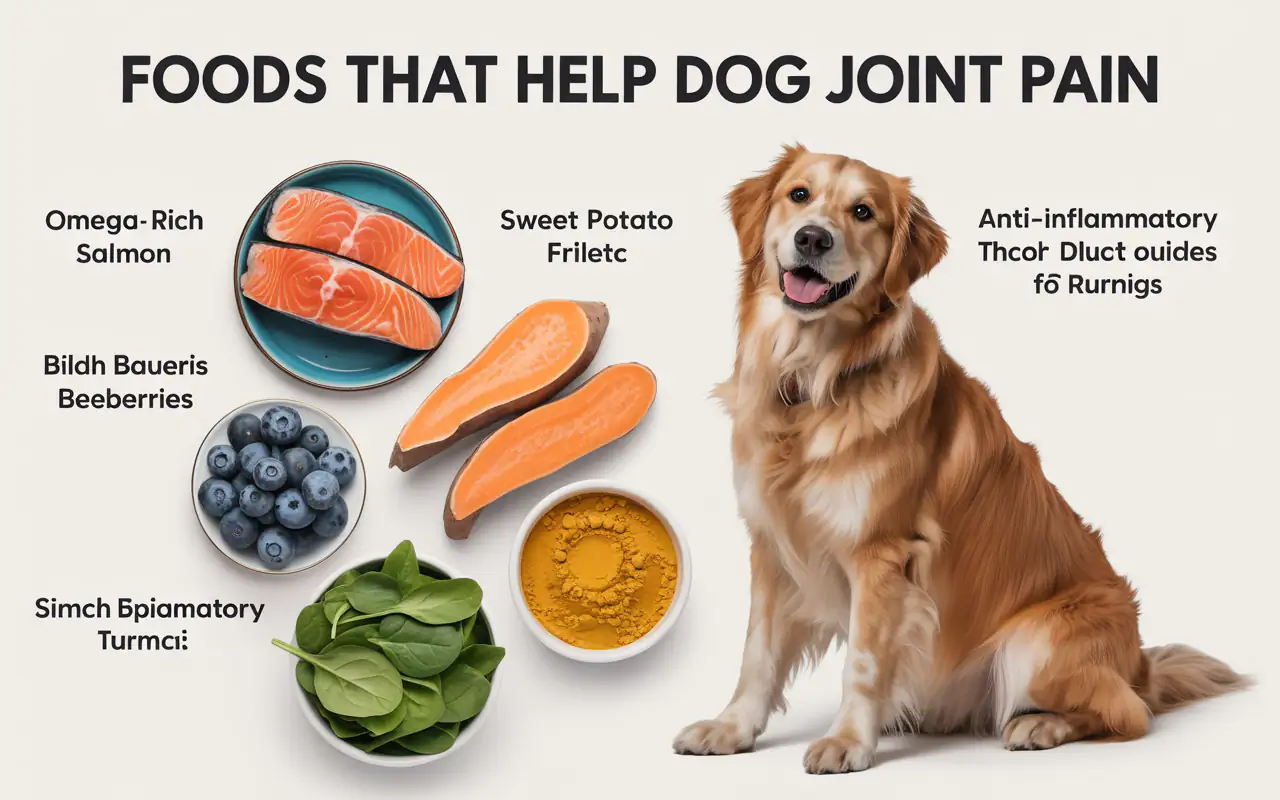
Learn how foods help dog joint pain naturally. Add salmon, turmeric, and green lipped mussel to meals. These foods help reduce swelling and ease movement for older dogs.
Watching your best friend limp or struggle to get up is hard. You want to help, but you are not sure where to start. The good news is that simple changes in your dog’s bowl can make a real difference. Many natural ingredients fight swelling and soothe sore joints. In this guide, I will share exactly what foods help dog joint pain. You will learn easy, safe options to add to your dog’s daily meals. Let’s make those tail wags happy again.
Joint pain in dogs is very common, especially as they grow older. Think of the cartilage as a soft cushion between bones. When that cushion wears down, bones rub together. This causes pain, stiffness, and swelling. Large breeds like Labs and German Shepherds often face this issue. But small dogs can have it too. Even younger dogs can get joint problems from injuries or genetics.
Dr. Karen Becker, a well-known holistic veterinarian, says: “Most joint pain in dogs comes from chronic inflammation. Stop the inflammation, and you stop most of the pain.”
Inflammation is your dog’s immune system overreacting. It sounds helpful, but too much swelling hurts the joints. Over time, this leads to arthritis. The right diet can cool down that fire inside. That is why learning what foods help dog joint pain is so valuable. You are not just feeding your dog. You are healing from the inside out.
Common Signs Your Dog Has Joint Issues
Many pet owners miss the early signs. They think their dog is just slowing down with age. But look closer. Here are clear clues that your dog may need joint support.
- Stiffness after rest: Your dog takes a few minutes to loosen up after a nap.
- Limping: You notice a slight hop or limp, especially on cold days.
- Trouble with stairs: Your dog hesitates or struggles to climb steps.
- Less playful: Your dog no longer chases a ball or runs as much.
- Licking joints: Your dog licks a paw or leg joint over and over.
- Irritability: Your normally sweet dog growls when touched in certain spots.
If you see any of these signs, do not wait. A vet visit is a good first step. Then you can start adding the right foods to help your dog feel better.
Top Foods That Help Dog Joint Pain
Not all dog foods are equal. Many commercial kibbles lack natural anti-inflammatory power. Fresh, whole foods offer real healing. Below are the best choices. Each one directly targets pain and swelling. I will also share a quick table to show you how these foods work.
Dr. Ian Billinghurst, creator of the raw feeding movement, explains: “Whole foods contain the exact nutrients dogs evolved to eat. Processed foods lose those healing properties.”
Fatty Fish – Nature’s Omega-3 Powerhouse
Fish like salmon, sardines, and mackerel are amazing for sore joints. They are packed with omega-3 fatty acids. These natural fats lower inflammation better than many pain pills. Omega-3s also protect the remaining cartilage from more damage.
You can feed canned sardines in water (no salt added). Cook fresh salmon without oil or spices. Aim for two to three small servings per week. If your dog does not like fish, try fish oil supplements. But always ask your vet for the right dose.
Best Foods and Their Joint Benefits
| Food | Key Nutrient | How It Helps Joints |
|---|---|---|
| Salmon | Omega-3 fatty acids | Reduces swelling, protects cartilage |
| Turmeric | Curcumin | Blocks pain signals, lowers inflammation |
| Blueberries | Antioxidants | Repairs cell damage from inflammation |
| Sweet potatoes | Beta-carotene | Supports tissue repair, gives energy |
| Green lipped mussel | Glucosamine | Rebuilds cushion between bones |
Turmeric – The Golden Spice for Pain Relief
Turmeric is a bright yellow spice from India. It contains curcumin, a very strong anti-inflammatory compound. Studies show curcumin works as well as some arthritis drugs. But it has no harsh side effects.
You cannot just sprinkle turmeric on food. Dogs do not absorb it well alone. You must mix it with a little black pepper and a healthy fat. Coconut oil or olive oil works great. Start with a small pinch for small dogs. Work up to a quarter teaspoon for large dogs. You can buy dog-safe turmeric paste online too.
One more thing. Turmeric can stain fabric and fur. So feed it carefully. But the pain relief is worth the yellow mess.
Green Leafy Vegetables
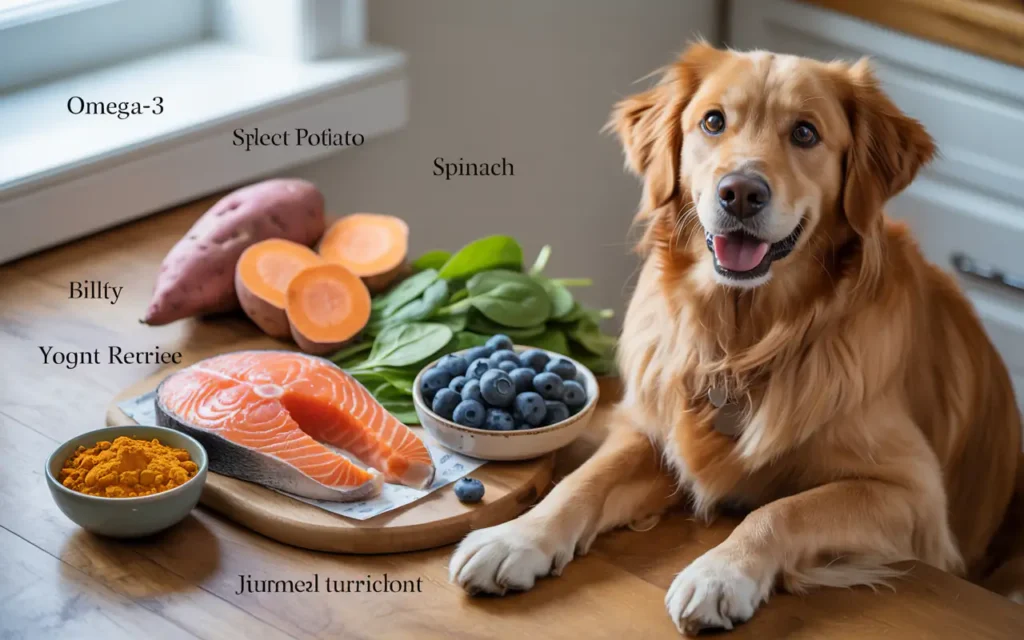
Kale, spinach, and Swiss chard are full of vitamins K, C, and E. These vitamins fight inflammation and boost the immune system. They also provide fiber for good digestion.
Chop the greens very fine. Lightly steam them to break down tough cell walls. This helps your dog get more nutrients. Mix a tablespoon into your dog’s regular food. Too much raw kale can upset a dog’s stomach. So start slow.
Colorful Berries
Blueberries, blackberries, and raspberries are tiny health bombs. They have high levels of antioxidants. Antioxidants hunt down free radicals. Free radicals are unstable molecules that cause joint damage. By eating berries, your dog’s body can repair itself faster.
Frozen berries work just as well as fresh ones. Thaw them first so they are soft. Give a few berries as a treat or mash them into meals. Do not feed grapes or raisins. Those are toxic to dogs.
Sweet Potatoes and Carrots
These orange vegetables are rich in beta-carotene. Beta-carotene turns into vitamin A in the body. Vitamin A helps grow healthy tissue and supports the immune system. Sweet potatoes also have magnesium and potassium. Both minerals relax muscles and reduce cramps.
Cook sweet potatoes until soft. Mash them or cut into small cubes. Mix into your dog’s dinner. Avoid adding butter, salt, or sugar. Plain is best.
Bone Broth
Bone broth is simple to make. Simmer animal bones (chicken, beef, or turkey) in water for 12 to 24 hours. The slow cooking releases collagen, gelatin, and amino acids. These nutrients help rebuild joint cartilage and soothe the gut.
A healthy gut absorbs more nutrients from foods help dog joint pain. So bone broth works as a double helper. You can buy pre-made bone broth for dogs. Just check that it has no onions, garlic, or salt. Serve a few tablespoons over kibble.
Dr. Ruth Roberts, a veterinarian and integrative health coach, says: “Joint health starts in the gut. Bone broth heals the gut lining, then the body can better use all the other joint-supporting foods.”
Green Lipped Mussel
Green lipped mussel comes from New Zealand. It is one of the best natural sources of glucosamine and chondroitin. These two compounds rebuild the cushion between bones. The mussel also has unique fatty acids not found in fish oil.
You can find green lipped mussel powder online or in pet stores. Sprinkle the recommended dose on your dog’s food. Many owners see results in just a few weeks. Look for a brand that uses freeze-dried mussels. That process keeps all the good nutrients alive.
Foods to Avoid for Dogs with Joint Pain
Some foods make joint pain worse. They add to inflammation instead of reducing it. Avoid these items to see the best results from the good foods above.
Foods That Worsen Joint Pain
| Food Type | Why It Hurts |
|---|---|
| Processed treats (biscuits, jerky) | High in inflammatory grains and sugar |
| Dairy products | Many dogs cannot digest lactose, causing gut swelling |
| Corn, wheat, soy | Common allergens that trigger body-wide inflammation |
| Fatty table scraps | Excess omega-6 fats promote swelling |
| Sugary fruits (grapes, raisins) | Toxic to dogs, plus sugar causes inflammation |
The best diet for a dog with sore joints is clean and simple. Fresh meat, vegetables, and healthy fats. No fillers, no artificial colors, no preservatives.

How to Add These Foods to Your Dog’s Daily Routine
You do not need to change everything at once. Small steps work better. Start by replacing 10% of your dog’s current food with fresh options. Slowly increase to 25% or more. Watch your dog’s stool and energy level. Every dog is different.
Here is a simple daily plan:
Morning: Add a spoon of bone broth to dry kibble. Let it soak for five minutes. Top with a few blueberries.
Evening: Mix cooked salmon or sardines with mashed sweet potato. Sprinkle a tiny pinch of turmeric and black pepper.
Treat time: Give frozen green beans or a slice of cooked carrot instead of store-bought biscuits.
Keep a journal. Write down what foods help dog joint pain in your specific pet. Notice if limping decreases. See if your dog jumps on the couch again. Those small wins mean everything.
Do not forget water. Fresh, clean water keeps joints lubricated. A dog who does not drink enough gets stiffer. Add water to dry food or offer bone broth as a hydrating treat.
Other Natural Ways to Support Dog Joints
Food is powerful, but it is not the only tool. Combine diet changes with these low-cost methods for best results.
- Gentle exercise: Short walks on soft grass keep muscles strong. Avoid long runs on pavement.
- Weight management: Extra pounds crush sore joints. Even losing 5% of body weight helps.
- Soft bedding: Thick foam beds take pressure off elbows and hips.
- Massage: Rub your dog’s legs and back gently. This increases blood flow to sore areas.
- Ramps: Put a ramp on the sofa or car. No more jumping.
When you use foods help dog joint pain together with lifestyle changes, your dog can feel years younger.
Frequently Asked Questions
Q1: How long until I see results from these foods?
Some dogs show improvement in two weeks. Others need a full month. Be patient. Natural foods work slowly but safely. Take a video of your dog walking now. Then compare in 30 days.
Q2: Can I give human joint supplements to my dog?
No. Human supplements often contain xylitol or other toxic ingredients. Buy dog-specific glucosamine or green lipped mussel. Always ask your vet first.
Q3: Are there any risks to feeding these foods?
Most are very safe. But too much fish can cause weight gain. Too much turmeric may upset the stomach. Start with small amounts. Watch for allergic reactions like itching or vomiting.
Q4: What if my dog is a picky eater?
Mix new foods into something your dog already loves. Use warm bone broth to make smells stronger. You can also puree vegetables and hide them in meatballs.
Q5: Do I still need vet pain medicine?
If your dog is in severe pain, do not stop vet medicine. Use food as an extra support, not a replacement. Talk to your vet about lowering doses over time if diet helps.
Q6: Can puppies eat these joint-friendly foods?
Yes. Healthy foods benefit dogs of all ages. But puppies have different calorie needs. Focus on balanced growth. Ask your vet about proper portions.
Q7: How do I know which foods help dog joint pain the most for my breed?
Large breeds respond well to glucosamine from green lipped mussel. Small breeds do great with anti-inflammatory berries and turmeric. Try one new food at a time. See what works.
Putting It All Together
You now have a clear answer to what foods help dog joint pain. Salmon, turmeric, berries, sweet potatoes, bone broth, and green leafy vegetables. These are not fancy or expensive. You can find most at any grocery store.
Start with one change this week. Add a spoonful of bone broth. Next week, try a few blueberries. Small steps lead to big relief. Your dog does not need a perfect diet overnight. Just better than yesterday.
I have used these foods with my own senior dog. His name is Max. At age 12, he could barely walk around the block. After six weeks of eating salmon, turmeric paste, and sweet potatoes, he started trotting again. He even chased a squirrel last month. That moment made me cry happy tears.
Your dog is waiting for you to help. The food in your kitchen already holds the answer. Give those healing ingredients a try. Watch your best friend move with less pain. That is the best gift you can offer.
Conclusion
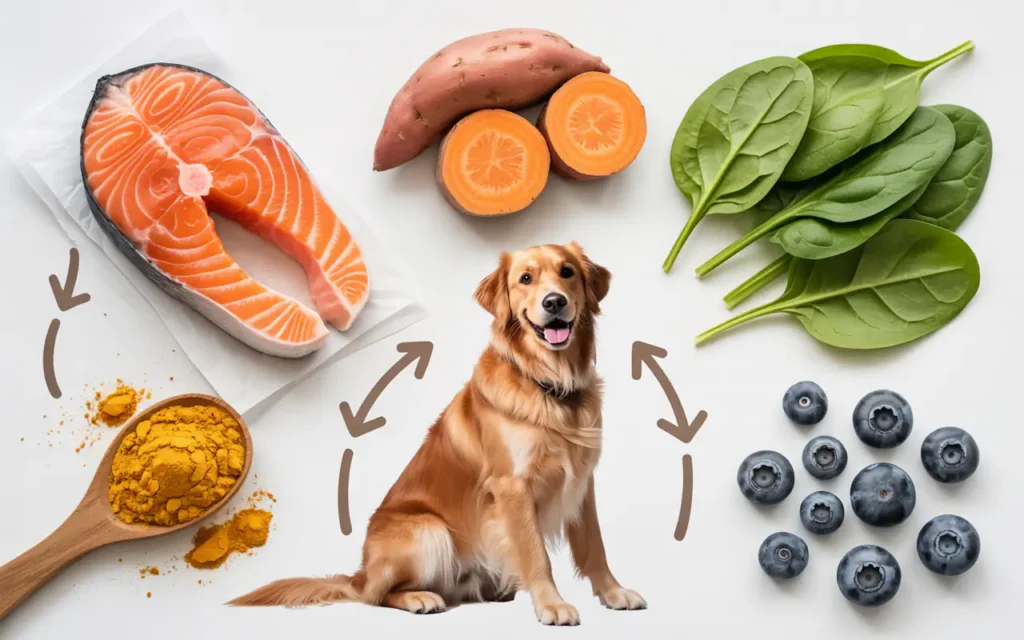
Joint pain does not have to steal your dog’s golden years. Simple, real foods help dog joint pain effectively and safely. Fatty fish cool down inflammation. Turmeric blocks pain signals. Berries repair cell damage. Bone broth heals the gut so nutrients absorb better. Green lipped mussel rebuilds worn cartilage.
Avoid processed treats, dairy, and grains. Keep your dog at a healthy weight. Add gentle exercise and soft bedding. Be patient and consistent. Within a few weeks, you will likely see a happier, more active dog.
Always talk to your veterinarian before making big diet changes. But do not be afraid to ask about natural options. Many vets now support food-based joint care. You know your dog best. Trust your eyes. When limping fades and play returns, you will know you made the right choice.
Now go give your dog a gentle belly rub. Then head to the kitchen. Those healing meals are waiting to be made.
Related posts
 How to Strengthen Weak Nails: A Practical Guide to Daily Care
Learn how to strengthen weak nails with simple daily habits, protective care, and targeted hydration. Restore your natural nail strength today. Weak, peeling, or brittle nails…
 What Sounds Do Cats Dislike? 7 Noises That Stress Your Pet
Discover what sounds do cats dislike and why. Learn how to protect your cat’s sensitive hearing from stressful household noises and high-frequency hums. Cats dislike sounds…
 Restoring Faded Black Clothing: Practical Methods and Reality Checks
Can you restore faded black clothing? Learn the difference between temporary color revival and permanent redyeing, plus how to prevent future fading. You can restore the…