
Is Coconut Oil Safe For Dogs
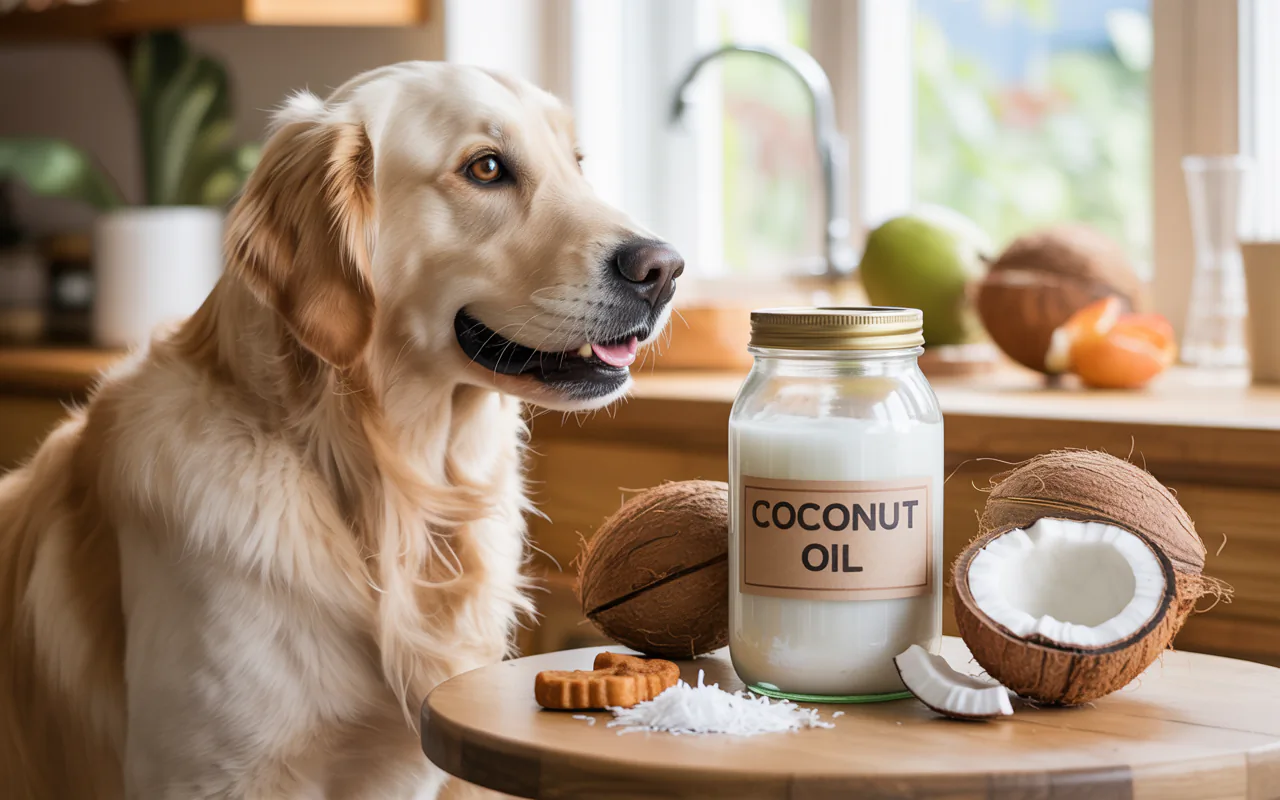
Wondering is coconut oil safe for dogs? The direct answer is yes, but only in small amounts. Learn proper dosage, risks, and benefits from a vet-approved guide.
If you have a jar of coconut oil in your kitchen, you might have looked at your dog and asked yourself: is coconut oil safe for dogs? You are not alone. Many pet parents want to share natural foods with their furry friends. The short answer is yes, coconut oil is generally safe for dogs when used correctly. But there are important rules to follow. Too much can cause stomach problems. Some dogs should not have it at all. In this guide, I will explain everything you need to know. You will learn the right amount, the possible benefits, and the risks. By the end, you will feel confident deciding if coconut oil is right for your dog.
As a long time dog owner and someone who has worked with veterinarians, I have seen both the good and the bad side of coconut oil for pets. My own Labrador, Max, had dry skin for years. Coconut oil helped him a lot. But my neighbor’s small poodle got sick from eating too much. So the question is coconut oil safe for dogs really depends on the dog, the dose, and the reason you want to use it. Let me walk you through the facts.
What Exactly Is Coconut Oil?
Coconut oil comes from the meat of mature coconuts. It is solid at room temperature but melts when warm. People use it for cooking, skin care, and hair health. For dogs, it is used as a food supplement and a topical treatment. The oil contains medium chain triglycerides (MCTs). These are fats that work differently than long chain fats found in other oils. Lauric acid is the main MCT in coconut oil. Some studies show lauric acid has antibacterial and antiviral properties.
But remember, just because something is natural does not mean it is always safe. Many natural things can hurt dogs. For example, grapes are natural but toxic to dogs. So asking is coconut oil safe for dogs is a smart and responsible question.
Benefits of Coconut Oil for Dogs (When Used Right)
When given correctly, coconut oil may offer several benefits. Let me share the most common ones based on real vet advice and pet owner experiences.
1. Improves Skin and Coat Health
Many dogs have dry, itchy skin. Coconut oil can help moisturize the skin from the inside out. It can also make the coat shinier and softer. Some owners put a small amount directly on dry spots. This works well for elbow calluses or dry noses. But always watch your dog lick it off. That is fine as long as you used a safe amount.
2. Supports Digestion
Coconut oil may help dogs with mild tummy issues. The MCTs are easier to digest than other fats. Some dog foods even add MCT oil for senior dogs. A small amount can help with nutrient absorption. But too much causes loose stool or diarrhea. So balance is key.
3. May Help with Mild Infections
Lauric acid has natural antimicrobial effects. Some vets suggest coconut oil for minor skin infections or yeast overgrowth. It is not a replacement for medicine. But it can support healing in very mild cases. Always check with your vet first.
4. Freshens Breath
This is a surprise benefit. Coconut oil can reduce bad breath caused by bacteria in the mouth. You can rub a tiny bit on your dog’s gums. Some owners add a drop to the water bowl. But do not rely on this alone. Dental chews and tooth brushing are still better.
5. Eases Joint Discomfort
Older dogs with stiff joints may get mild relief from coconut oil. The anti inflammatory properties are mild but real. One study on rats showed MCTs reduced inflammation. For dogs, it is not a cure for arthritis. But it can be a helpful addition to joint supplements.
“Coconut oil is not a miracle cure, but it can be a helpful tool for minor skin and digestive issues in dogs. The key is starting with a very small dose.” – Dr. Karen Becker, integrative veterinarian
The Risks: When Coconut Oil Is Not Safe for Dogs
Now let us talk about the other side. Because answering is coconut oil safe for dogs honestly means looking at the risks too.
Pancreatitis Risk
Coconut oil is high in fat. Dogs with a history of pancreatitis should not have it. Even healthy dogs can get pancreatitis from too much fat. Symptoms include vomiting, belly pain, and lethargy. If your dog shows these signs, stop the oil and call your vet.
Weight Gain
One tablespoon of coconut oil has about 120 calories. For a small dog, that is a lot. If you add coconut oil to your dog’s diet without removing other calories, your dog will gain weight. Obesity causes many health problems. So measure carefully.
Diarrhea and Stomach Upset
Too much coconut oil causes loose stools. Some dogs have soft poop even from a tiny amount. Every dog is different. Start very small. If you see diarrhea, stop giving the oil.
Allergic Reactions
Some dogs are allergic to coconut. It is rare but possible. Signs include scratching, red skin, ear infections, or vomiting. If you see these, stop use immediately.
Not for Dogs with Hyperlipidemia
Some dogs have naturally high blood fat levels. This condition is called hyperlipidemia. Coconut oil makes it worse. Your vet can check this with a simple blood test.
“I see at least one dog a month with digestive upset from coconut oil. Owners mean well, but they give too much. Less is more with this oil.” – Dr. Andy Roark, practicing veterinarian
How Much Coconut Oil Can You Give Your Dog? (Dosage Table)
The safe amount depends on your dog’s weight. Use this table as a starting point. Always start with half the dose for the first week. Then slowly increase if no side effects appear.
| Dog Weight | Starting Daily Dose | Maximum Daily Dose |
|---|---|---|
| Under 10 lbs | 1/8 teaspoon | 1/4 teaspoon |
| 10 to 30 lbs | 1/4 teaspoon | 1/2 teaspoon |
| 30 to 60 lbs | 1/2 teaspoon | 1 teaspoon |
| 60 to 100 lbs | 1 teaspoon | 2 teaspoons |
| Over 100 lbs | 2 teaspoons | 1 tablespoon |
Remember, these are maximum amounts. Many dogs do well with less. If your dog has any health condition, ask your vet first.
So the answer to is coconut oil safe for dogs is still yes for most dogs, but the dose must match the dog’s size and health.
How to Give Coconut Oil to Your Dog
There are several easy ways to add coconut oil to your dog’s routine. Choose the method that works best for your pet.
Oral Use (Eating)
- Mix the oil into your dog’s regular food
- Put a small drop on a treat
- Let your dog lick it off a spoon (if they like the taste)
- Melt it and pour over kibble
Some dogs love the taste. Others refuse it. If your dog does not like it, do not force it. You can try the topical route instead.
Topical Use (On Skin)
- Rub a small amount on dry paws
- Apply to hot spots (after vet approval)
- Massage into dry, cracked nose
- Use as a paw balm in winter
When using coconut oil on the skin, put a small amount on a test spot first. Wait 24 hours to check for redness or itching. If your dog licks it off, that is fine. That is why we use food grade oil.
“For dogs with seasonal allergies, coconut oil can be a gentle way to soothe itchy paws. But it won’t stop the allergy itself. That needs a vet’s help.” – Dr. Lisa Lippman, DVM
Types of Coconut Oil: Which One Is Best for Dogs?
Not all coconut oil is the same. Here is a simple guide to help you choose.
| Type | Quality | Best For Dogs? |
|---|---|---|
| Virgin / Extra Virgin | High. Cold pressed. No chemicals. | Yes. Best choice. |
| Refined | Lower. May have additives. | No. Avoid. |
| Fractionated | Liquid at room temp. MCT only. | Maybe. Ask vet first. |
| Organic | Grown without pesticides. | Yes. Good choice. |
Always choose virgin or extra virgin coconut oil. It is unrefined and contains the most beneficial compounds. Avoid oils with added flavors, sugars, or preservatives.
Signs Your Dog Is Having a Bad Reaction
Even with the right dose, some dogs react badly. Watch for these signs within 24 hours of giving coconut oil:
- Loose stool or diarrhea
- Vomiting
- Belly bloating or pain
- Loss of appetite
- Scratching more than usual
- Red or swollen skin
- Ear shaking or head tilting
If you see any of these, stop giving coconut oil. For mild diarrhea, just stop the oil and offer water. For vomiting or belly pain, call your vet. For skin reactions, give a bath with mild dog shampoo.
Remember, asking is coconut oil safe for dogs is not a one time question. You must keep asking it every time you give the oil. A dog who handles it well today might get sick tomorrow if you give too much.
When to Avoid Coconut Oil Completely
Some dogs should never have coconut oil. Here is the list:
- Dogs with pancreatitis (past or present)
- Dogs with hyperlipidemia (high blood fats)
- Dogs who are overweight (adds extra calories)
- Dogs on a low fat diet for any medical reason
- Dogs with known coconut allergy
- Very young puppies (under 8 weeks)
- Dogs about to have surgery (fat slows healing)
If your dog falls into any of these groups, skip coconut oil. There are other safe options. For dry skin, try fish oil. For digestion, try plain pumpkin puree. For joint health, try glucosamine.
So when someone asks you is coconut oil safe for dogs, your answer should be: “For most healthy dogs in small amounts, yes. But always check with your vet first.”
Frequently Asked Questions
Can I give my dog coconut oil every day?
Yes, but only in the small doses listed in the table above. Daily use is fine for healthy dogs. Watch for weight gain over time. If your dog starts gaining weight, cut back or stop.
Is coconut oil safe for dogs with kidney disease?
This is a question for your vet. Some kidney diets are low in fat. Coconut oil may not be allowed. Do not add any supplement without veterinary approval for kidney disease.
Can coconut oil kill fleas?
No. Coconut oil does not kill fleas. Some people think the lauric acid repels fleas, but studies do not support this. Use vet approved flea prevention instead.
Is coconut oil safe for dogs to lick off their paws?
Yes, if you used a small amount of virgin coconut oil. It is safe to ingest in the doses we discussed. But if your dog licks a large amount from their paws, they may get diarrhea.
Can I put coconut oil on my dog’s wound?
No. Do not put coconut oil on open wounds. It can trap bacteria and slow healing. Use only vet prescribed wound care products.
What should I do if my dog ate a whole jar of coconut oil?
Call your vet immediately. A large amount can cause severe diarrhea, vomiting, and pancreatitis. Do not wait for symptoms. The vet may tell you to induce vomiting or bring the dog in.
Is coconut oil safe for dogs with sensitive stomachs?
It depends. Some sensitive stomach dogs do well with tiny amounts. Others get sick from any fat. Start with a very small amount. For example, a few drops for a small dog. If no reaction in 48 hours, slowly increase.
Final Thoughts: Should You Give Your Dog Coconut Oil?
Here is my honest take as someone who loves dogs and has researched this deeply. Coconut oil is not a necessary part of a dog’s diet. Most dogs get all the fats they need from good quality dog food. But if you want to try coconut oil for dry skin, a dull coat, or mild digestion support, it can be a safe and helpful addition.
The most important rule is this: start very small. Watch your dog closely. Stop at the first sign of trouble. And always keep your vet in the loop.
So the next time you find yourself asking is coconut oil safe for dogs, you now know the full answer. Yes for healthy dogs in small amounts. No for dogs with certain health conditions. And always with caution and common sense.
Your dog trusts you to make good choices. Use that trust wisely. A tiny spoonful of coconut oil can be a nice treat. But a big scoop can send you to the emergency vet. Be the caring, informed owner your dog deserves. Start slow, watch closely, and when in doubt, ask a professional.
Related posts
 Buy Dog Toys Online: Top 2026 Picks for Every Play Style
Looking to buy dog toys online? Explore our 2026 guide to the best durable chews, interactive balls, and plush favorites to keep your pup happy and…
 Buy Dog Food Online: Top 2026 Selections for Every Breed
Looking to buy dog food online? Explore our top 2026 recommendations for dry and wet formulas tailored to different breed sizes, sensitivities, and nutritional needs. Choosing…
 Buy a Dog Harness Online in 2026
Looking to buy a dog harness online? Explore our 2026 guide to finding the right fit, style, and control features for your dog's daily walks. Finding…