
Is Fish Oil Good For Dogs
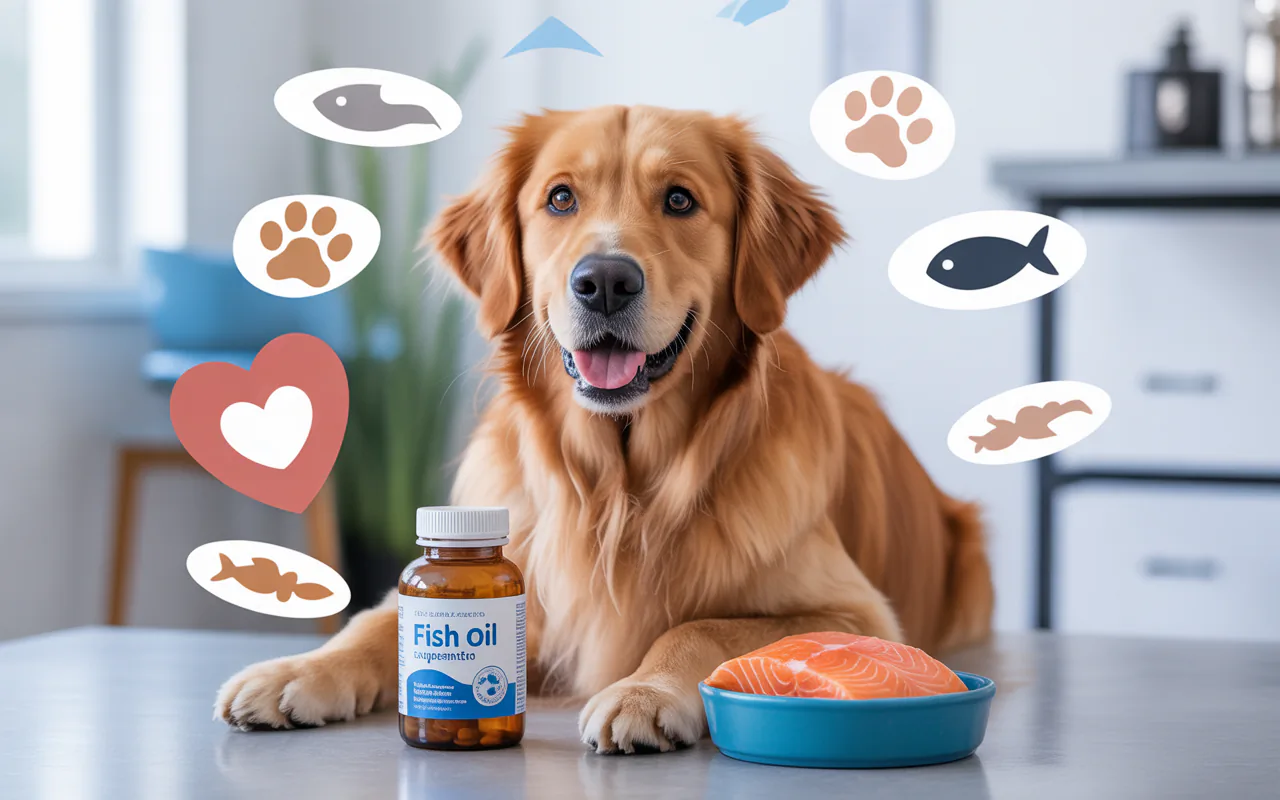
Many pet owners wonder about natural ways to boost their dog’s wellness and specifically ask is fish oil good for dogs. This supplement packed with omega 3 fatty acids can bring noticeable improvements to skin condition, joint comfort, and heart function for many pups when given correctly. It supplies EPA and DHA that fight swelling inside the body and support everyday health needs. Still you need to pick a good product and get advice from your vet to avoid any stomach upset or other issues that sometimes come up with too much or poor quality oil.
You probably want the best for your dog and may have heard friends talk about adding fish oil to their pet’s food bowl every day. People ask is fish oil good for dogs because they see ads and read stories online about shinier coats and happier older dogs that move around more easily. The short answer is that fish oil can help in several important ways but only if you use it right and match it to your dog’s size age and health needs. This article walks through the facts so you feel confident about whether it fits your furry friend. We cover what makes fish oil special how it works inside a dog’s body the real benefits you might notice and the things to watch out for so nothing surprises you later.
Fish oil comes from the fat of fish that live in cold water like salmon mackerel and sardines. These fish store healthy fats called omega 3 fatty acids that dogs cannot make on their own in big enough amounts. The two main ones people talk about are EPA and DHA. They travel through the blood and reach cells all over the body where they calm down swelling and keep things running smoothly. Many dog owners start with fish oil after they notice dry flaky skin or stiff legs in their pet especially during winter months or as the dog gets older. Before you open any bottle though remember that not every fish oil works the same and some cheap ones may have extra stuff your dog does not need.
What Makes Fish Oil Different from Other Supplements
Fish oil stands out because it gives a direct source of those active omega 3 fats instead of something the body has to change first. Plants like flaxseed have a different kind of omega 3 called ALA but dogs turn only a small part of it into the useful EPA and DHA. That is why vets point to fish oil more often when they want quick results for skin or joint support. You add just a little bit to the regular food and over weeks you may see changes without big diet shifts. Of course the oil must come from clean sources so no heavy metals or junk ends up in your dog’s system. Many good brands test each batch and list the exact EPA and DHA amounts right on the label which helps you give the right dose every time.
Main Benefits of Fish Oil for Dogs
People who try fish oil often report that their dogs look and feel better after a month or two of steady use. The omega 3 fats work quietly to lower inflammation which is at the root of many common dog problems. You might notice less scratching less limping and even a brighter attitude because the dog feels more comfortable overall. Studies and vet reports back up these changes and many clinics suggest fish oil as part of a plan for allergies arthritis or heart care. Here is a quick look at some key ways it helps.
| Benefit | How It Helps Dogs |
|---|---|
| Skin and Coat | Cuts down dryness and itch makes fur shine |
| Joint Comfort | Eases stiffness from everyday wear |
| Heart Support | Keeps blood vessels healthy |
| Brain Function | Aids puppies and older dogs with thinking |
| Immune Balance | Helps the body respond to daily challenges |
These benefits add up and many owners say their dogs need less vet visits for minor issues once the supplement becomes part of the routine. Of course results vary by dog but the pattern shows up across different breeds and ages.
How Fish Oil Supports Skin and Coat Health
One of the first things you may see is a change in your dog’s fur and skin. Dry patches and constant scratching can make both of you miserable especially if allergies play a role. Fish oil steps in by calming the skin from the inside so less redness and flaking happen. The coat often grows thicker and picks up a nice gloss that catches the light when your dog runs around the yard. Owners of breeds like golden retrievers or labradors that shed a lot sometimes say they sweep up less hair after a few weeks on fish oil. This happens because the fats help the skin hold moisture better and keep hair roots strong. You still brush and bathe your dog as usual but the supplement gives extra help from within. Many people ask is fish oil good for dogs when summer allergies hit hard and the answer is often yes for those skin symptoms.
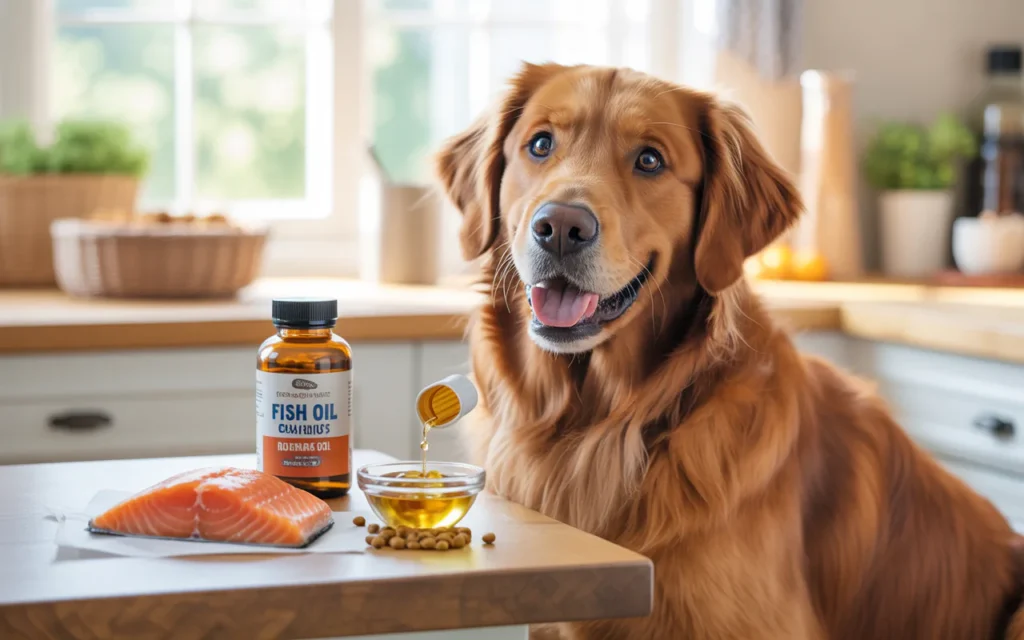
“Fish oil can really make a difference for dogs with skin allergies when used properly,” says veterinarian Dr. Eliza O’Callaghan.
Joint Health and Easier Movement
Older dogs or active ones that jump and play a lot sometimes wake up stiff. Fish oil fights the swelling in joints that causes that discomfort. Over time the dog may climb stairs more smoothly or chase a ball with extra energy. The EPA and DHA slow down the signals that tell the body to swell so everyday wear feels less painful. Vets often pair fish oil with weight management and light walks for best results in dogs with arthritis signs. You will not see overnight miracles but steady use brings small wins that add up to happier days. Puppies that grow fast can also benefit because the fats support bone and joint development during those busy months. If your dog already limps a little you might wonder is fish oil good for dogs in that case and many owners find it worth a try after the vet gives the okay.
“Proper supplementation with fish oil supports joint health and can ease arthritis pain in older dogs,” shares veterinary researcher Dr. Jean Dodds.
Heart and Kidney Support
The heart works hard every second and fish oil helps keep the blood vessels flexible so blood flows easily. This matters more as dogs reach their senior years when heart issues become more common. The same anti swelling action protects the kidneys too which filter waste all day long. Some vets add fish oil to care plans for dogs with mild kidney changes because it may slow down wear on those organs. You probably will not notice big outward signs right away but blood tests at the clinic can show steadier numbers over months. Keeping the heart and kidneys in good shape means your dog stays lively longer and enjoys life without extra medicine.
Brain and Eye Development
Puppies need DHA for their brains and eyes to form correctly during the first year. Fish oil given to mom dogs or to the pups themselves supports sharp learning and good vision. Older dogs may stay mentally quick longer when they get the supplement because the fats protect nerve cells from normal aging. You might see a senior dog remember commands better or play more games that need focus. These brain perks make fish oil a smart choice for families with dogs of any age.
“Always consult your vet before adding fish oil to your dog’s routine to ensure the benefits outweigh any potential risks,” notes Dr. Mike Paul.
Potential Risks and Side Effects to Know
Even though fish oil helps many dogs it is not perfect for every situation. Some pups get loose stools or throw up if the dose starts too high or the oil is low quality. A fishy smell on the breath or coat can appear but it usually fades if you lower the amount a bit. In rare cases high doses slow down blood clotting so wounds take longer to heal or bleeding happens more easily during surgery. Weight gain is possible if you add too many calories without cutting other treats. That is why you start small and watch your dog closely for the first two weeks. If anything seems off you stop and call the vet right away. Most side effects go away fast once you adjust the amount but it pays to stay careful. People still ask is fish oil good for dogs even with these risks and the reply is that it usually is when you follow simple rules.
Here is a short table of common things to watch.
| Side Effect | What It Looks Like | What to Do |
|---|---|---|
| Stomach Upset | Loose stool or vomiting | Lower dose or stop |
| Fishy Smell | Breath or coat odor | Switch brand or amount |
| Oily Skin | Greasy fur or flakes | Reduce amount |
| Slow Healing | Cuts take longer to close | Tell vet before surgery |
These problems stay rare when you buy tested products and give the right amount for your dog’s weight.
How to Choose Quality Fish Oil
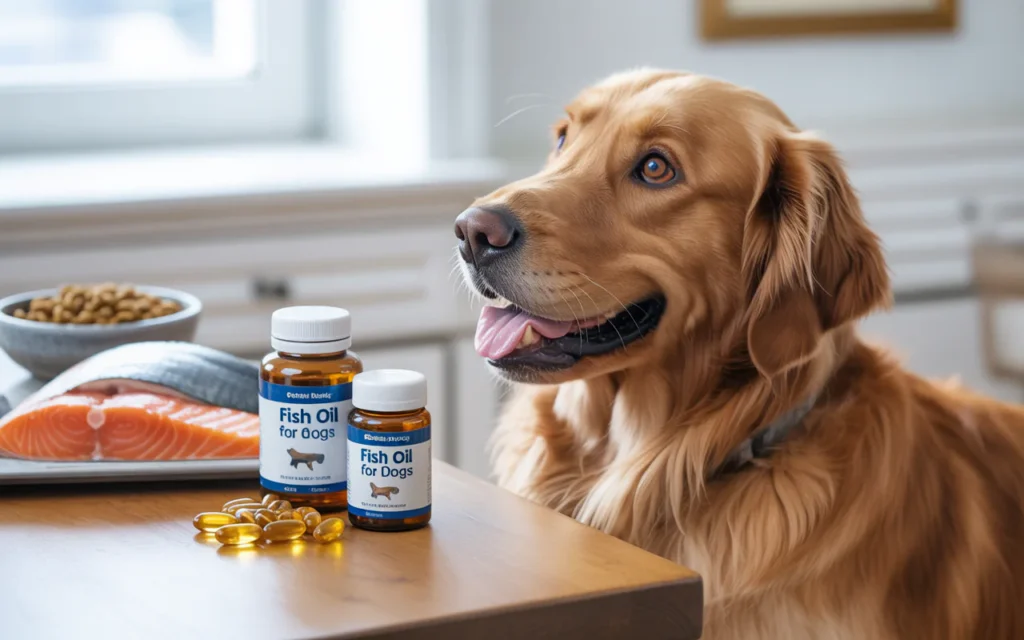
Not all bottles on the shelf work the same. Look for labels that list exact EPA and DHA milligrams instead of just total fish oil. Good brands test for purity and show results from outside labs so you know no mercury or toxins hide inside. Liquid forms or soft chews make dosing easy and many dogs eat them without fuss. Store the bottle in a cool dark place so the oil stays fresh and does not turn bad. Check the expiration date every time you buy and open a new one. If your dog has a fish allergy talk to the vet about other omega sources but most dogs handle fish oil fine.
Dosage Guidelines for Different Dogs
The right amount depends on your dog’s weight and what you want to achieve. A general starting point is around 20 to 55 milligrams of combined EPA and DHA per pound of body weight each day. Vets sometimes suggest higher amounts for joint problems but never jump there without guidance. Start at the low end and increase slowly over a week while you watch for any changes. Here is a simple table to give you an idea.
| Dog Weight (lbs) | Starting Daily EPA + DHA (mg) |
|---|---|
| Under 20 | 200 to 500 |
| 20 to 50 | 500 to 1,200 |
| 50 to 80 | 1,200 to 2,000 |
| Over 80 | 2,000 and up |
These numbers are starting points only. Your vet will fine tune them based on blood work and how your dog responds. Some products come with pumps or measuring spoons that match common dog sizes so you avoid guesswork.
How to Give Fish Oil to Your Dog
Mix the oil or soft chew right into the morning meal so your dog eats it happily. If your dog turns up its nose try a flavored version or hide it in a small piece of plain chicken. Give it with food to protect the stomach and help the fats absorb better. Stay consistent every day because the benefits build over time. Track the dose in a simple notebook so you remember if you changed brands or amounts. Most dogs accept it without drama and some even look forward to their supplement time.
Why You Should Talk to Your Vet First
Your vet knows your dog’s full health picture and can spot reasons why fish oil might not fit right now. Blood tests can show if the dog already has enough omega 3 or if other medicines could interact. Puppies pregnant dogs or those with certain illnesses need special care. The chat takes only a few minutes but it gives you peace of mind that you made the safest choice. Vets see hundreds of dogs and they can share what worked well for similar cases in their practice.
Other Ways to Add Omega 3 Fats
If fish oil does not suit your dog you have options. Some foods like sardines packed in water offer natural omega 3 but watch the salt and bones. Certain dog foods already include fish oil so check the label before you add extra. Algae based supplements give EPA and DHA without fish but they cost more and may need vet approval. No matter the source the goal stays the same which is steady support without overload.
Frequently Asked Questions
Is fish oil good for dogs with allergies? Yes many dogs with itchy skin from allergies get relief after a few weeks because the omega 3 fats calm the overactive response. Combine it with other vet steps like special shampoo or diet changes for full help. Always start low and watch closely.
Can puppies take fish oil? Puppies can benefit especially for brain and eye growth but the dose must stay small and match their fast changing weight. Ask your vet to confirm the amount so nothing interferes with normal development.
Will fish oil make my dog gain weight? It can if the extra calories push the daily total too high. Count it as part of the meal and cut a few treats if you notice the scale moving up. Most dogs stay at their normal weight with a sensible dose.
How long before I see results? Skin and coat changes often show in two to four weeks while joint comfort may take six weeks or more. Keep notes on small improvements so you stay motivated.
Is fish oil good for dogs with heart problems? It can support heart health by keeping vessels flexible but your vet must guide the plan and monitor with tests. Never replace prescribed medicine with a supplement.
What if my dog gets diarrhea? Stop the oil for a few days then restart at half the amount. If it happens again switch brands or talk to the vet about another option.
Can I use human fish oil for my dog? Human versions often have extra flavors or doses that do not match dog needs. Stick to pet labeled products or get vet approval first.
Conclusion
Fish oil offers a simple way to add real support to your dog’s daily life when you choose it with care and match the amount to your pet. The omega 3 fats work in the background to keep skin clear joints loose and the whole body in better balance. You now know the main benefits the possible risks and the smart steps to take before you begin. Many dog owners feel glad they added it after they see their pet enjoy more comfortable days and a brighter coat. Talk with your vet open the right bottle and watch your dog thrive. Your furry friend deserves every chance to feel great and fish oil can be part of that picture when used thoughtfully. Give it a fair try and enjoy the small daily wins that come with better health for the dog you love so much.
Related posts
 Buy Dog Toys Online: Top 2026 Picks for Every Play Style
Looking to buy dog toys online? Explore our 2026 guide to the best durable chews, interactive balls, and plush favorites to keep your pup happy and…
 Buy Dog Food Online: Top 2026 Selections for Every Breed
Looking to buy dog food online? Explore our top 2026 recommendations for dry and wet formulas tailored to different breed sizes, sensitivities, and nutritional needs. Choosing…
 Buy a Dog Harness Online in 2026
Looking to buy a dog harness online? Explore our 2026 guide to finding the right fit, style, and control features for your dog's daily walks. Finding…