
Accessory Care Tools
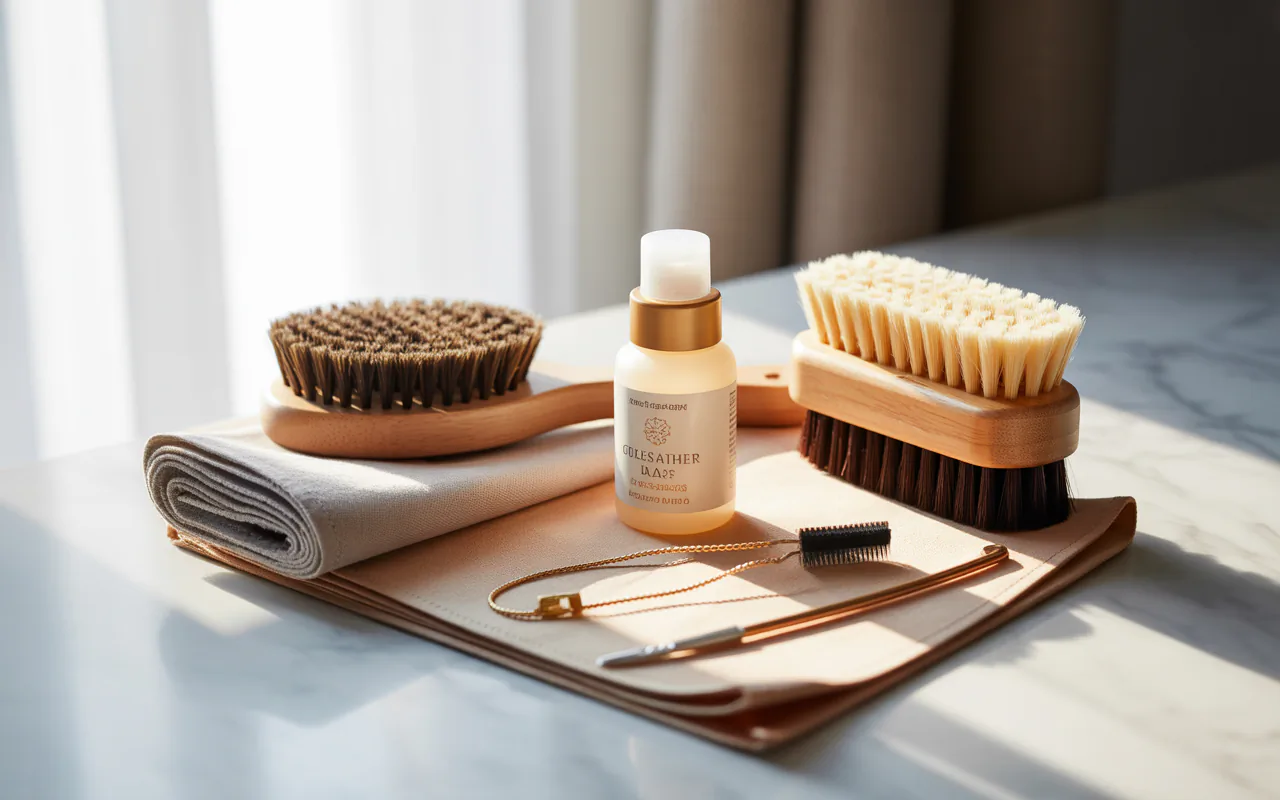
Keeping your accessories in top condition requires the right support, and accessory care tools deliver exactly that. They include items for cleaning and protection that work well for various materials. Explore this guide to learn more about these options and practical ways to incorporate them into your care routine. You will discover options that fit different budgets and needs, along with steps to make the most of them. This information helps you avoid common issues and enjoy your items longer.
People collect all sorts of accessories over time. Some have expensive watches while others own several handbags or pairs of sunglasses. No matter what you have, regular care keeps them looking good. Accessory care tools come in handy for this purpose. They range from soft cloths to special cleaners and brushes. With consistent use, you see less wear and tear on your items. This approach saves money because you replace things less often. Many folks find that a small investment in these tools pays back quickly through better condition of their possessions.
You might wonder why some accessories stay bright and new for years while others fade fast. The difference often comes down to simple habits and the right equipment. Accessory care tools give you what you need to handle dust, scratches, and stains before they settle in. They work for metal pieces, leather goods, fabric items, and more. Anyone can pick up these tools and start right away at home.
What Are Accessory Care Tools?
Accessory care tools are items made specifically to help maintain and protect various accessories. They include cleaning supplies, storage cases, and repair kits. You can find them in stores or online. The goal is to address issues like dirt buildup or material degradation before they become big problems.
These tools vary in design to suit different materials such as metal, leather, fabric, or glass. For example, a soft brush works great on delicate surfaces while a polishing cloth shines metal parts. You do not need to be an expert to start using them. Most come with basic instructions that anyone can follow. Over time, you develop your own methods that fit your collection best.
Many accessory care tools are small and easy to store in a drawer or bag. This makes them convenient for travel or daily use. Some sets come together in a kit so you have everything in one place. Others let you buy pieces separately if you only need one type. The variety means you can build a collection that matches exactly what you own.
Basic Types of Accessory Care Tools
Here is a short table that shows some common examples and how they help.
| Tool Type | Main Function | Example Use |
|---|---|---|
| Soft brush | Removes loose dust | Jewelry and watch faces |
| Microfiber cloth | Polishes and wipes surfaces | Sunglasses and metal items |
| Storage pouch | Protects from scratches | Handbags and scarves |
| Cleaning solution | Breaks down stains | Leather bags and shoes |
This table gives you a quick look at what to expect when you shop for accessory care tools. Each one serves a clear purpose and fits into a short routine.
Why You Need Accessory Care Tools
Accessory care tools matter because they extend the life of items you use every day. Dirt and oils from your hands or the air can build up fast. Without care, small problems turn into permanent damage. These tools let you step in early and keep things fresh.
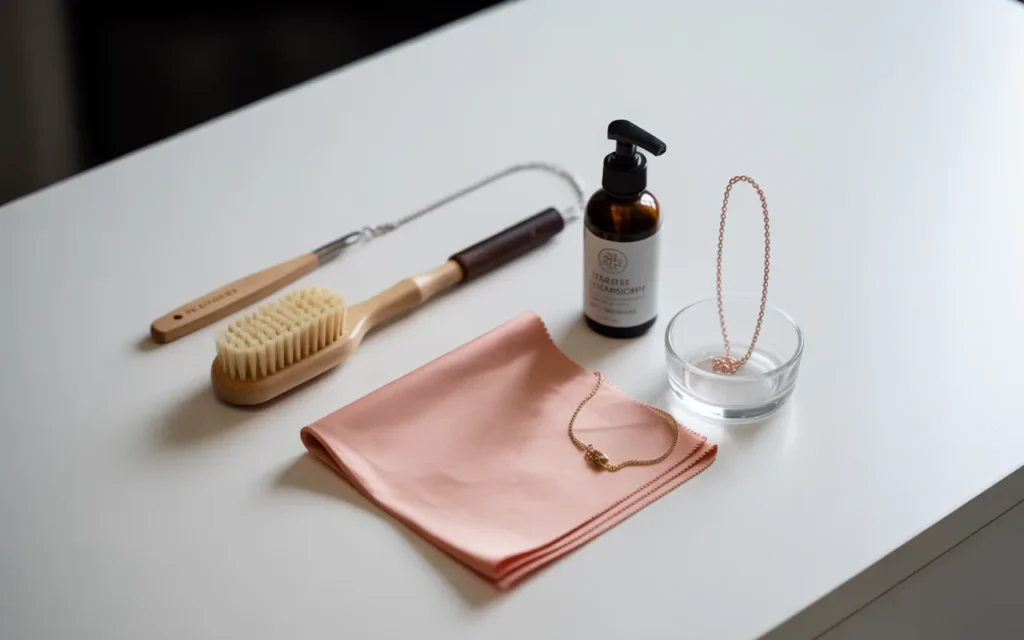
You save time and effort too. A quick wipe with the right cloth prevents the need for deep cleaning later. Many people notice their accessories feel and look better after just a few weeks of regular attention. This leads to more confidence when you wear or carry them out.
“As Sarah Johnson, a fashion care specialist, once said, ‘Regular care with the right tools is essential for longevity.'”
The benefits add up over months and years. Your favorite pieces stay ready for any occasion instead of sitting in a closet because they look worn. Friends often ask how you keep things so nice, and you can share the simple secret of good accessory care tools.
Key Benefits of Using Accessory Care Tools
One clear benefit is protection against everyday wear. Another is cost savings since items last longer. A third is the peace of mind that comes from knowing your accessories are well looked after. These points make accessory care tools a smart part of any routine.
How to Choose Accessory Care Tools
Choosing accessory care tools starts with looking at what you own most. If leather bags are your main items, focus on cleaners made for that material. For jewelry, pick gentle brushes and cloths that will not scratch soft stones. Always check the label for the materials it works on best.
Think about your space and how often you plan to use the tools. Compact kits work well if you travel a lot. Larger sets suit home storage if you have a dedicated spot. Read reviews from other users who have similar accessories to see real results.
Price is another factor but not the only one to consider. A mid-range option often lasts longer than the cheapest version. Test a small item first if you can to see if it feels right in your hands. Good fit and ease of use make the whole process smoother.
“Michael Lee, a product maintenance expert, notes, ‘Consistency in maintenance pays off in the long term.'”
Take time to match the tool to the job. This step ensures you get value from every purchase and avoid wasting money on items that sit unused.
Using Accessory Care Tools Step by Step
Accessory care tools work best when you follow a steady order. Start with a quick dust off using a soft brush. Next, apply any cleaner if needed and wipe gently with a cloth. Finish by letting the item air dry in a safe spot away from direct sun.
For daily items like watches or keys, a two-minute routine each week keeps them bright. Set a reminder on your phone so it becomes a habit. Store the tools near where you keep your accessories to make the process quick.
For Jewelry
Jewelry needs extra care because chains tangle and stones collect dust. Use a dedicated brush to reach small areas. Dip the cloth in mild solution only when necessary and always test on a small spot first. This keeps metals shiny and prevents dull spots.
For Bags
Bags collect marks from handles and bottoms. Wipe the exterior with a damp cloth made for the material. Stuff the inside with paper to hold shape while it dries. Accessory care tools for bags often include conditioners that keep leather soft and prevent cracking.
Common Mistakes to Avoid
One mistake is using the wrong tool for the material. Another is skipping the test spot before full cleaning. People sometimes store accessories without protection, which leads to scratches. Always check the tool instructions first.
Rushing the process causes more harm than good. Take your time and work in good light so you see every detail. Avoid harsh chemicals that the label does not recommend. These small changes help you get better results every time you use accessory care tools.
Recommended Accessory Care Tools
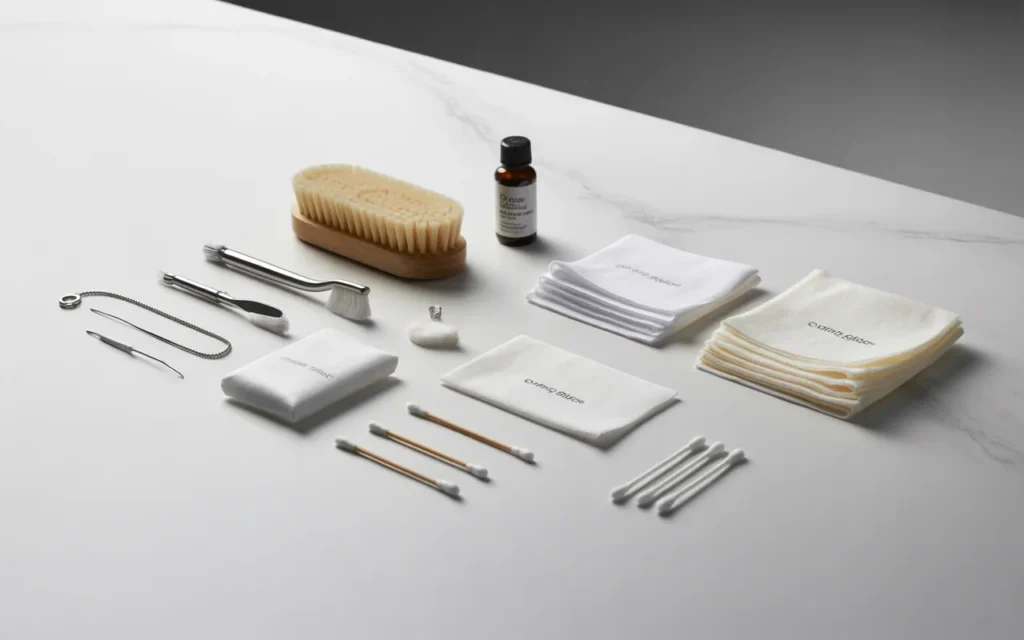
Several solid options stand out for most users. A basic kit with brush, cloth, and pouch covers many needs. Look for sets that include multiple sizes of brushes for different jobs. Brands that offer refills make it easy to keep going without buying a whole new set.
Here is a short table of recommended accessory care tools that many people find useful.
| Product Example | Key Feature | Best For |
|---|---|---|
| Gentle Brush Set | Multiple head sizes | Jewelry and small items |
| Leather Conditioner | Restores softness | Bags and shoes |
| Anti-Scratch Pouch | Soft interior lining | Watches and sunglasses |
| Polishing Kit | Includes solution and cloth | Metal accessories |
These picks give you a strong start. You can add more as your collection grows.
Caring for Specific Accessories
Different accessories need their own approach with accessory care tools. Watches benefit from regular wiping to remove fingerprints. Handbags need conditioning to stay supple. Sunglasses require special cloths to protect the lenses from streaks.
Scarves and ties do well with gentle folding and storage pouches. Shoes last longer when you use brushes to remove dirt before it sets. Each type has a short routine that fits into your week. Over time these habits become second nature.
You might own a mix of items from different materials. Accessory care tools let you handle everything with the same confidence. Start with the most used pieces and work your way through the rest. This way you see progress fast and stay motivated.
Tips for Maintaining Your Accessory Care Tools
Keep your accessory care tools clean and ready by washing cloths after each use. Store brushes upright so bristles stay straight. Check storage pouches for any tears and replace them when needed. A quick monthly review keeps everything working well.
Label your tools if you have several similar ones. This saves time when you reach for the right item. Keep solutions in a cool dry place to maintain their strength. Small steps like these make your whole care routine more reliable.
“Emma Thompson, a lifestyle blogger, shares, ‘Simple daily habits with good tools create lasting results.'”
Frequently Asked Questions
How often should I use accessory care tools? Most people see good results with a quick session once a week for daily items and once a month for pieces worn less often. Adjust based on how much you use each accessory.
Can accessory care tools work on all materials? Many tools are made for specific surfaces. Always match the tool to the material to avoid damage. Check labels for guidance.
Where is the best place to buy accessory care tools? Local stores and trusted online shops both carry quality options. Read customer feedback to find reliable sellers.
Do I need a full kit or can I start small? Start with one or two basic tools that match your most used accessories. Add more as you need them.
Are accessory care tools safe for sensitive skin? Choose products labeled as gentle and free of strong chemicals if you handle items often with your hands.
How long do accessory care tools last? With proper cleaning and storage, most last for one to two years of regular use.
Conclusion
Accessory care tools give you practical ways to keep your items in great shape for years. The steps are simple, the tools are easy to find, and the results show up quickly. You gain confidence knowing your accessories stay ready for any moment.
Take a look at what you own today and pick one or two accessory care tools to try first. Build from there and enjoy the difference it makes. Your collection will thank you with longer life and better appearance. Share these ideas with friends who love their accessories too. Small changes like these create big improvements over time. Thank you for reading and happy caring.
Related posts
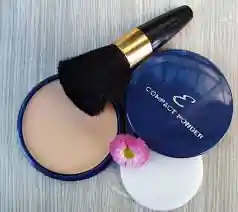 Best Compact Powder for Women: 2026 Buyer Guide
Finding the best compact powder for women in 2026. We compare top-rated matte, mineral, and lightweight pressed powders to help you choose the right finish. Finding…
 Best Casual Wear for Women: 2026 Style and Comfort Essentials
Discover the best casual wear for women in 2026. We compare top-rated trousers and versatile tops to help you build a comfortable, stylish everyday wardrobe. Finding…
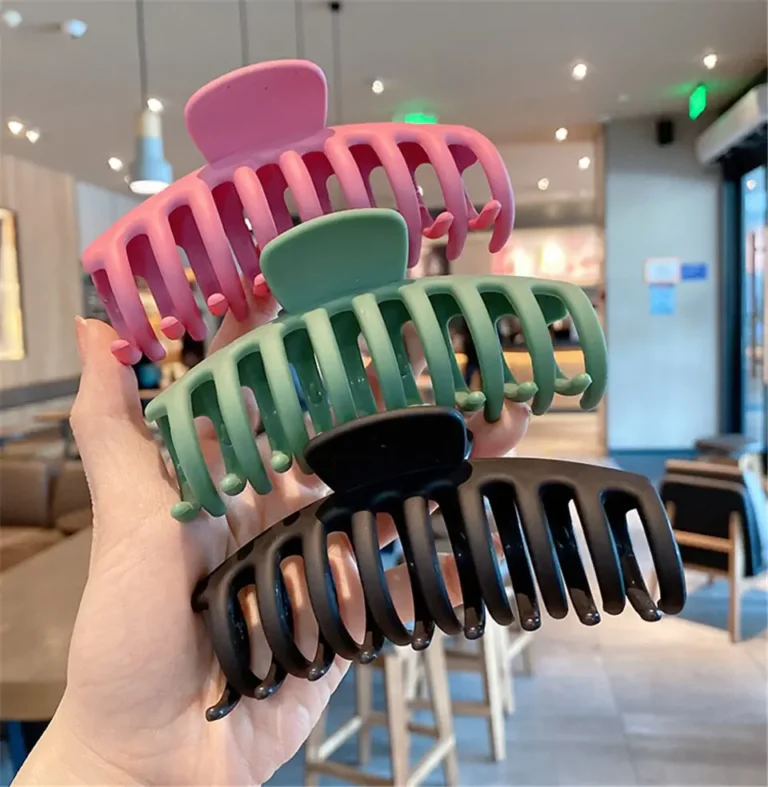 Best Claw Clips for Thick Hair in 2026
Finding the best claw clips for thick hair requires a balance of grip and size. Explore our top 2026 recommendations for secure, stylish, and reliable styling.…