
Should I Switch Dog Food Suddenly
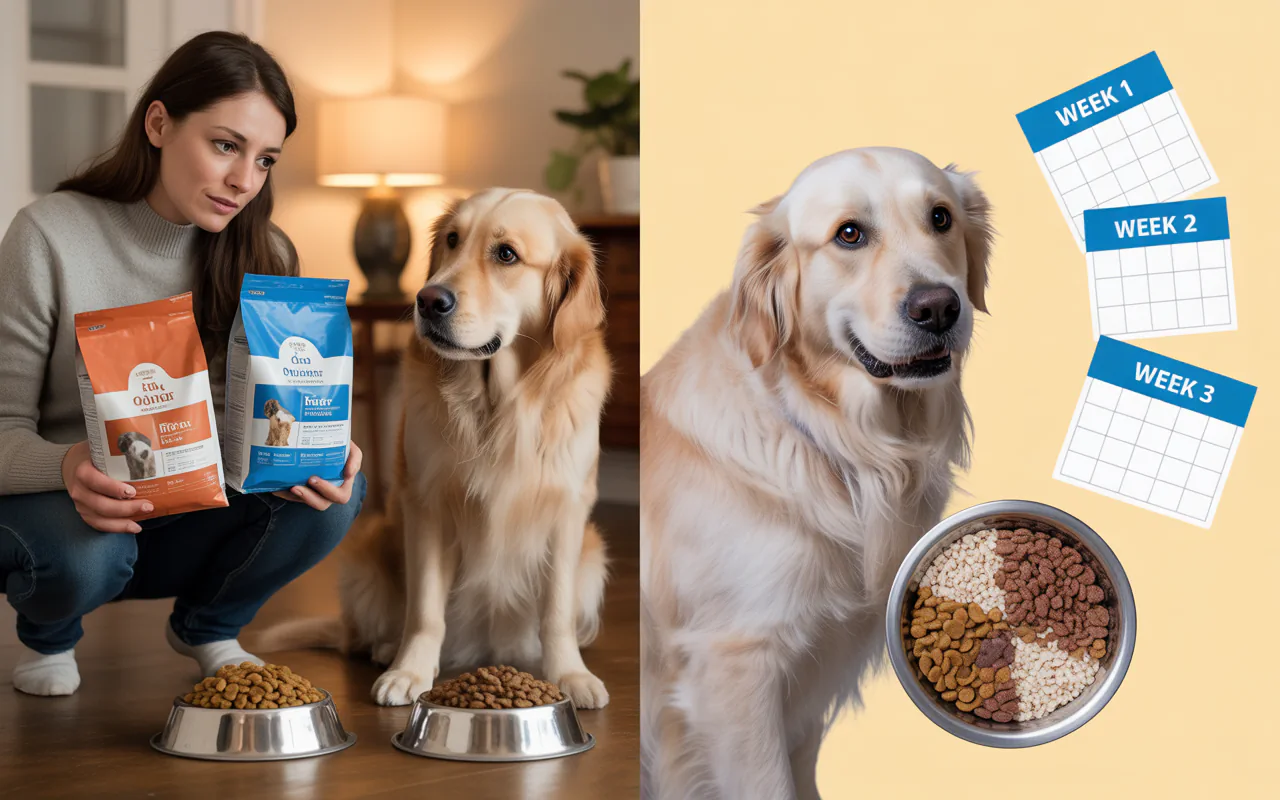
Many dog owners wonder should i switch dog food suddenly when their pet seems unhappy with the current diet. Experts say no, because it can lead to upset stomach, diarrhea, and other issues. Instead, mix the new and old food gradually over 7 to 10 days for a smooth change. Always check with your vet to keep your dog healthy and comfortable during the switch. This simple step can make all the difference in how your dog feels after the food change and help avoid unnecessary vet visits for stomach troubles. Your dog counts on you to make good choices about food, and a careful plan shows you care about their well-being every single day.
You probably picked up a new bag of dog food because you want the best for your furry friend. Maybe the old brand went out of stock or your vet suggested something fresh for better nutrition. Dogs become part of the family fast, and we all want them to stay strong and full of energy. Yet many folks face the same worry about food changes. If you ever thought about should i switch dog food suddenly, you are not alone in that thought. A quick change might seem easy at first glance, but it can bring real trouble for your dog. Their stomach and gut need time to get used to new ingredients and textures. Jumping straight from one food to another often leads to loose stools or even vomiting that lasts for days. You want your dog to enjoy meals without any pain or mess, so taking things slow makes sense for everyone involved.
Dogs eat the same food day after day, and their bodies build a system around it. The good bacteria in their gut help break down the kibble or wet food they know so well. When you switch suddenly, those bacteria get surprised and cannot keep up right away. This leads to extra gas, soft poop, or your dog turning away from the bowl completely. No one likes to see their pet feel bad, especially when it comes from something we chose for them. That is why you hear stories from other dog owners who tried a fast switch and ended up cleaning up accidents for a week. Your dog might act normal at first, but inside things are shifting too fast. A steady change gives the gut time to adjust and keeps your dog happy at mealtime.
Why Sudden Food Changes Bring Trouble for Dogs
Many people ask should i switch dog food suddenly after they notice their dog scratching more or losing a bit of weight on the old brand. The answer stays the same no matter the reason. Sudden changes hit the digestive system hard because dogs process food in a specific way. Their stomach acids and enzymes work best with familiar ingredients. New proteins or grains can confuse that balance and cause inflammation or loose stools that last several days. You might think your dog will bounce back fast, but some pets take longer to settle down. Small breeds feel the effects even more because their bodies are tiny and their systems sensitive. Large dogs might handle it slightly better, yet they still show signs like extra gas or less energy during playtime.
The trouble goes beyond a messy floor. Your dog could lose important nutrients while their body fights to adapt. Appetite drops, and they miss out on calories they need to stay active. Puppies and older dogs face higher risks because their systems already work harder or slower. You care about your dog and want them to thrive, so learning the risks helps you make better choices. Vets see these cases often and always suggest patience. A gradual mix lets the gut bacteria grow stronger with the new food bit by bit. Your dog stays comfortable, eats well, and keeps a shiny coat and strong muscles.
Dr. Emily Carter, DVM, explains it well. “A sudden switch in dog food can throw off your pet’s gut balance and lead to several days of discomfort.” Her words match what countless dog owners experience when they rush the change. You can avoid that discomfort with a simple plan that takes just a little extra time each day.
Common Signs Your Dog Needs a Food Switch or Shows Stress from One
Sometimes you see clues that the current food no longer works well for your dog. Itchy skin, dull coat, or frequent ear infections might point to a need for fresh ingredients. Yet before you act fast, remember the question should i switch dog food suddenly often comes up at this point. Instead of rushing, watch closely for a few days and talk to your vet. The right signs help you decide on a new food without causing new problems along the way.
Here is a short table that shows typical signs dogs give when they need a food change or react badly to a sudden one.
| Symptom | What It Means for Your Dog |
|---|---|
| Loose stools or diarrhea | Gut bacteria struggle with new ingredients |
| Vomiting after meals | Stomach cannot handle the quick shift |
| Excessive gas | Digestion works overtime on unfamiliar food |
| Loss of appetite | Dog feels uncomfortable and skips meals |
| Itchy skin or hot spots | Possible allergy to old or new food |
| Low energy | Body uses extra effort to process change |
Should I Switch Dog Food Suddenly. These signs tell you something needs attention. You want your dog to feel great, so you pay close attention and act with care. A table like this helps you track what you see each day and share details with your vet. Clear notes make the visit more useful and help your dog get back on track faster.
The Safe Way to Change Your Dog’s Food Step by Step
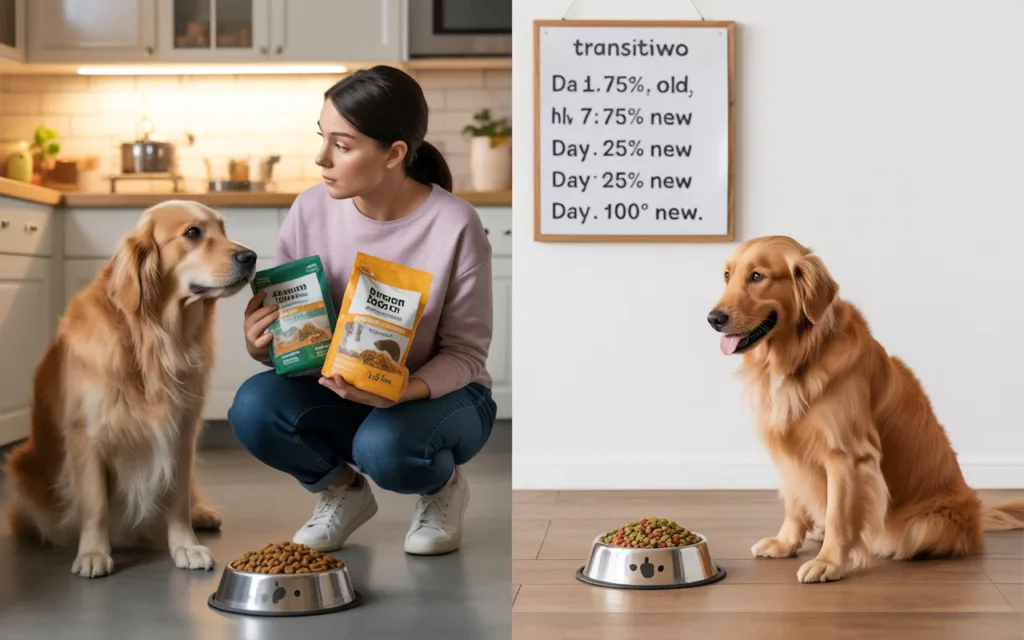
You know the risks now, so the next step feels clear. Never rush the process when you wonder should i switch dog food suddenly. A slow mix over seven to ten days works best for most dogs. Start with mostly the old food and add a small amount of the new one. Each day you increase the new food a little more until your dog eats only the fresh bag. This plan gives the gut time to welcome the change and keeps meals tasty and easy to digest.
Your dog will thank you with steady energy and normal bathroom habits. You mix the foods in the bowl each time so the taste stays familiar at first. Some owners add a spoonful of plain yogurt or pumpkin to help the gut even more, but always check with your vet first. The whole process feels simple once you get the hang of it. You measure portions carefully and watch how your dog responds after every meal. Small adjustments keep everything on track and prevent any surprise issues.
Here is a helpful table that shows a typical seven-day transition plan many vets recommend.
| Day Range | Old Food Amount | New Food Amount |
|---|---|---|
| Days 1 and 2 | 75 percent | 25 percent |
| Days 3 and 4 | 50 percent | 50 percent |
| Days 5 and 6 | 25 percent | 75 percent |
| Day 7 and after | 0 percent | 100 percent |
You follow this schedule and your dog adjusts without trouble. For sensitive dogs you stretch the plan to ten days or even two weeks. The extra time makes a big difference and shows you put thought into their comfort.
Certified canine nutritionist David Brooks shares good advice here. “Patience during the food change pays off with a happier and healthier dog in the long run.” His words remind us that a little waiting brings big rewards for your pet’s daily life.
Special Cases Where You Might Need Extra Care During a Switch
Puppies grow fast and need steady nutrition, so their food changes deserve extra attention. You might wonder should i switch dog food suddenly for a growing pup who finishes one bag quickly. The answer stays no because their small bodies adjust even slower than adult dogs. Senior dogs have slower digestion and often deal with joint issues or weaker immune systems. A fast switch could leave them tired or with loose stools that drain their strength further.
Dogs with known allergies or sensitive stomachs need the slowest plan possible. You start with tiny amounts of the new food and watch every reaction closely. Some owners add probiotic supplements after they talk to their vet. The goal stays the same for every dog: keep them comfortable and healthy through the change. Breeds like French Bulldogs or German Shepherds often show stronger reactions, so you stay extra alert with them.
Vet tech specialist Rachel Nguyen offers clear guidance. “Always monitor your dog closely when introducing new food and adjust the pace if needed.” Her tip helps you stay flexible and respond to what your dog shows you each day.
Factors That Matter Before You Pick a New Food
Should I Switch Dog Food Suddenly? Age plays a big role in how you handle any food switch. Puppies need higher protein for growth while seniors benefit from joint support and easier digestion. You look at your dog’s current weight and activity level too. A couch potato needs different calories than an active hiking buddy. Health conditions like kidney problems or diabetes mean you talk to your vet before any change at all.
Breed size matters as well. Small dogs eat less volume but digest food faster in some cases. Large breeds need more time because their systems process bigger meals. You read the new food label carefully and compare ingredients to the old one. Look for real meat as the first item and avoid fillers that might upset the stomach.
How to Choose the Right New Dog Food for Your Pet
Should I Switch Dog Food Suddenly? You want quality without guesswork. Check for AAFCO statements on the bag that say the food meets complete nutrition standards. Talk to your vet about specific needs like grain-free options or limited-ingredient formulas. Some dogs do better with wet food mixed in for extra moisture. You consider cost too because the best plan works for your budget month after month.
Reading reviews from other owners with similar dogs gives you extra confidence. You pick a food that matches your dog’s life stage and watch how they respond during the transition. The right choice leads to brighter eyes, softer coat, and steady energy all day long.
Common Mistakes Dog Owners Make When Changing Food
Many folks think a small amount of new food mixed in once will not matter much. Yet even that can start mild stomach upset if done without a full plan. Others switch brands because of a sale and forget to check ingredients first. You avoid those traps by planning ahead and measuring each meal carefully. Some owners ignore early signs of discomfort and keep pushing the new food anyway.
You stay patient and give the transition time to work. Your dog depends on you to notice small changes and act on them. A little planning now prevents bigger problems later.
Frequently Asked Questions About Dog Food Changes
How long does it take for a dog to adjust to new food? Most dogs settle in after seven to ten days of gradual mixing. Sensitive pets might need two full weeks. You watch their poop and energy levels to know when they feel good again.
Can I mix wet and dry food during the switch? Yes, you can blend them as long as you follow the same gradual percentages. The extra moisture often helps digestion and makes the new taste more appealing.
What if my dog refuses the new food completely? Try warming the mixture slightly or adding a tiny bit of low-sodium broth. If that fails, go back to mostly old food for a day and slow the plan down further.
Should i switch dog food suddenly for a food recall emergency? Even then you try to find a close match and mix slowly if possible. A true emergency calls for vet guidance to minimize stomach upset while keeping your dog safe.
Do all dogs need the same transition time? No, puppies, seniors, and dogs with health issues often need longer schedules. Your vet helps you set the right pace for your specific pet.
Is it okay to switch flavors within the same brand quickly? Even same-brand flavor changes can upset some dogs. You still use the gradual mix to keep things smooth and comfortable.
Conclusion
You now know the full picture around should i switch dog food suddenly and why patience brings better results. Your dog gives you so much joy every day, and careful food choices return that love with steady health and happiness. A simple seven-day mix plan costs almost nothing extra yet saves weeks of discomfort and vet trips. You measure portions, watch reactions, and adjust as needed because you care deeply about your pet.
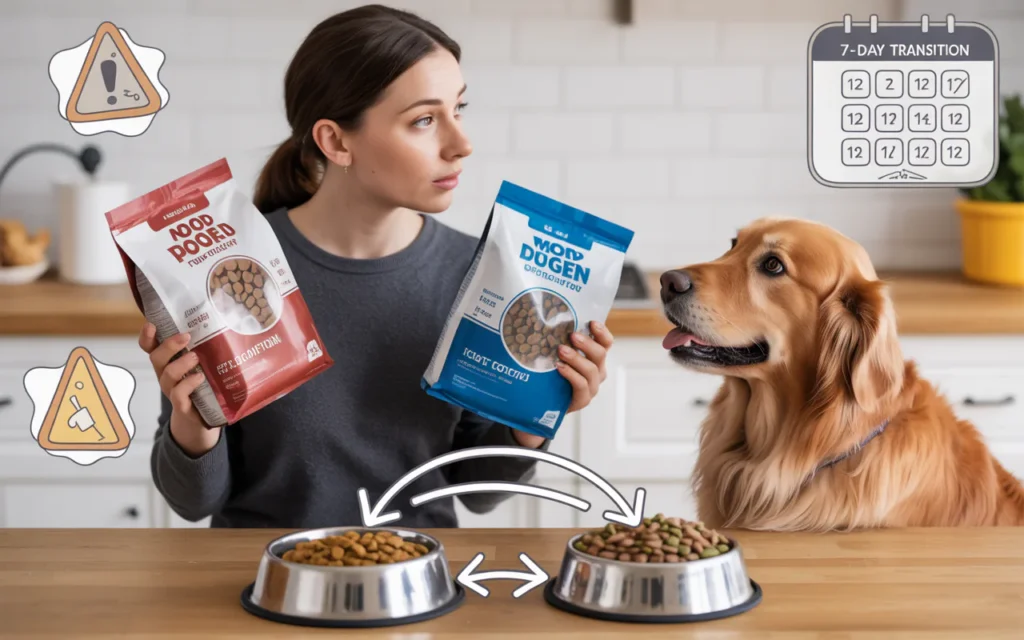
The right approach keeps your dog’s gut happy, coat shiny, and energy high for years to come. You feel good knowing you made smart decisions based on solid facts instead of rushing into something that could cause problems. Talk to your vet anytime you feel unsure, and keep notes on what works for your unique dog. Small steps like this build a lifetime of good health and strong bonds between you and your four-legged friend.
Your next bag of food becomes an easy change when you follow these clear steps. You avoid the mess and worry that comes with fast switches and enjoy mealtimes that stay peaceful and fun. Dogs live shorter lives than we do, so every day of comfort counts. You give your pet the gift of smooth transitions and show them they matter every single time you fill their bowl.
Take a moment today to check your current food supply and plan the next switch with care. Your dog will notice the difference in how they feel, and you will smile knowing you did the right thing. Healthy dogs play harder, cuddle longer, and fill your home with even more love. That is the real reward of thoughtful food choices and steady care.
Related posts
 Buy Dog Toys Online: Top 2026 Picks for Every Play Style
Looking to buy dog toys online? Explore our 2026 guide to the best durable chews, interactive balls, and plush favorites to keep your pup happy and…
 Buy Dog Food Online: Top 2026 Selections for Every Breed
Looking to buy dog food online? Explore our top 2026 recommendations for dry and wet formulas tailored to different breed sizes, sensitivities, and nutritional needs. Choosing…
 Buy a Dog Harness Online in 2026
Looking to buy a dog harness online? Explore our 2026 guide to finding the right fit, style, and control features for your dog's daily walks. Finding…