
Should Cats Be Vaccinated Yearly
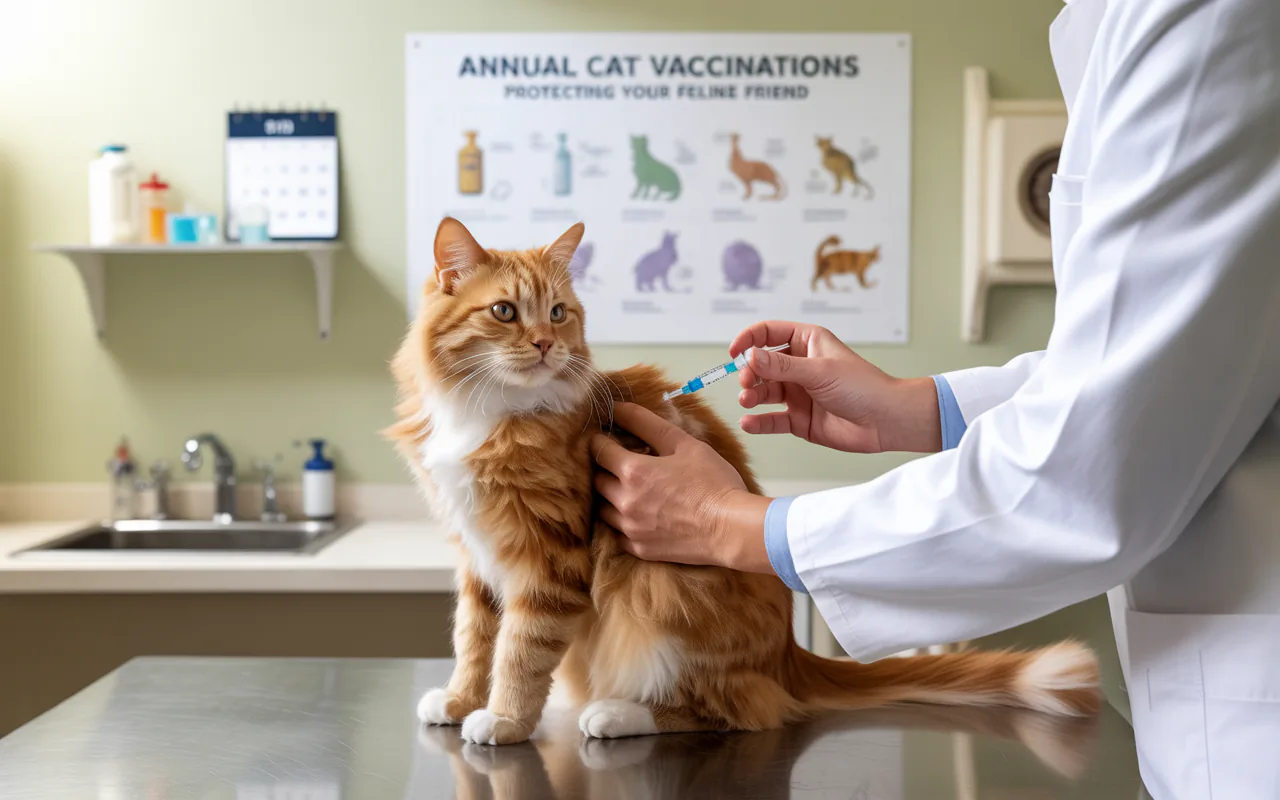
Many pet owners ask whether their cats need shots on a fixed schedule, but should cats be vaccinated yearly depends on individual factors such as age, lifestyle, and health risks rather than a one-size-fits-all rule. Core vaccines often last three years for low-risk adult cats, while rabies and certain non-core options may require more frequent boosters. Work with your veterinarian to create a personalized plan that protects your feline companion effectively without unnecessary vaccinations.
Cats face many health threats from viruses and bacteria that spread easily in homes or outdoors. Vaccines help the body build defenses against these threats before they cause harm. When you bring a new kitten home or care for an adult cat you want to make sure it stays strong and happy for years. Vaccinations form one big part of that plan. They work by teaching the immune system to recognize and fight specific germs. This means your cat has a better chance of staying well even if it meets those germs later.
Many people assume all cats need the same shots at the same times. Yet each cat lives a unique life. Some stay inside all day while others explore yards or meet other animals. These differences matter when you decide on a schedule. A good vet looks at the whole picture before suggesting what comes next. That way you give protection where it counts most without doing too much. Over time this smart method has changed how we think about pet care. It focuses on real needs instead of old habits.
should cats be vaccinated yearly remains a hot topic because past practices often called for annual boosters across the board. Today we know better thanks to studies on how long immunity lasts. For many cats a three year gap works fine for certain core shots. Still some situations call for more frequent care. The key is to talk openly with your vet each year. These visits let you update the plan based on any changes in your cat’s world.
Core Vaccines That Most Cats Should Receive
Every cat benefits from a set of basic vaccines known as core vaccines. These guard against diseases that spread fast and can cause big problems. The main ones include protection for feline panleukopenia virus feline herpesvirus type one and feline calicivirus. Vets often combine these into one shot called FVRCP. Another core vaccine covers rabies which is required by law in many places because it affects both cats and people.
These shots start early in a kitten’s life. The series usually begins around six to eight weeks of age and repeats every three to four weeks until the kitten reaches sixteen weeks. After that a booster comes about one year later. For low risk adult cats the next doses happen every three years. This schedule gives solid coverage without constant visits for shots.
Rabies vaccines follow a similar pattern. Kittens get their first dose at twelve to sixteen weeks. A booster follows one year later and then boosters come every one to three years depending on the vaccine type and local rules. Even indoor cats need this one because rabies can reach them through unexpected contact with wildlife.
Non Core Vaccines and When They Make Sense
Not every vaccine fits every cat. Non core options target risks that depend on lifestyle. Feline leukemia virus vaccine stands out here. It is often core for kittens under one year old because young cats face higher chances of infection. After that it becomes optional and only for cats that go outside or live with unknown cats.
Other non core shots cover things like chlamydia felis or bordetella bronchiseptica. These matter more in multi cat homes or boarding situations where germs spread quickly. Your vet will ask about your cat’s daily routine before recommending any of these. The goal stays the same. Match the vaccine to the actual danger your cat faces each day.
| Vaccine Type | Core or Non Core | Typical Schedule for Low Risk Cats | Notes |
|---|---|---|---|
| FVRCP | Core | Every 3 years after initial series | Protects against major respiratory and gut viruses |
| Rabies | Core | Every 1 to 3 years | Required by law in most areas |
| Feline Leukemia | Non Core for adults | Yearly if high risk only | Best for outdoor or multi cat homes |
| Chlamydia | Non Core | As needed based on exposure | Useful in crowded cat groups |
This table shows how the choices break down. It helps you see at a glance what fits your cat best.
Kitten Vaccination Schedules Versus Adult Plans
Kittens need more frequent shots because their immune systems are still growing. The early series builds strong protection step by step. Once they reach adulthood the focus shifts to maintenance. Adult cats with stable indoor lives often move to longer gaps between boosters. This change reflects how their bodies hold onto immunity longer after the first few doses.
If your cat is over one year old and has completed its kitten shots you might wonder about the next steps. A vet visit each year still makes sense even if no vaccine goes in that day. The exam catches other health issues early and lets you adjust the plan if your cat starts going outdoors more or meets new pets.
should cats be vaccinated yearly depends a lot on this life stage shift. For many adults the answer leans toward no for every single vaccine but yes for regular check ups. This balanced view keeps costs down and reduces any small risks tied to too many injections.
How Lifestyle Affects Vaccination Needs
Your cat’s daily habits shape its vaccine plan more than anything else. Indoor only cats face lower chances of picking up certain viruses from stray animals or shared spaces. Outdoor cats or those that visit parks or friends’ homes run higher risks and may need extra shots or more frequent ones.
Travel plays a part too. If you take your cat on trips or move to new areas talk to your vet about local disease patterns. Some regions have higher rates of certain illnesses so the schedule might tighten up for safety.
Even age matters. Senior cats over ten years old may need tweaks because their immune response can slow down. A vet might suggest titer tests which check antibody levels in blood to see if a booster is truly needed yet.
| Lifestyle Factor | Recommended Frequency | Example Cats |
|---|---|---|
| Indoor only low contact | Every 3 years for core | Apartment cats with no other pets |
| Indoor with other cats | Check yearly may add non core | Multi cat households |
| Outdoor access | Yearly for some non core | Cats that hunt or roam |
| Boarding or shows | More frequent as needed | Cats in group settings |
Use this table to match your cat’s world to a practical plan. It gives a clear picture without guesswork.
The Question of Yearly Shots for All Cats
Many owners still hear old advice that called for shots every twelve months. should cats be vaccinated yearly was once the standard answer but science has moved forward. Studies show that immunity from core vaccines lasts longer than we thought in most healthy cats. Giving shots too often does not make protection stronger and can add unnecessary stress.
Yet some cats do benefit from yearly care. High risk felines like those in shelters or outdoor groups may need more frequent boosters for certain non core vaccines. The decision always comes back to that yearly chat with your vet. Together you review the cat’s current situation and pick what fits best right now.
should cats be vaccinated yearly also ties into public health. Rabies shots protect not just your cat but your family and neighbors too. In areas where rabies is common yearly boosters might stay part of the routine to meet legal needs.
Benefits and Possible Downsides of Vaccines
Vaccines save lives by stopping outbreaks before they start. A vaccinated cat is less likely to suffer from painful respiratory infections or life threatening gut diseases. This means fewer vet emergencies and happier days at home. Owners often notice their cats stay more active and eat better when protected.
On the other side every medical step carries some chance of reaction. Most are mild like a small bump at the shot site or brief tiredness. Serious issues stay very rare but vets watch for them and report any patterns. Modern vaccines use better formulas that lower these chances even more.
The overall picture shows clear gains. Healthy cats enjoy longer lives and stronger bonds with their families. When you weigh the small risks against the big protections the choice becomes easier for most owners.
What Veterinary Experts Say on the Topic
Dr. Margaret Scherk a respected feline specialist once noted “As part of a routine wellness program the vaccination needs of all cats should be assessed annually in conjunction with a comprehensive physical examination.” Her words highlight how yearly visits matter even more than yearly shots.
Another expert Dr. Richard Ford from the American Animal Hospital Association shared “The guidelines stress the need for an expanded understanding by veterinary professionals of individualized feline risk factors.” This reminds us that one size does not fit all when it comes to cat care.
A leading voice from the Cornell Feline Health Center added “For the average cat the benefits of an appropriate vaccination program far outweigh the potential risks associated with vaccination.” These insights from trusted professionals guide many owners toward smarter choices.
Common Myths About Cat Vaccines
Some people believe all cats must get shots every year no matter what. That idea comes from older practices but current data shows it is not always true. Others worry that skipping a yearly shot leaves cats wide open to every illness. In reality core protection lasts longer for most pets.
Another myth claims indoor cats need nothing at all. While their risks drop they still benefit from basic vaccines and rabies protection. Talking through these ideas with your vet clears up confusion and builds confidence in the plan you choose.
Tips for Talking to Your Vet About Your Cat’s Plan
Bring a list of your cat’s habits when you visit. Mention if it goes outside how many other pets share the home and any recent changes. Ask about titer testing if you want to check immunity levels before another shot. Most vets welcome these talks because they want the best outcome too.
Keep records of past vaccines handy. This helps the vet see the full history and avoid repeats that are not needed. Many clinics now offer digital reminders so you stay on track without worry.
should cats be vaccinated yearly becomes easier to answer when you have all the facts in front of you and a vet who listens.
How to Spot Vaccine Reactions and What to Do
Watch your cat for the first day or two after any shot. Mild swelling or lower energy is normal and passes quickly. Call the vet right away if you see vomiting hives or trouble breathing. Quick action keeps any issue small.
Vets track these events to improve future formulas. Reporting helps the whole cat community stay safer over time.
Keeping Up With Changing Guidelines
Veterinary groups review vaccine advice regularly as new research comes in. What worked ten years ago may shift slightly today. Stay in touch with your clinic for the latest updates. They often share simple newsletters or post info on their sites.
This ongoing learning makes sure your cat gets care based on the best science available now.
should cats be vaccinated yearly fits into this bigger picture of staying current and caring for each detail.
More on Disease Prevention Beyond Shots
Vaccines work best alongside other habits. Good nutrition clean water and regular play keep the immune system strong. Indoor safety reduces germ contact. Parasite control adds another layer of defense. When all pieces come together your cat gains the fullest protection possible.
FAQ
What does the current research say about should cats be vaccinated yearly? Research from major veterinary groups shows that core vaccines do not need to be given every year for most adult cats. A three year interval often provides enough protection after the kitten series and one year booster. Your vet will look at your cat’s specific risks to decide the right timing.
Are there any cats that still need shots every year? Yes some do. Outdoor cats or those in high contact situations may benefit from yearly non core vaccines like feline leukemia protection. Rabies boosters might also follow a one year schedule in certain areas due to laws.
How do I know if my indoor cat needs any vaccines after the first year? Even indoor cats need core vaccines on a three year schedule plus rabies as required. Annual vet exams make sure nothing changes in their risk level over time.
What if my cat had a mild reaction to a past shot? Tell your vet about it before the next visit. They can choose a different vaccine type or monitor more closely. Most cats still receive future doses safely with simple adjustments.
Can titer tests replace yearly vaccines? In some cases yes. These blood tests measure antibody levels and show if your cat still has good protection. Many vets offer them as an option to reduce unnecessary shots.
Do senior cats follow the same rules as younger adults? Seniors may need more careful monitoring but the basic schedule often stays the same unless health issues appear. Regular check ups catch any needed changes early.
How much do yearly or triennial vaccines usually cost? Prices vary by clinic and region but a single core booster often runs between thirty and sixty dollars. Many offices offer wellness packages that bundle exams and shots for better value.
Conclusion
Caring for a cat means making choices that support its health for the long run. The question should cats be vaccinated yearly does not have one simple yes or no answer. Instead it opens the door to thoughtful talks with your vet and a plan built just for your feline friend. By following core guidelines watching your cat’s lifestyle and staying open to updates you give the best possible care.
Your cat depends on you to make smart decisions. With the right mix of vaccines check ups and daily love it can enjoy a full active life free from many preventable illnesses. Take a moment today to schedule that next vet visit and review the schedule together. Small steps like this add up to years of good health and joyful moments with your pet.
should cats be vaccinated yearly comes down to balance and care. When you choose based on facts and expert advice you set your cat up for success.
should cats be vaccinated yearly is something every owner should discuss openly.
should cats be vaccinated yearly guides us toward smarter pet parenting.
should cats be vaccinated yearly helps focus on real needs rather than old routines.
should cats be vaccinated yearly reminds us that each cat is unique.
should cats be vaccinated yearly leads to healthier happier homes for felines everywhere.
Related posts
 Buy Dog Toys Online: Top 2026 Picks for Every Play Style
Looking to buy dog toys online? Explore our 2026 guide to the best durable chews, interactive balls, and plush favorites to keep your pup happy and…
 Buy Dog Food Online: Top 2026 Selections for Every Breed
Looking to buy dog food online? Explore our top 2026 recommendations for dry and wet formulas tailored to different breed sizes, sensitivities, and nutritional needs. Choosing…
 Buy a Dog Harness Online in 2026
Looking to buy a dog harness online? Explore our 2026 guide to finding the right fit, style, and control features for your dog's daily walks. Finding…