
Shoe Care Basics
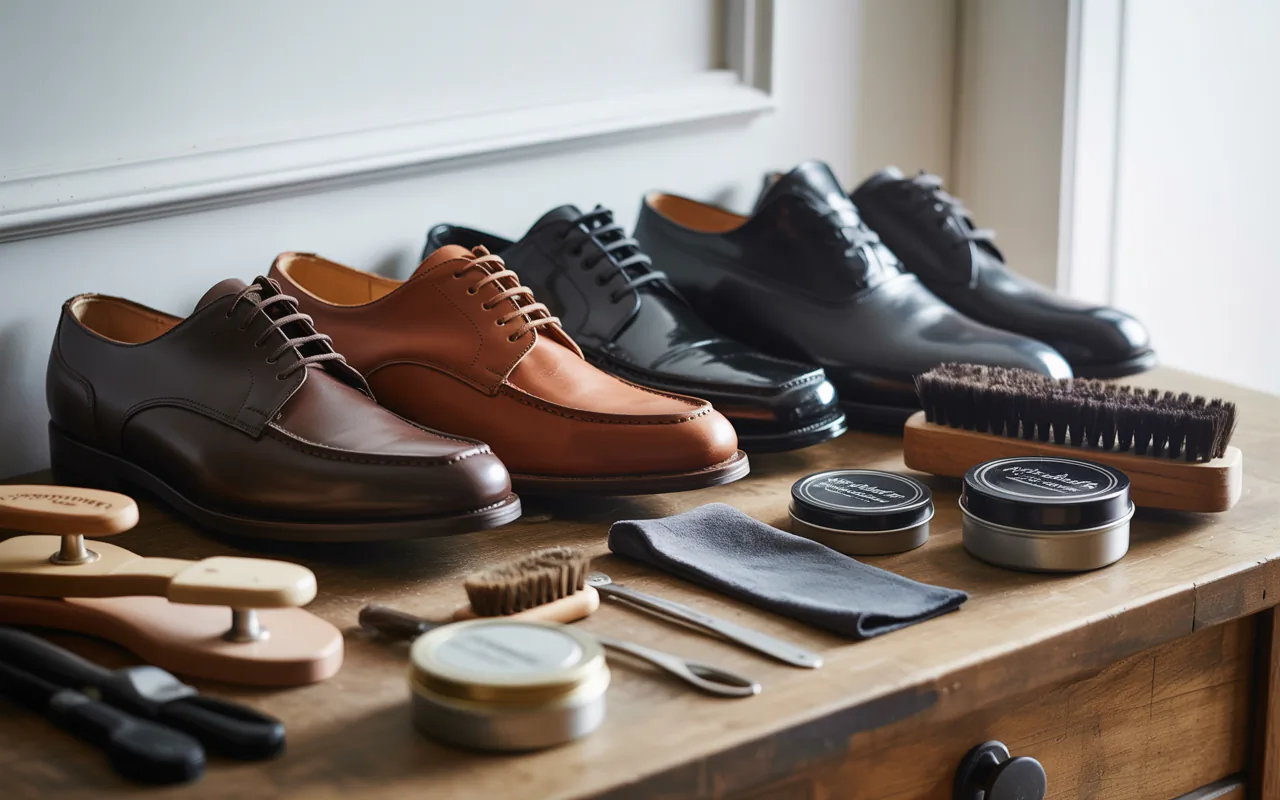
Discover the shoe care basics every owner needs. Learn how to clean, condition, polish, and store shoes properly to extend their life and keep them looking new.
Have you ever bought a nice pair of shoes, only to see them look old and worn out after a few months? I have been there. Many people think shoes are just something you wear until they fall apart. But the truth is, a little daily attention can make your shoes last for years. This is where shoe care basics come into play. You do not need to be an expert or spend a lot of money. Simple habits and a few cheap tools can keep your footwear fresh, clean, and comfortable.
In this guide, I will walk you through everything you need to know. We will talk about cleaning, conditioning, polishing, storing, and avoiding common errors. Whether you wear leather dress shoes, canvas sneakers, or suede boots, these tips will help. Let us get started.
Why Learning Shoe Care Basics Saves You Money
Shoes are not cheap. A good pair can cost fifty, one hundred, or even more dollars. When you ignore basic maintenance, the leather cracks, the soles peel off, and the fabric stains become permanent. Then you have to buy new shoes again. That is wasted money.
By learning shoe care basics, you can double or triple the life of your footwear. Think of it like brushing your teeth. A few minutes each day prevents big problems later. The same idea applies to shoes. Regular cleaning removes dirt that acts like sandpaper on the material. Conditioning keeps leather soft and flexible. Proper drying stops smells and rot. All these small actions add up to big savings.
“Well maintained shoes can last three times longer than neglected ones.” – John Lobb, master shoemaker
I once had a pair of leather boots that I wore almost every day for five years. Friends asked how they still looked so good. The answer was simple. I wiped them after each use, conditioned them every few months, and never put them near a heater. That is all it took.
Essential Tools for Shoe Care Basics
Before you start, you need the right tools. You probably already have some of these at home. Do not worry about buying expensive kits. A few basic items work fine. Here is a simple table to show you what you need.
| Tool | Purpose | Approximate Cost |
|---|---|---|
| Soft horsehair brush | Remove dry dirt and dust from leather and smooth surfaces | $5 – $15 |
| Cotton cloths (old t-shirts) | Apply conditioner, polish, and buff | Free (reuse old clothes) |
| Mild soap (dish soap or saddle soap) | Clean heavy dirt and grime | $2 – $10 |
| Leather conditioner | Keep leather soft and prevent cracking | $8 – $20 |
| Shoe polish (color matched) | Restore color and add shine | $4 – $12 |
| Suede brush and eraser | Clean suede and nubuck without water | $6 – $15 |
| Shoe trees (cedar) | Absorb moisture and keep shape | $15 – $30 |
You do not need to buy everything at once. Start with a brush, a cloth, and some conditioner. Then add items as you go. The most important rule of shoe care basics is consistency, not expensive gear.
What About Sneakers?
For canvas or mesh sneakers, you can use a soft brush, mild detergent, and a washing machine bag. But avoid the dryer. Air drying is always safer. For leather sneakers, follow the same steps as leather dress shoes.
Step by Step Cleaning Guide
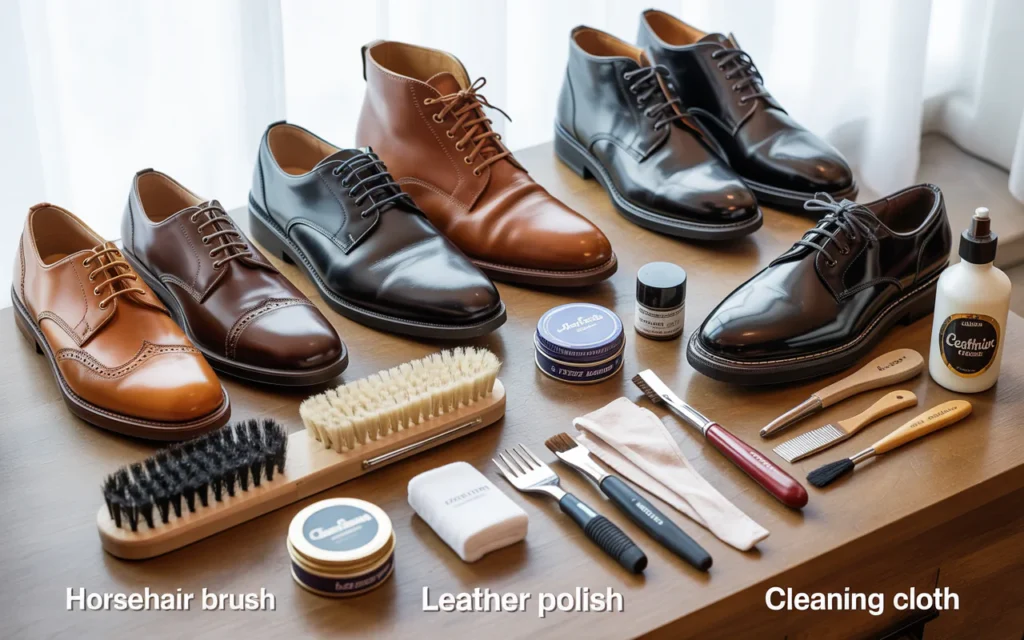
Cleaning is the first and most important part of shoe care basics. Dirt and sweat break down materials over time. Here is how to clean different types of shoes properly.
Cleaning Leather Shoes
Leather is tough but sensitive to water and heat. Follow these steps.
What You Will Need
- Soft brush
- Mild soap or saddle soap
- Two clean cloths (one damp, one dry)
- Warm water
The Process
- Remove the laces. You can wash laces separately in soapy water.
- Use the brush to gently remove loose dirt from the entire shoe. Pay attention to seams and edges.
- Mix a few drops of mild soap with warm water.
- Dip the damp cloth into the soapy water. Wring it out so it is barely wet. Do not soak the leather.
- Wipe the shoe in small circles. Focus on dirty areas.
- Use the dry cloth to wipe away any soap residue right away.
- Let the shoes air dry at room temperature. Never put them near a radiator or in sunlight.
“A little prevention saves a lot of repair.” – Tony Conte, shoe repair expert
Cleaning Suede and Nubuck
Suede is delicate. Water can stain it. So you should use dry methods first.
Dry Cleaning Suede
- Use a suede brush to lift dirt and restore the nap. Brush in one direction.
- For scuff marks, rub a suede eraser gently over the spot.
- Brush again to remove the eraser crumbs.
- For tough stains, use a special suede cleaner spray. Test on a small hidden area first.
When to Use Water on Suede
Only use water if the label says it is okay. Some suede is treated. If you must, use a damp cloth and blot, never rub. Then stuff the shoe with paper to hold its shape as it dries.
Cleaning Canvas and Mesh Sneakers
Canvas is easier. You can wash it more aggressively.
- Remove laces and insoles.
- Brush off loose dirt.
- Mix warm water with a little laundry detergent.
- Scrub the shoes with a soft brush or old toothbrush.
- Rinse with a clean damp cloth.
- Air dry away from heat. Stuff with newspaper to speed up drying and keep shape.
How to Condition and Polish Shoes
After cleaning, leather needs conditioner. This step is often skipped, but it is one of the most valuable shoe care basics.
Why Conditioner Matters
Leather is skin. It has natural oils that dry out over time. When leather dries, it cracks. Cracks let water in and ruin the shoe. Conditioner adds back those oils. It keeps leather supple and water resistant.
How to apply conditioner:
- Make sure the shoe is clean and completely dry.
- Put a small amount of conditioner on a soft cloth.
- Rub it into the leather using small circles. Cover the whole shoe.
- Let it sit for 10 to 15 minutes.
- Buff with a clean dry cloth.
Do this every two to three months for shoes you wear often. If you live in a dry climate, do it more often.
Polishing for Shine and Protection
Polish does two things. It adds color to cover scuffs and scratches. It also creates a protective layer against moisture.
Choosing the Right Polish
- Wax polish gives a high shine and good water protection. Best for dress shoes.
- Cream polish adds more color and conditions slightly. Good for daily wear.
- Spray polish is quick but less protective. Use for casual shoes.
Steps to Polish
- Clean and condition the shoe first.
- Apply polish with a soft cloth or applicator brush. Use thin layers.
- Let it dry for a few minutes.
- Buff with a horsehair brush or clean cloth to shine.
Do not overpolish. A thin layer once a month is enough for most shoes.
Shoe Care Frequency: A Simple Table
How often should you do each task? Here is a quick guide.
| Activity | Frequency |
|---|---|
| Wipe off dust and dirt after each wear | Every time |
| Deep clean (brush and soap) | Every 2 to 4 weeks |
| Condition leather | Every 2 to 3 months |
| Polish | Monthly or before special events |
| Disinfect insoles | Monthly |
| Replace laces | As needed (every 6 months typically) |
“Clean shoes show respect for yourself and others.” – George Cleverley, bespoke shoemaker
Smart Storage Solutions
Many people ruin their shoes by storing them badly. Throwing shoes in a pile under the bed bends them and traps moisture. Proper storage is a key part of shoe care basics.
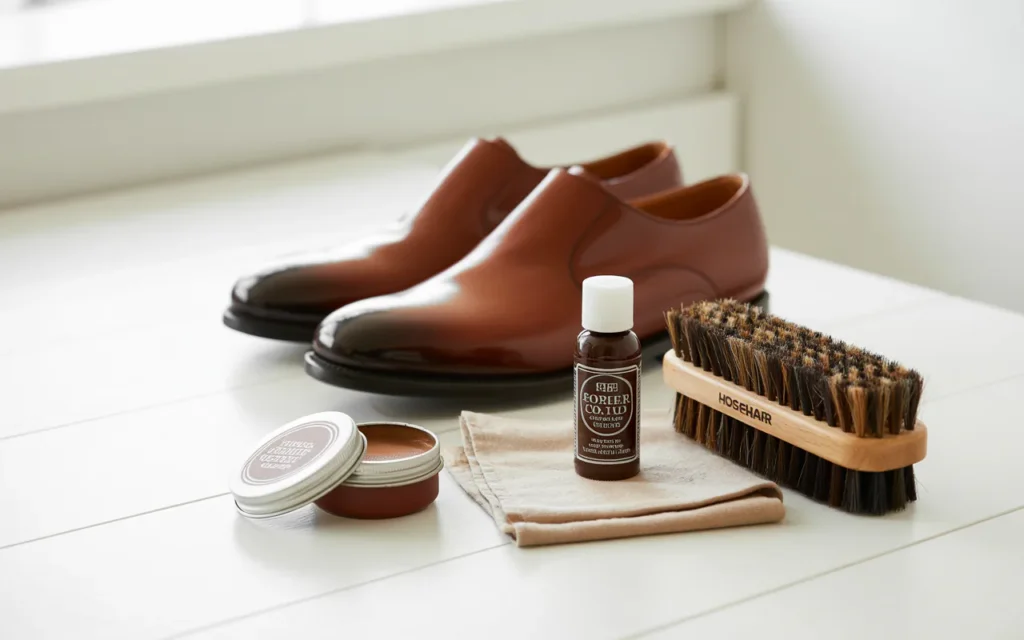
Use Shoe Trees
Cedar shoe trees are the best. They absorb sweat, keep the shape, and reduce odors. Insert them right after you take off your shoes. If you cannot afford cedar, use plain newspaper. Crumple it and stuff it inside. Change the paper every day until the shoes are dry.
Keep Shoes Away from Heat
Never store shoes on a radiator, near a fireplace, or in a car on a hot day. Heat dries out leather and melts glue. Also avoid direct sunlight, which fades colors.
Rotate Your Shoes
Do not wear the same pair two days in a row. Shoes need at least 24 hours to dry out completely between wears. Buy two pairs and switch them. This one habit alone can double the life of your shoes.
Store in a Cool, Dry Place
A closet shelf or shoe rack works fine. Keep them away from bathrooms or basements where humidity is high. If you live in a wet area, add silica gel packets inside your shoes when storing for a long time.
Common Shoe Care Mistakes to Avoid
Even with good intentions, people make errors. Here are the most common mistakes I see.
Using Too Much Water
Water is the enemy of leather and suede. When you clean, use a damp cloth, not a wet one. Never soak your shoes. Water pushes out natural oils and leaves stains.
Drying with Heat
Putting wet shoes on a heater or using a hair dryer makes the leather shrink and crack. Always air dry at room temperature. If you need speed, put a fan blowing on them. No heat.
Ignoring the Soles and Heels
The upper looks nice, but the sole touches the ground. Check your soles often. If you see wear on the heel or toe, take them to a cobbler for a heel tap or sole guard. A small repair now saves a big repair later.
Using the Wrong Products
Do not use furniture polish on shoes. Do not use cooking oil as conditioner. These ruin leather. Stick to products made for footwear. They are not expensive.
Storing Shoes While Wet
Putting wet shoes back in the closet invites mold and smells. Always let them dry fully before putting them away. Use shoe trees or newspaper to speed up drying.
Seasonal Shoe Care Basics
Different weather needs different care. Here is how to adjust your routine.
Winter Care
Salt and snow hurt shoes badly. After walking on salted sidewalks, wipe your shoes with a damp cloth as soon as you get home. Use a mixture of equal parts water and white vinegar to neutralize salt stains. Then condition the leather because salt dries it out.
For extra protection, apply a waterproof spray before winter starts. Reapply every few weeks.
Summer Care
Sweat is the big problem. Your feet sweat more in summer. That moisture goes into your shoes. Remove insoles and let them dry separately. Use shoe trees or crumpled paper. You can also sprinkle baking soda inside overnight to absorb odors.
Rainy Season
Wet shoes need special care. If your shoes get soaked, stuff them with newspaper. Change the paper every hour until dry. Do not wear them again until completely dry inside. If they smell after, wipe the inside with a cloth dipped in diluted vinegar (1 part vinegar, 3 parts water). Then air dry.
Frequently Asked Questions
Q1: How often should I clean my shoes?
A quick wipe after each wear is best. A deep clean with soap and water every two to four weeks works for most people. If you wear shoes daily, clean them more often.
Q2: Can I put my shoes in the washing machine?
Only canvas or mesh sneakers can go in the machine. Use a laundry bag, cold water, and a gentle cycle. Never put leather or suede shoes in a washer. It destroys them.
Q3: What is the best way to remove bad smells from shoes?
Sprinkle baking soda inside and leave it overnight. Shake it out the next morning. You can also use shoe disinfectant sprays or freeze the shoes in a plastic bag for 24 hours. The cold kills bacteria.
Q4: Do I need different products for different shoe materials?
Yes. Leather needs conditioner and polish. Suede needs a special brush and eraser. Canvas can handle mild soap and water. Using the wrong product can stain or damage the material.
Q5: How do I fix scuffed leather?
First, clean the area. Then apply a matching shoe cream or polish. Buff gently. For deep scratches, use a leather filler or take the shoe to a professional.
Q6: Are expensive shoe care products worth it?
Not always. Mid priced products work very well. The key is to use them regularly, not how much you spend. A five dollar brush and eight dollar conditioner will serve you fine.
Q7: How do I store shoes I do not wear often?
Clean and condition them first. Stuff them with acid free paper. Put them in a cloth shoe bag or a box with air holes. Keep them away from light and heat. Check on them every six months.
Q8: Can I use vinegar to clean shoes?
Yes, diluted white vinegar works for removing salt stains and smells. But test on a small area first. Never use pure vinegar. Always mix with water.
Conclusion
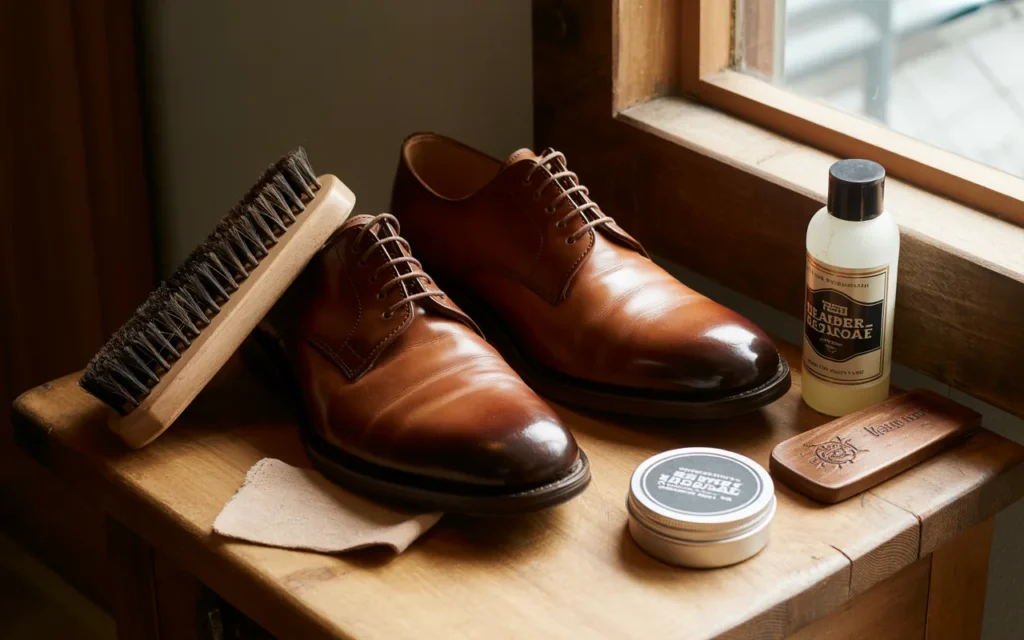
Learning shoe care basics does not take much time or money. But the benefits are huge. You save money by not buying new shoes as often. You look better because your shoes stay clean and sharp. And you feel good knowing you are taking care of your belongings.
Start small. Get a brush and a cloth. Wipe your shoes after each wear. Let them dry properly. Condition the leather every few months. That is 80 percent of the work. Add polishing and storage improvements as you go.
Remember, shoes are not just accessories. They carry you through your day. They deserve a little attention. So grab that old t shirt, brush off the dust, and give your shoes the care they need. Your feet will thank you, and your wallet will too.
Now go check your closet. Pick one pair that looks tired. Try the steps from this guide. See the difference for yourself. You might be surprised how good old shoes can look again.
Related posts
 Best Compact Powder for Women: 2026 Buyer Guide
Finding the best compact powder for women in 2026. We compare top-rated matte, mineral, and lightweight pressed powders to help you choose the right finish. Finding…
 Best Casual Wear for Women: 2026 Style and Comfort Essentials
Discover the best casual wear for women in 2026. We compare top-rated trousers and versatile tops to help you build a comfortable, stylish everyday wardrobe. Finding…
 Best Claw Clips for Thick Hair in 2026
Finding the best claw clips for thick hair requires a balance of grip and size. Explore our top 2026 recommendations for secure, stylish, and reliable styling.…