
What Jewellery Is Best For Daily Wear
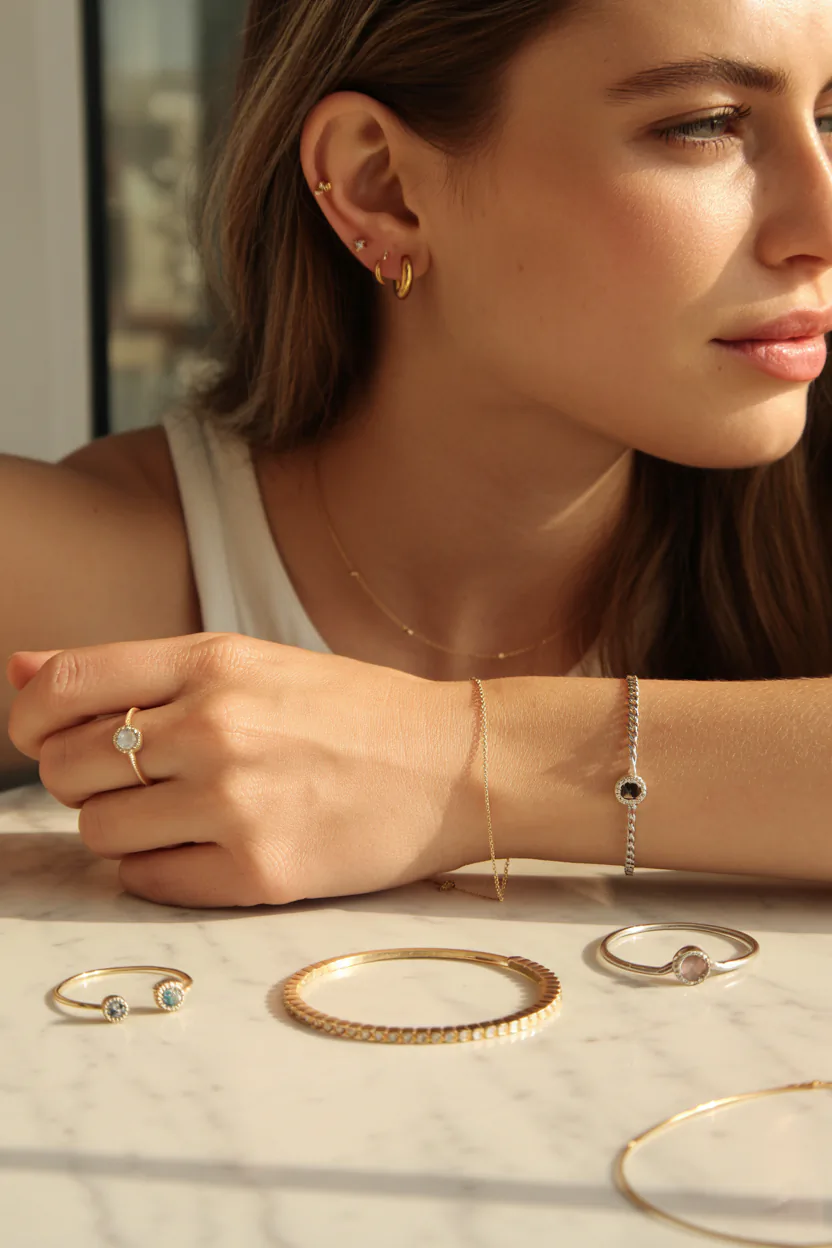
Searching to answer what jewellery is best for daily wear? Go for solid gold, platinum, or titanium. These metals resist water, scratches, and sweat perfectly.
You put your jewellery on in the morning. You wash your hands. You type on a laptop. You cook dinner. You maybe even sleep in your favourite pieces. So the big question is this. What jewellery is best for daily wear? The answer does not need to be hard. You want metals that do not turn your skin green. You want stones that do not fall out. You want pieces that still look good after months of use.
I have worn many types of jewellery over the years. Some broke within weeks. Some still shine like new after years. This guide shares real advice from my own experience and from talking to professional jewellers. No fancy words. No sales talk. Just honest help to find your perfect everyday pieces.
Let me start with a simple truth from someone who fixes jewellery every day.
“The best daily jewellery is the piece you forget you have on. If you keep checking it or taking it off for chores, it is not right for everyday use.” – Margaret O’Brien, Jewellery Repair Specialist
Now let us find what works for you.
Table 1: Best Metals for Daily Wear Jewellery (Ranked by Strength)
| Metal | Scratch Resistance | Water Resistance | Price Level | Best For |
|---|---|---|---|---|
| Platinum | Excellent | Excellent | High | Rings, engagement bands |
| 14k Gold | Good | Good | Medium | Necklaces, earrings, bracelets |
| Titanium | Excellent | Excellent | Low | Men’s rings, sports jewellery |
| Sterling Silver | Fair | Fair (tarnishes) | Low | Occasional daily pieces |
| Stainless Steel | Very Good | Excellent | Low | Chains, cuff bracelets |
What Makes Jewellery Right for Everyday Use?
Not every shiny thing can handle real life. Three main things decide if a piece lasts.
First, the metal must handle water. You wash your hands many times each day. You shower. You maybe swim in summer. If your jewellery rusts or changes colour, it fails. Cheap plated jewellery often bubbles or peels after a few months of daily use.
Second, the metal should not bend easily. Thin gold chains can snap. Pure gold (24k) is too soft for rings. You need mixed metals like 14k or 18k gold. These are much harder.
Third, the design needs to be simple. Stones that stick out catch on clothes. Hollow pieces dent easily. Tiny hinges break fast. Flat shapes, smooth surfaces, and bezel set stones (where metal wraps around the stone) last much longer.
So what jewellery is best for daily wear? Look for solid metals, secure stone settings, and simple designs without sharp edges.
“I always tell my customers to buy one good daily piece instead of ten cheap ones. A simple 14k gold chain costs less over time than replacing tarnished fashion jewellery every season.” – James Carter, Master Jeweller with 30 years experience
Top 5 Metal Choices for Daily Wear Jewellery
14k and 18k Gold – The Classic Winner
Gold has been the top answer to what jewellery is best for daily wear for a very long time. But pure gold (24k) is too soft. Mixing it with copper, silver, or zinc makes it harder. 14k gold has 58.3 percent gold. 18k has 75 percent gold. Both work very well for daily use.
14k gold is tougher. It resists scratches better than 18k. 18k looks richer and causes fewer allergies because it has less nickel. Both survive showers, hand washing, and sweat without problems.
Yellow gold, white gold, and rose gold all work fine. White gold usually has a rhodium plating that wears off after a year or two. You can get it replated at a jeweller. Rose gold contains copper, which makes it very strong. For most people, 14k gold gives the best mix of price, strength, and beauty.
Platinum – The Heavy Lifter
Platinum is the strongest answer to what jewellery is best for daily wear if you have the money for it. It costs more than gold. But it does not lose metal when scratched. It just moves the metal around. A jeweller can polish it back to new.
Platinum feels heavy on your finger. It never tarnishes. It causes no skin reactions. Many engagement rings use platinum because it holds diamonds very securely. The downside is price. A platinum ring can cost twice as much as 14k gold. But if you want a ring that lasts forever, platinum is worth saving for.
Titanium – The Lightweight Champion
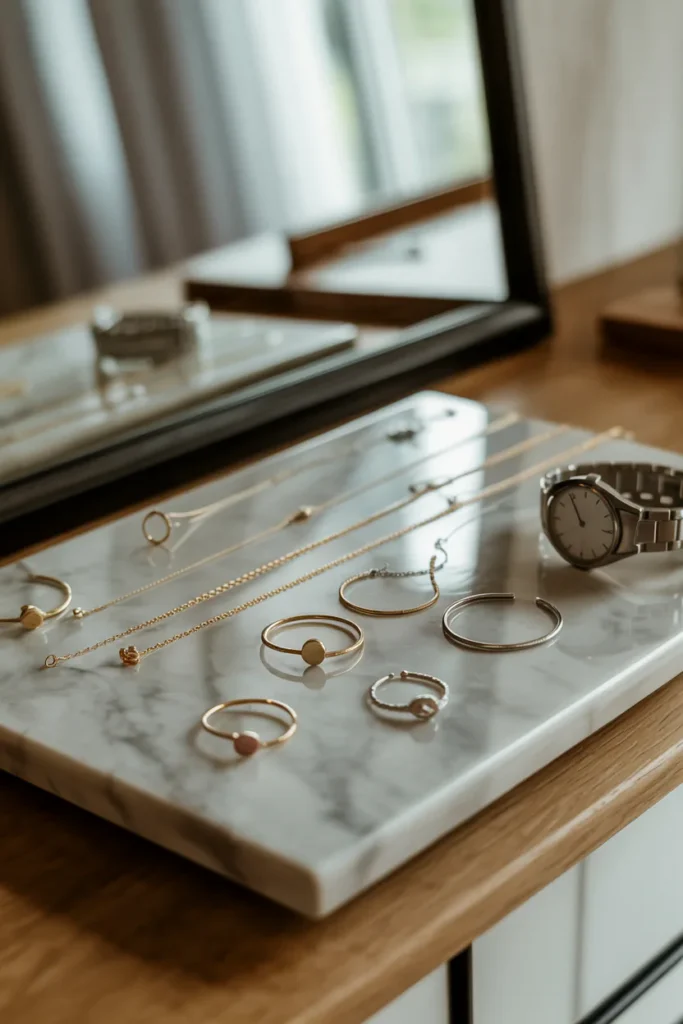
Titanium surprises many people. It is very strong but feels light on your hand or neck. It does not scratch easily. It never rusts. It causes no allergies. And it is cheap compared to gold or platinum.
So why is titanium not more popular? It cannot be resized easily. Most jewellers cannot solder or fix titanium. And it comes in limited colours, usually grey or black. But for rings, especially for men, titanium is a great answer to what jewellery is best for daily wear. A titanium ring costs 30 to 60 dollars and lasts for years.
Stainless Steel – The Budget Hero
Stainless steel is hard to beat for low price and high strength. It resists water, sweat, and most chemicals. It does not tarnish. It looks like silver or white gold. And a good stainless steel ring costs less than 30 dollars.
The catch? Stainless steel can cause allergies for some people because of nickel content. Look for “316L surgical stainless steel” if you have sensitive skin. Also, stainless steel is very hard to cut off in an emergency. So be careful with tight rings. For necklaces and earrings, stainless steel is safe and cheap.
Sterling Silver – The Occasional Daily Choice
Sterling silver (92.5 percent silver) is beautiful and cheap. But is it good for daily wear? Only if you accept its limits. Silver tarnishes. It reacts with sulfur in the air and turns black. You can clean it with a special cloth, but it takes work.
Silver is also soft. Thin silver chains break. Silver rings bend out of shape. I recommend silver for earrings or necklaces that you wear often but not 24 hours a day. For rings and bracelets, choose something harder. So what jewellery is best for daily wear on a very low budget? Stainless steel or titanium beats silver for pure durability.
Stones and Gems That Survive Daily Life
The metal is only half the story. The stones matter just as much.
Diamonds – Still the Hardest
Diamonds score 10 on the Mohs hardness scale. Nothing scratches them except another diamond. They resist breaking if set properly. But they can chip on sharp edges. A bezel setting (metal wrapped around the stone) protects the edge very well.
For daily rings, choose diamonds with no large inclusions, which are internal cracks. A small chip can turn into a crack over time. Also avoid very thin diamond shapes like marquise or pear. Round or cushion shapes are safer.
Moissanite – Almost as Tough
Moissanite scores 9.25 on the hardness scale. It is very hard. It resists scratches. It sparkles more than diamond. And it costs much less. Many people now choose moissanite for engagement rings instead of diamonds.
Moissanite does not get cloudy. It does not react with chemicals. It is a fantastic answer to what jewellery is best for daily wear if you want lots of sparkle without the diamond price. A moissanite ring costs about one tenth of a diamond ring of the same size.
Sapphires and Rubies – Hard and Colourful
Both sapphires and rubies are corundum. They score 9 on the hardness scale. That is very hard. They come in many colours like blue, pink, yellow, and green. They resist breaking. They do not fade in sunlight.
You can wear a sapphire ring every day for many years. It will still look great. Princess Diana’s engagement ring, now worn by Kate Middleton, is a blue sapphire. That ring has seen daily use for decades.
Stones to Avoid for Daily Wear
Some stones are too soft or fragile for daily use. Avoid these in rings or bracelets.
Opal scores 5.5 to 6.5. It breaks easily and dries out over time. Pearl scores 2.5 to 4.5. It scratches easily and dissolves in acid, which is in sweat. Emerald scores 7.5 to 8 but has natural cracks, so it breaks easily. Turquoise scores 5 to 6. It is porous and changes colour. Moonstone scores 6 and cleaves easily.
Wear these stones in earrings or pendants only. They see less impact there.
Table 2: Best Stones for Daily Wear Rings
| Stone | Hardness (Mohs) | Daily Wear Rating | Key Notes |
|---|---|---|---|
| Diamond | 10 | Excellent | Best for engagement rings |
| Moissanite | 9.25 | Excellent | Budget friendly, very sparkly |
| Sapphire | 9 | Excellent | Comes in many colours |
| Ruby | 9 | Excellent | Very tough and red |
| Topaz | 8 | Good | Avoid sharp blows |
| Zircon | 7.5 | Fair | Can chip on edges |
Best Jewellery Types for Daily Use (Necklaces, Rings, Earrings, Bracelets)
Different body parts have different needs. So what jewellery is best for daily wear changes based on where you wear it.
Daily Wear Rings
Rings take the most abuse. Your hands touch everything all day. So choose these features.
Flat or low profile designs that do not stick up high. Bezel set stones, not prongs that catch on fabric. Full metal bands with no hollow backs. Materials like platinum, 14k gold, titanium, or stainless steel.
Avoid thin bands under 2 millimetres width. They bend easily. Avoid eternity rings with stones all around the band. They dig into your other fingers and feel uncomfortable.
Daily Wear Necklaces
Necklaces are easier than rings. They do not hit things often. But they touch your skin and get wet in the shower.
Best choices are solid gold chains in 14k or 18k. Titanium or stainless steel chains also work well. Sterling silver is fine if you accept tarnish. Pendants should have no sharp edges.
Avoid hollow gold chains. They break very easily. Avoid very thin chains under 1 millimetre. They snap with a small pull.
“A simple 14k gold chain with a small diamond or birthstone pendant is my top answer to what jewellery is best for daily wear for women. You never need to take it off, even to sleep.” – Sarah Jenkins, Fine Jewellery Designer
Daily Wear Earrings
Earrings need to be light and non irritating. Heavy earrings stretch your earlobes over many years.
Best choices are small gold or titanium studs. Sleeper hoops, which are seamless rings, work well too. Surgical steel posts are safe for most people. Silicone backs hold better than metal ones.
Avoid dangle earrings for daily use. They catch on hair, towels, and face masks. Also avoid very large hoops. They hit your shoulders and bend.
Daily Wear Bracelets
Bracelets hit desks, door handles, and countertops. They also get wet often.
Best choices are solid gold bangles, not hollow ones. Titanium or stainless steel cuffs are very strong. Leather bracelets with waterproof coating exist but are rare. Beaded bracelets on elastic work if the beads are hard stones like jasper or agate.
Avoid chain bracelets with tiny links. They break. Avoid charm bracelets. The charms catch on things and bend.
What to Avoid for Daily Wear Jewellery
Some jewellery looks pretty in the shop but fails in real life. Avoid these types.
Plated or filled gold. Gold plated means a thin layer of gold over a base metal. It wears off in a few months. Gold filled is thicker but still wears off after a few years. Solid gold is the only real answer for daily use.
Hollow jewellery. Hollow pieces dent easily. Once dented, you cannot fix them. Always ask if a piece is solid or hollow before buying.
Magnetic clasps. They seem easy to use but they pick up metal dust from your environment. That dust scratches the jewellery. Also, magnets become weaker over time.
Adjustable rings. The open band design bends out of shape quickly. It also catches on fabric and pulls threads.
Glued stones. Cheap jewellery uses glue to hold stones. Heat and water dissolve the glue. Stones fall out. Always buy jewellery where stones are set with prongs or bezels.
How to Care for Daily Wear Jewellery
Even tough jewellery needs some basic care. Here is a simple routine that works.
Clean once a week. Mix warm water with a drop of dish soap. Soak your jewellery for 10 minutes. Scrub gently with a soft toothbrush. Rinse and dry with a soft cloth.
Check prongs each month. Look at your rings. Are any prongs bent or lifted? Take the ring to a jeweller if you see problems.
Remove for heavy work. Gardening, moving furniture, or lifting weights? Take rings off. Even platinum can scratch against concrete.
Store pieces separately. Tossing all jewellery in one box causes scratches. Use a soft pouch or a box with separate compartments.
Insure expensive pieces. If you cannot afford to replace it, insure it. Many home insurance policies cover jewellery up to a limit. Add a special rider for pieces over that limit.
So what jewellery is best for daily wear for someone who does not want to clean often? Choose platinum, titanium, or stainless steel. These need the least care.
Daily Wear Jewellery for Sensitive Skin
Metal allergies are common and annoying. Nickel is the main cause. White gold often contains nickel. So does stainless steel, though surgical steel has less.
If your skin turns green, red, or feels itchy, try these safe metals.
Platinum is hypoallergenic. Titanium is hypoallergenic. 14k or 18k yellow gold has low nickel. Niobium is very safe but less common. Surgical stainless steel (316L or 316LVM) works for many people.
Avoid cheap plated jewellery. The base metal is usually brass or copper. Both react with sweat and turn your skin green.
Also avoid sterling silver if you have very sensitive skin. The copper mixed in silver can cause reactions.
“I see so many people with green fingers from cheap rings. They think it is an allergy to gold. But real gold does not do that. It is always the cheap plating wearing off.” – Dr. Helen Foster, Dermatologist
Budget Friendly Daily Wear Jewellery (Under 100 Dollars)
You do not need to spend a lot of money. Good daily jewellery exists at low prices.
Titanium rings cost 30 to 60 dollars. They are strong, light, and waterproof. Great for men and women.
Stainless steel chains cost 15 to 40 dollars. They look like white gold. They do not tarnish.
Solid sterling silver studs cost 20 to 50 dollars. Clean them once a month.
Surgical steel hoop earrings cost 10 to 25 dollars. Safe for sensitive ears.
Cubic zirconia in stainless steel costs 20 to 40 dollars. The stone is softer at 8 to 8.5 hardness, but fine for earrings or pendants.
Remember this. Cheap daily jewellery should be solid metal, not plated. Read descriptions carefully. Look for “solid stainless steel” or “titanium.” Do not buy “stainless steel plated.”
So what jewellery is best for daily wear under 100 dollars? Titanium rings and stainless steel chains give you the most value for your money.
Frequently Asked Questions
Q1: Can I wear 14k gold in the shower?
Yes. 14k gold does not react with water or soap. But soap can leave a dull film. Clean your gold weekly to keep it shiny.
Q2: Is sterling silver okay for everyday rings?
Not really. Silver tarnishes. It also bends out of shape. For a ring you wear every day, choose 14k gold, titanium, or stainless steel.
Q3: What jewellery is best for daily wear if I work with my hands?
Remove rings before manual work. If you must wear something, choose a thin titanium band. It is light and strong. Avoid any stones.
Q4: Does real gold turn skin green?
No. Real gold at 10k, 14k, 18k, or 24k does not turn skin green. That only happens with copper or brass in cheap plated jewellery.
Q5: Can I sleep in my daily jewellery?
Yes, if it is solid metal with no sharp edges. But remove long earrings or large pendants. They can twist or pull while you sleep.
Q6: What is the most scratch resistant daily wear metal?
Tungsten carbide is very hard but brittle. It can crack if dropped on a hard floor. Titanium and platinum resist scratches well without being brittle.
Q7: How often should I replace daily wear jewellery?
Good quality daily jewellery lasts for many years. Replace only if it breaks or if your style changes. Cheap plated jewellery needs replacement every 6 to 12 months.
Q8: Is rose gold good for daily wear?
Yes. Rose gold contains copper, which makes it hard. It resists scratches well. It does not need replating like white gold does.
Conclusion
So what jewellery is best for daily wear? The honest answer depends on your budget, your skin sensitivity, and your lifestyle. But the safest choices are solid 14k gold, platinum, and titanium. These metals handle water, sweat, and daily bumps without breaking or changing colour.
For stones, stick with diamonds, moissanite, sapphires, or rubies. Avoid opals, pearls, and emeralds for rings that you wear every day.
Keep your daily jewellery simple. Flat designs, bezel settings, and solid construction last much longer. Clean your pieces once a week. Remove them for heavy work. And buy the best quality you can afford. A single good ring or chain will serve you for many years. Cheap plated jewellery just creates waste and frustration.
Now you know exactly what to look for. Go choose pieces that make you smile every morning. And then forget you are wearing them. That is the true sign of great daily wear jewellery.
Related posts
 Best Compact Powder for Women: 2026 Buyer Guide
Finding the best compact powder for women in 2026. We compare top-rated matte, mineral, and lightweight pressed powders to help you choose the right finish. Finding…
 Best Casual Wear for Women: 2026 Style and Comfort Essentials
Discover the best casual wear for women in 2026. We compare top-rated trousers and versatile tops to help you build a comfortable, stylish everyday wardrobe. Finding…
 Best Claw Clips for Thick Hair in 2026
Finding the best claw clips for thick hair requires a balance of grip and size. Explore our top 2026 recommendations for secure, stylish, and reliable styling.…