
What Is A Serpentine Belt Tool
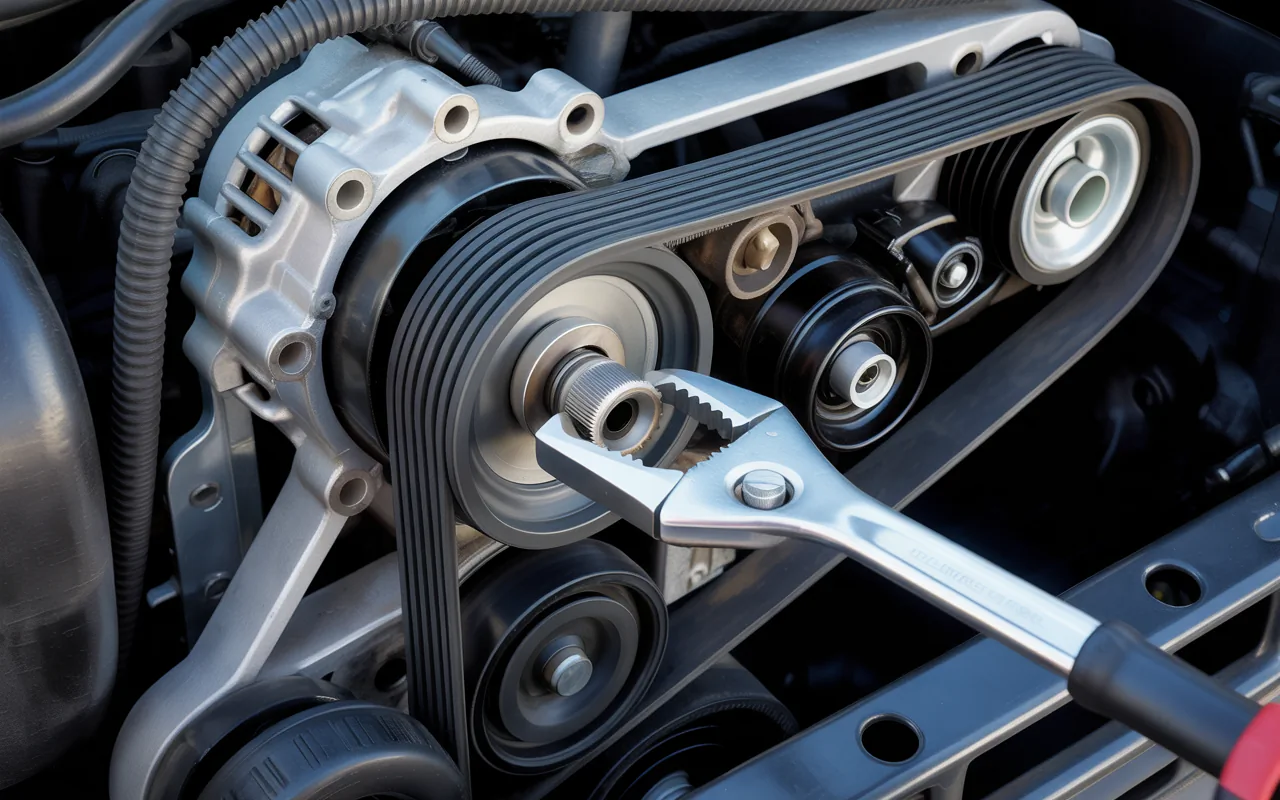
Simply put, a serpentine belt tool is a lever or wrench that releases belt tension so you can replace your car’s serpentine belt without struggle. Get the full details here.
If you have ever opened the hood of a car and seen a long, winding rubber belt wrapped around several pulleys, that is the serpentine belt. It powers many parts of your engine, like the alternator, power steering pump, and air conditioner. But when that belt wears out or breaks, you need to change it. That is where a special helper comes in. In this guide, I will explain what a serpentine belt tool is, why it matters, and how you can use one safely. I will also share simple tips from my own experience working on cars. Let us get started.
What Exactly Is a Serpentine Belt Tool?
A serpentine belt tool is a hand tool made to move the belt tensioner on your engine. The tensioner is a spring loaded pulley that keeps the belt tight. To take off the old belt or put on a new one, you must release that tension. Your hands alone cannot do this easily. The tool gives you leverage. It fits onto the tensioner and lets you push or pull to loosen the belt.
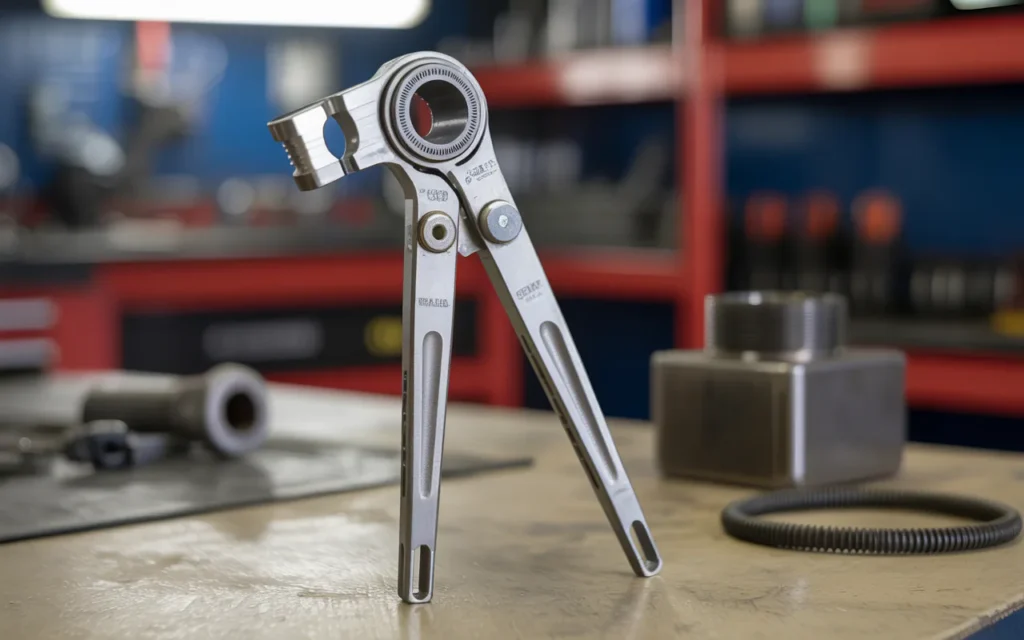
Most serpentine belt tools look like long metal bars with special ends. Some have a fixed shape. Others have interchangeable heads. The tool is strong and simple. It does one job very well. Without it, changing a serpentine belt is awkward and sometimes impossible. I learned this the hard way years ago. I tried using a regular wrench and a pry bar, and I nearly broke a plastic pulley. After that, I bought a proper tool, and the job took five minutes.
Quote 1:
“The right tool for the right job turns a frustrating repair into a quick win.” – Maria Gonzalez, ASE Certified Mechanic
Why the Serpentine Belt Tool Is Different From Other Wrenches
You might wonder why you cannot just use a standard socket wrench. The answer is space and leverage. The belt tensioner sits in a tight spot between other engine parts. A regular wrench is too short. You cannot get enough force. Also, many tensioners have a square or odd shaped hole that a normal socket does not fit. A dedicated serpentine belt tool has a long handle, often 15 to 25 inches long. That length gives you the leverage you need. The ends are made to match the tensioner design exactly.
Here is a quick look at the main features of a serpentine belt tool:
| Feature | What It Does for You |
|---|---|
| Long handle | Provides leverage to move the stiff tensioner |
| Specialized ends | Fits square, hex, or star shaped tensioner holes |
| Strong steel build | Resists bending under high pressure |
| Non slip grip | Keeps your hand safe and steady |
Why Do You Need a Serpentine Belt Tool?
You need this tool for three main reasons. First, it saves your time. Without it, you could spend an hour trying to pry the belt off. With it, the job takes ten minutes. Second, it prevents damage. Using the wrong tool can crack a plastic tensioner pulley or slip and hurt your hand. Third, it gives you confidence. When you have the right tool, you know you can finish the repair.
Many car owners try to avoid buying a special tool. They use a long screwdriver or a pair of pliers. That rarely works well. In fact, it often makes the job harder. A serpentine belt tool costs between 20 and 50 dollars. That is cheap compared to a tow truck or a mechanic’s labor. Think of it as an investment in your own ability to fix your car.
When You Might Need One
You will need a serpentine belt tool any time you replace the serpentine belt. Most car makers suggest changing the belt every 60,000 to 100,000 miles. But belts can wear out sooner. You might also need the tool if you hear a squealing noise from the engine. That noise often means the belt is loose or glazed. Or you might see cracks on the rubber. In all these cases, you remove the old belt and install a new one. The tool is essential for that step.
Quote 2:
“I have seen too many DIYers give up on a belt change because they did not have the right lever. Get the tool first.” – Tom Harris, Automotive Instructor
How Does a Serpentine Belt Tool Work?
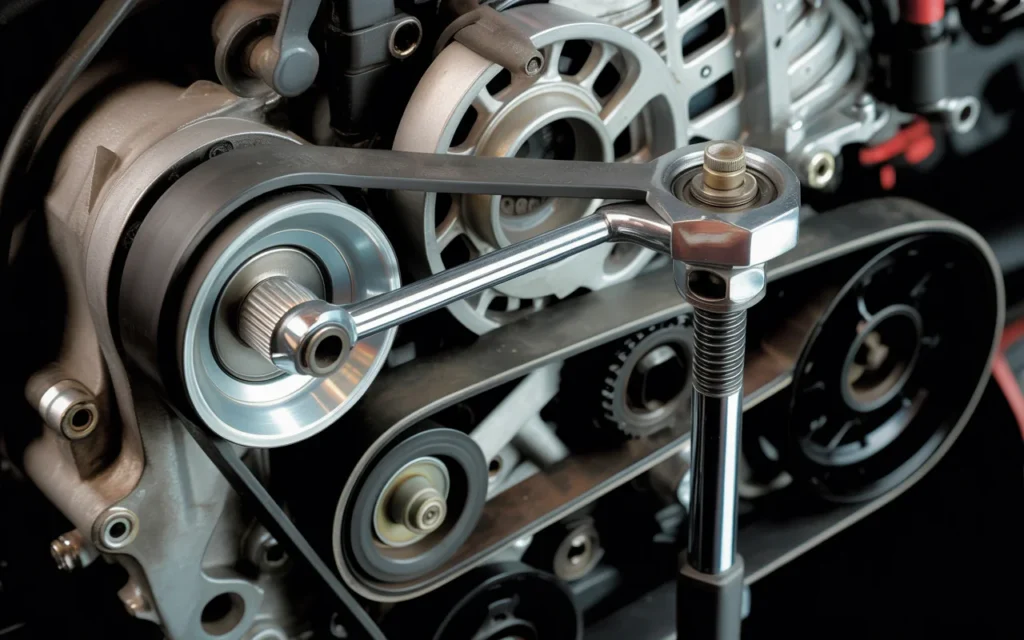
The tool works by using a long handle to turn or push the tensioner. Most tensioners swing on a pivot. When you apply force to the tensioner arm, it moves away from the belt. This releases the tight grip on the belt. You can then slide the belt off the pulleys. The tool transfers your muscle power into a controlled rotation or translation.
Let me explain the two main ways the tool connects to the tensioner. Some tensioners have a square hole in the middle of the pulley. You insert the square end of your serpentine belt tool into that hole. Then you pull the handle toward you. The tensioner rotates, and the belt goes loose. Other tensioners have a smooth pulley with a bolt in the center. For those, the tool has a socket that fits that bolt. You turn the bolt, and the whole tensioner moves.
The Tensioner and Belt Path
To understand the tool, you need to see the whole picture. The serpentine belt snakes around many pulleys. The tensioner is one of those pulleys, but it is on a spring loaded arm. The spring constantly pulls the arm to keep the belt tight. When you use the tool, you fight that spring. You pull the arm away from the belt. That creates slack. Then you can lift the belt off any pulley and remove it.
Putting on a new belt is the reverse. You route the new belt around all the pulleys except the tensioner. Then you use the tool again to move the tensioner. Slip the belt over the tensioner pulley. Slowly release the tool. The spring pulls the tensioner back, and the belt becomes tight.
Quote 3:
“Patience and the right lever make serpentine belt work safe for anyone with basic skills.” – Linda Chen, DIY Auto Blogger
Common Types of Serpentine Belt Tools
Not all serpentine belt tools are the same. Different cars have different tensioner styles. Here is a table of the most common types you will find in an auto parts store or online.
| Type of Tool | Best For | Typical Price |
|---|---|---|
| Fixed bar with square end | Older cars with square hole tensioners | $15 – $25 |
| Ratcheting serpentine belt tool | Tight engine bays where you need small movements | $30 – $50 |
| Multi head kit with extensions | Many different car makes and models | $40 – $70 |
| Belt tensioner tool with built in gauge | Professional mechanics who also check tension | $50 – $100 |
Which One Should You Buy?
If you own only one car, look up what type of tensioner it has. Check online forums or your car’s repair manual. Then buy a simple fixed bar tool that fits. That is the cheapest and most direct option. If you work on multiple cars or want to be ready for anything, buy a multi head kit. Those kits come with several adapters and a long handle. They cost more, but they last for years.
I personally own a multi head kit. I have used it on my own Ford, my friend’s Honda, and my neighbor’s Toyota. Each car needed a different adapter. The kit saved me from buying three separate tools. Just make sure the handle is at least 18 inches long. Shorter handles do not give enough leverage on stiff tensioners.
How to Use a Serpentine Belt Tool Step by Step
Now let me walk you through the actual process. I will assume you have the tool, a new belt, and basic safety gear like gloves and eye protection. Always let your engine cool down before you start. Hot engine parts can burn you.
Step 1: Find the Belt Routing Diagram
Most cars have a sticker under the hood that shows how the belt goes around the pulleys. If you cannot find it, take a photo with your phone before you remove the old belt. Or draw a quick sketch. This diagram is your map for putting the new belt on correctly.
Step 2: Locate the Belt Tensioner
The tensioner looks like a pulley that does not have any other belt driven part attached to it. It often has a smooth surface. Look for a square hole or a bolt head in its center. That is where your serpentine belt tool connects.
Step 3: Attach the Tool
Insert the correct end of your serpentine belt tool into the tensioner. For square holes, push it in all the way. For bolt heads, place the socket or box end over the bolt. Make sure the fit is snug. A loose fit can slip and hurt you.
Step 4: Apply Pressure
Pull the handle slowly and steadily. You will feel the spring tension. Keep pulling until the tensioner moves away from the belt. You will see the belt go slack. Some tools have a ratchet mechanism. That lets you hold the tensioner in the open position without keeping constant pressure.
Step 5: Remove the Old Belt
With the tensioner held open, slide the old belt off one of the pulleys. Usually, you take it off the tensioner last. Then let the tensioner return gently to its resting position.
Step 6: Install the New Belt
Follow your diagram or photo. Route the new belt around all the pulleys except the tensioner. Double check that the belt sits in every groove correctly. Then use the tool again to open the tensioner. Slip the belt over the tensioner pulley. Slowly release the tool. The spring will tighten the belt.
Step 7: Check Your Work
Start the engine and let it run for a minute. Look at the belt. It should run straight and not wobble. Listen for any squeaks or chirps. If you hear noise, turn off the engine and check that the belt is fully seated on all pulleys.
Signs You Might Need to Replace Your Serpentine Belt
Before you even pick up your serpentine belt tool, you need to know when to replace the belt. Here are common signs.
- Squealing or chirping noise from the engine – This often means the belt is loose or the rubber is hard.
- Cracks or fraying on the belt surface – Look at the ribs. Small cracks mean the belt is old.
- Glazed or shiny belt ribs – That happens when the belt slips and gets polished smooth.
- Battery warning light on your dash – Because the belt drives the alternator, a slipping belt can cause low voltage.
- Loss of power steering – If the belt breaks, the power steering pump stops working.
If you see any of these, buy a new belt and get your serpentine belt tool ready. Do not wait. A broken belt leaves you stranded.
Safety Tips When Using a Serpentine Belt Tool
Working near a running engine has risks. Even with the engine off, moving parts can pinch or cut you. Follow these safety rules.
- Disconnect the battery negative terminal. This prevents the engine from starting accidentally if you bump something.
- Wear sturdy gloves. The belt and pulleys have rough edges.
- Use safety glasses. Bits of old belt or dirt can fly off.
- Keep your fingers away from the tensioner pivot. If the tool slips, the tensioner snaps back hard.
- Do not use a cheater pipe on the tool. If you need more leverage than the handle gives, your tensioner might be stuck or you have the wrong tool.
I once saw a friend use a piece of pipe on a cheap tool. The tool bent, and his hand hit the radiator fan. He was lucky to only get a bruise. Respect the spring force.
Frequently Asked Questions
Can I change a serpentine belt without a serpentine belt tool?
You can try, but it is very hard. Some cars have a tensioner that you can move with a large wrench or a breaker bar. However, most modern cars need the special shape of a proper tool. Without it, you risk damaging the tensioner or hurting yourself. For a small cost, buy the tool.
How do I know which serpentine belt tool fits my car?
Check your car’s repair manual or look online for your make, model, and year. Then note the tensioner type. Many auto parts stores have loaner tools. You can also buy a universal kit that includes several adapters.
Is a serpentine belt tool the same as a belt tensioner tool?
Yes. People use both names for the same thing. Some stores call it a “belt tensioner tool” or “serpentine belt removal tool.” All refer to the same type of lever that moves the tensioner.
How much force does it take to move the tensioner?
It depends on your car. Smaller cars need about 20 to 40 pounds of pull. Larger trucks may need 60 pounds or more. The long handle of a good serpentine belt tool makes this force easy to apply. If you feel like you are using all your strength, check that the tool is fully seated. Do not jerk the handle. Use smooth, steady pressure.
Can I use a serpentine belt tool on any car?
No. Some cars use an automatic belt tensioner that requires a special tool. Others use a system with two belts. But for the vast majority of cars made after 1990, a standard serpentine belt tool works. Always verify before you buy.
What happens if I use the wrong size adapter?
The adapter can slip out while you are pulling. That sudden release can send your hand into nearby parts. You could also round off the square hole on the tensioner. Then you will need a new tensioner. Always use the correct fit.
Conclusion
A serpentine belt tool is a simple but powerful helper for anyone who works on their own car. It turns a frustrating, risky job into a safe and quick repair. You do not need to be a professional mechanic. With the right tool, a new belt, and these step by step instructions, you can change your serpentine belt in your own driveway. Remember to buy a tool that matches your car’s tensioner. Keep it in your toolbox. The next time you hear that squeal or see those cracks, you will be ready. Take your time, stay safe, and enjoy the satisfaction of fixing it yourself.
Related posts
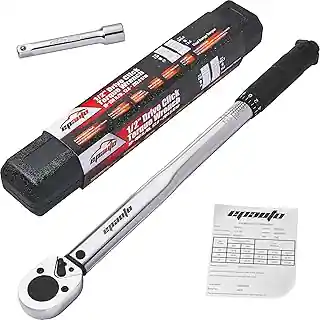 2026 Torque Wrench Reviews: Choosing the Right Tool for Precision Fastening
Explore our 2026 torque wrench reviews to find the right tool for your automotive, bike, or gunsmithing projects. Compare top models for accuracy and value. Finding…
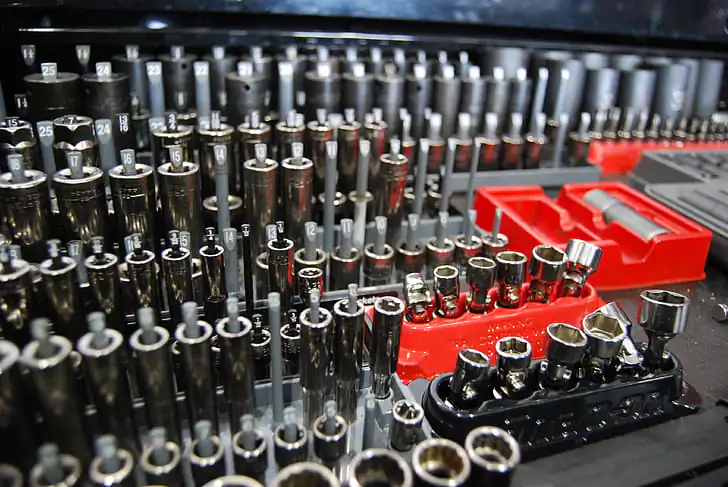 Top Automotive Tools for Beginners: Essential Gear for 2026
Discover the top automotive tools for beginners in 2026. Compare essential pry kits, wrench sets, and repair gear to start your DIY car maintenance journey. Starting…
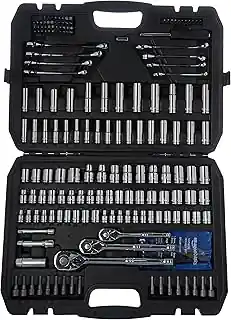 Top Rated Mechanic Tool Brands for 2026
Explore top rated mechanic tool brands for 2026. Compare reliable socket sets and hand tools to find the right equipment for your home garage or auto…