
Why Do Dogs Sleep with Their Back to You? The Real Meaning Behind the Behavior
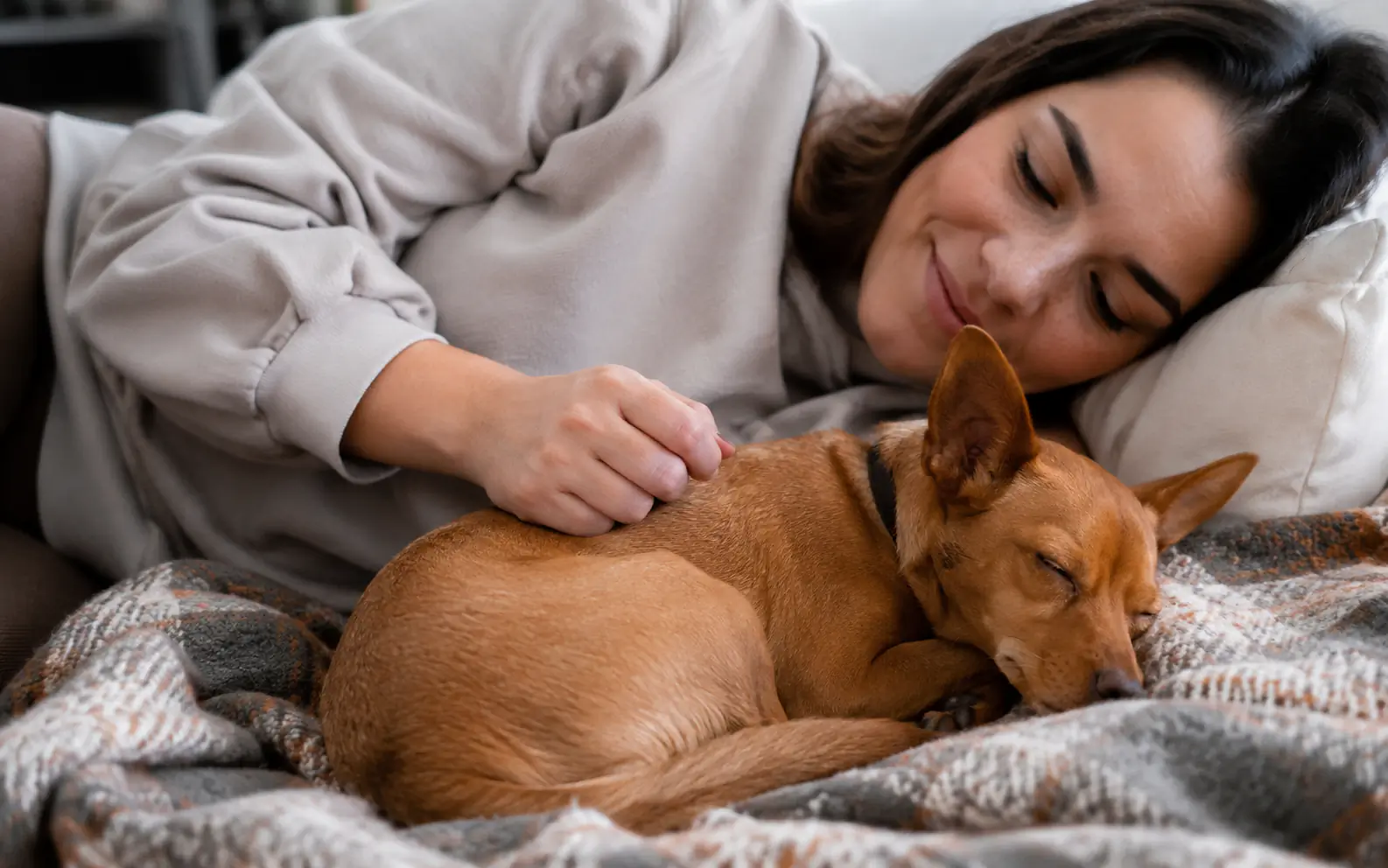
When your dog hops onto the bed, spins around, and settles down with their back directly facing you, it is easy to feel a little rejected. Human body language often treats a turned back as a cold shoulder or a sign of annoyance. You might wonder if you did something to upset your companion or if they are simply ignoring you.
In the canine world, however, this posture means the exact opposite. If you are wondering why do dogs sleep with their back to you, the short answer is trust. By turning away, your dog is showing that they feel completely safe in your presence. They do not feel the need to keep an eye on you for protection, and they are willingly exposing their most vulnerable side to you while they rest.
This behavior is a deeply ingrained survival instinct and a sign of a strong bond. Instead of viewing it as a snub, you can take it as one of the highest compliments your dog can pay you. They are choosing you as their ultimate safe haven.
Safety checks
- A dog sleeping with their back to you is showing ultimate trust, not rejection.
- This behavior stems from wild ancestors who slept back-to-back for mutual protection.
- Dogs use this position to stay physically connected while keeping their senses oriented toward the room.
- Always monitor your dog’s body tension to ensure the position isn’t a reaction to pain or joint stiffness.
| Topic | When it helps | What to keep in mind |
|---|---|---|
| Trust | If your dog leans their weight against you while their back is turned, it confirms they feel entirely secure in your care. | In the wild, a dog’s back is their most vulnerable area because they cannot see threats coming from behind. Sleeping with their back to you means they trust you completely to prote |
| Instinct | Notice if your dog faces the bedroom door while keeping their back to you; they are likely acting as your self-appointed guardian. | Wild canine packs sleep in a tight circle, often back-to-back. This position allows them to face outward in all directions, eliminating blind spots and keeping the entire group saf |
| Comfort | Allowing your dog to maintain this contact helps lower their cortisol levels and promotes deeper, more restful sleep. | Dogs are social sleepers who crave physical contact. Turning their back allows them to press their body against yours for warmth and reassurance while still keeping their nose and |
| Temperature | If your dog moves away after a few minutes of cuddling, they are likely just trying to find a cooler spot on the bed. | Sleeping face-to-face with a human can get incredibly warm due to shared breath and direct facial heat. Turning around allows your dog to stay close to you without overheating, kee |
The Evolutionary Logic of the Turned Back
Why Do Dogs Sleep with Their Back to You. To truly understand your dog’s sleeping habits, it helps to look at their ancestors. In a wild environment, sleep is the most dangerous time of the day. A sleeping animal is easy prey. To mitigate this risk, wild dogs developed highly coordinated sleeping patterns.
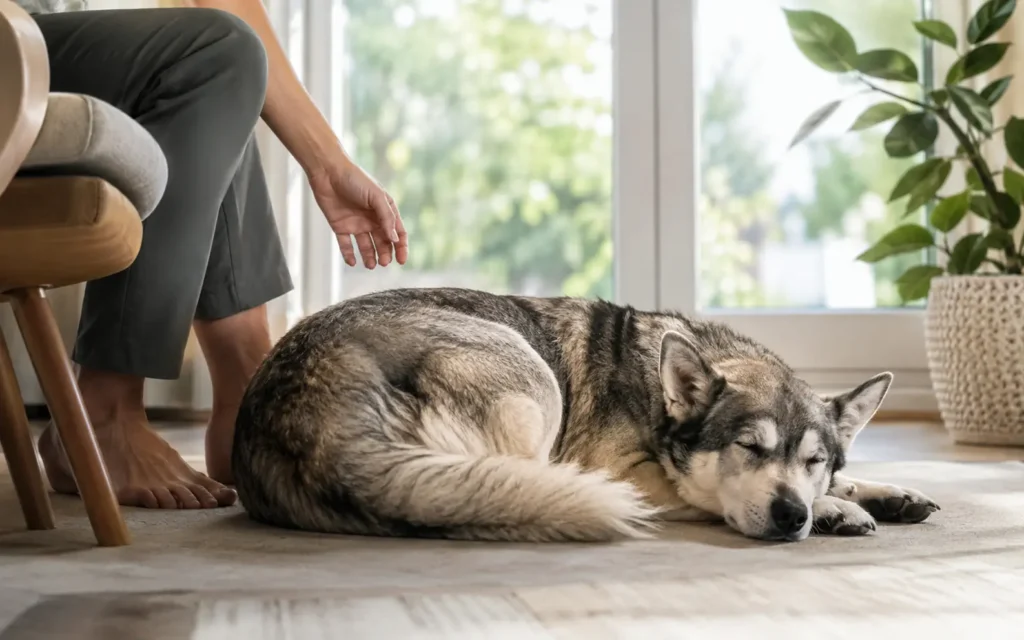
By sleeping back-to-back, a pack could create a defensive perimeter. Each dog covered a different field of vision. If an intruder approached, the dog facing that direction would instantly alert the rest of the group.
When your dog sleeps with their back to you, they are replicating this ancient survival strategy. They are essentially saying, ‘I will watch this side of the room, and I know you will watch the other.’ It is a partnership built on mutual survival.
A golden retriever curls up at the foot of the bed, pressing its lower back against its owner’s feet while keeping its head pointed toward the open bedroom door.
Do not force your dog to turn around and face you if they have already settled down. This can cause confusion and make them feel unsafe.
- Eliminates blind spots in the room
- Maintains a defensive posture without sacrificing comfort
- Creates a physical connection that reinforces pack bonds
- Allows the dog to react quickly to sounds near the doorway
Distinguishing Trust from Pain or Discomfort
While turning their back is usually a sign of comfort and trust, sudden changes in your dog’s sleeping habits deserve close attention. Sometimes, a dog will turn away because they are experiencing physical discomfort and want to protect a sore area from accidental contact.
If your dog has always slept facing you or curled up in your arms and suddenly shifts to sleeping with their back turned, look for other subtle signs of distress. Stiff joints, reluctance to climb onto the bed, or a tense posture can indicate that something is wrong.
Use the comparison table below to help determine if your dog’s sleeping position is a healthy sign of trust or a defensive reaction to pain.
An older German Shepherd suddenly starts sleeping with its back turned and growls softly when the owner tries to adjust their position, indicating potential hip dysplasia pain.
Assuming a sudden change in sleeping posture is just a behavioral quirk, especially in senior dogs.
| Behavioral Sign | Healthy Trusting Sleep | Potential Pain or Discomfort |
|---|---|---|
| Body Posture | Relaxed, loose muscles, soft breathing | Tense, stiff limbs, rapid or shallow breathing |
| Reaction to Touch | Leans into your touch or remains asleep | Wincing, growling, stiffening, or moving away |
| Tail Position | Loose, relaxed, or gently curled | Tucked tightly between the legs or held stiffly |
| Overall Energy | Playful and active during waking hours | Lethargic, reluctant to jump, or restless at night |
The psychological evolutionary and physical
Trust. Ultimate Trust and Vulnerability
In the wild, a dog’s back is their most vulnerable area because they cannot see threats coming from behind. Sleeping with their back to you means they trust you completely to protect them from any danger while they are unconscious.
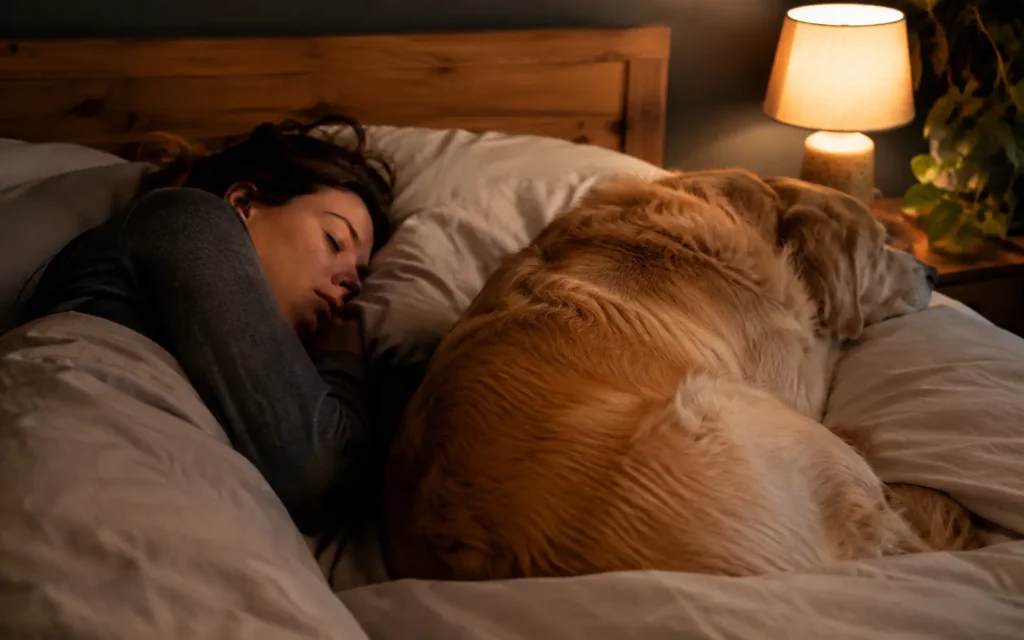
- If your dog leans their weight against you while their back is turned, it confirms they feel entirely secure in your care.
- Primary Emotion – Security
- Vulnerability Level – High
Instinct. The Protective Pack Instinct
Wild canine packs sleep in a tight circle, often back-to-back. This position allows them to face outward in all directions, eliminating blind spots and keeping the entire group safe from predators. Your dog views you as part of their pack.
- Notice if your dog faces the bedroom door while keeping their back to you; they are likely acting as your self-appointed guardian.
- Primary Emotion – Protectiveness
- Vulnerability Level – Medium
Comfort. Physical Contact and Reassurance
Dogs are social sleepers who crave physical contact. Turning their back allows them to press their body against yours for warmth and reassurance while still keeping their nose and eyes pointed toward the rest of the room.
- Allowing your dog to maintain this contact helps lower their cortisol levels and promotes deeper, more restful sleep.
- Primary Emotion – Affection
- Vulnerability Level – Low
Temperature Regulation
Sleeping face-to-face with a human can get incredibly warm due to shared breath and direct facial heat. Turning around allows your dog to stay close to you without overheating, keeping their sensitive snout exposed to cooler air.
- If your dog moves away after a few minutes of cuddling, they are likely just trying to find a cooler spot on the bed.
- Primary Emotion – Practicality
- Vulnerability Level – Low
FAQs
Is my dog mad at me if they turn their back to sleep?
No, dogs do not hold grudges or use silent-treatment tactics like humans do. Turning their back is a sign of comfort and safety, indicating they feel completely secure around you.
Why does my dog press their bottom directly against me?
This is a behavior known as ‘hip touching.’ It is a scent-sharing and bonding tactic. By pressing their rear against you, they are maintaining physical contact while keeping their defensive senses pointed outward.
Should I try to cuddle my dog if they turn away?
It is best to let them sleep in the position they choose. Forcing a dog to turn around or hugging them tightly when they want space can cause sleep startle or make them feel trapped.
Why do some dogs sleep with their back against the wall?
This is similar to sleeping with their back to you. The wall acts as a solid barrier, ensuring that no threats can approach them from behind, which helps them relax and sleep more deeply.
Conclusion
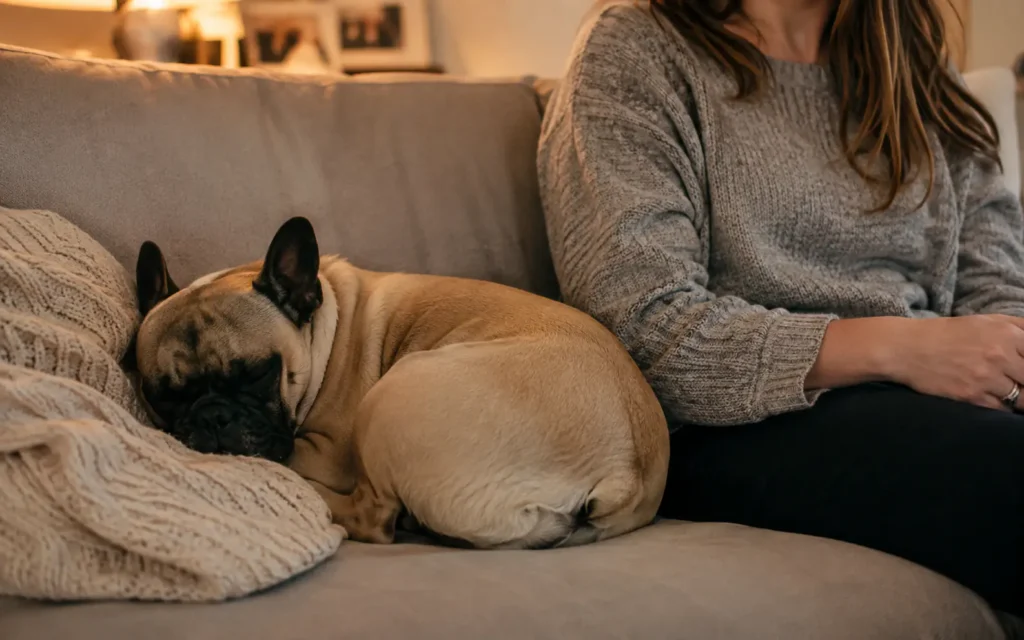
The next time your dog turns their back to you at bedtime, you can smile knowing that your bond is incredibly strong. Far from a sign of rejection, this common canine posture is a beautiful display of trust, love, and ancestral instinct. Your dog is choosing to share their most vulnerable moments with you because they know you will keep them safe.
As long as your dog is relaxed, healthy, and showing no signs of pain, let them enjoy their preferred sleeping position. By respecting their natural instincts and giving them the space to sleep comfortably, you are reinforcing the safety and security that makes your home their favorite place to be.
Related posts
 How to Strengthen Weak Nails: A Practical Guide to Daily Care
Learn how to strengthen weak nails with simple daily habits, protective care, and targeted hydration. Restore your natural nail strength today. Weak, peeling, or brittle nails…
 What Sounds Do Cats Dislike? 7 Noises That Stress Your Pet
Discover what sounds do cats dislike and why. Learn how to protect your cat’s sensitive hearing from stressful household noises and high-frequency hums. Cats dislike sounds…
 Restoring Faded Black Clothing: Practical Methods and Reality Checks
Can you restore faded black clothing? Learn the difference between temporary color revival and permanent redyeing, plus how to prevent future fading. You can restore the…