
What Is The Best Anti-Aging Skincare Routine
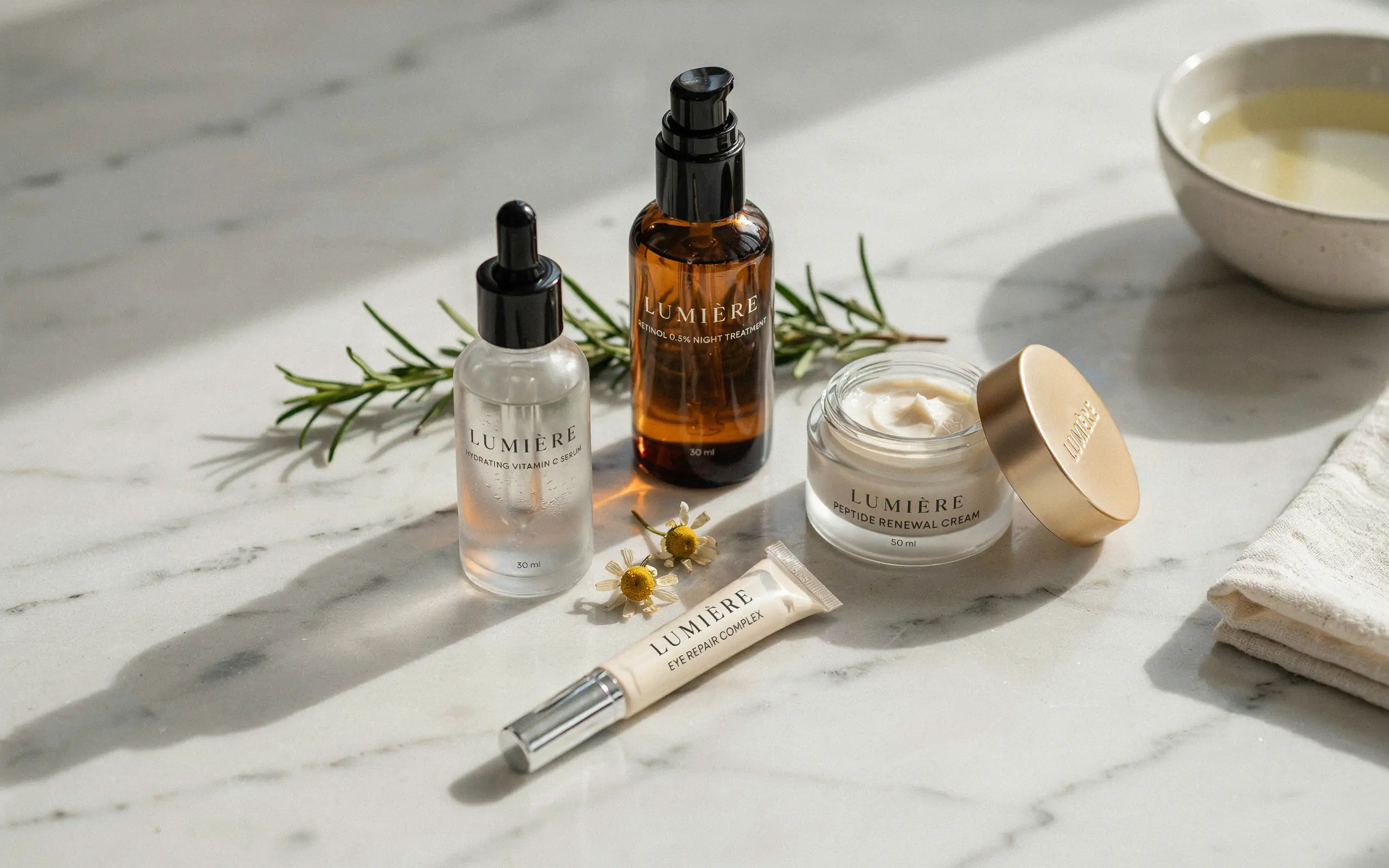
If you are asking what is the best anti-aging skincare routine, dermatologists agree it starts with daily sunscreen and a few key active ingredients. The best anti-aging skincare routine combines morning protection with nighttime repair for visible results.
Ask ten people about the best anti-aging skincare routine, and you might get ten different answers. Some swear by expensive serums. Others believe in simple washing and moisturizing. With so many products on store shelves, it is easy to feel confused about where to start.
Here is some good news. The best anti-aging skincare routine does not need to be complicated or costly. Board-certified dermatologists agree that a few simple steps, done consistently, make the biggest difference in how your skin ages. You do not need a shelf full of products to see real results.
This guide breaks down exactly what dermatologists recommend for the best anti-aging skincare routine. Whether you are in your 30s, 40s, 50s, or beyond, these steps will help you protect your skin, reduce fine lines, and maintain a healthy glow.
“Sunscreen protects the skin against both UVA and UVB radiation,” said Natalie M. Curcio, MD, a Nashville-based dermatologist. “While exposure to UVB rays can cause the DNA mutations that lead to skin cancer, UVA rays are primarily responsible for signs of skin aging.”
Let us walk through everything you need to know about building the best anti-aging skincare routine for your unique skin.
Why a Consistent Routine Matters More Than Expensive Products
Consistency beats price every time. The best anti-aging skincare routine is the one you will actually follow each day. Dermatologists emphasize that using basic products regularly produces better results than using fancy products sporadically.
Think of your skin like a garden. You cannot water it once a week and expect flowers to bloom. Your skin needs daily care to stay healthy and resilient. Sunscreen, moisturizer, and a few targeted treatments work best when you use them without skipping days.
Many people make the mistake of buying expensive creams but forgetting to apply sunscreen. Others use retinol one night and then stop because their skin feels dry. The best anti-aging skincare routine requires patience. Results take weeks or months to appear. Stick with it, and your skin will thank you.
The Morning Routine: Protection First
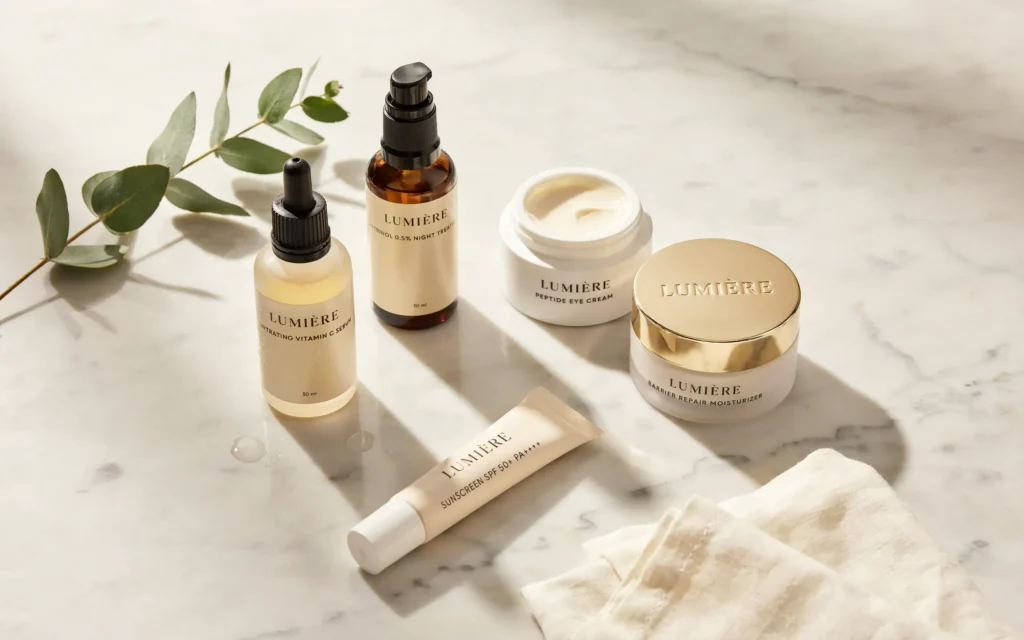
Your morning routine sets the stage for the entire day. The goal is to protect your skin from sun damage, pollution, and other environmental stressors. Here is what the best anti-aging skincare routine looks like in the morning.
Step 1: Gentle Cleanser
Start your day by washing away oil, sweat, and product residue from the night before. Choose a gentle, hydrating cleanser that does not strip your skin’s natural moisture. Cream or oil-based cleansers work well for mature skin because they clean without drying.
Look for cleansers with ingredients like glycerin, ceramides, or soothing botanical extracts. Avoid harsh soaps or cleansers that leave your skin feeling tight or squeaky clean. That tight feeling means you have damaged your skin barrier.
Step 2: Vitamin C Serum
After cleansing, apply a vitamin C serum. This is one of the most important steps in the best anti-aging skincare routine. Vitamin C is a powerful antioxidant that protects your skin from sun damage and free radicals.
Vitamin C also helps brighten your complexion, fade dark spots, and support collagen production. The most effective formulations contain 15% L-ascorbic acid along with vitamin E and ferulic acid. Apply it before your sunscreen for maximum protection.
Step 3: Moisturizer
Even if you have oily skin, moisturizing is essential. As we age, our skin loses moisture faster. A good moisturizer keeps your skin barrier healthy and prevents water loss.
Choose a moisturizer formulated for your skin type. If you have dry skin, look for richer creams with ceramides or hyaluronic acid. If your skin is oily, choose a lightweight, oil-free formula.
Step 4: Sunscreen (The Non-Negotiable Step)
Here is the most important part of the best anti-aging skincare routine. Sunscreen. Every single day. Rain or shine. Indoors or outdoors.
Dermatologists agree that sunscreen is the single most effective anti-aging product you can use. It protects against UV rays that break down collagen, cause dark spots, and lead to premature aging.
Choose a broad-spectrum sunscreen with SPF 30 or higher. Apply it as the last step in your morning routine, after moisturizer. Use about one teaspoon for your face and neck. Reapply every two hours if you spend time outdoors.
Morning Routine Summary Table
| Step | Product | Purpose |
|---|---|---|
| 1 | Gentle Cleanser | Remove overnight buildup without stripping skin |
| 2 | Vitamin C Serum | Protect against free radicals and brighten skin |
| 3 | Moisturizer | Hydrate and support skin barrier |
| 4 | Sunscreen SPF 30+ | Prevent UV damage and premature aging |
The Nighttime Routine: Repair and Renew
While you sleep, your skin goes into repair mode. The best anti-aging skincare routine takes advantage of this natural process. Nighttime is when you use stronger active ingredients that work best without sun exposure.
Step 1: Double Cleanse (If Needed)
If you wore makeup or sunscreen during the day, start with an oil-based cleanser or makeup remover. Follow with your regular gentle cleanser. This two-step process ensures you remove all product buildup and impurities.
Step 2: Retinol or Retinoid
Retinol is the gold standard for nighttime skin restoration. It is one of the few ingredients that consistently demonstrates collagen stimulation in scientific studies.
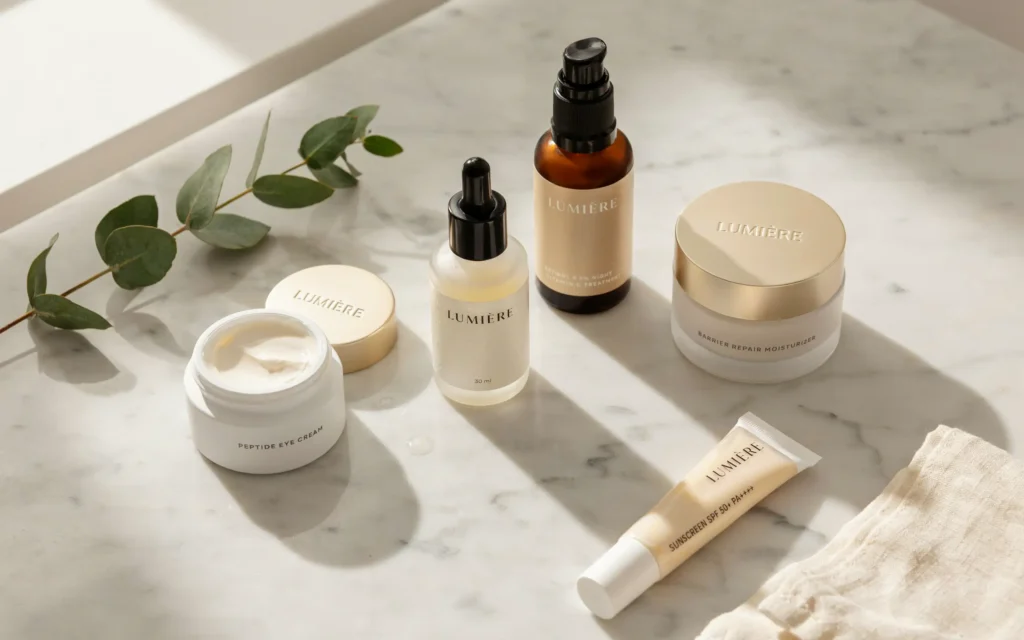
Retinol works by accelerating skin cell turnover. This helps reduce fine lines, improve skin texture, and fade dark spots. Over-the-counter retinol is available without a prescription. Stronger prescription retinoids like tretinoin are also options.
If you are new to retinol, start slowly. Apply it every other night or even twice a week. Your skin needs time to adjust. Some redness, dryness, or irritation is common for the first few weeks. If irritation continues, talk to a dermatologist about alternatives.
“After years of use, many patients find that they have reached a ceiling on visible improvement,” explained Dr. Curcio. “For many patients in their 40s and 50s, accelerating turnover alone may no longer address everything that is happening biologically in the skin.”
Step 3: Hydrating Serum or Moisturizer
After retinol, apply a hydrating serum or moisturizer. This helps soothe your skin and prevent dryness. Look for ingredients like hyaluronic acid, peptides, or ceramides.
Hyaluronic acid is a humectant that holds up to 1,000 times its weight in water. It plumps the skin and reduces the appearance of fine lines. Peptides support firmness and elasticity.
Step 4: Eye Cream (Optional)
The skin around your eyes is thinner and more delicate than the rest of your face. An eye cream can help soften fine lines, minimize puffiness, and support collagen production in this area. This step is optional but helpful for many people.
Nighttime Routine Summary Table
| Step | Product | Purpose |
|---|---|---|
| 1 | Cleanser (Double if needed) | Remove dirt, oil, and makeup |
| 2 | Retinol/Retinoid | Boost cell turnover and collagen |
| 3 | Hydrating Moisturizer | Soothe and repair skin barrier |
| 4 | Eye Cream (Optional) | Target delicate under-eye area |
The Three Pillars of the Best Anti-Aging Skincare Routine
Dermatologists consistently point to three key ingredients as the foundation of any effective anti-aging plan. These are sunscreen, vitamin C, and retinol. Together, they form the core of the best anti-aging skincare routine.
Sunscreen: Your Daily Shield
Sunscreen is not optional. It is the most important product in your routine. UV exposure is one of the fastest ways to break down collagen and cause premature aging. Daily sunscreen use slows down aging, preserves collagen, and keeps your skin healthy long-term.
Vitamin C: Morning Protection
Vitamin C defends your skin against environmental damage. It neutralizes free radicals from sun exposure and pollution. It also helps brighten uneven skin tone and supports collagen production. Use it every morning under your sunscreen.
Retinol: Nighttime Renewal
Retinol is the most well-researched anti-aging ingredient available without a prescription. It speeds up cell turnover, stimulates collagen production, and improves skin texture. Use it at night, and always follow with moisturizer.
Skin Cycling: A Smart Way to Use Actives
Skin cycling is a strategy that many dermatologists recommend. It involves alternating active ingredients with rest nights to prevent irritation.
The basic skin cycling schedule looks like this:
- Night 1: Exfoliate with a chemical exfoliant like glycolic or lactic acid
- Night 2: Apply retinol or retinoid
- Night 3: Rest night (just cleanse and moisturize)
- Night 4: Rest night (just cleanse and moisturize)
Then repeat the cycle.
This approach gives your skin time to recover between active treatments. It helps you get the benefits of exfoliants and retinol without overwhelming your skin barrier.
“Although age-defying ingredients like glycolic acid and retinal are great for promoting healthy skin turnover, it can be important to set aside days to stick to gentle, hydrating ingredients,” said Dr. Weimann.
Skin cycling works well for many people, especially those with sensitive skin or those new to active ingredients. If you are unsure about the right schedule for your skin, consider talking with a dermatologist.
Adjusting Your Routine by Age
The best anti-aging skincare routine changes as your skin changes. Here is what dermatologists recommend for different decades.
In Your 30s
In your 30s, collagen production starts to slow down. Focus on prevention. Use sunscreen daily, start a vitamin C serum in the morning, and introduce retinol at night. Hyaluronic acid can help maintain hydration.
In Your 40s
Fine lines and dark spots may become more noticeable. Continue with sunscreen, vitamin C, and retinol. Consider adding peptides to support firmness. Rich moisturizers with ceramides help nourish mature skin.
In Your 50s and Beyond
Skin becomes drier and thinner. Use richer, more hydrating products. Higher-strength retinol or prescription retinoids may be beneficial. Look for creams with peptides, ceramides, and other barrier-supporting ingredients.
Common Mistakes to Avoid
Even with the best anti-aging skincare routine, mistakes can happen. Here are some common errors and how to fix them.
Skipping Sunscreen
This is the biggest mistake people make. Many people only use sunscreen on sunny days or when they go to the beach. UV rays penetrate clouds and windows. Use sunscreen every day, even when you are indoors.
Using Too Many Actives at Once
Applying retinol, vitamin C, exfoliating acids, and other strong ingredients all at once can damage your skin barrier. Space out your active ingredients. Use vitamin C in the morning and retinol at night. Exfoliate only a few times per week.
Not Moisturizing Enough
As we age, our skin loses moisture faster. Dry skin looks older and shows more fine lines. Use a good moisturizer morning and night. Look for ingredients like ceramides, hyaluronic acid, and glycerin.
Expecting Overnight Results
Anti-aging products take time to work. You will not see dramatic changes in a few days. Give your routine at least a few weeks or months before judging the results. Be patient and consistent.
Lifestyle Factors That Support Your Routine
The best anti-aging skincare routine works better when you support it with healthy habits. What you do off your skin matters just as much as what you put on it.
Sleep
Your skin repairs itself while you sleep. Aim for 7 to 9 hours of quality sleep each night. Poor sleep can lead to dull skin and more visible signs of aging.
Hydration
Drink enough water throughout the day. Hydrated skin looks plumper and healthier. Water supports your skin from the inside out.
Diet
Eat a balanced diet rich in fruits, vegetables, and healthy fats. Antioxidant-rich foods help protect your skin from damage. Omega-3 fatty acids support skin barrier function.
Stress Management
Chronic stress can accelerate aging. Find healthy ways to manage stress, such as exercise, meditation, or spending time with loved ones. Your skin will reflect your overall wellbeing.
Frequently Asked Questions
What is the best anti-aging skincare routine for beginners?
Start with the basics: a gentle cleanser, a moisturizer, and a sunscreen with SPF 30 or higher. Once you are consistent with these three steps, add a vitamin C serum in the morning and a retinol product at night. This simple approach forms the best anti-aging skincare routine for most people.
Can I use vitamin C and retinol together?
Yes, but not at the same time. Use vitamin C in the morning and retinol at night. This prevents skin irritation and allows each ingredient to work effectively. Vitamin C protects during the day, while retinol repairs at night.
How long does it take to see results from an anti-aging routine?
Most people see noticeable improvements after 6 to 12 weeks of consistent use. Retinol and vitamin C work gradually. Be patient and stick with your routine. Results accumulate over time.
What SPF should I use for the best anti-aging skincare routine?
Choose a broad-spectrum sunscreen with SPF 30 or higher. Apply it every morning as the last step of your routine. Reapply every two hours if you are outdoors.
Is expensive skincare better than drugstore brands?
Not necessarily. Effective anti-aging products come in all price ranges. What matters most is the ingredients and how consistently you use them. Look for products with proven ingredients like retinol, vitamin C, and sunscreen, regardless of the price tag.
Should I exfoliate as part of my anti-aging routine?
Yes, but gently. Chemical exfoliants like glycolic acid or lactic acid can help smooth skin texture and reduce fine lines. Exfoliate 1 to 3 times per week, depending on your skin’s tolerance. Over-exfoliating can damage your skin barrier.
What if my skin is too sensitive for retinol?
Start with a lower concentration and use it less frequently. Apply retinol every third night or twice a week. You can also try a gentler retinol alternative like bakuchiol. Always follow retinol with a good moisturizer to reduce irritation.
Conclusion
The best anti-aging skincare routine does not need to be complex. Dermatologists agree that a few key steps make the biggest difference. Protect your skin with daily sunscreen. Use vitamin C in the morning to defend against environmental damage. Apply retinol at night to support cell renewal and collagen production.
Consistency matters more than perfection. The best anti-aging skincare routine is the one you will follow every day. Start with the basics: cleanse, moisturize, and protect. Add active ingredients slowly. Give your skin time to adjust and respond.
Remember that your skin changes over time. Adjust your routine as needed. Pay attention to how your skin feels and looks. What works in your 30s may need tweaking in your 50s.
Above all, be patient and kind to your skin. Aging is a natural process. The best anti-aging skincare routine helps your skin look and feel its best at every age. It supports your skin’s health, protects against damage, and helps you maintain a natural, healthy glow.
Start today. Your future self will thank you.
Related posts
 How to Strengthen Weak Nails: A Practical Guide to Daily Care
Learn how to strengthen weak nails with simple daily habits, protective care, and targeted hydration. Restore your natural nail strength today. Weak, peeling, or brittle nails…
 What Sounds Do Cats Dislike? 7 Noises That Stress Your Pet
Discover what sounds do cats dislike and why. Learn how to protect your cat’s sensitive hearing from stressful household noises and high-frequency hums. Cats dislike sounds…
 Restoring Faded Black Clothing: Practical Methods and Reality Checks
Can you restore faded black clothing? Learn the difference between temporary color revival and permanent redyeing, plus how to prevent future fading. You can restore the…