
What Makeup Is Best For Oily Skin
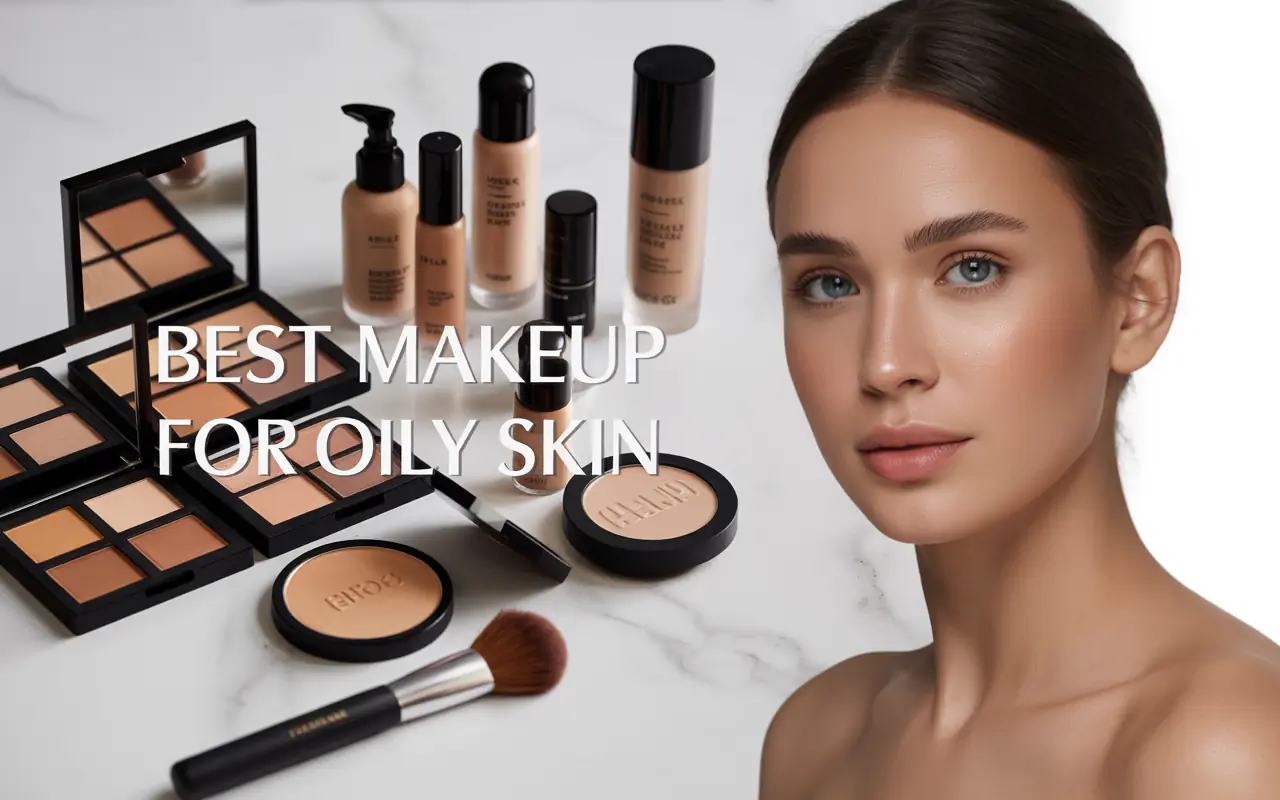
Need to know what makeup is best for oily skin? This guide shares oil-control foundations, mattifying primers, and setting powders that keep shine away for hours.
If you have oily skin, you already know the struggle. You put on your makeup in the morning looking fresh and matte, but by lunchtime, your face looks shiny, your foundation starts sliding off, and your powder seems to have vanished. I have been there too. After years of testing products and learning from dermatologists and professional makeup artists, I finally figured out what actually works.
So let me answer the big question: What makeup is best for oily skin? The right products control excess sebum, resist breaking down from oil, and give you a natural matte finish without looking cakey or flat. In this guide, I will share specific product types, key ingredients to look for, and a simple routine that keeps your makeup looking fresh all day.
Understanding Your Oily Skin
Before we talk about products, let us quickly understand why your skin produces so much oil. Your sebaceous glands make sebum to protect and hydrate your skin. But sometimes they go into overdrive due to hormones, genetics, stress, or even using the wrong skincare.
The good news? Oily skin actually ages slower than dry skin because the natural oil keeps wrinkles away longer. But when it comes to makeup, oil can break down formulas and cause them to separate or look patchy. That is why choosing the right products matters so much.
How Oil Affects Makeup
Oil breaks down the binders in foundation and concealer. It also makes powder clump together instead of sitting smoothly. Many people with oily skin make the mistake of skipping moisturizer, thinking that will reduce shine. In fact, dehydrated oily skin produces even more oil to compensate. So proper skincare is the first step to making any makeup work better.
Quote #1: “The biggest mistake I see with oily skin clients is using harsh, drying products. When you strip the skin, it fights back by producing more oil. A gentle, hydrating routine actually reduces shine over time.” – Dr. Michelle Lee, Board Certified Dermatologist
How to Choose the Right Foundation
Foundation is the base of your whole look. The wrong one will slide off within hours. So when asking what makeup is best for oily skin, start with foundation. Here are the key features to look for:
- Oil-free or water-based formulas – These do not add extra grease.
- Non-comedogenic – Will not clog your pores.
- Matte or natural finish – Avoid dewy or radiant finishes.
- Long-wear or transfer-resistant – Designed to stay put.
- Light to medium coverage – Heavy formulas can feel greasy.
Avoid foundations that contain coconut oil, mineral oil, or heavy silicones high on the ingredient list. Instead, look for ingredients like silica, kaolin clay, or rice starch that absorb excess oil throughout the day.
Table 1: Best Foundation Types for Oily Skin
| Foundation Type | Oil Control Level | Best For | Texture |
|---|---|---|---|
| Powder Foundation | High | Light coverage, touch-ups | Dry, silky |
| Matte Liquid Foundation | Medium to High | Full coverage, long wear | Thin, fast-drying |
| Stick Foundation | Medium | Spot concealing, travel | Creamy but sets matte |
| Mineral Foundation | Medium | Sensitive skin | Loose, fine powder |
Best Foundation Types for Oily Skin
Let me break down each foundation type so you can pick what fits your daily needs.
Powder Foundation
Powder foundation is often the answer to what makeup is best for oily skin for those who want a quick, no-fuss routine. It contains absorbent ingredients that soak up oil instantly. You can apply it with a sponge for more coverage or a fluffy brush for a lighter finish. It also works great for touching up during the day. The only downside? It can look dry on flaky patches if you have combination skin.
Matte Liquid Foundation
This is the most popular choice. A good matte liquid foundation dries down to a velvet finish and stays in place for 8 to 12 hours. Many are self-setting, meaning you do not always need powder on top. Look for terms like “oil-control,” “shine-free,” or “long-wear” on the label. Apply with a damp sponge for a more natural look or a dense brush for fuller coverage.
Stick Foundation
Stick foundations are very convenient for travel or quick application. They feel creamy but dry down to a matte finish. You can swipe them directly on your face and blend with a brush or sponge. Some stick foundations have waxes that help them grip onto oily skin. Just be careful not to use too much, as layering can feel heavy.
Mineral Foundation
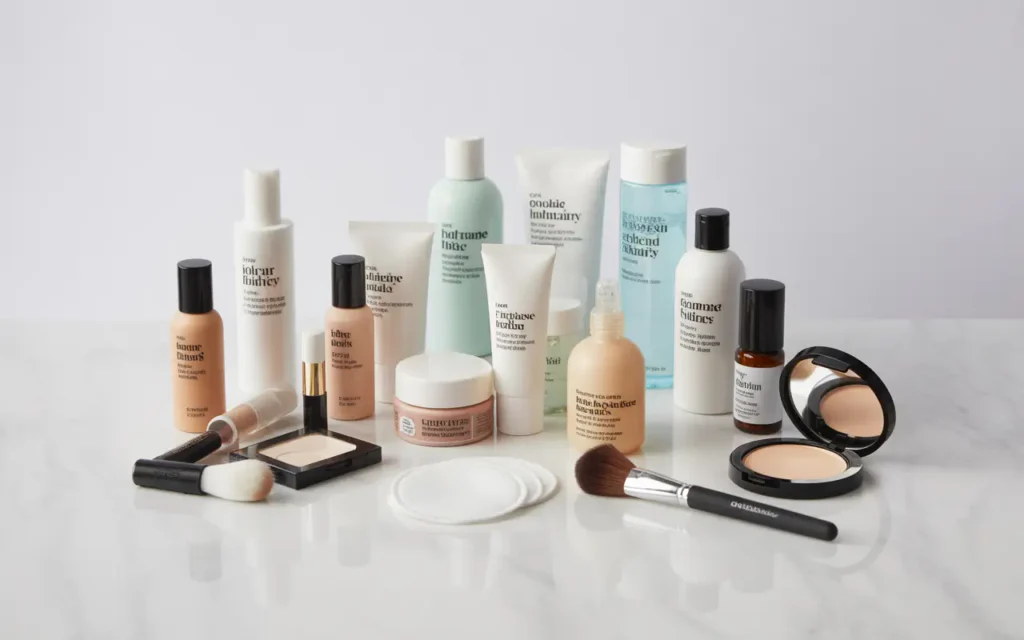
Loose mineral powders with few ingredients are excellent for sensitive, acne-prone oily skin. They usually contain zinc oxide or titanium dioxide, which have anti-inflammatory properties. Since they have no liquids, they do not break down from oil. However, they offer lighter coverage, so you may need concealer for spots or redness.
The Role of Primer
Primer creates a barrier between your skin and foundation. It smooths out texture, fills pores, and gives your makeup something to stick to. For oily skin, a mattifying primer is essential. It controls shine and helps your foundation last much longer.
What makeup is best for oily skin without a good primer? Honestly, no foundation will perform its best if you skip this step. Apply primer only on your oiliest areas: the T-zone (forehead, nose, chin). You can skip your cheeks if they are normal or dry.
Look for silicone-based primers with dimethicone. They create a smooth, non-greasy layer. Some primers also contain salicylic acid to fight breakouts. Apply a pea-sized amount and let it sit for 60 seconds before putting on foundation.
Table 2: Primer Ingredients to Look For
| Ingredient | What It Does | Best For |
|---|---|---|
| Silica | Absorbs oil instantly | Shiny T-zone |
| Dimethicone | Fills pores, creates slip | Smooth application |
| Niacinamide | Regulates oil production over time | Long-term control |
| Kaolin Clay | Mattifies without drying | Oily + sensitive skin |
Setting Powders and Sprays
These are your finishing touches. A setting powder locks liquid products in place. A setting spray melts everything together and adds another layer of oil control.
Setting Powder
Loose translucent powder is the gold standard for oily skin. It soaks up excess oil and stops your foundation from moving. Press it into your skin with a damp sponge (baking method) or dust it lightly with a fluffy brush. Avoid powders with shimmer or glow. They will make you look greasy within an hour.
Pressed powders are more portable. You can keep one in your bag for quick touch-ups. Just blot away the shine first, then reapply powder. Never pile powder on top of oily skin without blotting first. It will look cakey.
Quote #2: “I tell all my oily skin clients to keep two things in their purse: blotting papers and a pressed powder. Blot first, then powder. Doing it the other way just makes mud.” – James Chen, Celebrity Makeup Artist
Setting Spray
A mattifying setting spray locks your makeup and controls oil at the same time. Hold it eight inches from your face and mist evenly. Some sprays have alcohol, which can be drying. Use those only if your skin is very oily. For moderately oily skin, look for sprays with green tea extract or witch hazel. These control oil without stripping your skin.
Step-by-Step Makeup Routine for Oily Skin
Now let me put everything together into a simple daily routine. This is the practical answer to what makeup is best for oily skin because even the best products need the right order.
Step 1: Cleanse
Use a gentle, foaming cleanser for oily skin. Do not use hot water. Lukewarm is best.
Step 2: Moisturize
Yes, you need moisturizer. Choose an oil-free, gel-based formula. Let it absorb for two minutes.
Step 3: Prime
Apply mattifying primer to your T-zone. Wait 60 seconds.
Step 4: Conceal (if needed)
Use a matte, long-wear concealer on blemishes or dark circles. Blend with your finger or a small brush.
Step 5: Foundation
Apply your chosen foundation. Start with a thin layer, then build more only where needed.
Step 6: Set with Powder
Lightly dust translucent powder all over your face. Pay extra attention to your nose and forehead.
Step 7: Setting Spray
Mist your face with a mattifying setting spray. Let it dry naturally.
Step 8: Touch-ups
Carry blotting papers and pressed powder. Blot before you get shiny, about every three to four hours.
Common Mistakes to Avoid
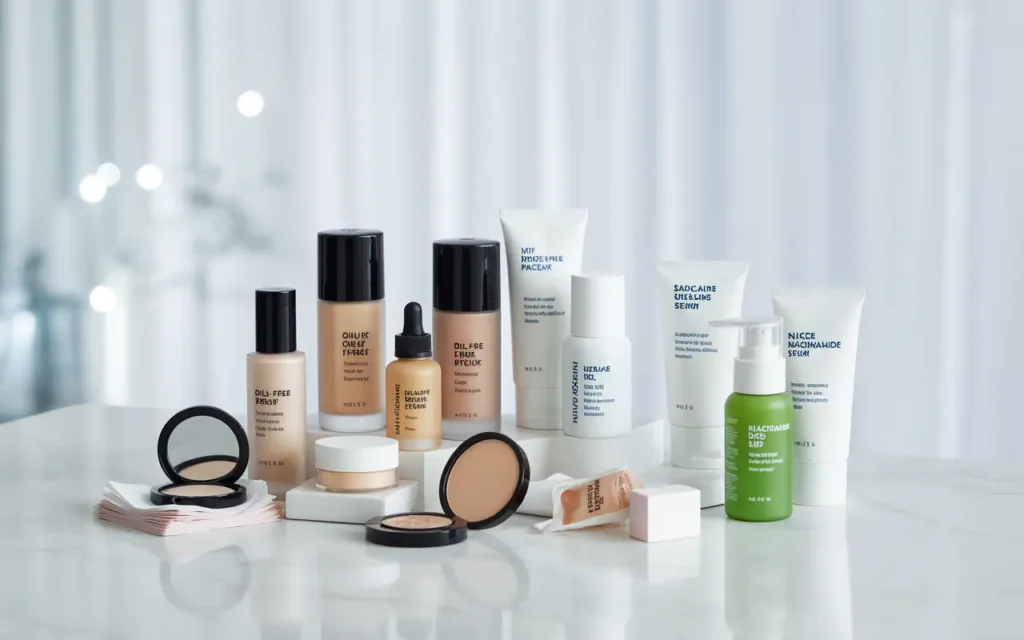
Even when you know what makeup is best for oily skin, small mistakes can ruin your look. Here are the most common ones I see:
Skipping moisturizer – As I said before, this backfires. Your skin produces more oil to make up for the dryness.
Using too much powder – Heavy powder looks thick and settles into fine lines. Less is more.
Not letting products dry – Layering wet products on top of each other makes them slide. Give each step 30 to 60 seconds.
Touching your face – Your fingers transfer oil and bacteria. Try to keep your hands away.
Using the wrong tools – Dirty brushes and sponges add oil and breakouts to your skin. Wash them weekly.
Quote #3: “Many of my clients think they need to buy expensive ‘medical grade’ products. But drugstore brands like L’Oreal and Maybelline make excellent matte foundations. Price does not always mean better for oily skin.” – Sarah Kim, Professional Esthetician
Extra Tips for Long-Lasting Makeup
Here are some bonus tips that have helped me and many others keep makeup looking fresh:
- Blot before you powder. Press blotting paper against your skin. Do not rub. Then apply a thin layer of pressed powder.
- Try a powder foundation for touch-ups. It is easier to carry than liquid and works faster.
- Use a face mist between steps. A light, oil-control mist can refresh your makeup without adding shine.
- Change your pillowcase often. Oil and bacteria build up on fabric and transfer back to your skin.
- Consider niacinamide serum. This ingredient reduces oil production over time. Use it in your nighttime routine.
Frequently Asked Questions
1. What makeup is best for oily skin and large pores?
Look for a silicone-based primer that fills pores, followed by a matte liquid foundation. Finish with translucent powder. The silicone creates a smooth base, and the powder keeps oil from pooling in your pores.
2. Can I use cream products like blush and bronzer?
Yes, but choose cream-to-powder formulas. They start creamy but dry to a matte finish. Avoid dewy cream blushes. Better yet, use powder blushes and bronzers for the most reliable oil control.
3. How do I stop my foundation from separating on my nose?
Your nose is often the oiliest spot. Apply a very thin layer of primer there. Use less foundation on your nose than the rest of your face. Set it immediately with powder using a pressing motion, not sweeping.
4. Is drugstore makeup good for oily skin?
Absolutely. Brands like Maybelline (Fit Me Matte + Poreless), L’Oreal (Infallible Pro-Matte), and Rimmel (Stay Matte) are excellent choices. Many professional makeup artists use these on clients with oily skin.
5. How often should I wash my makeup brushes?
At least once a week. Dirty brushes collect oil, old makeup, and bacteria. They will make your fresh makeup break down faster and cause breakouts.
6. Does setting spray really help with oil?
Yes, but you need a mattifying setting spray, not a hydrating one. Read the label. Look for words like “oil-control” or “matte finish.” Urban Decay De-Slick and NYX Matte Finish are good examples.
7. Should I use oil-absorbing sheets or regular tissue?
Oil-absorbing sheets (like Clean & Clear or supermarket brands) work best. They soak up oil without disturbing your makeup. Regular tissues can leave fibers behind and may not absorb as well.
8. What makeup is best for oily skin during summer?
Switch to a powder foundation or a very lightweight matte liquid. Use a primer with SPF (oil-free). Skip heavy creams. Keep blotting papers in your bag. Summer heat increases oil production, so lighter products work better.
Conclusion
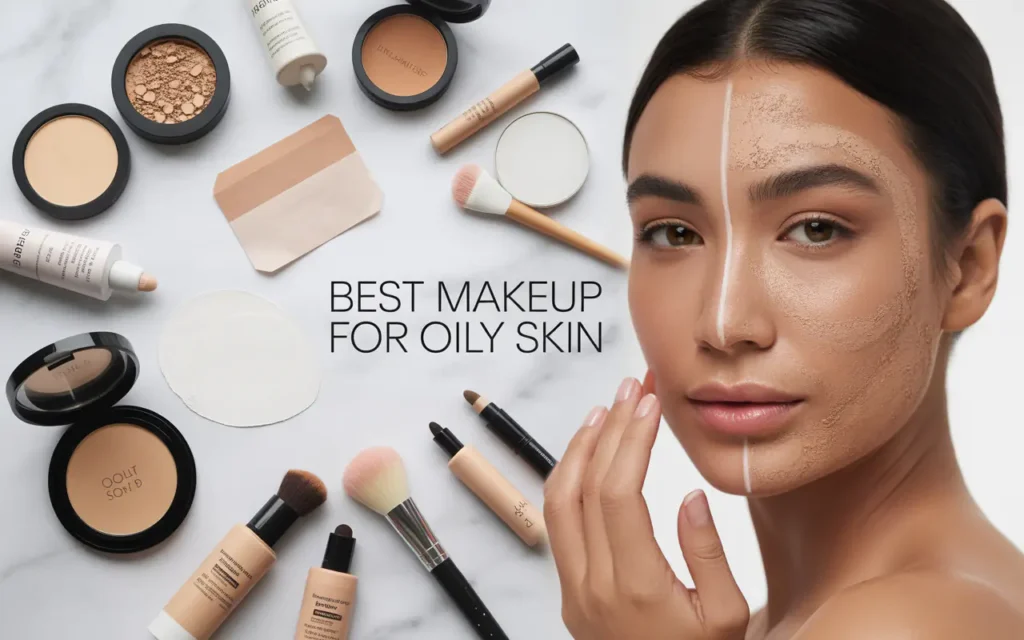
Finding the answer to what makeup is best for oily skin does not have to be hard. The key is choosing oil-free, matte-finish products and using them in the right order. Start with gentle skincare, always use a mattifying primer, pick a long-wear foundation, set everything with powder, and finish with a setting spray. Keep blotting papers and pressed powder for touch-ups during the day.
Remember that your skin is unique. What works for your friend may not work for you. Test one new product at a time. Give it a few days to see how your skin reacts. And do not forget to remove your makeup completely every night. Oily skin still needs love and care, not harsh treatments.
With the right products and a little practice, you can enjoy makeup that stays fresh, shine-free, and beautiful from morning to night. Now go ahead and build your own oily skin makeup kit. You have got this.
Related posts
 Best Compact Powder for Women: 2026 Buyer Guide
Finding the best compact powder for women in 2026. We compare top-rated matte, mineral, and lightweight pressed powders to help you choose the right finish. Finding…
 Best Casual Wear for Women: 2026 Style and Comfort Essentials
Discover the best casual wear for women in 2026. We compare top-rated trousers and versatile tops to help you build a comfortable, stylish everyday wardrobe. Finding…
 Best Claw Clips for Thick Hair in 2026
Finding the best claw clips for thick hair requires a balance of grip and size. Explore our top 2026 recommendations for secure, stylish, and reliable styling.…