
What is a Compression Tester? Function and Uses Explained
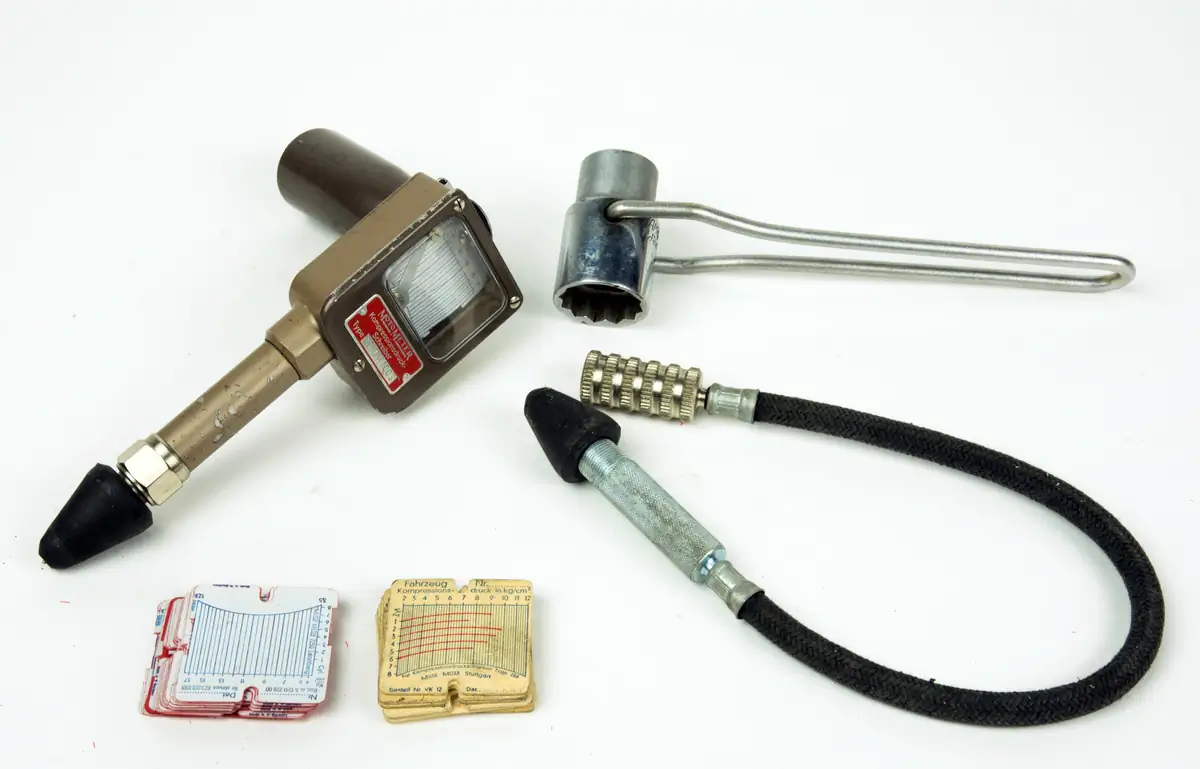
A compression tester is a specialized tool designed to measure the amount of force or pressure needed to compress a specific material or substance. Think of it as a device that quantifies resistance to being squeezed.
While the term can apply to various testing scenarios, its most common and widely recognized use is in automotive diagnostics. Here, a compression tester helps determine the health of an internal combustion engine by measuring the pressure within each cylinder. This information is vital for identifying potential engine problems before they become major issues.
| Topic | When it helps | What to keep in mind |
|---|---|---|
| 1 | DIY car owners, mechanics, automotive technicians | Requires proper connection to spark plug holes and a functioning starter motor. Readings must be compared across cylinders for accurate diagnosis. |
| 2 | Engineers, material scientists, quality control inspectors | Often more sophisticated and calibrated for precise measurements. Specific standards and procedures must be followed for accurate material property assessment. |
| 3 | Engineers, product designers, hobbyists working with mechanical parts | Accuracy depends on the tester’s calibration and the ability to securely hold the component being tested. |
What is a Compression Tester?
At its core, a compression tester is a measuring instrument. It’s designed to quantify the amount of force or pressure that is applied to, or generated by, a compressible object or system. The primary function is to determine how well something resists being squeezed or how much force it exerts when compressed.
While the concept is straightforward, the application dictates the specific design and complexity of the tester. The most familiar use is in automotive repair, where it’s indispensable for engine health checks. However, similar principles apply in material science and engineering for testing the physical properties of various substances.
Imagine trying to understand how much air a bicycle pump can hold; a compression tester for an engine does something similar, but measures the air pressure a cylinder can maintain.
How Does a Compression Tester Work?
The basic principle involves applying a force or measuring a force generated during a compression event. For automotive testers, this typically involves screwing a gauge into a spark plug hole. The engine’s starter motor then cranks the engine, causing the piston to move and compress the air-fuel mixture in that cylinder.

The tester’s gauge registers the peak pressure achieved during this compression stroke. This pressure is usually measured in pounds per square inch (PSI) or kilopascals (kPa). A healthy engine will produce a consistent and adequate level of compression across all cylinders. Deviations signal potential problems.
In material testing, the process is similar but involves placing a sample of the material between two plates or jaws. A controlled force is applied, and the tester measures how much force is needed to achieve a certain deformation or to cause failure. This helps engineers understand a material’s limits.
When you press down on a sponge, it resists. A compression tester quantifies that resistance. For an engine, it measures how much pressure the air-fuel mixture can build up in a cylinder when the piston moves up, acting like a very precise gauge for that ‘squeeze’.
Key Applications of Compression Testers
The most prevalent application for compression testers is in diagnosing the health of internal combustion engines. By measuring the compression in each cylinder, mechanics can identify issues that affect engine performance, fuel efficiency, and longevity. Problems like worn piston rings, damaged valves, or a compromised head gasket all manifest as reduced compression.
Beyond the automotive world, compression testers play a vital role in material science and quality control. They are used to test the compressive strength of materials like rubber, foam, plastics, and even concrete. This helps manufacturers ensure their products meet specific performance standards and can withstand intended loads.
In some specialized fields, these testers can also be used to verify the performance of springs or other mechanical components that rely on specific compression characteristics. This ensures that parts function as designed within a larger assembly.
A mechanic uses a compression tester on a car that’s running rough. If one cylinder shows significantly lower compression than the others, it points to a specific internal engine issue, like a leaky valve or worn piston rings, rather than a general electrical problem.

Assuming low compression automatically means a complete engine rebuild is needed. Often, simpler fixes like valve adjustments or head gasket replacements are possible.
Types of Compression Testers
Compression testers come in various forms, tailored to their intended use. The most common for automotive applications are handheld gauges that connect to spark plug holes. These often come with adapters for different spark plug sizes (e.g., 14mm and 18mm) and a hose to connect to the cylinder.
For industrial and laboratory use, compression testing machines can be significantly larger and more sophisticated. These machines often feature digital readouts, programmable test sequences, and the ability to apply much higher forces, sometimes with automated data logging.
Some testers are designed for specific components, like spring compressors that measure the force a spring exerts at a given length, or specialized testers for seals and gaskets.
A mechanic working on a classic car might use a tester designed for older engines with different spark plug thread sizes, while a materials engineer would use a much larger, more precise machine for testing steel samples.
Using a general-purpose compression tester for highly specialized material testing where specific calibration and load capacities are required.

Definition of a compression tester
- A compression tester measures the force or pressure required to compress something.
- Its primary use is to check the health of internal combustion engine cylinders.
- It works by measuring the resistance to compression within a confined space.
- Beyond engines, it’s used in material science to test how substances react to crushing forces.
- Different testers exist for specific applications, from engines to industrial materials.
Define what a compression tester
1. Automotive Engine Cylinder Tester
This is the most common type of compression tester. It’s used to measure the pressure built up inside each cylinder of an internal combustion engine during the compression stroke. Low or uneven readings can indicate worn piston rings, faulty valves, or a blown head gasket.
- DIY car owners, mechanics, automotive technicians
- Requires proper connection to spark plug holes and a functioning starter motor. Readings must be compared across cylinders for accurate diagnosis.
- Essential for diagnosing engine performance issues like misfires, loss of power, or poor fuel economy.
2. Material Compression Tester
These testers are used in industrial and laboratory settings to determine the compressive strength and behavior of various materials, such as plastics, foams, rubber, or even construction materials. They measure the force required to deform or crush a sample to a specific point.
- Engineers, material scientists, quality control inspectors
- Often more sophisticated and calibrated for precise measurements. Specific standards and procedures must be followed for accurate material property assessment.
- Crucial for product development, quality assurance, and understanding material limits under stress.
3. Spring or Component Tester
A more general type of compression tester that can be used to measure the force exerted by springs or other compressible components. This might be for testing the tension of a spring or the compliance of a specific part under load.
- Engineers, product designers, hobbyists working with mechanical parts
- Accuracy depends on the tester’s calibration and the ability to securely hold the component being tested.
- Useful for verifying specifications or troubleshooting mechanical assemblies where spring tension or component compression is critical.
FAQs
What exactly does a compression test on a car determine?
A compression test on a car determines the ability of each cylinder to hold pressure. This helps diagnose issues like worn piston rings, leaking valves, or a faulty head gasket, all of which affect engine performance and efficiency.
Can I do a compression test myself?
Yes, many DIY enthusiasts can perform a compression test on their car. You’ll need a compression tester kit, basic hand tools to remove spark plugs, and a helper to crank the engine. It’s a relatively straightforward diagnostic procedure.
What happens if a car fails a compression test?
If a car fails a compression test (meaning one or more cylinders have low or uneven pressure), it indicates an internal engine problem. This could range from minor issues like carbon buildup on valves to more serious problems like worn piston rings or a blown head gasket, requiring further diagnosis and repair.
How much does a compression tester cost?
Basic automotive compression tester kits typically range from $20 to $70, depending on the brand and included accessories. More advanced or industrial-grade testers can cost several hundred dollars or more.
Is a compression tester the same as a leak-down tester?
No, they are different. A compression tester measures the maximum pressure a cylinder can build. A leak-down tester measures how much air pressure is lost from a cylinder, indicating where that pressure is escaping (e.g., through valves, rings, or head gasket).
Conclusion
In essence, a compression tester is a vital tool for quantifying the force or pressure involved in compression. Whether used to diagnose the health of an engine by measuring cylinder pressure or to assess the physical properties of materials, its role in providing critical data is undeniable.
Understanding what a compression tester is and how it functions helps demystify engine diagnostics and material science. If you’re dealing with engine performance issues, knowing this tool’s purpose can guide your next steps in troubleshooting.
Related posts
 How to Strengthen Weak Nails: A Practical Guide to Daily Care
Learn how to strengthen weak nails with simple daily habits, protective care, and targeted hydration. Restore your natural nail strength today. Weak, peeling, or brittle nails…
 What Sounds Do Cats Dislike? 7 Noises That Stress Your Pet
Discover what sounds do cats dislike and why. Learn how to protect your cat’s sensitive hearing from stressful household noises and high-frequency hums. Cats dislike sounds…
 Restoring Faded Black Clothing: Practical Methods and Reality Checks
Can you restore faded black clothing? Learn the difference between temporary color revival and permanent redyeing, plus how to prevent future fading. You can restore the…