
Should I Adopt Or Buy A Puppy
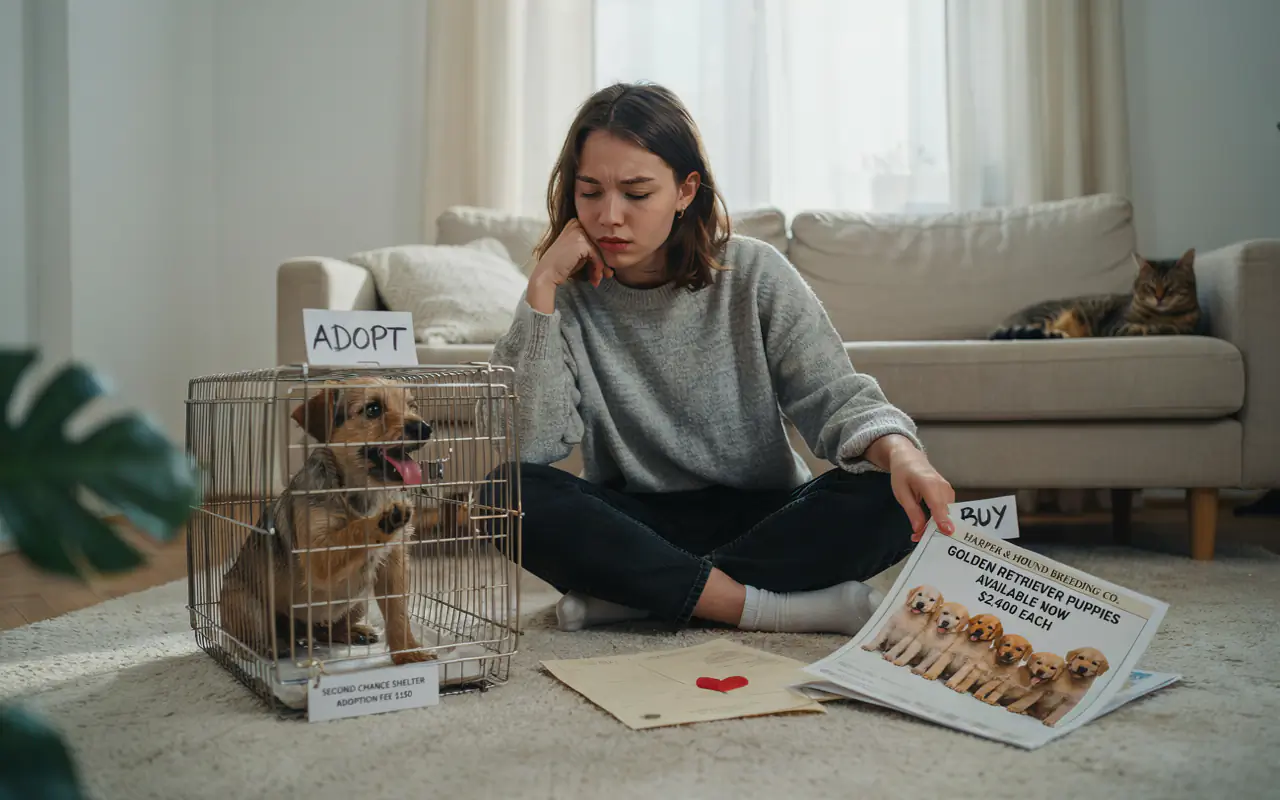
Deciding whether i adopt or buy a puppy is a big choice that affects your wallet, lifestyle, and heart. This guide compares costs, health, breed availability, and ethical factors to help you make the best decision for your family and new furry friend.
Getting a puppy is one of the most exciting decisions you can make. The thought of those floppy ears, tiny paws, and wet nose kisses can make anyone’s heart melt. But before you bring home that bundle of joy, you face a very important question: should i adopt or buy a puppy?
This choice matters more than you might think. It affects your budget, your daily routine, and even your emotions. Some people dream of a specific breed, while others want to save a life. Both paths lead to a loving pet, but the road to get there looks very different.
In this guide, I will help you think through every angle of this decision. I have worked with dogs for over 15 years, volunteered at animal shelters, and talked to countless families about their experiences. My goal is to give you honest, clear information so you can choose the best option for your situation.
Let’s get started with a simple truth: there is no wrong answer here. Both adoption and buying can lead to a wonderful relationship with your new dog. The key is to pick the path that fits your values, lifestyle, and resources.
What Does It Really Mean to Adopt a Puppy?
Adoption means taking a dog from a shelter, rescue group, or foster home. These puppies come from various backgrounds. Some are strays found on the streets. Others are surrendered by families who could no longer care for them. A few are rescued from neglectful situations.
When you adopt, you open your home to a dog in need. Shelters are full of wonderful animals waiting for a second chance. Every year, millions of dogs enter shelters across the country. Sadly, many never find homes.
The Adoption Process
The process varies by organization, but here is what you can usually expect:
- Application: You fill out forms about your home, family, and experience with pets.
- Interview: Staff ask questions to make sure you are ready for puppy parenthood.
- Meet and Greet: You spend time with the puppy to see if you connect.
- Home Check: Some groups visit your home to ensure it is safe.
- Adoption Fee: You pay a fee that covers vaccines, spaying/neutering, and microchipping.
- Take Home: Once approved, you bring your new friend home.
The process exists to protect both you and the dog. Shelters want to make sure each placement is permanent and happy.
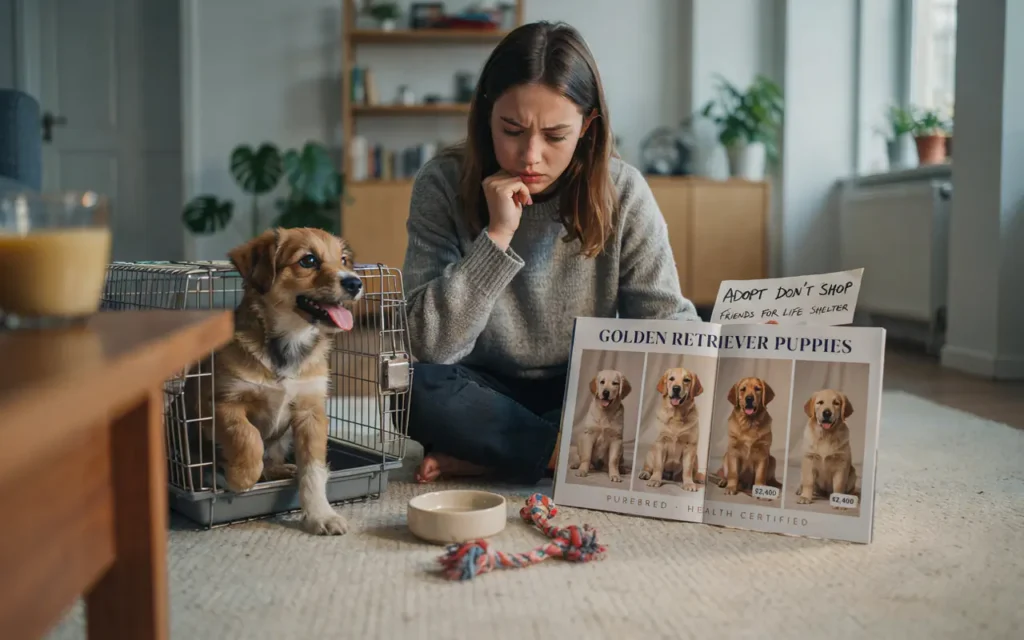
Types of Adoption Options
| Adoption Option | Description | Best For |
|---|---|---|
| Public Shelter | Government-run facility with many dogs | Budget-conscious adopters |
| Private Rescue | Non-profit group focused on specific breeds or needs | People wanting a particular type of dog |
| Foster-Based Rescue | Dogs live in homes, not kennels | Those wanting more info on the dog’s personality |
| Senior Dog Rescue | Focuses on older dogs | People wanting a calmer, more settled pet |
What Does It Mean to Buy a Puppy?
Buying a puppy means purchasing from a breeder. Breeders intentionally mate dogs to produce puppies with specific traits. These traits might include size, coat type, temperament, or working ability.
Responsible breeders focus on health, temperament, and breed standards. They test their breeding dogs for genetic conditions. They provide proper veterinary care. They socialize puppies from birth. Good breeders also stay in touch with buyers throughout the dog’s life.
How to Find a Good Breeder
Not all breeders are the same. Some care deeply about their dogs. Others care only about money. Here is what to look for:
- Health Testing: The breeder tests parents for breed-specific health issues.
- Clean Facilities: Puppies and adult dogs live in clean, spacious areas.
- Meet the Parents: You can see at least the mother dog.
- Knowledge: The breeder answers your questions clearly and honestly.
- Lifetime Support: They offer guidance throughout the dog’s life.
- Contracts: They provide written agreements about health guarantees and returns.
A responsible breeder will ask you many questions too. They want to ensure their puppies go to good homes. If a breeder never asks about your lifestyle or home, that is a red flag.
The Case for Adoption: Why Choose a Shelter Puppy?
Adopting a puppy offers many rewards. Here are the most compelling reasons to go this route.
You Save a Life
This is the biggest reason people choose adoption. Shelters face overcrowding every day. When you adopt, you free up space for another dog in need. You literally save a life. Many adopted dogs come from difficult situations. Giving them a safe, loving home changes everything for them.
“Adoption is not about getting a dog. It is about giving a dog a second chance at happiness.” – Dr. Sarah Thompson, Veterinarian and Shelter Advocate
Lower Cost
Adoption fees are much lower than breeder prices. The average shelter fee ranges from $50 to $200. This fee usually covers:
- Spaying or neutering
- First vaccines
- Microchipping
- Deworming
- Initial health check
Some shelters even offer reduced fees for senior dogs or certain breeds. Compare this to breeder prices, which often start at $1,000 and can go much higher.
Many Puppies Are Available
People often think shelters only have adult dogs. This is not true. Shelters receive puppies of all ages. You can find purebred puppies too, though mixed breeds are more common. If you are patient and check regularly, you can find almost any type of dog.
You Get a Known Personality
Many rescue puppies live in foster homes before adoption. Foster families learn about the puppy’s personality. They can tell you if the puppy is shy, outgoing, good with kids, or gets along with cats. This information helps you find the perfect match.
Health Benefits
Mixed breed dogs often have fewer genetic health problems. This is called hybrid vigor. When you combine different gene pools, you reduce the risk of inherited diseases. Many shelter puppies grow up to be healthy, resilient dogs.
Emotional Rewards
There is something special about giving a home to a dog who needed one. Adopters often feel a deep bond with their rescue pets. They know they made a difference. The gratitude you see in a shelter dog’s eyes is hard to put into words.
The Case for Buying: Why Choose a Breeder Puppy?
Buying from a responsible breeder also has strong benefits. Let us look at why this might be the right choice for you.
Predictability
Breeders can predict many things about a puppy. These include:
- Adult size and weight
- Coat type and shedding level
- Energy requirements
- General temperament
- Trainability
This predictability matters for many families. If you have small children, you might want a breed known for patience. If you live in an apartment, you might prefer a smaller, quieter dog.
Health History
Good breeders know the health history of their dogs. They test for genetic conditions. They provide clear health records. You know what to expect and can plan for potential issues.
“For serious dog owners, buying from a responsible breeder is about knowing exactly what you are getting. It is about health, temperament, and a lifetime of support.” – Mark Robertson, Dog Breeder of 25 Years
Breed-Specific Traits
Some people need a dog for specific work or activities. Hunting dogs, herding dogs, and service dogs often come from breeders. These breeders select for traits that make dogs successful at their jobs. If you need a dog for a specific purpose, a breeder might be your best choice.
Show or Competition Dogs
If you want to compete in dog shows or sports, you likely need a purebred dog with papers. Breeders provide registration documents. They help you get started in the competition world. They also offer mentorship and guidance.
Support and Guidance
Good breeders become lifelong resources. They answer questions about training, health, and behavior. They often take dogs back if owners cannot keep them. This support network is valuable for new puppy parents.
Health Guarantees
Many breeders offer written health guarantees. These contracts cover certain conditions for a specific time. If your puppy develops a covered issue, the breeder may offer a refund or replacement. This provides peace of mind.
Comparison Table: Adoption vs. Buying
| Factor | Adoption | Buying from a Breeder |
|---|---|---|
| Cost | $50 – $200 | $1,000 – $5,000+ |
| Predictability | Low to medium | High |
| Health Screening | Basic vet check | Extensive genetic testing |
| Breed Variety | Mostly mixed breeds | Specific purebreds |
| Wait Time | Days to weeks | Months to years |
| Support | Limited | Lifetime breeder support |
| Ethical Impact | Saves a life | Supports ethical breeding |
| Age Options | Puppies to seniors | Usually puppies |
Important Factors to Consider Before You Decide
Before deciding whether i adopt or buy a puppy, think about these factors carefully.
Your Budget
Adoption costs much less upfront. But ongoing costs are similar for both options. These include:
- Food
- Veterinary care
- Grooming
- Training
- Supplies like beds, leashes, and toys
- Pet insurance
Plan for at least $1,000 to $2,000 in the first year, plus monthly expenses after that.
Your Lifestyle
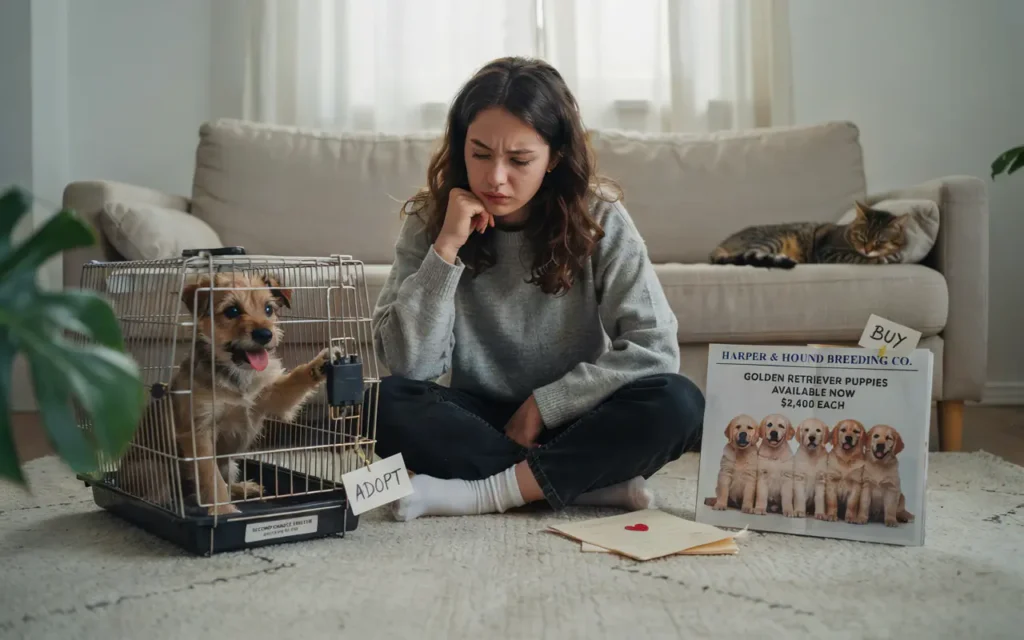
Think about your daily routine. Do you work from home or go to an office? Do you have a yard or live in an apartment? Are you active or more relaxed? Different dogs have different needs. Match your lifestyle to the right puppy.
Your Experience Level
First-time dog owners might benefit from a breed with predictable traits. Experienced owners might handle the unknowns of a shelter puppy. Be honest about your skills and patience.
Your Family Situation
Do you have young children? Other pets? Elderly family members? These factors affect which puppy is right for you. Both shelters and breeders can help you find a dog that fits your family.
Your Timeline
If you want a puppy right now, adoption might be faster. If you want a specific breed, you might wait months or years on a breeder’s list. Consider how long you are willing to wait.
Your Moral and Ethical Values
Some people feel strongly about pet overpopulation. They choose adoption to avoid supporting breeding. Others believe responsible breeding preserves important dog breeds. Both viewpoints are valid. Decide what matters most to you.
The Ethical Side of This Decision
Ethics play a big role in the choice between adoption and buying. Here is what you need to know.
The Problem with Puppy Mills
Puppy mills are commercial breeding facilities that prioritize profit over animal welfare. Dogs in these places often live in terrible conditions. They receive minimal veterinary care. Female dogs are bred repeatedly without rest. Puppies from mills frequently have health and behavioral problems.
Avoid puppy mills at all costs. Signs of a mill include:
- The breeder has many different breeds
- They will not let you see the facility
- Puppies are sold online without meeting you
- They ask no questions about your home
- Prices are unusually low
Supporting Responsible Breeding
Responsible breeders do important work. They preserve healthy bloodlines. They improve breed health through careful selection. They produce dogs that can do specific jobs. These breeders are not the problem. They are part of the solution.
The Shelter Overpopulation Crisis
Millions of dogs enter shelters each year. Many are perfectly healthy, loving animals. When you adopt, you directly address this crisis. You also reduce demand for irresponsible breeding.
“Every puppy bought from a responsible breeder means one fewer puppy in a shelter. The problem is not breeding. The problem is irresponsible breeding.” – Lisa Chen, Animal Rescue Director
Your Personal Responsibility
Whatever you choose, do it responsibly. If you adopt, go to a reputable shelter. If you buy, find an ethical breeder. Never buy from pet stores, online marketplaces, or classified ads. These sources often come from mills.
Health and Temperament Considerations
Health and temperament are two of the biggest concerns for new puppy owners. Let us compare these factors between adoption and buying.
Health in Adopted Puppies
Shelter puppies receive basic veterinary care. This includes vaccines, deworming, and spaying or neutering. However, shelters often have limited resources. They may not do extensive genetic testing.
Mixed breed puppies often have fewer inherited health problems. This is one advantage of adoption. But they can still develop conditions like hip dysplasia or allergies.
Health in Purchased Puppies
Good breeders do extensive health testing. They screen for conditions common in their breed. They provide health records and genetic test results. This gives you a clearer picture of your puppy’s future health.
However, purebred dogs do have higher rates of certain genetic conditions. This is because of limited gene pools. Responsible breeders work to reduce these risks through careful selection.
Temperament in Adopted Puppies
Temperament can be harder to predict in adopted puppies. Their backgrounds are often unknown. However, foster-based rescues provide valuable personality information. You can learn about the puppy’s behavior in a home setting.
Temperament in Purchased Puppies
Breeders can predict temperament based on breed traits and parent behavior. They also socialize puppies from birth. This often results in more predictable temperaments. You know roughly what to expect as your puppy grows.
What to Expect: The First Year
The first year with a new puppy is full of joy and challenges. Here is what you can expect from both paths.
Adoption: The First Year
Adopted puppies may need extra patience. Some come from difficult backgrounds. They might be fearful or anxious. Others may not be house-trained. You are starting from scratch with many skills.
But adopted puppies are often eager to please. They quickly bond with their new families. With consistency and love, they blossom into wonderful pets.
“I adopted my first puppy from a shelter. She was scared of everything at first. Now she is the most confident, loving dog I have ever known.” – Emily Park, Dog Owner
Buying: The First Year
Purchased puppies often have a smooth start. They are already socialized. They have basic training started. Their temperaments are more predictable. This can make the first year easier.
However, purebred puppies still need training and patience. They have the same basic needs as any puppy. Breeder support can help you navigate challenges.
The Commitment: Beyond the First Year
Both adopted and purchased puppies become lifelong companions. The commitment goes far beyond the first year.
Lifespan and Care
Most dogs live 10 to 15 years. Some breeds live longer, while giant breeds have shorter lifespans. During these years, your dog needs:
- Regular veterinary care
- Proper nutrition
- Daily exercise
- Mental stimulation
- Love and attention
This is a long-term commitment. Be sure you are ready for it.
Financial Commitment
The average dog costs $1,500 to $3,000 per year in ongoing expenses. Over a 12-year lifespan, that is $18,000 to $36,000. Some dogs cost more due to health issues. Plan your budget carefully.
Time Commitment
Dogs need daily walks, playtime, and training. They need social interaction. They need your presence. If you travel often or work long hours, consider whether you can meet these needs.
Making Your Final Decision
So, should i adopt or buy a puppy? Here is a simple guide to help you decide.
Choose Adoption If:
- You want to save a life
- You have a limited budget
- You are open to different breeds
- You have some dog experience
- You can handle some unknowns
- You value giving a second chance
Choose Buying If:
- You need a specific breed
- You want predictable traits
- You need a dog for specific work
- You want a complete health history
- You value breeder support
- You are willing to wait
Questions to Ask Yourself
- Why do I want a puppy?
- What kind of dog fits my lifestyle?
- How much can I afford?
- How much time can I give?
- Am I ready for a long-term commitment?
- What values are most important to me?
Take your time with these questions. The answer is personal. There is no one-size-fits-all response.
Tips for a Smooth Transition
Whether i adopt or buy a puppy, these tips will help you succeed.
Prepare Your Home
- Puppy-proof your space
- Buy supplies before bringing the puppy home
- Set up a safe, comfortable area
- Remove hazards like toxic plants and small objects
Plan for Training
- Sign up for puppy classes
- Start basic obedience right away
- Be consistent with rules
- Use positive reinforcement
- Socialize your puppy safely
Set Up Veterinary Care
- Find a vet before you get the puppy
- Schedule a first visit within 48 hours
- Discuss vaccination schedules
- Ask about spaying or neutering
- Consider pet insurance
Give Your Puppy Time
New puppies need time to adjust. They are in a strange place with new people. Be patient. Give them space when needed. Let them come to you. Build trust through gentle interactions.
Frequently Asked Questions
Is it cheaper to adopt or buy a puppy?
Adoption is much cheaper upfront. Adoption fees range from $50 to $200. Buying from a breeder costs $1,000 to $5,000 or more. However, ongoing costs like food, vet care, and supplies are similar for both.
Are shelter puppies healthy?
Most shelter puppies are healthy. They receive basic veterinary care including vaccines and deworming. Some may have unknown health histories. However, mixed breed dogs often have fewer genetic health problems than purebreds.
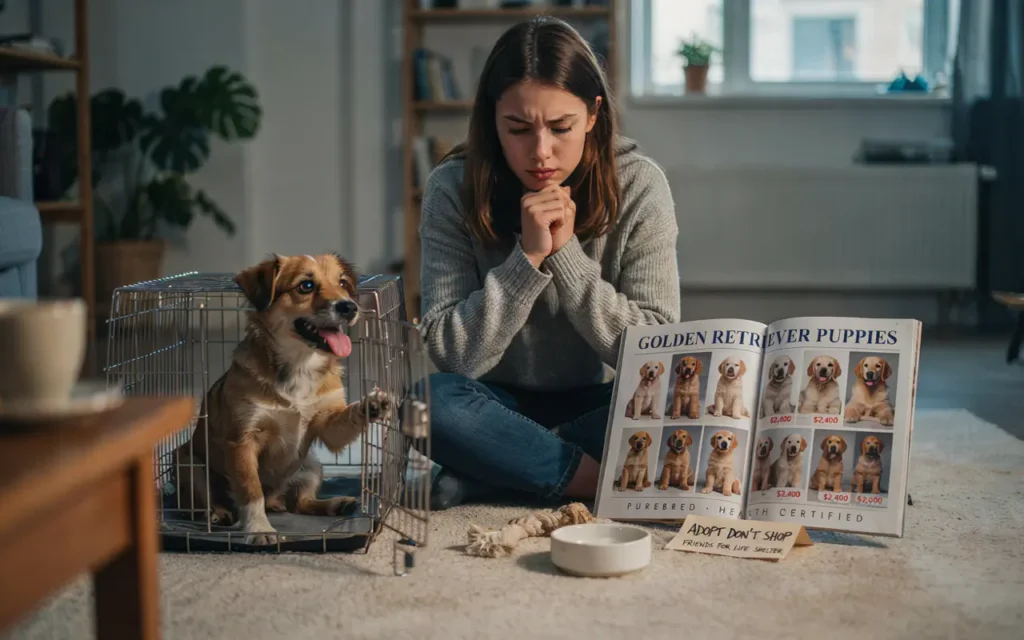
Can I find purebred puppies in shelters?
Yes. About 25% of shelter dogs are purebreds. Some breed-specific rescue groups focus on particular breeds. If you want a purebred, check these resources before going to a breeder.
How do I find a responsible breeder?
Look for breeders who:
- Health test their breeding dogs
- Let you see the facilities
- Show you the mother dog
- Ask you many questions
- Provide written health guarantees
- Offer lifetime support
What are puppy mills and why should I avoid them?
Puppy mills are commercial breeding facilities that prioritize profit. Dogs live in poor conditions. They receive minimal care. Puppies often have health and behavior problems. Avoid pet stores and online sellers that cannot show you the facilities.
Is it ethical to buy a puppy when shelters are full?
This is a complex question. Buying from a responsible breeder is ethical. These breeders improve dog health and preserve breeds. The problem is irresponsible breeding, not all breeding. If you choose to buy, find a breeder who truly cares about their dogs.
How long does the adoption process take?
The adoption process usually takes a few days to a few weeks. Some shelters offer same-day adoptions. Others require more time for applications and interviews. Foster-based rescues may take longer to process applications.
How long does it take to get a puppy from a breeder?
This varies widely. Some breeders have puppies available right away. Others have waiting lists of a year or more. If you want a specific breed from a top breeder, be prepared to wait.
What should I know about mixed breed dogs?
Mixed breed dogs can be wonderful pets. They often have fewer genetic health problems. They come in many sizes, colors, and temperaments. However, their adult size and traits can be harder to predict.
Can I adopt a puppy if I have young children?
Yes. Many shelter puppies do well with children. Shelters and rescues can help you find a puppy with a child-friendly temperament. Be honest about your family situation during the adoption process.
Conclusion
Choosing whether i adopt or buy a puppy is a deeply personal decision. Both paths lead to the same wonderful destination: a loving companion who will fill your life with joy.
Adoption offers the chance to save a life and give a second chance to a dog in need. The lower cost and variety of options make it attractive. Many adopted puppies become the most loyal, grateful friends you could ever imagine.
Buying from a responsible breeder gives you predictability and health guarantees. You know what to expect in terms of size, temperament, and breed traits. Good breeders become lifelong partners in your dog’s care.
What matters most is how you approach this decision. Take your time. Research your options. Ask questions. Be honest about your lifestyle, budget, and values. Whatever you choose, do it with care and responsibility.
Your puppy, whether adopted or purchased, will love you unconditionally. They will greet you at the door with wagging tails and sloppy kisses. They will be there through good times and bad. They will become part of your family.
The joy of owning a dog is one of life’s greatest pleasures. Whether your new friend comes from a shelter or a breeder, you are giving them a loving home. And in return, they will give you their whole heart.
Now the only question left is: are you ready for the adventure? The puppy paws are waiting. Your new best friend is out there, just waiting to meet you. Take the next step with confidence, knowing you have done your homework. Your perfect puppy is out there, whether at a shelter or with a breeder.
Good luck on your puppy journey. It is the beginning of something beautiful.
Related posts
 Why Do Dogs Stare at Walls? Common Causes and When to Worry
Wondering why do dogs stare at walls? Discover the sensory, behavioral, and medical reasons behind this behavior, and learn when to contact your veterinarian. When you…
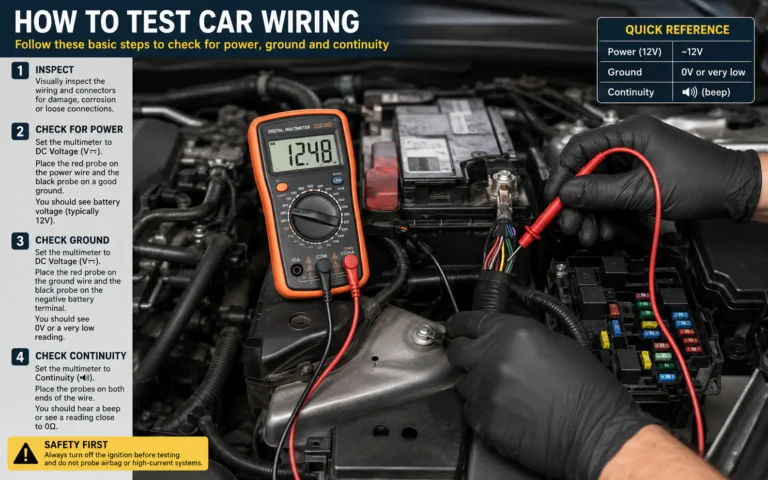 How to Test Car Wiring for Continuity Using a Multimeter
Learn how to test car wiring for continuity safely. Find broken automotive wires, check connector ports, and diagnose electrical issues with a multimeter. Testing car wiring…
 Why Organizing Space Reduces Stress: The Mental Clarity Connection
Discover why organizing space reduces stress. Learn how a tidy environment lowers cortisol, improves focus, and creates a sense of calm in your daily life. Organizing…