
How To Take Care Of Nails At Home
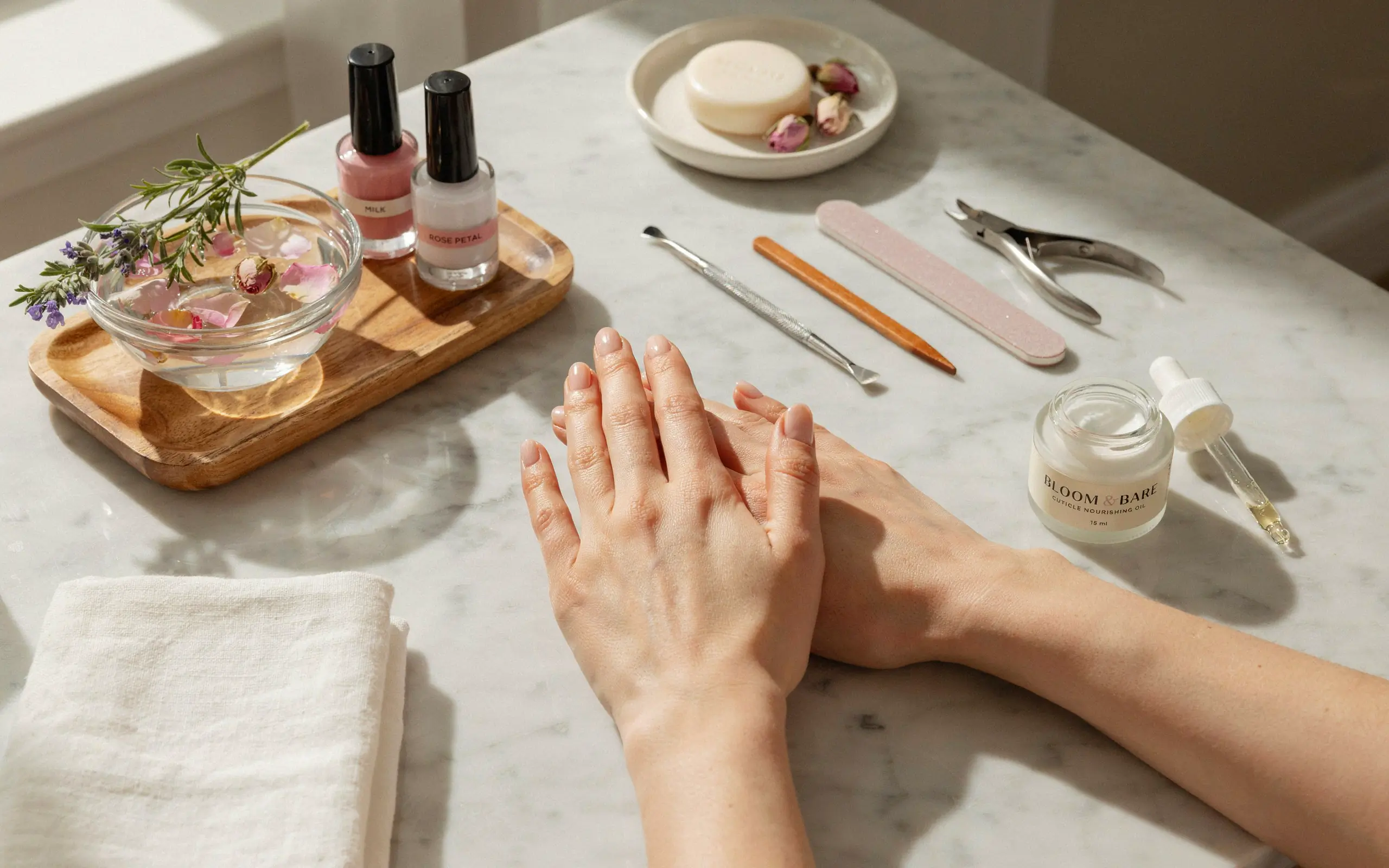
Learning how to take care of nails at home is simpler than you think. This guide covers daily habits, natural treatments, and expert tips for strong, beautiful nails without expensive salon visits.
Your nails do a lot for you. They protect your fingertips, help you pick up small items, and even scratch that annoying itch. But many people forget about their nails until something goes wrong. A broken nail, peeling polish, or dry cuticles can be frustrating. The good news is that you can learn how to take care of nails at home with simple steps and everyday items.
You do not need fancy products or expensive salon visits to have healthy nails. With a few basic habits and some patience, you can keep your nails looking great all year round. This guide will show you exactly how to take care of nails at home using things you already have in your kitchen or bathroom.
Many people think nail care is complicated. They believe you need special tools or professional help. But that is not true. Taking care of your nails at home is easy, affordable, and even fun once you get the hang of it.
Understanding Your Nails: The Basics
Before we get into the how, let us talk about what your nails actually are. Your nails are made of a protein called keratin. This is the same protein found in your hair and skin. Healthy nails are smooth, have a consistent color, and are free from spots or ridges.
Your nail plate is the hard part you see. Underneath it is the nail bed. The cuticle is the skin at the base of your nail. The lunula is that little white half-moon shape near the cuticle. All these parts work together to keep your nails strong.
Quote from Dr. Sarah Mitchell, Dermatologist:
“Your nails can tell you a lot about your overall health. Changes in color, texture, or shape might be signs that something else is going on in your body. That is why paying attention to your nails is so important.”
When you learn how to take care of nails at home, you are also learning how to spot problems early. This can help you catch issues before they become serious.
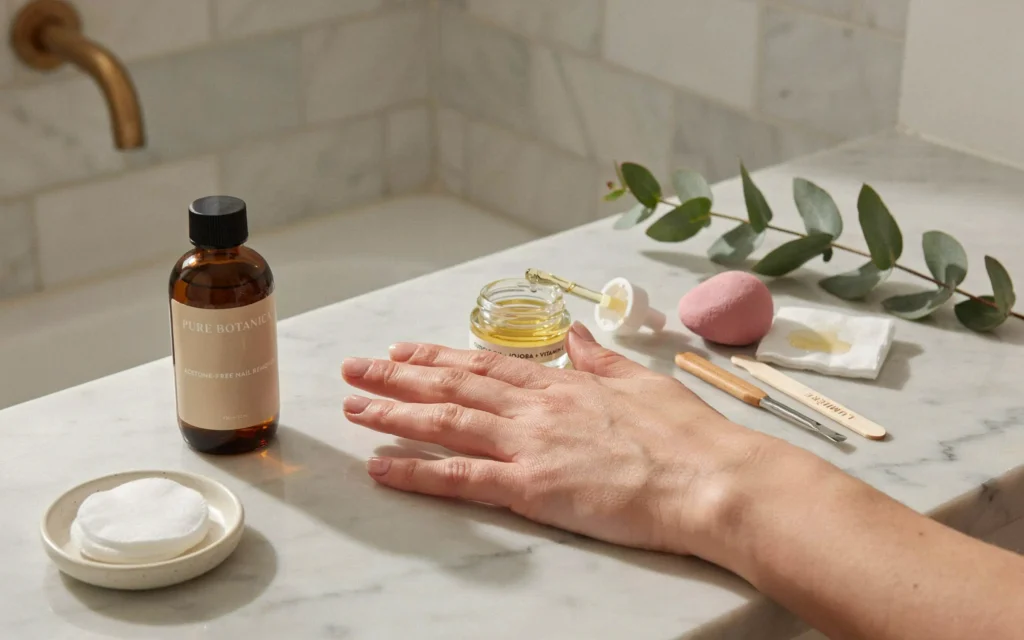
Daily Habits for Healthy Nails
Clean Your Nails the Right Way
Keeping your nails clean is the first step in learning how to take care of nails at home. But cleaning them properly matters. Use a soft nail brush to gently scrub under your nails. Do this when you wash your hands.
Soap and water are enough. You do not need harsh chemicals. Strong soaps can dry out your nails and skin. Dry nails are more likely to break or peel.
After washing, pat your nails dry with a clean towel. Rubbing them too hard can cause damage. Make sure to dry under your nails too. Moisture trapped under your nails can lead to fungus or infections.
Trim and File Regularly
Trimming your nails is a key part of how to take care of nails at home. Cut your nails straight across. Then round the tips gently with a nail file. This shape helps prevent ingrown nails.
Use sharp nail clippers. Dull clippers can crush your nails and cause splitting. File in one direction only. Sawing back and forth weakens the nail edges.
Here is a simple schedule to follow:
| Nail Care Task | How Often to Do It |
|---|---|
| Trimming | Every 7 to 10 days |
| Filing | As needed after trimming |
| Cuticle care | Weekly |
| Deep moisturizing | Daily |
| Polish removal | Every 2 weeks |
Moisturize Your Nails and Cuticles
Dryness is one of the biggest enemies of healthy nails. When your nails get dry, they become brittle and break easily. That is why moisturizing is such an important part of how to take care of nails at home.
Apply hand cream or cuticle oil after every hand wash. Keep a small bottle of lotion near your sink. This makes it easy to remember.
Your cuticles also need moisture. Dry cuticles can crack and peel. This can lead to painful infections. Gently push your cuticles back after a shower when they are soft. Never cut your cuticles. Cutting them removes protection and invites bacteria.
Natural Nail Treatments You Can Make at Home
Olive Oil Soak
Olive oil is great for your nails. It is full of healthy fats and vitamin E. These nutrients help strengthen your nails and keep them flexible.
To use olive oil for nail care at home:
- Warm up a small amount of olive oil
- Soak your nails for 10 to 15 minutes
- Massage the oil into your cuticles
- Wash off with mild soap
Do this soak twice a week. You will notice your nails feel stronger and look shinier.
Lemon Juice and Baking Soda Scrub
Yellow or stained nails happen. Coffee, tea, and nail polish can all leave marks. A simple scrub can help.
Mix one tablespoon of lemon juice with two tablespoons of baking soda. Make a paste. Gently rub this onto your nails. Leave it for a few minutes. Then rinse off. This natural treatment is a great way to take care of nails at home without harsh chemicals.
Quote from Emma Roberts, Natural Beauty Expert:
“The best nail care products are often the simplest ones. Things like coconut oil, lemon juice, and honey have been used for centuries. They work just as well as expensive store-bought items, sometimes even better.”
Coconut Oil Massage
Coconut oil is another wonderful option. It absorbs easily and smells great. Massage a little coconut oil into your nails and cuticles before bed. Put on some cotton gloves if you like. The oil will soak in overnight.
In the morning, your nails will feel soft and look healthy. This is one of the easiest ways to take care of nails at home.
Protecting Your Nails from Damage
Wear Gloves for Chores
Your nails face many dangers every day. Cleaning products, dish soap, and gardening can all damage your nails. Wearing gloves is a simple fix.
Rubber gloves protect your nails from harsh chemicals. They also keep your hands out of water for too long. Long exposure to water can make your nails soft and weak.
When you do dishes or clean the bathroom, put on those gloves. This small step makes a big difference. It is one of the smartest ways to take care of nails at home.
Avoid Using Your Nails as Tools
Using your nails to open cans, peel stickers, or scratch off labels is tempting. But it is a bad habit. This can cause your nails to break, chip, or split.
Use proper tools instead. Keep a small pair of tweezers or a letter opener nearby. Your nails are not meant to be tools. Treat them gently.
Choose Safe Nail Polish
If you like wearing nail polish, choose safer options. Look for polishes that are free from harmful chemicals like formaldehyde, toluene, and DBP. These chemicals can dry out and damage your nails.
Give your nails a break from polish sometimes. Let them breathe for a few days between applications. This is an important part of how to take care of nails at home.
When you remove polish, use acetone-free remover. Acetone is very drying. Acetone-free options are gentler on your nails and cuticles.
Nutrition for Strong Nails
What you eat affects your nails. A healthy diet helps your nails grow stronger. This is something many people overlook when they think about how to take care of nails at home.
Foods That Help Your Nails
Biotin is a B vitamin that supports nail growth. Eggs, nuts, and whole grains have biotin. Eating these foods can help your nails get stronger.
Protein is also important. Your nails are made of protein. Without enough protein, your nails may become weak or thin. Include lean meats, beans, and dairy in your diet.
Iron and zinc are minerals that help too. Low iron levels can cause brittle nails. Red meat, spinach, and lentils are good sources of iron. Zinc can be found in nuts and seeds.
Here is a quick guide to nail-friendly foods:
| Nutrient | Food Sources | How It Helps Nails |
|---|---|---|
| Biotin | Eggs, almonds, sweet potatoes | Strengthens nail plates |
| Protein | Chicken, fish, beans | Builds nail structure |
| Iron | Spinach, beef, lentils | Prevents brittleness |
| Zinc | Oysters, nuts, seeds | Supports nail growth |
| Vitamin E | Avocado, sunflower seeds | Improves nail texture |
Stay Hydrated
Drinking enough water is good for your whole body. This includes your nails. When you are dehydrated, your nails can become dry and brittle.
Drink at least eight glasses of water each day. This helps keep your nails flexible and less likely to break. It is a simple yet effective way to take care of nails at home.
Dealing with Common Nail Problems
Brittle and Breaking Nails
Brittle nails are frustrating. They break at the slightest pressure. This problem often comes from dryness or too much water exposure.
To fix brittle nails:
- Use a moisturizing nail oil daily
- Wear gloves when washing dishes
- Keep your nails short until they get stronger
- Avoid harsh nail polish removers
Taking these steps will help you take care of nails at home and reduce breakage.
Peeling Nails
Nail peeling is another common issue. It happens when the layers of your nail separate. This can be from using your nails as tools or from too much moisture.
To stop peeling:
- Keep your nails trimmed
- Use a glass nail file
- Apply a strengthener
- Moisturize regularly
Peeling nails take time to heal. Be patient and consistent with your care routine.
Yellow Nails
Yellow nails can be embarrassing. They often come from smoking or heavy nail polish use. Sometimes they are a sign of a fungal infection.
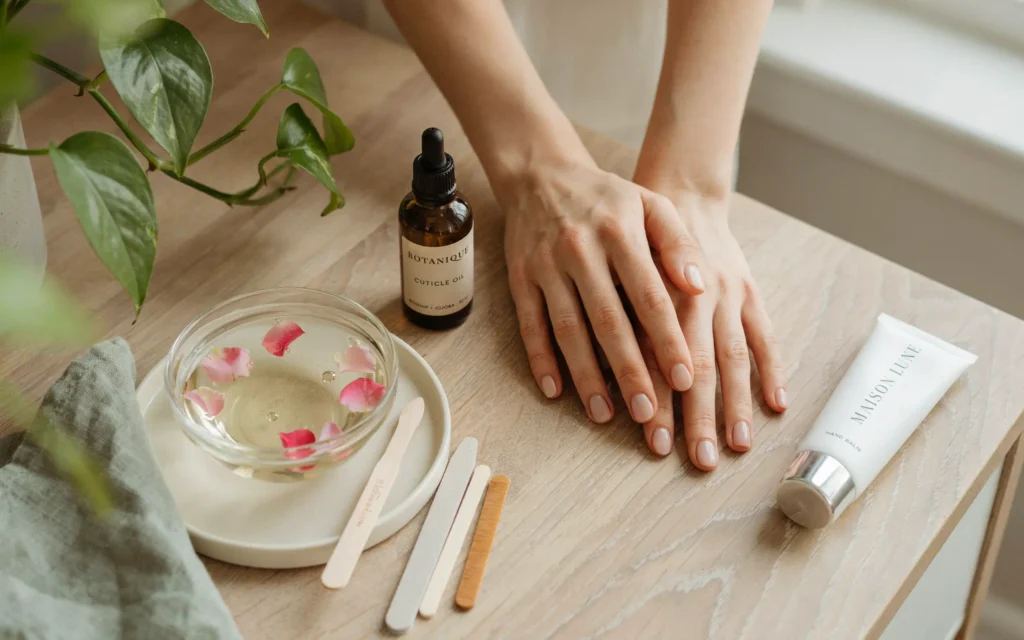
If your nails are yellow:
- Stop wearing polish for a few weeks
- Gently buff the surface with a soft buffer
- Soak in lemon juice mixed with water
- See a doctor if the yellowing does not go away
Ingrown Nails
Ingrown nails happen when the corner of your nail grows into your skin. This is painful and can get infected.
To prevent ingrown nails:
- Trim your nails straight across
- Do not round the corners
- Wear shoes that fit well
- Do not cut nails too short
The Role of Cuticle Care in Nail Health
Your cuticles protect your nails from infection. They are a barrier that stops bacteria from getting under your nail plate. Learning how to care for your cuticles is an essential part of how to take care of nails at home.
How to Handle Your Cuticles
After a shower, push your cuticles back gently. Use a soft towel or a wooden cuticle pusher. This is the best time because your skin is soft.
Do not cut your cuticles. Cutting them removes their protective function. It can also cause painful hangnails.
Apply cuticle oil every night. This keeps them soft and healthy. You can buy cuticle oil or make your own with vitamin E oil and olive oil.
What to Do About Hangnails
Hangnails are small pieces of skin that peel away from your cuticle. They can be painful and annoying.
To handle hangnails:
- Use clean nail clippers to cut them off
- Do not pull or bite them
- Apply a little antibiotic ointment
- Keep the area moisturized
Biting or pulling hangnails can lead to infection. Always clip them carefully.
Nail Care for Different Nail Types
Dry Nails
Dry nails need extra moisture. They often have ridges or flake easily. If you have dry nails, focus on hydrating treatments.
Use heavy creams or oils. Consider doing an oil soak once a week. Wear gloves when you are outside in cold weather. Cold air can dry out your nails.
Oily Nails
Oily nails can make polish not stick well. They may also be softer than normal nails. For oily nails, clean them with alcohol before applying polish.
Use a base coat to help polish stay on. Avoid heavy creams that can make the oiliness worse.
Thick Nails
As people get older, their nails may become thicker. Thick nails need special care. They are harder to trim and may need soaking before clipping.
Use a coarse file to shape them. Soak your nails in warm water for a few minutes before trimming. This makes them easier to manage.
Simple DIY Nail Soak Recipes
Strengthening Soak
This soak uses ingredients that are good for nails.
Mix:
- 2 tablespoons apple cider vinegar
- 1 tablespoon olive oil
- 1 cup warm water
Soak your nails for 10 minutes. Do this once a week for stronger nails.
Moisturizing Overnight Treatment
This treatment works while you sleep.
Mix:
- 1 teaspoon coconut oil
- 1 drop of lavender essential oil
Massage into nails and cuticles. Put on cotton gloves. Wake up to softer, healthier nails.
These soaks are excellent ways to take care of nails at home without spending money on salon treatments.
Quote from Mark Johnson, Certified Nail Technician:
“Many of my clients think they need expensive treatments to fix their nails. But the truth is, consistency matters more than the products you use. A simple routine done every day will beat an expensive treatment done once a month.”
Tools You Need for Home Nail Care
Having the right tools makes it easier to take care of nails at home. You do not need many items. A few good quality tools are enough.
Essential tools include:
- Nail clippers
- Glass nail file
- Cuticle pusher
- Nail brush
- Buffing block
Glass nail files are better than metal ones. They create a smoother edge and do not tear the nail. Buffing blocks help create shine without polish.
Keep your tools clean. Wash them with soap and water after each use. This stops bacteria from spreading. It is a simple step in how to take care of nails at home.
How to Take Care of Nails at Home: A Weekly Routine
Creating a routine helps you stay consistent. Here is a sample weekly routine for taking care of nails at home.
Monday
- Trim and file nails
- Apply cuticle oil
- Moisturize hands
Wednesday
- Soak nails in olive oil for 10 minutes
- Gently push back cuticles
- Apply hand cream
Friday
- Buff nails for shine
- Apply nourishing nail oil
- Do a strengthening treatment
Saturday
- Give nails a break from polish
- Do a lemon soak for stains
- Deep condition with coconut oil
Follow this routine and you will see improvement. Consistency is the secret to learning how to take care of nails at home.
Special Considerations for Nail Polish Users
If you love wearing polish, you still need to take care of your nails. In fact, polish users need to be even more careful.
Base Coat and Top Coat Matter
Always use a base coat before color. This protects your nails from staining. A top coat seals in the color and adds shine.
Remove Polish Properly
Never peel off your polish. This strips away layers of your nail. Use a good remover and soak off polish gently.
Give Your Nails Breaks
Take a break from polish every few weeks. This allows your nails to recover. During this break, apply strengthening treatments.
These steps help you take care of nails at home even when you wear polish often.
Environmental Factors That Affect Nails
Weather Changes
Cold weather makes nails dry and brittle. Summer heat can also affect your nails. The key is to adjust your routine with the seasons.
In winter, use heavier creams. Wear gloves when going outside. In summer, use lighter oils and stay hydrated.
Household Chemicals
Cleaning products, detergents, and even some soaps can damage nails. Always wear gloves when using these products. This is one of the easiest ways to take care of nails at home.
Water Exposure
Frequent hand washing or dishwashing can harm nails. Water makes nails swell and then shrink. This repeated cycle weakens nails.
Pat your hands dry after washing. Apply lotion right away. This helps lock in moisture and protect your nails.
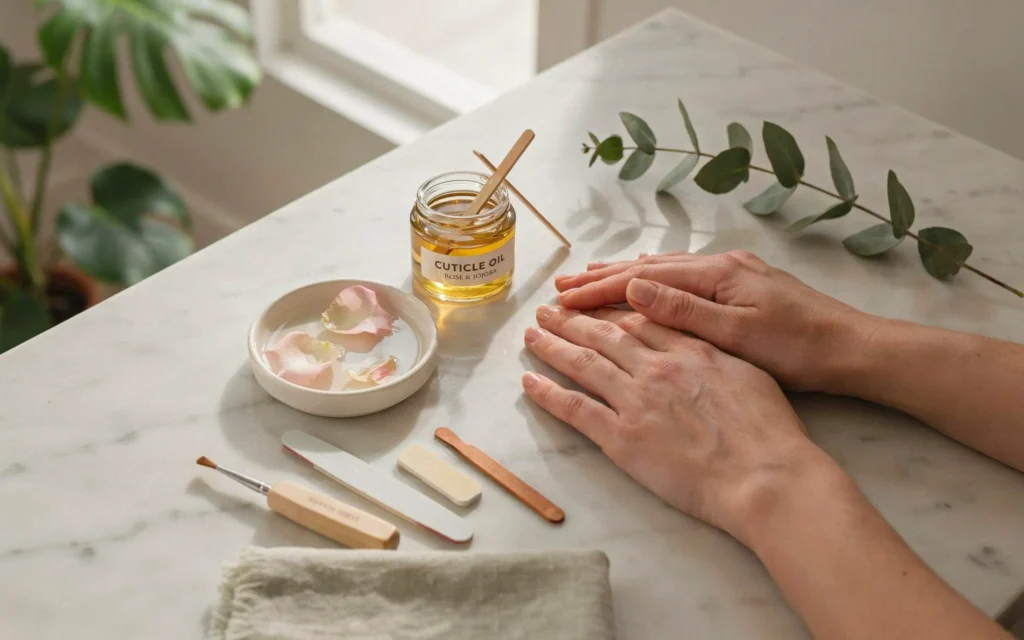
Frequently Asked Questions
How often should I trim my nails?
Trim your nails every 7 to 10 days. This prevents them from getting too long and breaking. Keep them at a comfortable length. Short nails are often stronger nails.
What is the best oil for nail care?
Coconut oil and olive oil are both excellent choices. Jojoba oil is also very good because it closely matches the natural oils in your skin. Use any of these oils to take care of nails at home effectively.
Can I take care of my nails at home without special tools?
Yes. You only need nail clippers, a file, and some moisturizer. These basic items are enough for daily care. Special tools can help but are not required.
How long does it take to see results from home nail care?
You will see improvements in about two to three weeks. Nails grow slowly. Be patient and stick with your routine. Consistency is the key to success.
Does diet really affect nail health?
Yes. What you eat has a big impact on your nails. Eat foods rich in biotin, protein, and iron for stronger nails. Drink plenty of water too. This is an often overlooked part of how to take care of nails at home.
What should I do if my nails are yellow?
Stop using nail polish for a while. Soak your nails in lemon juice and water. Buff them gently. If the yellowing does not go away, see a doctor.
Are expensive nail products better than simple ones?
Not always. Many simple, inexpensive products work just as well. Olive oil, coconut oil, and baking soda are very effective. Expensive does not always mean better.
Conclusion: Your Nails Deserve Good Care
Learning how to take care of nails at home is a valuable skill. It saves money, reduces stress, and helps you feel more confident. Your nails are with you every day. They deserve attention and care.
Remember these key points:
- Keep your nails clean and dry
- Moisturize every day
- Eat a balanced diet
- Use gloves for chores
- Be gentle with your nails
Start with simple steps. Use what you already have at home. Build good habits one at a time. Over time, these small efforts will add up to healthier, stronger nails.
Taking care of your nails does not have to be hard or expensive. With the tips in this guide, you have everything you need to take care of nails at home like a pro. Your nails will thank you. They will look better, feel stronger, and be less likely to break or peel.
So go ahead. Start your home nail care routine today. It is one of the best things you can do for your hands and your health. Happy nail care, everyone.
Related posts
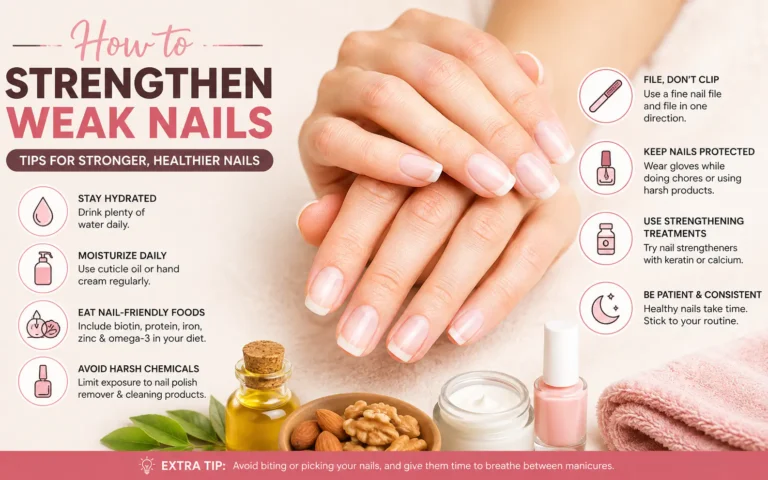 How to Strengthen Weak Nails: A Practical Guide to Daily Care
Learn how to strengthen weak nails with simple daily habits, protective care, and targeted hydration. Restore your natural nail strength today. Weak, peeling, or brittle nails…
 What Sounds Do Cats Dislike? 7 Noises That Stress Your Pet
Discover what sounds do cats dislike and why. Learn how to protect your cat’s sensitive hearing from stressful household noises and high-frequency hums. Cats dislike sounds…
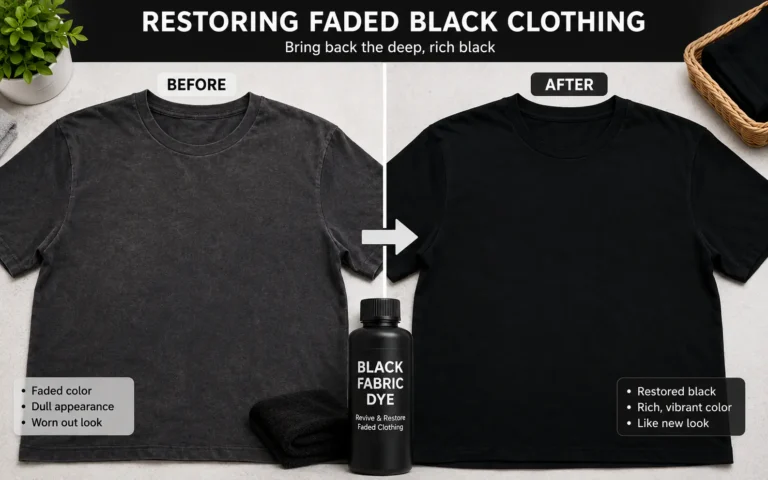 Restoring Faded Black Clothing: Practical Methods and Reality Checks
Can you restore faded black clothing? Learn the difference between temporary color revival and permanent redyeing, plus how to prevent future fading. You can restore the…