
What Are Essential Home Cleaning Tools
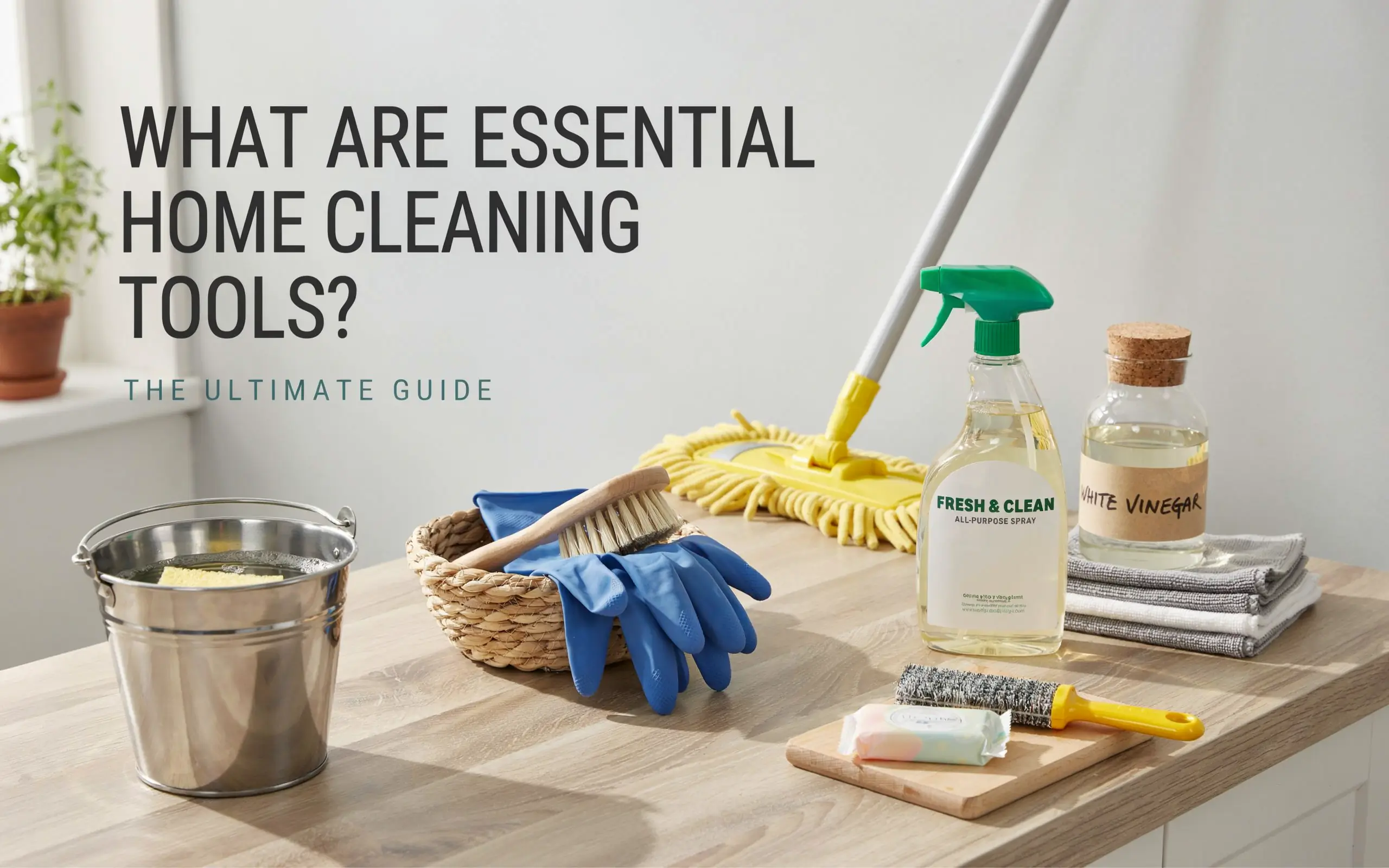
Discover what are essential home cleaning tools for every room. This complete guide covers must-have supplies, from microfiber cloths to vacuum cleaners, to keep your space spotless with less effort.
Keeping a home clean does not have to be complicated or expensive. Many people think they need a cabinet full of fancy products and gadgets to get the job done. But the truth is much simpler. Having the right basic supplies makes all the difference. When you know what are essential home cleaning tools, you can tackle any mess quickly and without stress.
I have spent years testing different cleaning products and methods. I have learned that a small collection of reliable tools works better than a huge pile of random items. The key is choosing versatile pieces that handle multiple surfaces and situations. This approach saves money, storage space, and most importantly, your time.
In this guide, I will share the core items that every household needs. Whether you are moving into your first apartment, starting fresh with a new home, or simply want to upgrade your current cleaning routine, this list will help you build a practical and effective kit. Let us get started.
Why the Right Tools Matter More Than You Think
Many people focus on buying strong cleaning solutions and forget about the tools they use to apply them. But professional cleaners will tell you that your tools are just as important as your products. A good microfiber cloth can clean better with plain water than a cheap paper towel can with expensive spray.
Using the correct tool for each job also protects your surfaces. Abrasive scrubbers can scratch delicate countertops. Wrong mops can leave streaks on glass. The right tools prevent damage while giving you better results. This is why understanding what are essential home cleaning tools is the first step toward an efficient cleaning routine.
Another benefit of having good tools is that they make cleaning feel easier. When your mop glides smoothly and your duster reaches high places without a struggle, you are more likely to keep up with regular cleaning. The tools reduce physical effort and frustration.
The Core Essentials: Tools Every Home Must Have
Let us break down the absolute must-haves. These are the items that form the foundation of any cleaning kit. Without these, even the best cleaning products will not work their magic.
Microfiber Cloths: The True Workhorse
If you could only own one cleaning tool, this should be it. Microfiber cloths are made from tiny synthetic fibers that trap dust, dirt, and bacteria instead of just pushing them around. They work on almost every surface in your home.
You can use microfiber cloths for dusting furniture, wiping countertops, cleaning glass without streaks, and even drying dishes. They are reusable and machine washable, which makes them economical and environmentally friendly. Many experts recommend buying at least 20 cloths and color-coding them for different areas. For example, use blue for the kitchen, green for the bathroom, and yellow for general dusting.
“Microfiber cloths are a game-changer when it comes to cleaning. Their ultra-fine fibers are effective at trapping dust, dirt, and bacteria, making them perfect for various surfaces.” – Angela Rubin, cleaning expert and owner of Hellamaid
A Reliable Vacuum Cleaner
A good vacuum is one of the most important essential home cleaning tools you can own. It removes dirt, dust, pet hair, and allergens from carpets, rugs, and hard floors. Vacuums come in many styles, including upright, canister, stick, and robot models.
Choose a vacuum that fits your home’s needs. If you have mostly hard floors, a lightweight stick vacuum might work well. If you have thick carpets, you may need a more powerful upright model. Look for one with attachments for upholstery and crevices. These help you clean furniture, stairs, and tight spaces between appliances.
Broom and Dustpan
Sometimes, the simplest tools are the most effective. A good broom and dustpan set is essential for daily floor maintenance. Sweeping removes loose dirt and crumbs before they get ground into your floors.
An angled broom with synthetic bristles works best on most surfaces. The angled head helps you sweep into corners more easily. A dustpan with a long handle saves you from bending down, which is kinder to your back.
Mop and Bucket
Hard floors need more than just sweeping. A mop and bucket combination removes stuck-on grime and leaves floors looking fresh. Microfiber mops with washable heads are a popular choice because they clean well and are easy to maintain.
Some people prefer spray mops with refillable bottles for quick daily cleanups. These are convenient for small spills and spot cleaning. For deeper cleaning, a traditional mop and bucket with a wringer gives you more control over how wet your floor gets.
Scrub Brushes and Sponges
Different messes require different levels of scrubbing power. Soft sponges work well for gentle cleaning on delicate surfaces. Scrub brushes with stiff bristles tackle tough jobs like baked-on food, soap scum, and grout.
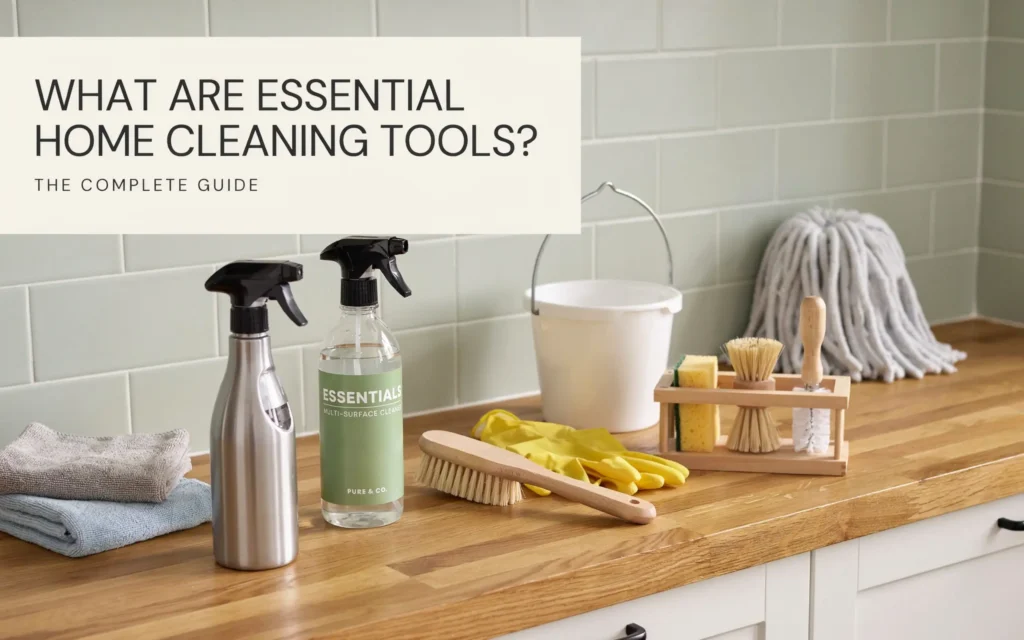
A grout brush is a narrow tool that reaches between tiles. A toilet brush is another non-negotiable item. Keep one dedicated brush for each bathroom to prevent spreading germs. Replace sponges regularly, about once a month, to avoid bacterial growth.
Extendable Duster
Dust collects everywhere, including high places that are hard to reach. An extendable duster helps you clean ceiling fans, tall shelves, light fixtures, and crown molding without climbing on a chair. This tool makes dusting safer and faster. It is one of those essential home cleaning tools that you do not think about until you need it.
Squeegee
A squeegee is a simple tool with a rubber blade that removes water from glass surfaces. It leaves windows, shower doors, and mirrors streak-free. Using a squeegee after a shower can prevent hard water stains and soap scum buildup. It saves you from using excess paper towels and glass cleaner.
Essential Home Cleaning Tools by Room
Different rooms have different cleaning challenges. Here is a room-by-room breakdown to help you customize your kit.
Kitchen Cleaning Tools
The kitchen sees a lot of action. Grease, food spills, and crumbs are daily occurrences. Your kitchen cleaning tools should include:
A small spray bottle filled with a DIY cleaner made from vinegar and water is also handy. It is cheap, effective, and reduces plastic waste.
Bathroom Cleaning Tools
Bathrooms need special attention because of moisture and bacteria. The tools below help you keep this space hygienic:
Remember to keep separate cloths and brushes for the bathroom. This prevents cross-contamination with other areas of your home.
Floor Cleaning Tools by Surface Type
Your floors are the largest surfaces in your home. They also take the most wear and tear. Cleaning them properly requires tools suited to each material.
For hardwood floors, use a microfiber mop that is slightly damp, not wet. Too much water can damage wood. For tile and vinyl, a traditional mop works well. For carpets and rugs, a vacuum cleaner with a rotating brush is essential.
A push broom is helpful if you have a garage, basement, or outdoor porch. It covers large flat areas much faster than a standard broom.
Organizing Your Cleaning Tools for Easy Access
Having the right tools is only half the battle. You also need to keep them organized so you can find them quickly when you need them.
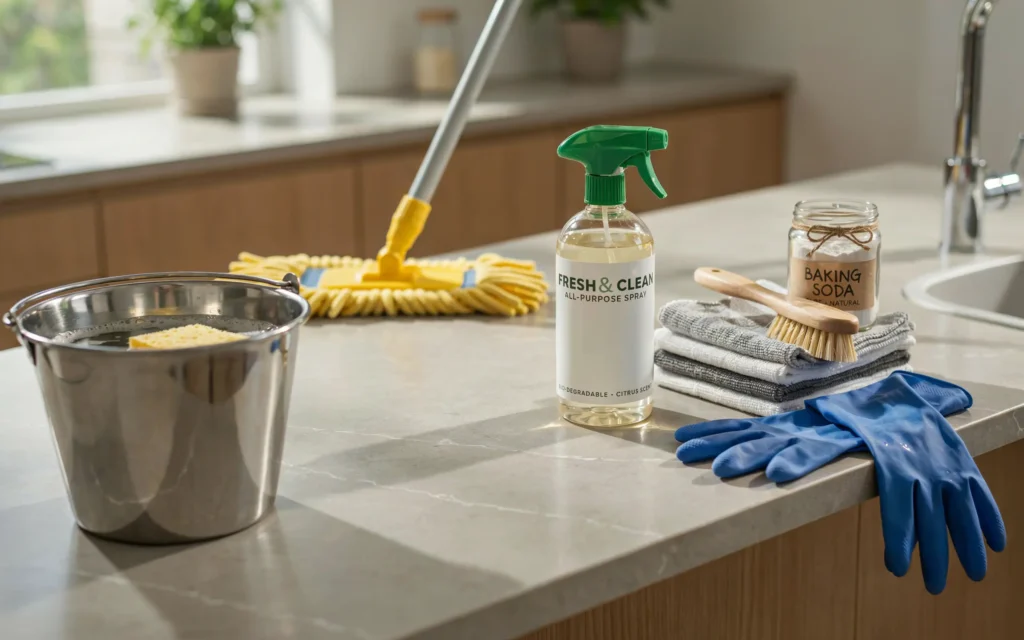
A cleaning caddy or bucket is a simple solution. Fill it with your most-used supplies and carry it from room to room. This saves trips back and forth to the cupboard. Store extra supplies like spare sponges, cloths, and refill bottles in a designated cabinet or shelf.
Hang brooms, mops, and dustpans on wall hooks. This keeps them off the floor and prevents bristles from getting bent. Store smaller items like scrub brushes and squeegees in a drawer or small bin.
Labeling containers can also help. When everyone in the household knows where things belong, it is easier to keep the cleaning station tidy.
Maintaining Your Essential Home Cleaning Tools
Your tools work hard for you, so they deserve some care in return. Proper maintenance extends their life and keeps them effective.
Microfiber cloths should be washed after each use. Use warm water and mild detergent. Avoid fabric softeners, as they coat the fibers and reduce their cleaning power. Air dry or tumble dry on low heat.
Sponges and scrub brushes need regular replacement. Sponges can harbor bacteria, so replace them monthly or sooner if they smell. Scrub brushes can last longer but should be rinsed thoroughly after each use and allowed to dry completely.
Vacuum cleaners require occasional filter changes and brush roll cleaning. Check the manufacturer’s instructions for your specific model. Empty the dust bin or replace the bag before it gets too full.
Mops with washable heads should be machine washed regularly. Hang them to dry to prevent mildew. Traditional string mops should be rinsed well and hung to dry after each use.
“A good quality vacuum, mop, and set of microfiber cloths will outlast a dozen cheap replacements. Spending a little more upfront saves money and frustration in the long run.” – Professional cleaning team, Libman
Beyond the Basics: Optional but Helpful Additions
Once you have the core essentials, you might consider adding a few extra tools that make specific jobs easier.
A steam cleaner uses hot steam to sanitize surfaces without chemicals. It works well on floors, tiles, and even some fabrics. A lint roller is great for quick touch-ups on upholstery and clothing. A glass stovetop scraper removes burnt-on food without scratching the surface.
Rubber gloves protect your hands from hot water and strong cleaners. They also give you a better grip when scrubbing. Empty spray bottles are useful for making your own cleaning solutions. You can fill them with vinegar, water, and a few drops of dish soap for an all-purpose cleaner.
Frequently Asked Questions
1. What are essential home cleaning tools for a beginner?
For a beginner, start with microfiber cloths, a vacuum cleaner, a broom and dustpan, a mop and bucket, scrub sponges, a toilet brush, and an all-purpose cleaner. These seven items cover most cleaning tasks in every room.
2. How often should I replace my cleaning tools?
Replace sponges every month. Replace mop heads every two to three months or when they look worn. Vacuum filters should be changed according to the manufacturer’s guidelines, usually every three to six months. Microfiber cloths can last for years with proper washing.
3. Can I use the same tools for the kitchen and bathroom?
It is best to keep separate tools for the kitchen and bathroom. Bathrooms contain more bacteria, and using the same cloths or sponges can spread germs to food preparation areas. Color-coding your cloths and brushes helps you remember which is which.
4. Are expensive cleaning tools worth the money?
Not always, but quality matters. A cheap mop that falls apart after three uses is not a good value. Spend a little more on items you use daily, like your vacuum and microfiber cloths. These essential home cleaning tools will last longer and work better.
5. What natural tools can I use instead of chemical cleaners?
Microfiber cloths work with just water on many surfaces. Baking soda and white vinegar are powerful natural cleaners. A squeegee removes water without any product. Steam cleaners sanitize with only water.
6. How do I store my cleaning tools to keep them in good condition?
Store brooms and mops hanging up to keep bristles and heads from bending. Keep cloths in a dry place. Store liquids away from direct sunlight. A cleaning caddy keeps smaller items organized and portable.
7. What is the most versatile essential home cleaning tool?
The microfiber cloth is the most versatile. It dusts, wipes, polishes, and cleans almost any surface. It works with or without cleaning solutions. It is reusable, washable, and affordable.
“Baking soda and white vinegar are non-negotiables for me. I swear by those two.” – Vanessa Garcia, professional Tasker on Taskrabbit
Conclusion
Building a cleaning kit does not need to be overwhelming. When you know what are essential home cleaning tools, you can make smart choices that save time, money, and effort. Focus on versatile items that work across multiple surfaces and rooms.
Start with the basics: microfiber cloths, a vacuum, a broom and dustpan, a mop and bucket, scrub brushes, an extendable duster, and a squeegee. Add room-specific tools as needed. Remember to maintain your tools properly so they last longer. Organize them in a way that makes cleaning easy and accessible.
Cleaning your home is a regular task, but the right tools make it feel less like a chore. They help you get better results in less time. They protect your surfaces and your health. Most importantly, they give you the confidence to handle any mess that comes your way.
Take a look at your current cleaning supplies. What is missing? What needs replacing? Use this guide to fill the gaps and upgrade where it matters. A clean home is a happy home, and the right essential home cleaning tools are your best partners in keeping it that way.
Related posts
 How to Strengthen Weak Nails: A Practical Guide to Daily Care
Learn how to strengthen weak nails with simple daily habits, protective care, and targeted hydration. Restore your natural nail strength today. Weak, peeling, or brittle nails…
 What Sounds Do Cats Dislike? 7 Noises That Stress Your Pet
Discover what sounds do cats dislike and why. Learn how to protect your cat’s sensitive hearing from stressful household noises and high-frequency hums. Cats dislike sounds…
 Restoring Faded Black Clothing: Practical Methods and Reality Checks
Can you restore faded black clothing? Learn the difference between temporary color revival and permanent redyeing, plus how to prevent future fading. You can restore the…