
Can Dogs Understand Human Emotions? The Science Behind Your Pet’s Empathy
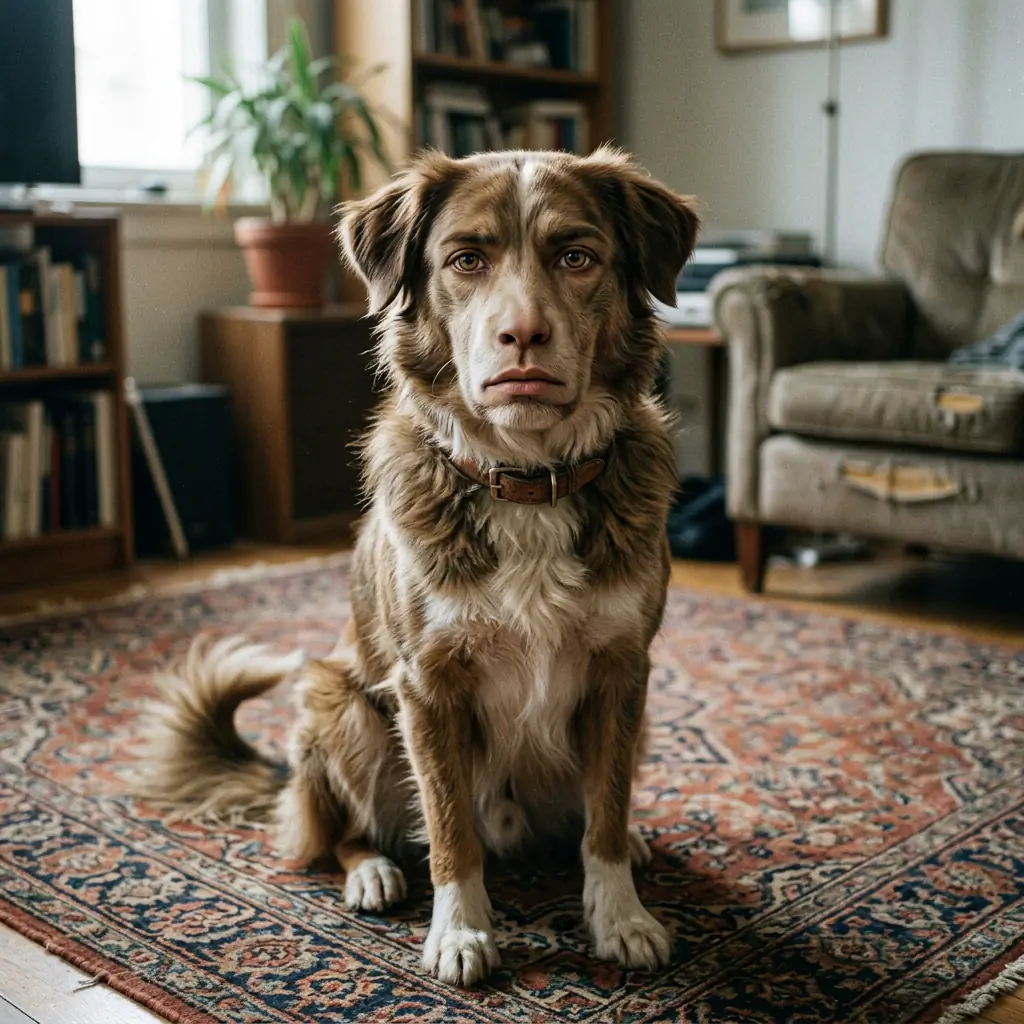
Yes, dogs can understand human emotions. They do not just guess how you feel; they actively process your facial expressions, vocal tones, and body language to gauge your mood. Scientific research shows that dogs possess a remarkable ability to integrate these different sensory cues to form a clear picture of whether you are happy, angry, sad, or frightened.
Beyond visual and auditory cues, dogs use their extraordinary sense of smell to detect chemical changes in human sweat and breath caused by emotional shifts. When you feel stressed or anxious, your body releases hormones like cortisol and adrenaline, which your dog can easily smell. This multi-sensory approach allows them to respond to your feelings in ways that often feel incredibly empathetic.
Understanding this connection is key to building a healthier relationship with your pet. Because dogs are highly sensitive to your emotional state, your moods directly influence their behavior. Recognizing how your dog reads you can help you manage your own energy to keep your pet calm, confident, and secure.
Facial expression recognition in dogs
- Dogs combine sight, sound, and smell to form a holistic picture of human emotional states.
- Your dog can smell chemical changes in your sweat caused by fear, stress, or happiness.
- The classic guilty look is actually a submissive response to your angry body language and tone.
- Dogs experience emotional contagion, meaning they actively absorb and mirror your stress or calm.
| Topic | When it helps | What to keep in mind |
|---|---|---|
| Visual Cues | Daily communication and training | Staring directly into a dog’s eyes for too long can be perceived as a threat or a challenge. |
| Auditory Cues | Reassurance and verbal praise | Yelling or using a harsh tone can cause a dog to shut down or display fearful behaviors. |
| Olfactory Cues | Anxiety detection and service work | You cannot easily hide your stress from a dog because you cannot stop your body from producing these chemical signals. |
How Dogs Read Our Body Language and Faces
Dogs are visual observers. They spend hours watching our daily routines, movements, and facial expressions. Research indicates that when dogs look at human faces, they show a gaze bias toward the right side of the face, which is the side that more accurately displays emotional states in humans. This suggests they are actively analyzing our expressions to see how we feel.

Your posture also tells a story. A relaxed body with loose shoulders signals safety, while a rigid, upright posture can signal tension or anger. Dogs are incredibly quick to pick up on these physical changes, often adjusting their behavior before you even speak a word.
When you come home stressed, you might stand rigidly with your arms crossed. Your dog may approach slowly with their ears pinned back, misinterpreting your physical tension as anger directed at them.
Do not mistake a dog’s submissive posture-like cowering, tucking the tail, or licking their lips-for an admission of guilt after they chew something they shouldn’t. They are simply reacting to your angry posture and trying to appease you.
- Squinted or soft eyes from an owner signal safety and relaxation to a dog.
- Yawning can be a contagious behavior, but in dogs, it often serves as a calming signal to defuse human tension.
- A dog may turn its head away or lick its nose to show it feels uncomfortable with your current emotional energy.
The Role of Voice and Scent in Canine Empathy
While visual cues are important, dogs do not rely on sight alone. Their auditory processing centers are highly specialized to detect emotional variations in vocalizations. A laugh, a sigh, or a sob all carry distinct acoustic properties that dogs categorize as positive or negative. This is why a dog might tilt its head when you speak; they are focusing on the emotional tone behind your words.
The most fascinating aspect of canine emotional intelligence is their sense of smell. Humans sweat when they are stressed, angry, or happy, and each of these states produces a unique chemical profile. Dogs can identify these olfactory changes instantly. This explains why a dog might suddenly act protective or anxious when their owner is quietly panicking inside, even if the owner is trying hard to look perfectly calm.
If you are crying quietly, your dog might come over and nudge your hand. They are reacting to the sound of your whimpering and the distinct scent of your tears, which contain different chemical markers than normal eye lubrication.

Avoid using a high-pitched, excited voice when trying to soothe an already anxious or hyperactive dog, as this can increase their arousal levels rather than calming them down.
| Human Emotion | Physical & Chemical Cues | Typical Dog Response |
|---|---|---|
| Happiness | Smiling, relaxed muscles, sweet-smelling sweat, upbeat voice | Relaxed tail wagging, playful behavior, approaching for affection |
| Anger | Frowning, rigid posture, loud/low voice, direct eye contact | Cowering, avoiding eye contact, tucking tail, or hiding |
| Fear / Stress | Rapid breathing, high cortisol in sweat, trembling voice | Whining, pacing, licking the owner, or showing signs of shared anxiety |
| Sadness | Crying, slumped posture, quiet vocalizations, slow movements | Nudging, resting head on lap, staying close to offer comfort |
How Your Emotional State Affects Your Dog’s Behavior
The phenomenon of emotional contagion means that dogs do not just observe our emotions; they actually absorb them. If you live in a high-stress household, your dog is likely to exhibit higher baseline cortisol levels. Over time, chronic human stress can manifest in dogs as behavioral issues, such as separation anxiety, excessive barking, or destructive chewing.
Conversely, you can use this emotional mirror to your advantage. By consciously practicing calm breathing, relaxing your shoulders, and speaking in a steady, reassuring tone, you can help an anxious dog settle down. Your calm energy acts as a safety signal, showing them that there is no need to worry.
If you dread taking your dog to the vet, your heart rate rises and your muscles tense up as you walk through the door. Your dog smells your fear and feels your tension, causing them to react defensively during the examination.
Do not punish your dog for acting anxious or reactive when you are going through a highly stressful life event. Recognize that they are mirroring your internal state.
- Dogs often look to their owners for reassurance when confronted with an unfamiliar object or sound, a behavior known as social referencing.
- A calm, confident owner helps build a resilient dog that can handle novel environments with ease.
- Taking a few deep breaths before training your dog can significantly improve their focus and success rate.

Visual auditory and olfactory ways
Visual Cues. Reading Facial Expressions and Body Posture
Dogs look at human faces to identify emotions, paying close attention to the eyes and mouth. They can distinguish between a smiling, happy face and an angry, frowning face, even when shown photos of people they do not know.
- Daily communication and training
- Staring directly into a dog’s eyes for too long can be perceived as a threat or a challenge.
- Softener your gaze and keep your shoulders relaxed to signal to your dog that you are approachable and calm.
- Primary Sense – Sight
- Key Indicator – Eye shape and mouth tension
Auditory Cues. Processing Vocal Tones and Pitch
Dogs are highly sensitive to the pitch, speed, and volume of your voice. High-pitched, rhythmic sounds generally signal playfulness and safety, while low-pitched, harsh sounds indicate anger or warning.
- Reassurance and verbal praise
- Yelling or using a harsh tone can cause a dog to shut down or display fearful behaviors.
- Use a calm, steady, low-volume voice when you want your dog to relax during stressful situations like thunderstorms.
- Primary Sense – Hearing
- Key Indicator – Pitch and cadence
Olfactory Cues. Detecting Chemical Changes and Hormones
When humans experience strong emotions, our endocrine system releases specific hormones that alter our body odor. Dogs can smell these subtle chemical shifts in our sweat and breath, allowing them to detect fear or stress before we even show outward signs.
- Anxiety detection and service work
- You cannot easily hide your stress from a dog because you cannot stop your body from producing these chemical signals.
- Focus on deep breathing to lower your heart rate and reduce the chemical markers of stress that your dog picks up on.
- Primary Sense – Smell
- Key Indicator – Cortisol and adrenaline levels
FAQs
Do dogs understand when you cry?
Yes. Dogs are highly sensitive to the acoustic sounds of crying and the physical posture associated with sadness. Studies show that dogs are more likely to approach a person who is crying than someone who is humming or talking, often offering comforting behaviors like nudging or leaning against them.
Can dogs sense fear?
Yes, dogs can sense fear primarily through their sense of smell. When you are afraid, your body releases adrenaline and cortisol, which escape through your sweat glands. Dogs detect these chemical changes instantly and may react by becoming protective, anxious, or submissive.
Do dogs feel empathy or are they just reacting?
Dogs experience a form of empathy called emotional contagion, where they share the emotional state of those around them. While they may not understand the complex cognitive reasons behind your sadness or anger, they genuinely feel the distress or joy you are experiencing and react accordingly.
How do I show my dog I love them in their language?
You can communicate love by using a soft, warm tone of voice, maintaining gentle and relaxed eye contact, and spending quiet time together. Giving them a gentle massage or letting them lean against you are also excellent ways to reinforce your bond using physical touch.
Conclusion
The connection between dogs and humans is built on thousands of years of co-evolution. This shared history has allowed dogs to develop a sophisticated system for reading our emotions, using sight, sound, and smell to understand us in ways few other animals can. They are truly mirrors of our internal states.
By understanding how your dog interprets your feelings, you can become more mindful of the energy you bring into your home. Managing your own stress, using clear body language, and speaking in calm tones will not only help your dog feel secure but will also deepen the unique bond you share with your pet.
Related posts
 How to Strengthen Weak Nails: A Practical Guide to Daily Care
Learn how to strengthen weak nails with simple daily habits, protective care, and targeted hydration. Restore your natural nail strength today. Weak, peeling, or brittle nails…
 What Sounds Do Cats Dislike? 7 Noises That Stress Your Pet
Discover what sounds do cats dislike and why. Learn how to protect your cat’s sensitive hearing from stressful household noises and high-frequency hums. Cats dislike sounds…
 Restoring Faded Black Clothing: Practical Methods and Reality Checks
Can you restore faded black clothing? Learn the difference between temporary color revival and permanent redyeing, plus how to prevent future fading. You can restore the…