
What is Minimal Home Design? Principles for a Simpler Space
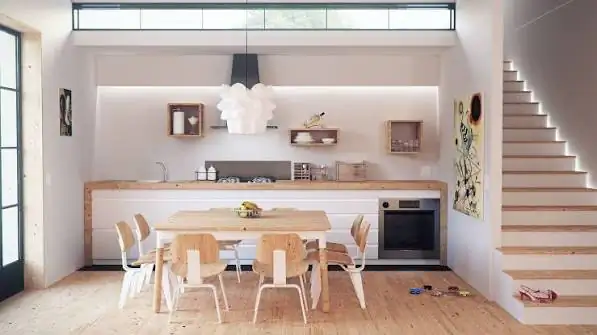
Minimal home design is an interior aesthetic and philosophy centered on simplicity, functionality, and intentionality. It involves creating living spaces that are uncluttered, serene, and purposeful by carefully selecting essential items and removing anything unnecessary.
Far from being stark or empty, a minimal home focuses on quality over quantity, clean lines, and a harmonious environment. The goal is to enhance daily life by reducing visual noise and distractions, allowing the beauty of essential forms and natural light to take center stage.
| Topic | When it helps | What to keep in mind |
|---|---|---|
| Principle 1 | Anyone seeking a more mindful approach to their belongings and living environment. | Accumulating items without thought, leading to clutter creep. |
| Principle 2 | Those who feel overwhelmed by too many possessions or struggle with organization. | Hiding clutter in drawers without truly decluttering, leading to ‘organized mess’. |
| Principle 3 | Individuals who appreciate modern aesthetics and a streamlined look. | Choosing overly stark or uncomfortable furniture in the name of simplicity. |
| Principle 4 | Creating a serene and calming atmosphere that promotes relaxation. | Making a space feel cold or sterile by neglecting texture and varying shades. |
| Principle 5 | Long-term value and a more sustainable approach to home furnishings. | Overspending on items just because they are ‘minimalist’ without considering true value. |
Beyond the Bare Minimum: What Minimal Home Design Truly Means
At its heart, minimal home design is less about deprivation and more about liberation. It’s a conscious choice to simplify your surroundings, allowing you to focus on experiences and relationships rather than accumulating possessions.
The essence lies in creating a harmonious environment where every element is considered. This often translates to open floor plans, abundant natural light, and a sense of calm that permeates each room.
Imagine a living room with a comfortable, well-made sofa, a single elegant floor lamp, and a carefully chosen piece of art.
A common mistake is equating minimal design with starkness or a lack of personality.
The Core Principles of Minimal Home Design
Understanding minimal home design means recognizing its foundational principles. These aren’t rigid rules, but rather guiding ideas that help shape a space that feels both serene and highly functional.
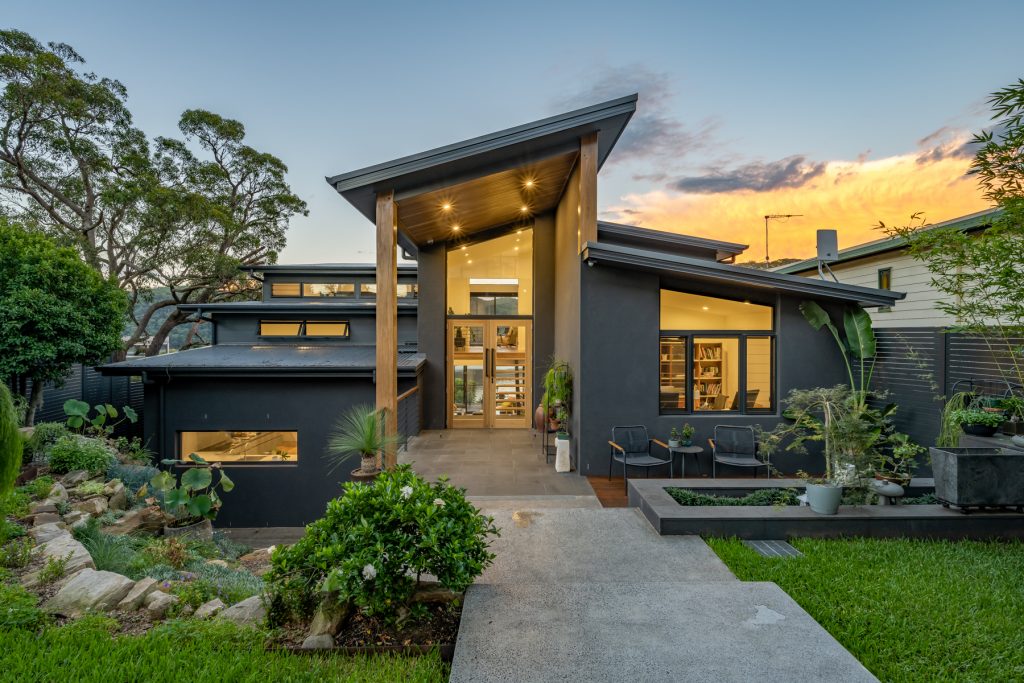
The structured items below outline the key elements that define this popular and enduring design approach, moving from the philosophical to the practical aspects of creating a truly minimal home.
Consider a bedroom where the bed is the focal point, dressed in simple, high-quality linens.
One pitfall is focusing solely on aesthetics without considering functionality.
Why Embrace Minimal Home Design? Practical Benefits
Beyond its aesthetic appeal, minimal home design offers a range of practical benefits that can significantly improve your daily life. These advantages extend from mental well-being to the practicalities of home maintenance, making it a compelling choice for many.
Embracing this style can lead to a more peaceful and efficient household, allowing you to reclaim time and energy that might otherwise be spent managing excess.
Imagine coming home after a long day to a living room where everything has its place.
Don’t expect minimal design to instantly solve all your organizational problems.
- Reduced Stress and Improved Focus: Less visual clutter means fewer distractions, promoting a calmer mind and better concentration.
- Easier Maintenance and Cleaning: With fewer items and clear surfaces, cleaning becomes quicker and less daunting.
- Enhanced Sense of Space: Removing unnecessary furniture and decor makes rooms feel larger, more open, and airy.
- Financial Savings: A focus on intentional purchases and quality over quantity can lead to fewer impulse buys and.
- Greater Appreciation for Possessions: When you own fewer things, you tend to value and appreciate each item more.

| Aspect | Cluttered Home | Minimal Home |
|---|---|---|
| Visual Impact. | Overwhelming, busy, distracting. | Calm, serene, focused. |
| Maintenance. | Time-consuming, constant tidying. | Quick, straightforward cleaning. |
| Stress Level. | Higher due to disorganization. | Lower, promotes relaxation. |
| Sense of Space. | Feels smaller, cramped. | Feels larger, open, airy. |
Starting Your Minimal Design Journey: First Steps
If the idea of a minimal home resonates with you, starting the journey doesn’t have to be an overwhelming task. Begin with small, manageable steps that allow you to gradually integrate these principles into your living space and lifestyle.
Remember, minimal design is a journey, not a destination. It’s about finding what works best for you and your household, creating a space that supports your well-being and daily routines.
Instead of tackling your entire house, pick one small area, like your entryway or a single bookshelf.
Don’t try to declutter your entire home in one weekend.
- Start Small: Choose one room or even one drawer to declutter. This builds confidence and shows immediate results.
- Declutter Ruthlessly: Remove items that don’t serve a purpose, bring joy, or are truly essential. Consider the ‘one.
- Optimize Storage: Invest in smart, hidden storage solutions to keep surfaces clear. Baskets, built-in shelves, and multi-functional furniture.
- Embrace a Neutral Base: Begin with neutral colors for walls and large furniture pieces. You can always add.
- Focus on Function: When arranging furniture, prioritize how you use the space. Ensure pathways are clear and each.
Clear definition of minimal home
- Minimal home design is about intentionality and purpose, not just emptiness.
- It prioritizes functionality, clean lines, and quality items over excessive clutter.
- Embracing this style can lead to a calmer mind, easier maintenance, and a more focused environment.
- Starting small, like decluttering one area, is an effective way to begin your journey.
- Minimalism is adaptable and can be warm and inviting, not just cold or stark.
The article must define minimal
Principle 1. Intentionality and Purpose
Every item in a minimal home serves a purpose or holds significant value. This means consciously choosing what to bring into your space and regularly evaluating what stays.
- Anyone seeking a more mindful approach to their belongings and living environment.
- Accumulating items without thought, leading to clutter creep.
- Before buying something new, ask yourself: ‘Does this truly serve a purpose or bring me joy?’ If not, reconsider.
- Focus – Deliberate choices.
- Goal – Meaningful possessions.
Principle 2. Clutter-Free and Open Spaces
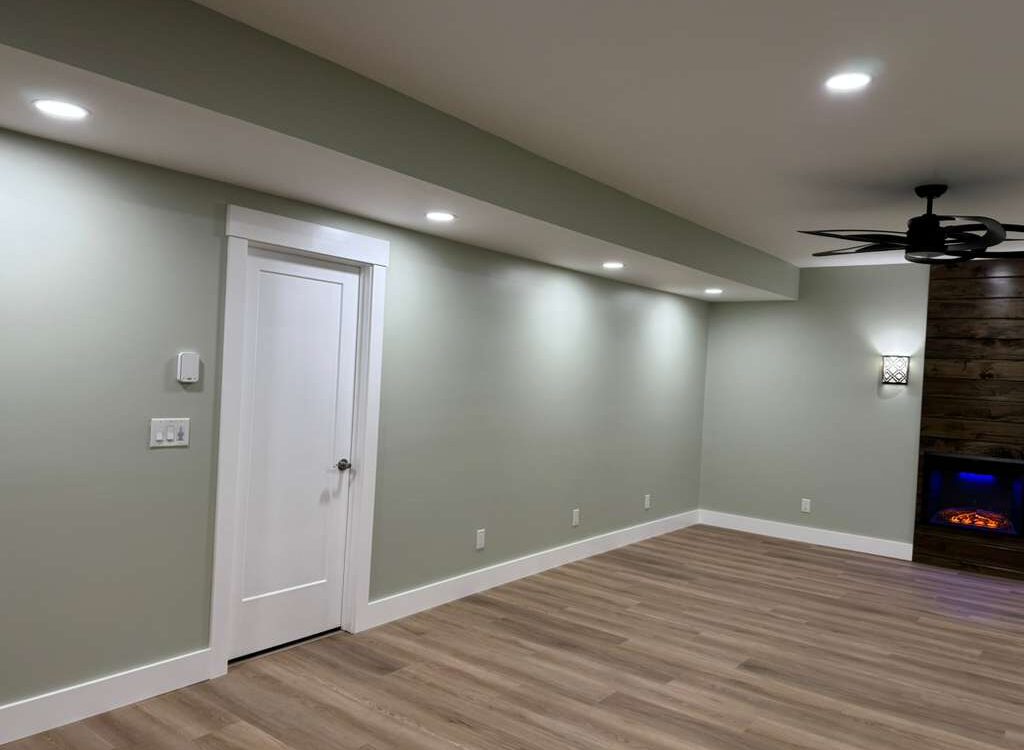
A hallmark of minimal design is the absence of excessive clutter. Surfaces are kept clear, storage is optimized, and items are put away rather than left out.
- Those who feel overwhelmed by too many possessions or struggle with organization.
- Hiding clutter in drawers without truly decluttering, leading to ‘organized mess’.
- Regularly declutter one small area, like a countertop or a single drawer, to maintain clear surfaces.
- Key Feature – Clear surfaces.
- Effect – Spacious feel.
Principle 3. Clean Lines and Simple Forms
Minimal design favors furniture and decor with straightforward, uncluttered shapes and smooth surfaces. Ornate details, excessive patterns, and bulky items are typically avoided.
- Individuals who appreciate modern aesthetics and a streamlined look.
- Choosing overly stark or uncomfortable furniture in the name of simplicity.
- Look for furniture pieces with simple silhouettes and neutral upholstery that can easily blend with other elements.
- Aesthetic – Streamlined.
- Avoid – Ornate details.
Principle 4. Limited Color Palette
Minimal homes often utilize a restrained color palette, typically featuring neutrals like whites, grays, beiges, and blacks. This creates a tranquil backdrop, allowing textures, natural light, and a few carefully chosen accent pieces to stand out.
- Creating a serene and calming atmosphere that promotes relaxation.
- Making a space feel cold or sterile by neglecting texture and varying shades.
- Introduce warmth through natural wood tones, soft textiles, and varying shades within your chosen neutral palette.
- Palette – Neutrals.
- Impact – Calm backdrop.
Principle 5. Quality Over Quantity
Instead of filling a home with many inexpensive items, minimal design encourages investing in fewer, higher-quality pieces that are durable, well-crafted, and aesthetically pleasing. This approach reduces waste, ensures longevity, and elevates the overall feel of the space.
- Long-term value and a more sustainable approach to home furnishings.
- Overspending on items just because they are ‘minimalist’ without considering true value.
- Prioritize investing in foundational pieces like a sofa or dining table, and then gradually add other items as needed.
- Value – Durability.
- Approach – Thoughtful investment.
FAQs
Is minimal design only for modern homes?
No, minimal design can be adapted to various architectural styles, not just modern ones. While it often pairs well with contemporary aesthetics, its principles of simplicity and intentionality can enhance traditional, rustic, or even eclectic homes by reducing clutter and focusing on.
Can a minimalist home still feel warm and inviting?
A common misconception is that minimal homes are cold or sterile. Warmth can be introduced through natural materials like wood, wool, and linen, soft lighting, varying textures, and a carefully chosen, limited color palette that includes warmer neutrals or subtle earth tones.
What’s the difference between minimalist and simply decluttered?
Decluttering is a key component of minimalism, but minimalism goes further. Decluttering removes excess items.
Is there a downside to minimalist style?
Some potential downsides include the initial effort required for decluttering, the need for consistent maintenance to prevent clutter from returning, and the possibility of a space feeling too sparse if not balanced with warmth and personality. It also requires a shift in.
Conclusion
Minimal home design offers a powerful approach to creating living spaces that are not only aesthetically pleasing but also deeply functional and calming. It’s a philosophy that champions intentionality, encouraging you to surround yourself only with items that serve a purpose or bring genuine joy, thereby reducing visual noise and mental clutter.
By embracing clean lines, a limited palette, and a focus on quality, you can transform your home into a serene sanctuary. This journey towards simplicity can lead to a more peaceful mind, easier maintenance, and a greater appreciation for the essential elements of your life.
Related posts
 How to Strengthen Weak Nails: A Practical Guide to Daily Care
Learn how to strengthen weak nails with simple daily habits, protective care, and targeted hydration. Restore your natural nail strength today. Weak, peeling, or brittle nails…
 What Sounds Do Cats Dislike? 7 Noises That Stress Your Pet
Discover what sounds do cats dislike and why. Learn how to protect your cat’s sensitive hearing from stressful household noises and high-frequency hums. Cats dislike sounds…
 Restoring Faded Black Clothing: Practical Methods and Reality Checks
Can you restore faded black clothing? Learn the difference between temporary color revival and permanent redyeing, plus how to prevent future fading. You can restore the…