
Why Is Your Dog Shaking (But Not Cold)? Common Causes & When to Worry

If your dog is shaking or trembling, but the room isn’t cold, it’s natural to feel concerned. This behavior can signal a wide range of underlying issues, from simple excitement or anxiety to more serious medical.
The absence of cold as a cause means you need to look for other clues. Pay close attention to when the shaking started, how long it lasts, if it’s constant or intermittent, and any other symptoms.
| Topic | When it helps | What to keep in mind |
|---|---|---|
| Cause 1 | Dogs experiencing situational stress, fear of specific triggers, or separation anxiety. | Chronic anxiety can lead to other behavioral issues and impact overall well-being. |
| Cause 2 | Dogs with high energy, puppies, or those who associate shaking with positive outcomes. | If excitement shaking becomes excessive or leads to other uncontrolled behaviors, it might need gentle. |
| Cause 3 | Dogs of any age, but especially older dogs prone to joint issues or those with. | Pain can escalate quickly and lead to other health complications. |
| Cause 4 | Dogs showing other signs of illness like lethargy, vomiting, diarrhea, or changes in appetite. | Many medical conditions require immediate veterinary diagnosis and treatment. |
| Cause 5 | Dogs exhibiting uncontrolled, rhythmic shaking, or a sudden change in consciousness. | Seizures can be frightening and indicate serious underlying brain issues. |
| Cause 6 | Any dog, especially those prone to eating things they shouldn’t. | Toxin ingestion is often a medical emergency. |
Understanding Why Your Dog Shakes (Beyond the Cold)
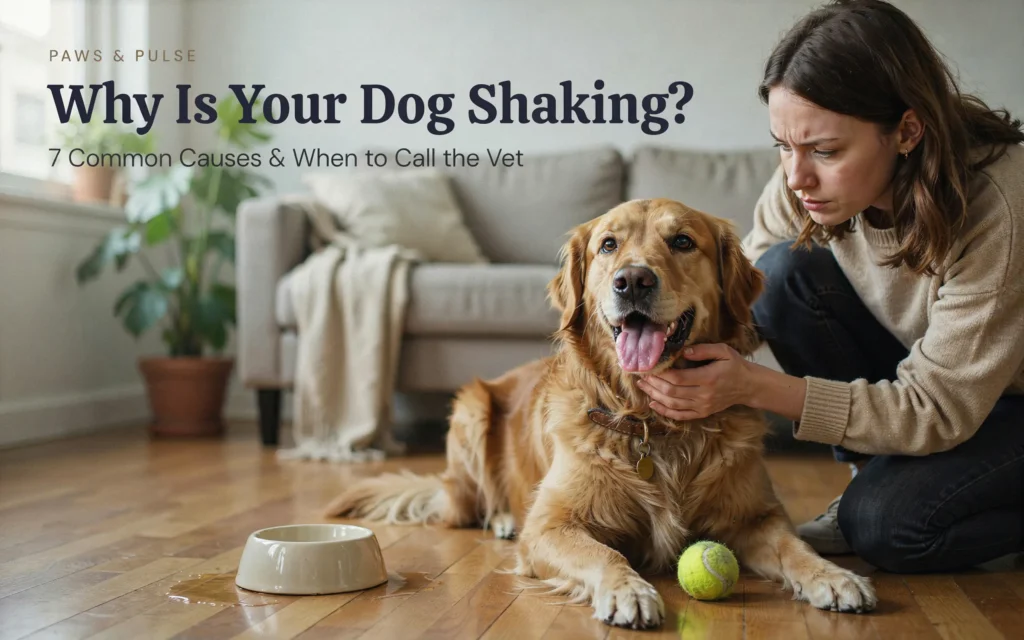
Why Is Your Dog Shaking. When your dog starts shaking, and you know they aren’t cold, it’s a signal that something else is going on. Unlike shivering from low temperatures, non-cold shaking often points to an internal state, whether it’s emotional distress, physical discomfort, or a medical problem.
If your dog is shaking indoors on a warm day, and you’ve already checked that they’re not wet or in.
Assuming all shaking is harmless or waiting too long to observe other symptoms.
Common Non-Cold Reasons for Dog Shaking
Beyond being cold, there are several common reasons why a dog might shake. These range from benign behavioral responses to serious health concerns.
Dismissing a cause too quickly without considering all accompanying symptoms.
If your dog starts shaking intensely every time fireworks go off, but is otherwise fine, it’s a strong indicator of.
| Potential Cause | Key Accompanying Signs | Urgency Level |
|---|---|---|
| Anxiety/Fear. | Panting, hiding, whining, pacing, lip licking, tucked tail. | Moderate (address triggers, comfort). |
| Excitement/Attention. | Wagging tail, playful barks, eager posture, temporary. | Low (normal behavior). |
When to Seek Veterinary Attention
While some causes of shaking are harmless, it’s crucial to know when your dog’s trembling signals a more serious problem. A quick response can make a significant difference in the outcome for certain conditions.
If your dog suddenly starts shaking, becomes lethargic, and tries to vomit repeatedly, this combination of symptoms signals an emergency.
Delaying a vet visit when severe symptoms are present, or trying to self-diagnose and treat a potentially serious condition at.

- Sudden Onset and Severity: If the shaking starts abruptly, is intense, and.
- Accompanied by Other Symptoms: If shaking is combined with vomiting, diarrhea, lethargy.
How to Help Your Shaking Dog at Home
If you’ve assessed the situation and determined that the shaking is likely due to a mild cause like excitement or temporary anxiety, or if you’re waiting for a vet appointment, there are steps you can take to help your dog feel more comfortable.
Forcing interaction with an anxious dog, which can increase their stress.
If your dog is shaking due to a thunderstorm, move them to a quiet, interior room, close curtains, play calming.
- Provide a Calm Environment: If anxiety or fear is the cause, move.
- Offer Comfort: Gently pet and reassure your dog if they respond positively.
Safety checks
- Dog shaking without being cold can stem from various causes, from mild excitement.
- Observing other symptoms alongside the shaking is crucial for understanding the underlying problem.
- Anxiety and pain are common non-cold reasons for shaking and require careful attention.
The article must cover common
Cause 1. Anxiety or Fear
Dogs often shake when they are feeling anxious, fearful, or stressed. This can be triggered by loud noises (thunder, fireworks), new environments, separation from owners, vet visits, or unfamiliar people/animals.
- Dogs experiencing situational stress, fear of specific triggers, or separation anxiety.
- Chronic anxiety can lead to other behavioral issues and impact overall well-being.
- Observe if the shaking occurs during specific events or situations.
- Common Triggers – Loud noises, new places, separation.
Cause 2. Excitement or Attention-Seeking
Some dogs, especially smaller breeds or puppies, may shake out of sheer excitement, particularly when greeting their favorite people, anticipating a walk, or receiving a treat. This is usually a temporary, harmless behavior.
- Dogs with high energy, puppies, or those who associate shaking with positive outcomes.
- If excitement shaking becomes excessive or leads to other uncontrolled behaviors, it might need gentle.
- Consider the context: does the shaking happen only during happy, stimulating moments?
- Common Triggers – Greetings, playtime, food.
Cause 3. Pain or Discomfort
Shaking can be a subtle but significant sign that your dog is in pain, even if there’s no obvious injury. This could be due to arthritis, an internal injury, dental pain, back problems, or.
- Dogs of any age, but especially older dogs prone to joint issues or those with.
- Pain can escalate quickly and lead to other health complications.
- Gently check your dog for sensitivity, limping, reluctance to move, changes in posture, or vocalization.
- Common Triggers – Injury, arthritis, internal issues.
Cause 4. Illness or Medical Conditions
Various medical conditions can cause a dog to shake. These include kidney disease, hypoglycemia (low blood sugar), generalized tremor syndrome (common in small white dogs), distemper, or even a reaction to certain medications.
- Dogs showing other signs of illness like lethargy, vomiting, diarrhea, or changes in appetite.
- Many medical conditions require immediate veterinary diagnosis and treatment.
- Look for other symptoms like vomiting, diarrhea, lethargy, loss of appetite, increased thirst, or changes.
- Common Conditions – Kidney disease, hypoglycemia, distemper.
Cause 5. Neurological Issues or Seizures
Shaking can sometimes be a sign of a neurological problem, such as a seizure. Seizures in dogs can manifest in various ways, from full-body convulsions to more subtle tremors or muscle twitching.
- Dogs exhibiting uncontrolled, rhythmic shaking, or a sudden change in consciousness.
- Seizures can be frightening and indicate serious underlying brain issues.
- Observe if the shaking is rhythmic, uncontrollable, or if your dog seems disoriented, confused, or.
- Common Issues – Epilepsy, brain injury.
Cause 6. Toxin Exposure
Ingesting certain toxins, such as chocolate, xylitol (artificial sweetener), caffeine, certain plants, or household chemicals, can cause a dog to shake, tremble, or even have seizures. The severity depends on the substance and the.
- Any dog, especially those prone to eating things they shouldn’t.
- Toxin ingestion is often a medical emergency.
- Think about what your dog might have had access to recently.
- Common Toxins – Chocolate, xylitol, certain plants.
FAQs
When is a dog shaking without being cold an emergency?
A dog shaking without being cold is an emergency if it’s sudden, severe, continuous, or accompanied by other alarming symptoms like collapse, difficulty breathing.
Can anxiety cause a dog to shake constantly?
Yes, severe or chronic anxiety can cause a dog to shake frequently or almost constantly, especially if they are in a state of heightened.
What can I do to calm my dog if they are shaking from fear?
To calm a fearful, shaking dog, create a safe, quiet space away from the trigger. Offer gentle reassurance if they seek it, but don’t.

Conclusion
Observing your dog shaking when they aren’t cold can be unsettling, but understanding the potential reasons is the first step toward helping them. From simple excitement to more complex medical conditions, the context and accompanying.
Related posts
 How to Strengthen Weak Nails: A Practical Guide to Daily Care
Learn how to strengthen weak nails with simple daily habits, protective care, and targeted hydration. Restore your natural nail strength today. Weak, peeling, or brittle nails…
 What Sounds Do Cats Dislike? 7 Noises That Stress Your Pet
Discover what sounds do cats dislike and why. Learn how to protect your cat’s sensitive hearing from stressful household noises and high-frequency hums. Cats dislike sounds…
 Restoring Faded Black Clothing: Practical Methods and Reality Checks
Can you restore faded black clothing? Learn the difference between temporary color revival and permanent redyeing, plus how to prevent future fading. You can restore the…