
How To Choose Automotive Tools On A Budget
Need tools for your car but worried about cost? Learn how to choose automotive tools on a budget with smart tips on essential gear, where to save, and where to spend a little more for safety and durability.
So you have decided to start working on your own car. That is a great choice. It saves money, teaches you new skills, and gives you a real sense of pride when you fix something yourself. But there is one big question that stops many people before they even start. How do you choose automotive tools on a budget without ending up with junk that breaks on the first use?
I have been there. I remember walking into a big hardware store with a small amount of cash and feeling totally lost. There were so many brands, so many shiny sets, and so many price tags that made my eyes water. Over the years, I have learned that you do not need to spend a fortune to get good tools. You just need to know what to look for, what to skip, and where to find the best deals.
This guide will help you choose automotive tools on a budget the smart way. We will talk about the must-have items, the brands that offer real value, and the tricks that can save you hundreds of dollars. Let us get started.
Why You Should Think About Your Needs First
Before you buy anything, take a moment to think about what you will actually do with your tools. This is the most important step if you want to choose automotive tools on a budget that fits your life.
Are you planning to do simple oil changes and tire rotations? Or do you want to tackle bigger jobs like brake replacements and suspension work? Your answer changes everything. A person who only changes oil twice a year does not need the same tools as someone who restores classic cars on the weekends.
Here is a simple rule. Start with the basics. Buy only what you need for the jobs you know you will do. As you take on harder projects, you can add more tools over time. This approach helps you choose automotive tools on a budget because you are not wasting money on things that will sit in a drawer for years.
“Buy the best tools you can afford, but only buy the tools you need. The rest is just clutter.” – Tommy Caldwell, Master Mechanic and Workshop Instructor
Think about your vehicle too. Most modern cars use metric fasteners. That means you will use 10mm, 13mm, and 15mm sockets much more often than inch-based sizes. If you drive an older American car, you might need both metric and SAE sizes. Knowing this before you shop helps you choose automotive tools on a budget more effectively.
The Essential Tools You Really Need
Let us talk about the tools that every home mechanic should own. These are the items that will handle 90 percent of the jobs you are likely to do. When you choose automotive tools on a budget, focus on getting these basics right.
Socket Set and Ratchets
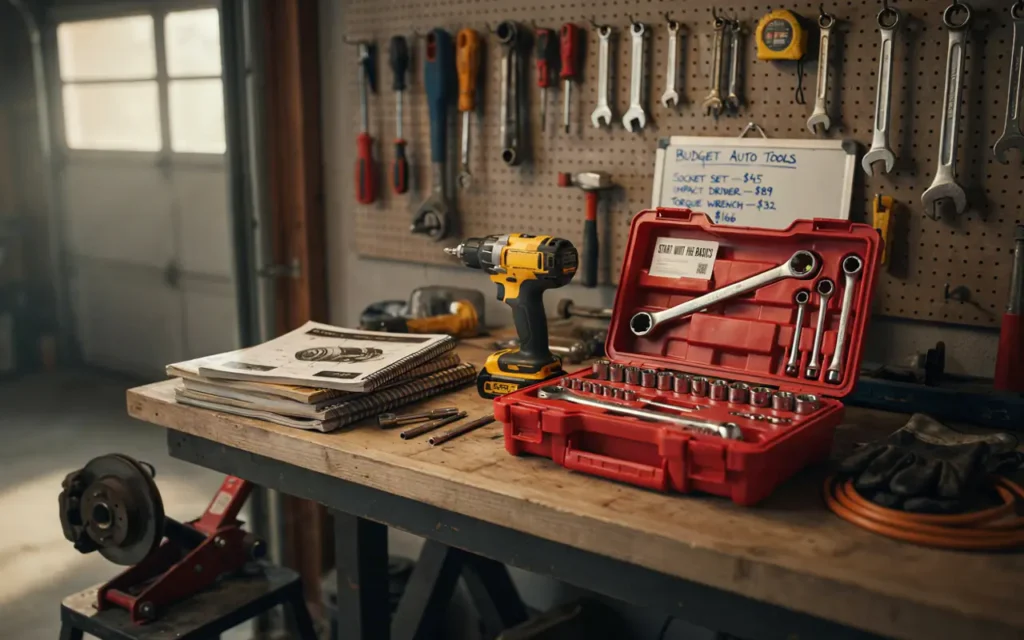
A good socket set is the heart of any tool collection. You will use it for almost everything. Look for a set that includes both metric and SAE sizes if your budget allows. Many experts recommend starting with a 3/8-inch drive set because it is the most versatile size for general work.
Popular budget-friendly options include the Amazon Basics 201-piece Mechanic’s Tool Set for around $72 and the Crescent 180-piece set for about $100. Both offer solid quality without breaking the bank.
Combination Wrenches
Wrenches are essential for reaching bolts that sockets cannot access. A set of combination wrenches gives you both an open end and a box end on each tool. Start with sizes from 8mm to 19mm for metric or 1/4-inch to 7/8-inch for SAE.
Screwdrivers
You need flathead and Phillips screwdrivers in various sizes. A six-piece set with both regular and stubby versions will cover most automotive needs. Look for handles that resist grease and chemicals.
Pliers
Get a set that includes slip-joint pliers, needle-nose pliers, and locking pliers. These will help you grip, bend, and hold things in place while you work.
Floor Jack and Jack Stands
This is where safety matters most. Never skimp on lifting equipment. A good floor jack and a set of jack stands are non-negotiable. You can choose automotive tools on a budget in many areas, but lifting gear is not one of them. Look for jacks with at least a 2-ton capacity for most cars.
Torque Wrench
A torque wrench ensures you tighten bolts to the correct specification. This prevents damage and keeps you safe. Quality torque wrenches can cost around $200, but you can find decent ones for less. This is a tool where spending a little more pays off in the long run.
OBD-II Scanner
Modern cars have computers that tell you what is wrong. A basic code reader can save you a trip to the mechanic. You can find good ones for under $50. More advanced scanners with extra features cost more, but a basic model is fine for most DIYers.
Where to Buy Tools Without Spending Too Much
Knowing where to shop is just as important as knowing what to buy. Here are the best places to find quality tools at fair prices.
| Store | Best For | Price Range |
|---|---|---|
| Harbor Freight | Budget hand tools, jacks, tool storage | $10 – $200 |
| Home Depot (Husky) | Reliable hand tools with lifetime warranty | $15 – $150 |
| Lowe’s (Kobalt) | Tool sets and tool chests | $30 – $400 |
| Amazon | Massive selection, customer reviews | $10 – $300 |
| eBay / Facebook Marketplace | Used professional tools | Varies widely |
Harbor Freight has become one of the best places for affordable tools. Their Icon line offers professional-grade quality at much lower prices than premium brands. Many mechanics now buy from Harbor Freight, Lowe’s, and Home Depot instead of expensive tool trucks.
Kobalt from Lowe’s is a great choice if your budget is under $500. Their 277-piece set with a rolling tool cabinet costs about $368 and gives you a solid foundation.
Quality Versus Price: Where to Spend and Where to Save
This is the part that confuses most beginners. You want to choose automotive tools on a budget, but you also do not want tools that fail when you need them most. The secret is knowing which tools deserve your money and which ones can be cheap.
Spend More On These
Safety equipment comes first. Jack stands, wheel chocks, and safety glasses are not places to cut corners. Your life depends on these items.
Torque wrenches deserve a little extra investment. Inaccurate torque can damage engine parts or cause wheel bolts to come loose. A mid-range torque wrench from a reputable brand is worth the money.
Diagnostic tools like multimeters and OBD-II scanners benefit from better quality. Cheap ones give inaccurate readings that waste your time.
Frequently used items like your main ratchet and 10mm socket will see heavy use. Spending a bit more on these pays off because they will last longer.
Save Money On These
Specialty tools that you only use once or twice can be cheap or even borrowed. Many auto parts stores offer free loaner tools for things like ball joint presses and AC manifold gauges.
Pneumatic tools or air tools are good candidates for budget options unless you use them daily.
Tool storage does not need to be fancy. A basic tool box or even a sturdy bag works fine when you are starting out.
Screwdrivers and basic pliers can be budget-friendly as long as they feel solid in your hand. You do not need premium brands for these.
“I have used a $9 hammer from Harbor Freight next to a $90 Snap-On hammer, and honestly, there is no difference in how they work.” – Sarah Mitchell, Automotive Instructor and Former Shop Owner
The Smart Way to Buy Used Tools
Buying used tools is one of the best ways to choose automotive tools on a budget. Professional-grade tools from brands like Snap-On, Matco, and Cornwell can last for decades. When you buy them used, you get premium quality at a fraction of the price.
What to Buy Used
Hand tools like wrenches, sockets, and screwdrivers are safe to buy used. Inspect them for rust, cracks, or excessive wear. Box-end wrenches rarely wear out if they have been used properly.
Tool boxes are another great used purchase. They do not wear out and can be found cheaply on Facebook Marketplace or Craigslist.
Specialty tools that you will only use a few times are perfect for buying used.
What to Avoid Used
Torque wrenches can lose their calibration over time. Unless you can verify they are accurate, buy these new.
Power tools with batteries are risky. Batteries degrade and may not hold a charge. Corded power tools are safer used purchases.
Safety equipment like jack stands should always be bought new. You cannot see internal damage or metal fatigue.
When buying used tools, check seller ratings, ask for clear photos, and look for honest condition descriptions. eBay, Facebook Marketplace, and even pawn shops can be great sources.
Building Your Collection Over Time
You do not need to buy everything at once. The smartest way to choose automotive tools on a budget is to grow your collection slowly.
Month One: The Basics
Start with a socket set, combination wrenches, screwdrivers, and pliers. This gives you the ability to do basic maintenance like oil changes, battery replacements, and air filter changes.
Month Three: Safety and Convenience
Add a floor jack, jack stands, and a torque wrench. Now you can safely do brake jobs, tire rotations, and suspension work.
Month Six: Diagnostics
Buy an OBD-II scanner and a multimeter. These tools let you diagnose check engine lights and electrical problems.
Month Twelve: Specialty Items
As you take on harder projects, add specialty tools as needed. Buy them only when a specific job requires them.
This gradual approach helps you choose automotive tools on a budget because you spread out the cost and avoid buying things you never use.
Tool Brands That Offer Real Value
Here is a quick look at brands that give you good quality without the premium price tag.
| Brand | Where to Buy | Best For | Warranty |
|---|---|---|---|
| Icon | Harbor Freight | Professional-quality at budget prices | Lifetime on hand tools |
| Kobalt | Lowe’s | Tool sets and tool chests | Lifetime on hand tools |
| Husky | Home Depot | Reliable everyday tools | Lifetime on hand tools |
| Craftsman | Lowe’s, Amazon | Classic American tools | Lifetime on hand tools |
| GearWrench | Amazon, auto stores | Ratcheting wrenches and sockets | Limited lifetime |
| Pittsburgh | Harbor Freight | Cheap tools for occasional use | Limited |
Icon tools from Harbor Freight have impressed many users with their price-to-performance ratio. One user reported buying an Icon ratchet for $40 instead of $200 for a premium brand, and it has handled tough jobs for years.
Kobalt and Husky offer lifetime warranties on their hand tools. This means if a tool breaks, you can get a free replacement. That is valuable peace of mind when you choose automotive tools on a budget.
Common Mistakes to Avoid
Learning from other people’s mistakes can save you time and money. Here are the biggest errors beginners make when they choose automotive tools on a budget.
Buying the Biggest Set Available
Big sets look like great value, but they often include filler items you will never use. A 450-piece set might have 20 different screwdriver bits that just take up space. You are better off buying a smaller set of quality tools and adding individual pieces as needed.
Ignoring Warranties
Many budget brands offer lifetime warranties on hand tools. This is a huge benefit. If a socket cracks or a wrench bends, you get a new one for free. Always check the warranty before you buy.
Forgetting About Metric Sizes
Most modern cars use metric fasteners. If you buy only SAE tools, you will struggle with most repairs. When you choose automotive tools on a budget, make sure your set includes the sizes you will actually use.
Skimping on Safety Gear
Jack stands, wheel chocks, and safety glasses are not optional. Never use a floor jack alone to support a vehicle. Always use jack stands. This is not a place to save money.
Maintaining Your Tools
Good tools last longer when you take care of them. Here are some simple habits that protect your investment.
Clean your tools after each use. Wipe off grease and dirt with a rag. This prevents rust and keeps moving parts working smoothly.
Store tools in a dry place. Moisture causes rust, which ruins sockets and wrenches. A simple tool box with a lid is enough to keep them safe.
Oil moving parts occasionally. A drop of light oil on ratchet mechanisms keeps them smooth and extends their life.
Check your torque wrench calibration once a year. Many shops offer this service for a small fee. An inaccurate torque wrench can cause serious problems.
Final Thoughts on Choosing Tools Wisely
Learning to choose automotive tools on a budget is a skill that gets easier with practice. Start with the basics, buy from trusted budget brands, and add tools as you need them. Remember that you do not need Snap-On or Milwaukee to work on your car. Many affordable brands offer excellent quality that will serve you well for years.
The most important thing is to start. Buy a basic set, pick a small project, and learn as you go. Each repair will teach you something new and help you understand what tools you really need.
“The best tool in your box is the one you know how to use. Everything else is just hardware.” – James Carter, DIY Mechanic and YouTube Educator
When you choose automotive tools on a budget, focus on value, not just price. A $40 tool that lasts ten years is better than a $20 tool that breaks after six months. Think about cost per use, not just the price tag.
And remember, every mechanic started somewhere. Nobody was born knowing how to rebuild an engine. Take it step by step, buy smart, and enjoy the satisfaction of fixing your own car.
“Start with what you can afford and upgrade as you grow. The journey is part of the fun.” – Maria Rodriguez, Classic Car Restorer and Workshop Mentor
Frequently Asked Questions
What is the minimum budget for a basic set of automotive tools?
You can start with a decent set for about $100 to $150. This will cover sockets, wrenches, screwdrivers, and pliers. Add a floor jack and jack stands for another $100. A basic OBD-II scanner costs around $30. In total, you can have a functional toolkit for about $250 to $300.
Can I use regular household tools on my car?
Some household tools work, but most are not designed for automotive use. Car bolts are often tighter and require more torque. Using the wrong tool can strip bolts or break the tool itself. It is better to buy proper automotive tools from the start.
Are Harbor Freight tools any good?
Yes, many Harbor Freight tools offer excellent value. Their Icon line is particularly well-regarded for professional-grade quality at budget prices. Pittsburgh tools are cheaper but work fine for occasional use.
What is the most important tool for a beginner?
A good socket set with a ratchet is the most versatile tool you can buy. It handles the majority of automotive fasteners. Start with a 3/8-inch drive set that includes both metric and SAE sizes if possible.
Should I buy a tool set or individual tools?
For beginners, a quality tool set is usually the better choice. Sets offer better value and ensure you have all the basic sizes. Look for sets from reputable brands like Kobalt, Husky, or Craftsman.
Can I trust used tools from eBay or Facebook Marketplace?
Yes, for hand tools. Inspect photos carefully for rust, cracks, or damage. Check seller ratings and read descriptions thoroughly. Brands with lifetime warranties often honor them even for second-hand tools.
What tools should I never buy used?
Never buy used jack stands, torque wrenches, or safety equipment. These items affect your safety and can have hidden damage that is not visible. Always buy these new.
How do I know which socket sizes I need?
Most modern cars use metric sizes from 8mm to 19mm. The 10mm, 13mm, and 15mm sockets are the most commonly used. If you have an older American car, you may also need SAE sizes.
Conclusion
Learning to choose automotive tools on a budget does not have to be complicated. Start with the essentials, buy from trusted value brands, and add tools gradually as your skills grow. Remember to spend more on safety equipment and frequently used items, while saving on specialty tools and basic hand tools.
The key is to be smart about your purchases. Check warranties, read reviews, and think about what you actually need. With these strategies, you can build a solid toolkit without emptying your wallet.
Working on your own car is one of the most rewarding skills you can learn. It saves money, builds confidence, and gives you independence. The right tools make all the difference. So take your time, choose wisely, and enjoy the journey of becoming your own mechanic.
Related posts
 How to Strengthen Weak Nails: A Practical Guide to Daily Care
Learn how to strengthen weak nails with simple daily habits, protective care, and targeted hydration. Restore your natural nail strength today. Weak, peeling, or brittle nails…
 What Sounds Do Cats Dislike? 7 Noises That Stress Your Pet
Discover what sounds do cats dislike and why. Learn how to protect your cat’s sensitive hearing from stressful household noises and high-frequency hums. Cats dislike sounds…
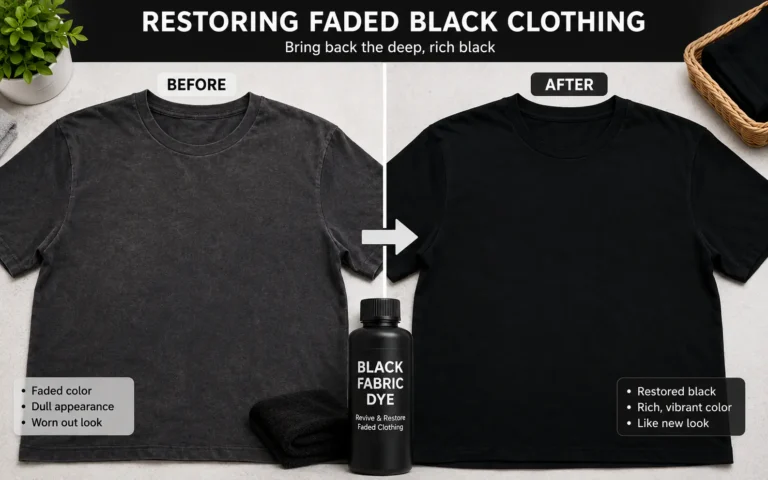 Restoring Faded Black Clothing: Practical Methods and Reality Checks
Can you restore faded black clothing? Learn the difference between temporary color revival and permanent redyeing, plus how to prevent future fading. You can restore the…