
What Car Tools Should Every Owner Have
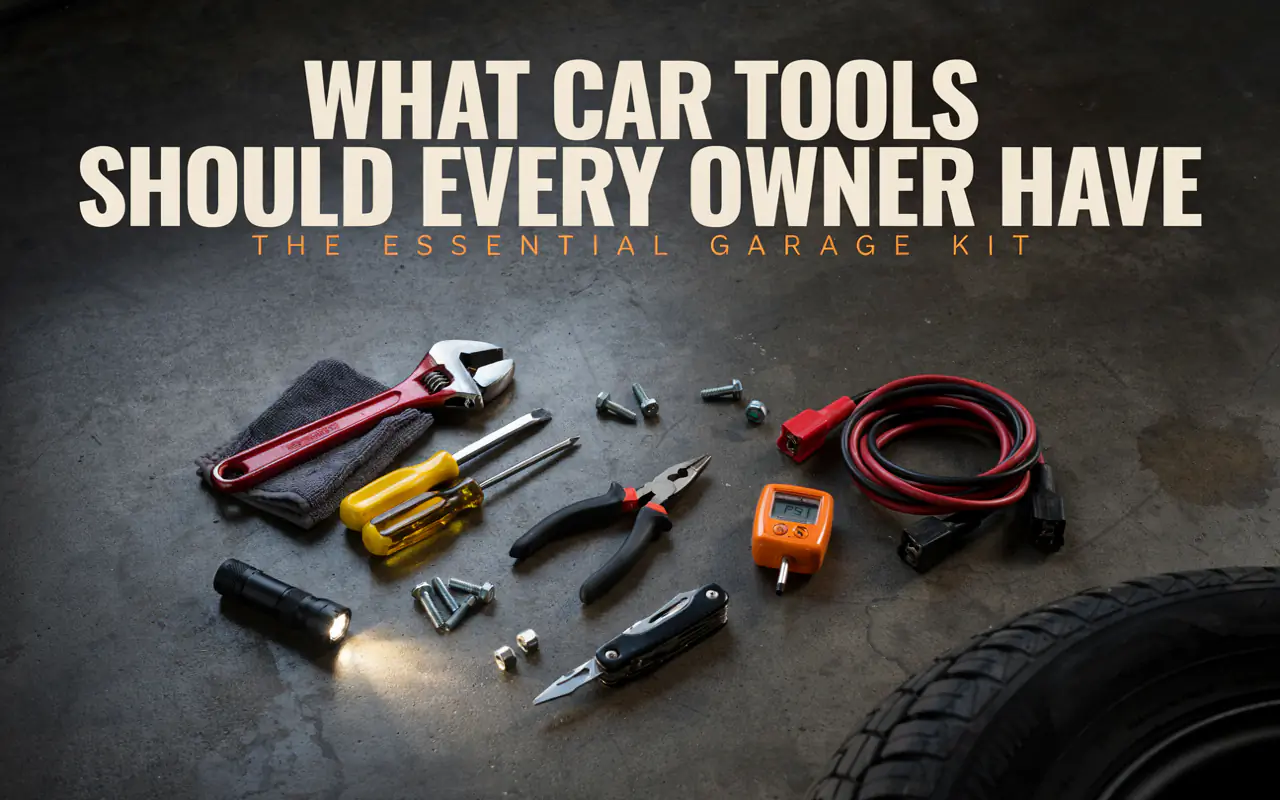
Finding the right car tools should every owner have can feel like a big task. This guide lists over 20 essential items, from tire gauges to jump starters, to keep you safe and save you money.
Owning a car brings freedom, but it also brings responsibility. You never know when a flat tire, a dead battery, or a strange noise under the hood will interrupt your day. Having the right tools can turn a stressful situation into a simple fix. You don’t need to be a professional mechanic to handle basic car care. With a few key items, you can handle minor repairs, perform regular maintenance, and stay safe during unexpected breakdowns.
This guide covers everything you need to know about the car tools should every owner have in their garage and their trunk. We will look at the must-haves for emergencies, the basics for routine maintenance, and a few advanced tools for those who want to do more. Whether you are a new driver or have years of experience, this list will help you build a useful toolkit.
Why Every Driver Needs a Basic Tool Kit
Many people think they can rely on roadside assistance for every problem. While that service is helpful, it is not always fast. You might wait an hour or more for help on a busy highway or a lonely road. Sometimes, the problem is so small that waiting feels silly. A simple tool can fix it in five minutes.
According to a AAA study, more than 40% of drivers do not carry an emergency kit in their vehicle. That means many people are not ready for common problems like flat tires or dead batteries. Being prepared gives you peace of mind. It also saves you money because you can fix small issues yourself instead of paying a mechanic for simple tasks.
“Basic car maintenance is not about being a gearhead. It is about being self-reliant and safe. The right tools in your trunk are your first line of defense against the unexpected.” – ChrisFix, Automotive YouTuber and Mechanic
Emergency and Roadside Tools
These are the tools that every car should carry. They help you deal with sudden problems on the road. Keep these items in your trunk or a storage compartment so they are always with you.
Portable Jump Starter
A dead battery is one of the most common reasons cars break down. You might leave your lights on, or your battery might simply be old. A portable jump starter lets you start your car without needing another vehicle. This is much safer and more convenient than traditional jumper cables. New jump starters often have USB ports to charge your phone and built-in flashlights. They are small enough to store in your trunk and can save you from being stranded.
Tire Pressure Gauge
Your tires are the only part of your car that touches the road. Keeping them at the right pressure is vital for safety and fuel economy. Underinflated tires wear out faster and make your car use more gas. A tire pressure gauge is one of the most affordable and important car tools should every owner have. You can find simple stick-type gauges or easier-to-read digital and dial types. Check your tire pressure at least once a month.
Lug Wrench
You cannot change a flat tire without a lug wrench. This tool is used to remove the nuts that hold your wheel in place. Most cars come with a basic lug wrench, but they are often short and hard to use. A longer wrench or a four-way lug wrench gives you more leverage. This makes it much easier to loosen stubborn lug nuts.
Jack and Jack Stands
To change a tire, you need to lift your car off the ground. A jack does this job. Many cars include a scissor jack for emergencies. However, a hydraulic floor jack is much easier and faster to use. If you plan to work under your car, you must use jack stands. Jack stands provide extra safety in case the jack fails. Never work under a car that is only supported by a jack.
Tire Inflator and Sealant
Sometimes you get a slow leak or a small puncture. A tire inflator can pump air back into your tire so you can drive to a repair shop. Some inflators plug into your car’s power outlet, while others are battery-powered. A can of tire sealant can also temporarily fix small holes. These tools can save you from changing a tire in the rain or at night.
Jumper Cables
While a jump starter is more convenient, jumper cables are still a good backup. They are cheaper and do not need to be charged. You will need another car to help you, but cables are a reliable classic. Make sure you know how to connect them safely to avoid damaging your car’s electronics.
Flashlight or LED Trouble Light
Many breakdowns happen at night or in dark parking lots. A flashlight helps you see what you are doing. An LED trouble light is even better because it provides bright, hands-free lighting. Keep extra batteries or a rechargeable light in your car.
Multi-Tool or Basic Hand Tools
A multi-tool is like a Swiss Army knife for your car. It has pliers, screwdrivers, and knives all in one. This is perfect for quick fixes like cutting a seatbelt or tightening a loose screw. For more serious repairs, you should also carry a basic set of screwdrivers and pliers.
Reflective Triangles or Flares
If you break down on the side of the road, you need to warn other drivers. Reflective triangles or road flares make your car visible from a distance. Place them behind your vehicle to create a safe zone. A high-visibility vest is also a good idea so you can be seen while you work outside your car.
First Aid Kit
Cuts and scrapes can happen during any repair. A first aid kit with bandages, antiseptic wipes, and gauze is essential. Keep it in your glove box or trunk so you can treat minor injuries right away.
Fire Extinguisher
Car fires are rare but very dangerous. A small fire extinguisher rated for Class B and C fires can stop a small fire before it grows. This is one of those safety tools you hope to never use but are glad to have.
Essential Emergency Car Tools
| Tool | Primary Use | Why You Need It |
|---|---|---|
| Portable Jump Starter | Starts a car with a dead battery | Works without another car; often has USB ports |
| Tire Pressure Gauge | Checks air pressure in tires | Prevents blowouts and saves gas |
| Lug Wrench | Removes lug nuts to change a tire | Essential for any tire change |
| Jack & Jack Stands | Lifts the car for tire changes or repairs | Safety is the priority; never use a jack alone |
| Tire Inflator | Adds air to a flat or low tire | Quick fix for slow leaks |
| Jumper Cables | Boosts a dead battery using another car | Reliable, cheap backup for a jump starter |
| Flashlight | Provides light for night repairs | Helps you see and be seen |
| Multi-Tool | Performs various small repairs | Cuts, screws, and grips in one compact tool |
| Reflective Triangles | Warns other drivers of your stopped car | Prevents accidents on busy roads |
| First Aid Kit | Treats minor injuries | Essential for safety and first response |
Maintenance Tools for Your Garage
These tools are for your home garage or workshop. They help you perform regular maintenance like oil changes, brake jobs, and other repairs. While you might not carry these in your car, they are essential car tools should every owner have at home.
Socket and Ratchet Set
This is the heart of any mechanic’s toolbox. A socket set helps you tighten and loosen bolts and nuts on almost every part of your car. You will use it for everything from changing a battery to replacing a water pump. Look for a set that includes both metric and standard sizes. A 90-piece set with 1/4-inch and 3/8-inch drives is a great starting point.
Wrench Set
Wrenches are just as important as sockets. Combination wrenches have an open end on one side and a box end on the other. They are perfect for tight spaces where a socket cannot fit. You will need both metric and standard sizes to work on modern cars.
Screwdriver Set
Cars use many different screws. A good set of flathead and Phillips head screwdrivers is a must. You might also need Torx bits and Allen keys for some vehicles. A set with a variety of sizes and types will cover most jobs.
Torque Wrench
This tool ensures you tighten bolts to the correct specification. Over-tightening can strip threads, while under-tightening can cause parts to come loose. A torque wrench is especially important for jobs like installing spark plugs or tightening lug nuts. The “click” sound tells you when you have reached the right torque.
Pliers and Wire Cutters
Pliers are useful for gripping, bending, and cutting. You will use them to hold small parts, pull wires, or remove hoses. A set that includes needle-nose pliers and slip-joint pliers is a good start. Wire cutters are also helpful for electrical work.
OBD-II Scanner
Modern cars have a computer that monitors engine performance. When something goes wrong, the computer stores a trouble code. An OBD-II scanner reads these codes. This tool tells you why your check engine light is on. You can then decide if the problem is something you can fix yourself or if you need a mechanic. This is one of the most useful advanced car tools should every owner have.
Multimeter
A multimeter measures voltage, current, and resistance. You use it to check your car’s battery and electrical system. It can tell you if your battery is dying or if there is a problem with your alternator. This tool helps you diagnose electrical issues before they leave you stranded.
Oil Filter Wrench
Changing your oil is one of the most common maintenance tasks. An oil filter wrench helps you remove the old oil filter. There are different types, including strap wrenches and cap wrenches. Choose one that fits the filters on your car.
Funnel
This simple tool is easy to overlook. A funnel helps you pour new oil, coolant, or other fluids without making a mess. It saves you from spills and keeps your engine bay clean. It is a cheap but valuable addition to any garage.
Drain Pan
You cannot change your oil without a drain pan. This container catches the old oil as it drains from your engine. After you finish, you take the used oil to a recycling center. Never pour oil on the ground or down a drain.
Essential Garage Maintenance Tools
| Tool | Primary Use | Why You Need It |
|---|---|---|
| Socket & Ratchet Set | Tightens and removes nuts and bolts | The most versatile tool for any repair |
| Wrench Set | Works on bolts in tight spaces | Essential for almost every job |
| Screwdriver Set | Removes and tightens screws | Covers basic fasteners in the car |
| Torque Wrench | Tightens bolts to exact specifications | Prevents damage from over-tightening |
| Pliers & Wire Cutters | Grips, bends, and cuts wires and hoses | Useful for many small tasks |
| OBD-II Scanner | Reads engine diagnostic trouble codes | Tells you why the check engine light is on |
| Multimeter | Checks battery voltage and electrical circuits | Diagnoses electrical problems |
| Oil Filter Wrench | Removes the oil filter during an oil change | Makes oil changes much easier |
| Funnel | Pours fluids without spilling | Keeps your engine and garage clean |
| Drain Pan | Catches old oil during changes | Necessary for proper oil disposal |
Other Useful Items
Beyond the basic tools, there are a few other items that can make your life easier. These are not strictly necessary, but they are very helpful.
Duct Tape and Zip Ties
These are the ultimate quick-fix items. Duct tape can temporarily patch a hose or hold a loose part in place. Zip ties can secure wires or cables. They will not fix a serious problem, but they can get you home.
Work Gloves
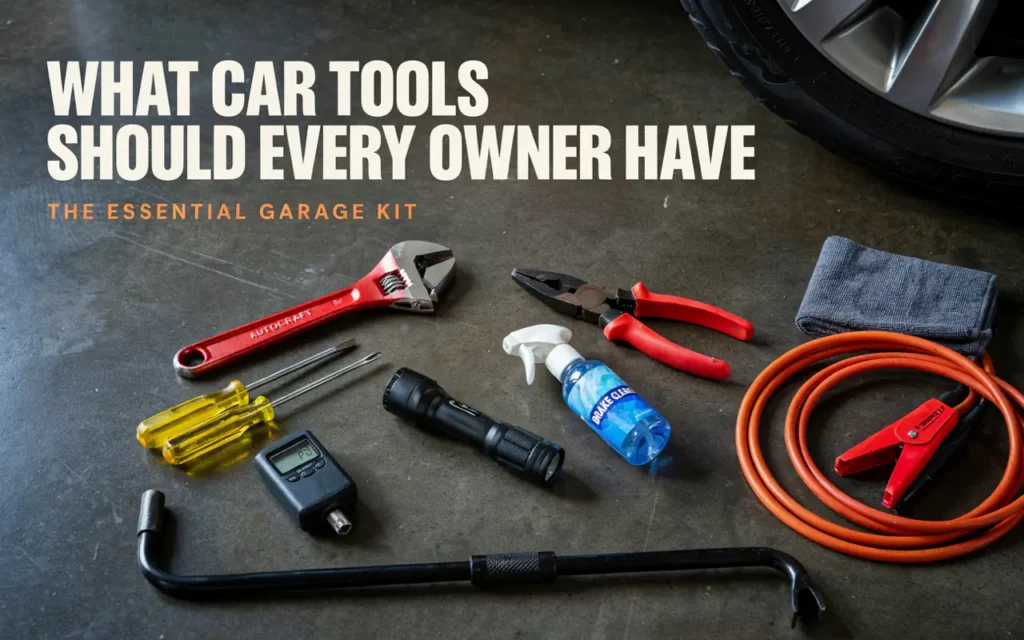
Car work can be dirty and rough. Work gloves protect your hands from grease, sharp edges, and hot surfaces. They also give you a better grip on tools and parts. Keep a pair in your trunk and a pair in your garage.
Rags or Paper Towels
You will always need something to wipe your hands or clean up spills. Keep a roll of shop towels or a bag of rags in your garage. A few old rags in your trunk can also help you check your oil or clean your windshield.
Tread Depth Gauge
Your tires need enough tread to grip the road, especially in rain or snow. A tread depth gauge costs about five dollars and tells you exactly how much tread you have left. This is much more accurate than using a coin.
Spray Lubricant
Rusty or stuck bolts are a common problem. A spray lubricant like WD-40 helps loosen them. It also protects metal parts from rust. Keep a can in your garage for those stubborn fasteners.
How to Build Your Toolkit Over Time
You do not need to buy everything at once. Start with the emergency tools for your car. These are the most critical for your safety on the road. Buy a good tire pressure gauge, a portable jump starter, and a basic multi-tool.
Next, focus on the basic maintenance tools for your garage. A socket set, wrench set, and screwdriver set will cover 90% of your needs. You can add more specialized tools as you take on bigger projects.
“Start simple. Buy a good jack and a solid socket set. As you do more repairs, you will naturally learn what tools you are missing. Your toolbox will grow with your experience.” – Eric O., Host of South Main Auto Repair
Buy quality tools where it matters. A cheap socket set might break when you need it most. A good set of wrenches can last a lifetime. You do not need the most expensive tools, but avoid the very cheapest options.
Remember to store your tools properly. Keep them in a dry place to prevent rust. A tool chest or a durable bag helps you stay organized. In your car, secure your tools so they do not roll around or become projectiles in an accident.
Advanced Tools for the Dedicated DIYer
As you gain confidence, you might want to tackle bigger jobs. These tools are for more advanced repairs.
Breaker Bar
Sometimes, bolts are so tight that a normal ratchet cannot loosen them. A breaker bar is a long handle that gives you extra leverage. It is great for removing stuck lug nuts or suspension bolts.
Brake Caliper Tool
If you change your own brake pads, you need this tool. It compresses the brake caliper piston so you can fit new pads. There are different tools for different types of calipers.
Ball Joint Separator
Suspension work often requires separating ball joints. A ball joint separator, or pickle fork, helps you do this without damaging the parts. This is a tool for more serious front-end work.
Timing Light
This tool is used to check the ignition timing on older cars. Most modern cars do not need this, but it is essential for classic car owners.
Frequently Asked Questions
1. What is the most important car tool to have?
The most important tool is a portable jump starter. A dead battery is the most common roadside problem. A jump starter lets you fix it yourself without waiting for help.
2. How often should I check my tire pressure?
You should check your tire pressure at least once a month. Also check it before long trips. Temperature changes can affect pressure, so check it more often in winter and summer.
3. Can I use a floor jack instead of jack stands?
No. A floor jack is only for lifting the car. Jack stands are for holding it up safely. Never work under a car that is only supported by a jack. The jack can fail, and the car can fall.
4. Do I need both metric and standard tools?
Yes, you need both. Modern cars use metric fasteners, but some older American cars use standard sizes. A set that includes both will cover all vehicles.
5. What is an OBD-II scanner and do I need one?
An OBD-II scanner reads the diagnostic codes from your car’s computer. It tells you why your check engine light is on. It is very helpful for diagnosing problems and deciding if you need a mechanic. It is one of the best car tools should every owner have for understanding their vehicle.
6. How do I know if my tires are worn out?
You can use a tread depth gauge to check. The legal minimum is 2/32 of an inch, but 4/32 is safer for wet roads. If you can see the wear bars across the tread, it is time for new tires.
7. Where should I store my car emergency tools?
Store them in your trunk or a dedicated storage compartment. Make sure they are secured so they do not move around while you are driving. A plastic crate or a tool bag works well.
8. What should I do if my car breaks down at night?
Pull over to a safe spot away from traffic. Turn on your hazard lights. Put on your reflective vest. Place warning triangles behind your car. Use your flashlight to see and to signal other drivers. Call for help if you cannot fix the problem safely.
Conclusion
Being a car owner means being ready for the unexpected. The right tools make all the difference between a minor delay and a major headache. You do not need to be a mechanic to handle basic car care. With the essential car tools should every owner have, you can change a tire, jump-start a battery, and perform simple maintenance.
Start with the emergency tools for your car. A jump starter, tire pressure gauge, and basic hand tools are the most critical. Then, build your garage collection with a socket set, wrenches, and a jack. As you learn and grow, add more specialized tools.
“Owning the right tools is not about fixing everything yourself. It is about having the choice. You can decide to fix it or call for help, but you are not helpless either way.” – Sarah Jones, Automotive Instructor and Safety Advocate
Take the time to learn how to use your tools safely. Read your car’s owner manual. Watch videos from trusted sources. Practice changing a tire in your driveway so you are ready if it happens on the road.
A well-prepared driver is a safe driver. Your toolkit is an investment in your safety, your time, and your money. Do not wait for an emergency to think about it. Gather your tools today and drive with confidence tomorrow.
Related posts
 Why Do Dogs Stare at Walls? Common Causes and When to Worry
Wondering why do dogs stare at walls? Discover the sensory, behavioral, and medical reasons behind this behavior, and learn when to contact your veterinarian. When you…
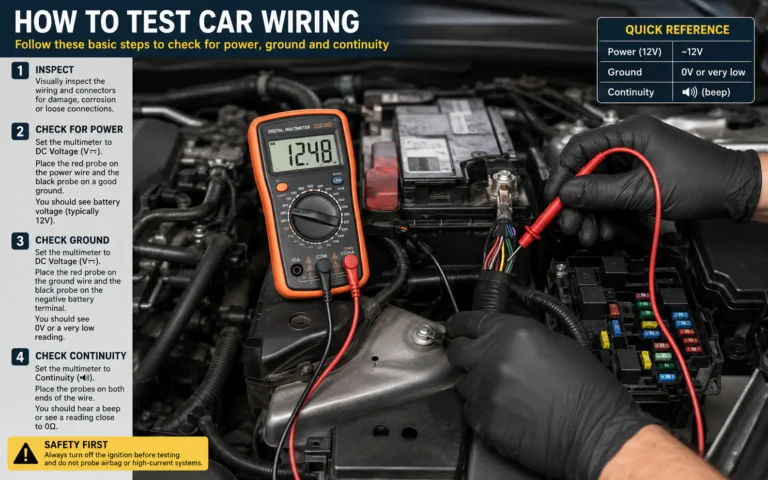 How to Test Car Wiring for Continuity Using a Multimeter
Learn how to test car wiring for continuity safely. Find broken automotive wires, check connector ports, and diagnose electrical issues with a multimeter. Testing car wiring…
 Why Organizing Space Reduces Stress: The Mental Clarity Connection
Discover why organizing space reduces stress. Learn how a tidy environment lowers cortisol, improves focus, and creates a sense of calm in your daily life. Organizing…