
Why Kitchen Hygiene Is Essential
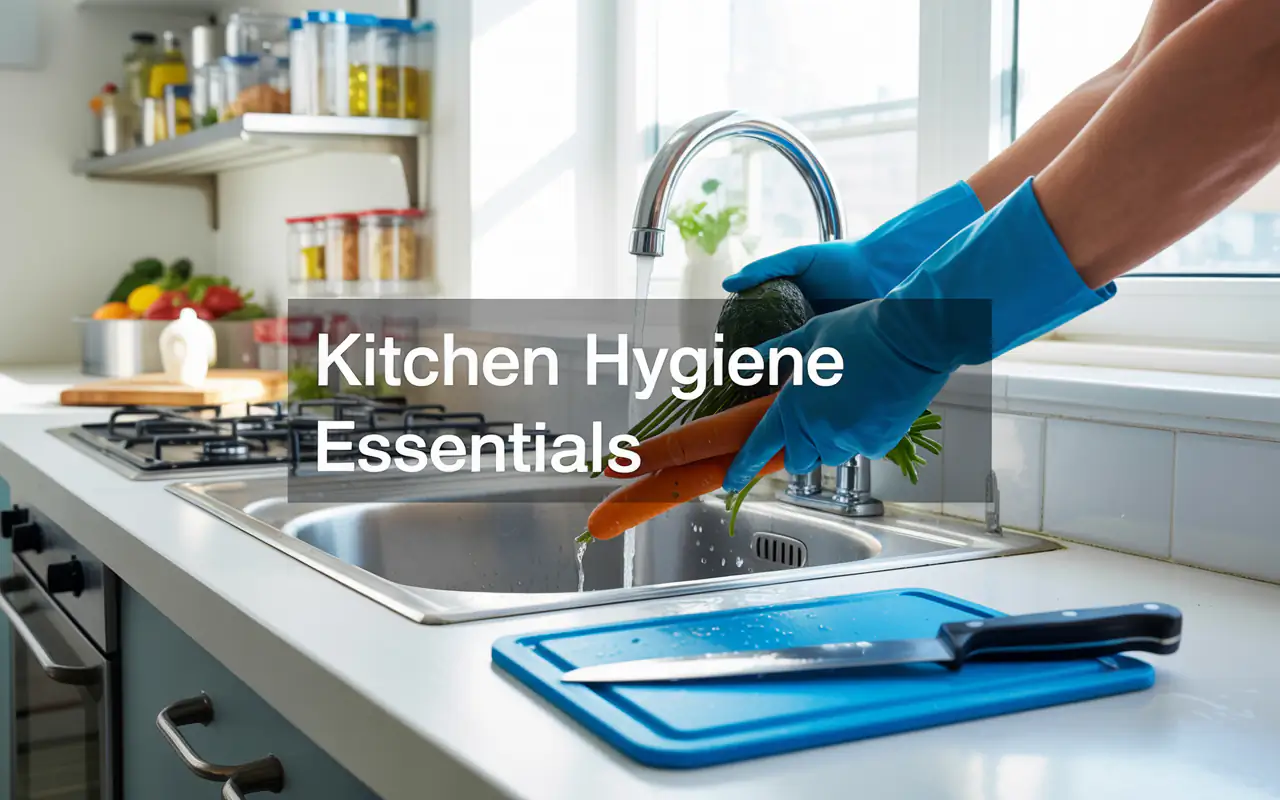
Keeping your home safe starts with where you eat, and kitchen hygiene is essential to stop germs, prevent illness, and keep food fresh and healthy for your family.
The kitchen is the most active spot in any house. It is where you make meals for the people you love. It is also a place where germs can grow very fast if you are not careful. You might think your kitchen is clean because it looks shiny. But small bugs like bacteria can hide on your counters, your sink, and your tools. This is the main reason why kitchen hygiene is essential for everyone. If you keep things clean, you keep your family safe. You stop people from getting sick with bad stomach pains or fever. A clean space also makes cooking much more fun. You do not have to worry about dirt or smells. You can just focus on making good food.
In this guide, we will look at all the ways you can keep your kitchen safe. We will talk about washing hands and cleaning tools. We will also talk about how to store your food the right way. Following these steps will help you stay healthy. It is not hard to do once you make it a habit. You just need to know what to look for and what to do every day. Let us learn how to make your kitchen the safest place in your home.
Basic Rules to Keep Your Kitchen Clean
The first step to a healthy home is a clean kitchen. You must think about all the surfaces you touch. Germs can move from a raw piece of meat to your hands. Then they move from your hands to the fridge door. This is how people get sick without knowing it. This is exactly why kitchen hygiene is essential in your daily life. You need to break the path that germs take. You can do this by cleaning as you go. Do not wait until the end of the day to wash your dishes. Wipe up spills as soon as they happen. This stops sticky spots from catching more dirt.
You should also have a plan for deep cleaning. Some things need cleaning every day. Other things can wait a week. Having a list helps you stay on track. It makes the work feel much lighter. You will not feel like you have a huge mountain of work to do. Instead, you just do a little bit each time you cook. This keeps the kitchen ready for the next meal. It also stops pests like ants or flies from coming inside. They love a messy kitchen. If you keep it dry and clean, they will stay away.
Cleaning Frequency for a Healthy Kitchen
| Task | How Often | Why It Matters |
| Wipe counters | Every day | Removes food bits and germs |
| Wash dishes | After every meal | Prevents bacteria growth |
| Mop the floor | Twice a week | Stops dirt from spreading |
| Clean the fridge | Once a month | Keeps old food from smelling |
| Wash trash can | Once a month | Stops bad odors and pests |
Washing Your Hands the Right Way
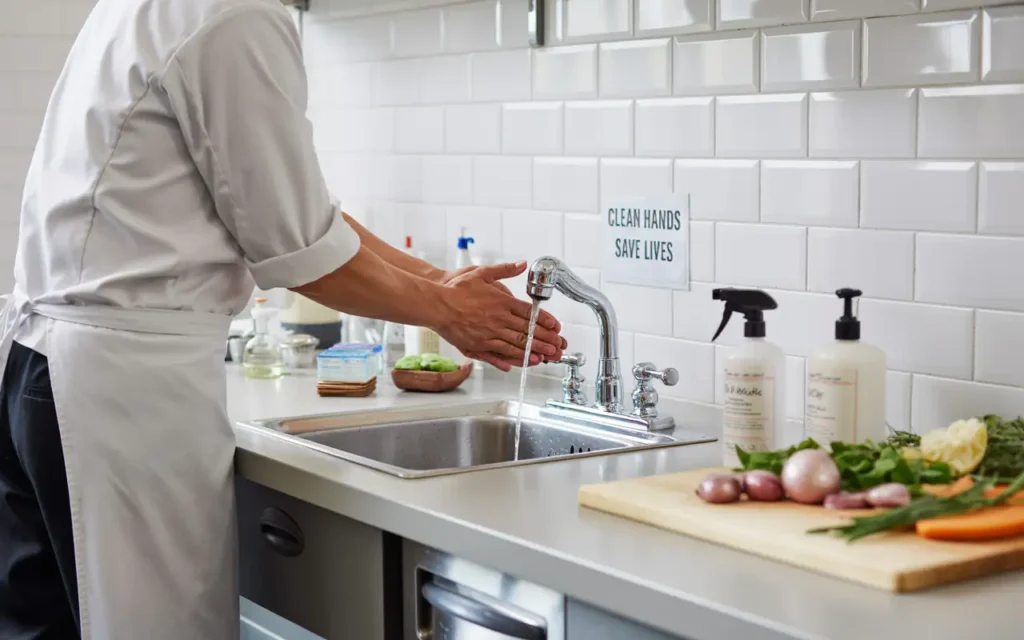
Your hands are the tools you use most in the kitchen. They touch everything. They touch the food, the knives, and the plates. Because of this, they can carry many germs. Washing your hands is the best way to stay safe. You should wash them before you start to cook. You should also wash them after you touch raw meat or eggs. Even touching your hair or your phone can put germs on your hands. This is a big part of why kitchen hygiene is essential for food safety.
To wash your hands well, use warm water and soap. Rub your hands together for at least twenty seconds. Make sure you get between your fingers and under your nails. These are the spots where germs like to hide. Rinse them well and dry them with a clean towel. Do not use a dirty sponge or a cloth that has been sitting out. A paper towel is often the best choice if you want to be very safe. Keeping your hands clean is a simple act that saves a lot of trouble. It is the first line of defense against getting sick.
“The most important thing in a kitchen is cleanliness.” – Auguste Escoffier
Preventing Cross Contamination in Your Cooking
Cross contamination is a big word for a simple problem. It happens when germs move from one thing to another. For example, if you cut raw chicken on a board, germs stay there. If you then cut an apple on that same board, the germs move to the apple. You eat the apple raw, so the germs go into your body. This makes people very ill. Understanding this risk shows why kitchen hygiene is essential for your family. You must keep raw foods away from foods that are ready to eat.
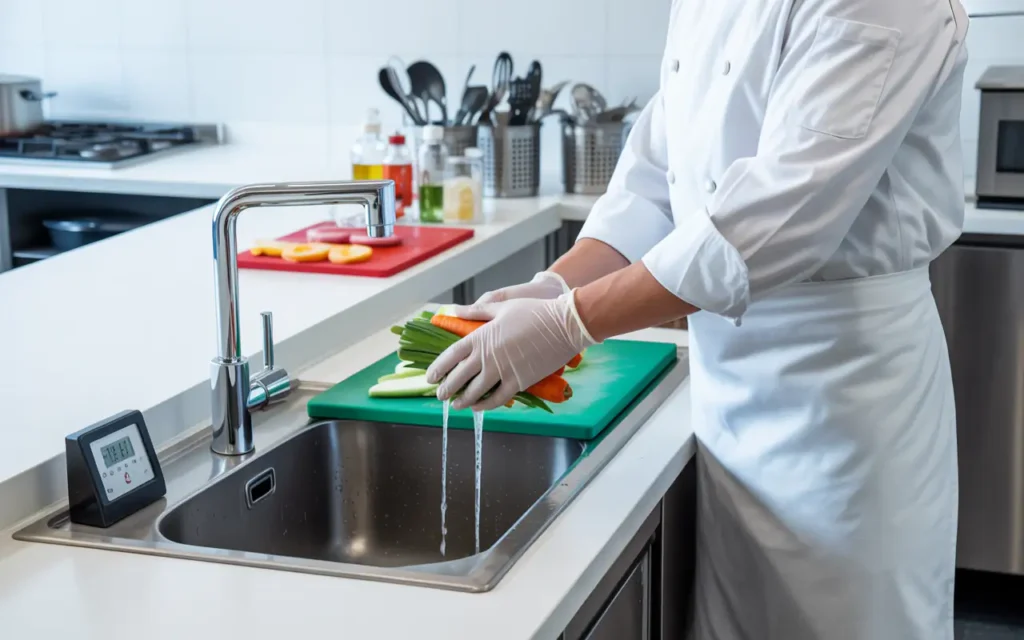
One way to stop this is to use different boards. Use a red board for meat and a green board for fruit. If you do not have different colors, wash the board with very hot soapy water between uses. Also, keep your knives clean. Never use the same knife for meat and bread without washing it first. This might seem like a lot of work, but it is very important. It stops the spread of tiny bugs that you cannot see. It keeps your food pure and safe to eat.
How to Use Different Cutting Boards
- Red Board: Use this only for raw red meat like beef or pork.
- Yellow Board: Use this for raw poultry like chicken or turkey.
- Blue Board: This one is for raw fish and seafood.
- Green Board: Use this for all your fruits and salad greens.
- White Board: This is best for bread and cheese only.
How to Store Food to Stay Healthy
Where you put your food matters just as much as how you cook it. Your fridge should be cold enough to stop germs from growing. The best temperature is below 40 degrees Fahrenheit. If it is warmer than that, bacteria can double in number very fast. This is another reason why kitchen hygiene is essential for every home cook. You should check your fridge temp with a small tool to be sure. Also, do not pack the fridge too full. Cold air needs to move around the food to keep it cool.
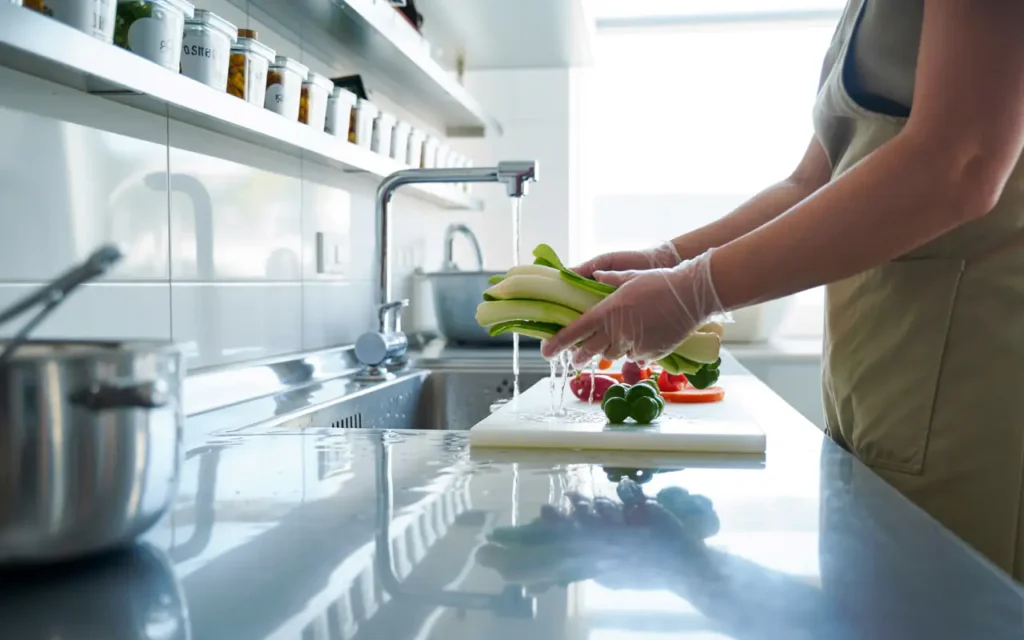
When you put food in the fridge, put raw meat on the bottom shelf. This stops any juices from dripping onto other food. Juices from raw meat carry many germs. If they fall on a bowl of fruit, that fruit becomes unsafe. Keep your leftovers in containers with lids. This keeps the air out and the food fresh. It also stops smells from moving around. Try to eat leftovers within two days. If you wait longer, they might start to grow mold or bad bacteria.
Safe Food Storage Times in the Fridge
| Food Item | Time in Fridge | Storage Tip |
| Raw ground meat | 1 to 2 days | Keep on the bottom shelf |
| Raw chicken | 1 to 2 days | Wrap it very well |
| Cooked leftovers | 3 to 4 days | Use a tight lid |
| Fresh eggs | 3 to 5 weeks | Keep in the main part |
| Milk | 5 to 7 days | Do not put in the door |
Keeping Your Kitchen Tools and Sponges Clean
Many people forget about the tools they use to clean. Your sponge is often the dirtiest thing in the house. It stays wet and warm, which is what germs love. If you use a dirty sponge to wipe a counter, you are just spreading germs around. This is why kitchen hygiene is essential when it comes to your cleaning gear. You should change your sponge every week. You can also put it in the dishwasher on a hot cycle to kill bugs. Some people use a thin cloth that dries fast. This is a good way to stop germs from growing.
Your sink is another place that needs a lot of care. Food scraps can get stuck in the drain. This can cause a bad smell and bring in bugs. Scrub your sink with soap every night. Do not forget the handles of the faucet. You touch them with dirty hands all the time. Keeping these small spots clean makes a big difference. It keeps the whole room feeling fresh. It also means your tools are ready to do their job well.
“A clean kitchen is a sign of a healthy home.” – Anonymous
Safe Cooking Temperatures for Your Family
Cooking food to the right heat is the only way to kill some germs. You cannot tell if meat is done just by looking at the color. Sometimes it looks brown on the outside but is still raw inside. This is why kitchen hygiene is essential for anyone who cooks meat. You should use a food thermometer to check the middle of the food. It is a small tool that tells you the exact heat. This takes the guessing out of cooking. You can feel sure that the food is safe to serve.
Different foods need different levels of heat. Chicken needs to be hotter than beef. Ground meat needs to be hotter than a steak. This is because germs can be mixed all through ground meat. For a steak, the germs are usually only on the outside. Knowing these numbers is a key part of being a good cook. It protects your kids and your guests from getting food poisoning. It also helps the food taste better because it is not overcooked or raw.
Keeping Pests and Trash Away
Pests like mice, ants, and flies can carry many diseases. They come into the kitchen looking for food and water. If you leave crumbs on the floor, you are inviting them in. This is why kitchen hygiene is essential for a pest free home. You must take your trash out every day. Use a bin with a lid that fits tight. This stops the smell from getting out and bugs from getting in. If you spill something, wipe it up right away. Do not leave dirty dishes in the sink overnight.
You should also check your pantry. Make sure bags of flour or sugar are closed well. Use glass or plastic jars with lids. This stops bugs from getting into your dry goods. If you see a pest, act fast to get rid of it. Do not wait for a big problem to start. A clean kitchen is much less likely to have these visitors. It stays a safe space for you to prepare your meals.
The Health Benefits of a Clean Kitchen
When you follow these rules, you stay healthy. You will have fewer days where you feel sick. You will not have to spend money on doctors or medicine. This shows why kitchen hygiene is essential for your wallet and your body. It gives you peace of mind. You can eat your meals without worry. This is very important if you have young children or older people in your home. Their bodies are not as strong, so they get sick more easily. Keeping things clean is a way to show you care for them.
A clean kitchen also helps you eat better. When the room is tidy, you want to cook more. You will spend less money on fast food. Home cooked meals are usually much healthier. They have less salt and fat. So, a clean kitchen leads to a better diet. It changes how you feel every day. You will have more energy and a happier heart.
“Good health is not something we can buy. However, it can be a very valuable savings account.” – Anne Wilson Schaef
Maintaining Your Kitchen Appliances
Your fridge, stove, and oven need care too. Dust can build up on the back of the fridge. This makes it work harder and use more power. Clean the inside of your oven so old food does not burn and smoke. This smoke can be bad for your lungs. This is why kitchen hygiene is essential for the air you breathe. Wash the filters in your stove hood. They get full of grease and can catch fire. Keeping your tools in good shape makes them last longer too. You save money in the long run by taking care of what you have.
Weekly Kitchen Care List
- Check the fridge for old food and throw it away.
- Wipe the outside of all big machines.
- Clean the crumbs out of the toaster.
- Sanitize the sink and the drain.
- Wash the floor with hot water and soap.
Tips for Teaching Kids About Kitchen Hygiene
If you have kids, teach them these rules early. Show them how to wash their hands while they sing a song. Explain why we do not touch raw meat. This helps them grow up with good habits. It makes them part of the team. This is why kitchen hygiene is essential for the next generation. They will carry these lessons with them when they have their own homes. It keeps them safe and teaches them to be responsible. You can make it a game so they enjoy the work.
Give them small jobs to do. They can dry the dishes or wipe the table. This shows them that keeping a home clean is everyone’s job. It is not just for one person. When everyone helps, the work goes fast. The kitchen stays clean and the family stays happy.
Frequently Asked Questions
Why is kitchen hygiene essential for my family?
It stops the spread of germs that cause food poisoning. It keeps harmful bacteria like E. coli away from your meals. This ensures that everyone stays healthy and avoids unnecessary trips to the doctor.
How often should I change my kitchen sponge?
You should change it every week. Sponges hold a lot of water and food bits. This makes them a perfect place for germs to grow. If it smells bad, throw it away right away.
Can I use the same board for meat and vegetables?
No, it is best to use different boards. If you only have one, you must wash it with very hot soapy water after touching meat. This stops cross contamination, which is a major cause of illness.
What is the best way to clean my kitchen floor?
Use a mop with hot water and a good cleaner. Make sure you get into the corners where food scraps hide. Do this at least twice a week to keep the room safe and clean.
Why does the fridge temperature matter so much?
Bacteria grow very fast in warm spots. If your fridge is above 40 degrees, your food can spoil quickly. Keeping it cold stops germs from making your food unsafe to eat.
Conclusion
We have seen that a clean kitchen is the heart of a safe home. From washing your hands to storing food the right way, every step counts. This is why kitchen hygiene is essential for a long and healthy life. It is about more than just looks. it is about protecting the people you love from germs you cannot see. When you make these steps a habit, they become easy. You will find that you enjoy cooking more when your space is tidy and fresh.
Take a moment today to look at your kitchen. See what small changes you can make. Maybe you can buy a new sponge or a food thermometer. Perhaps you can start a new cleaning list. These small acts add up to a big difference. A clean kitchen leads to a healthy body and a happy mind. Thank you for taking the time to learn how to keep your home safe. Start your new clean habits today and feel the difference in your life.
Related posts
 How to Strengthen Weak Nails: A Practical Guide to Daily Care
Learn how to strengthen weak nails with simple daily habits, protective care, and targeted hydration. Restore your natural nail strength today. Weak, peeling, or brittle nails…
 What Sounds Do Cats Dislike? 7 Noises That Stress Your Pet
Discover what sounds do cats dislike and why. Learn how to protect your cat’s sensitive hearing from stressful household noises and high-frequency hums. Cats dislike sounds…
 Restoring Faded Black Clothing: Practical Methods and Reality Checks
Can you restore faded black clothing? Learn the difference between temporary color revival and permanent redyeing, plus how to prevent future fading. You can restore the…