
Why Is My Dog Refusing Food? Common Causes & What to Do
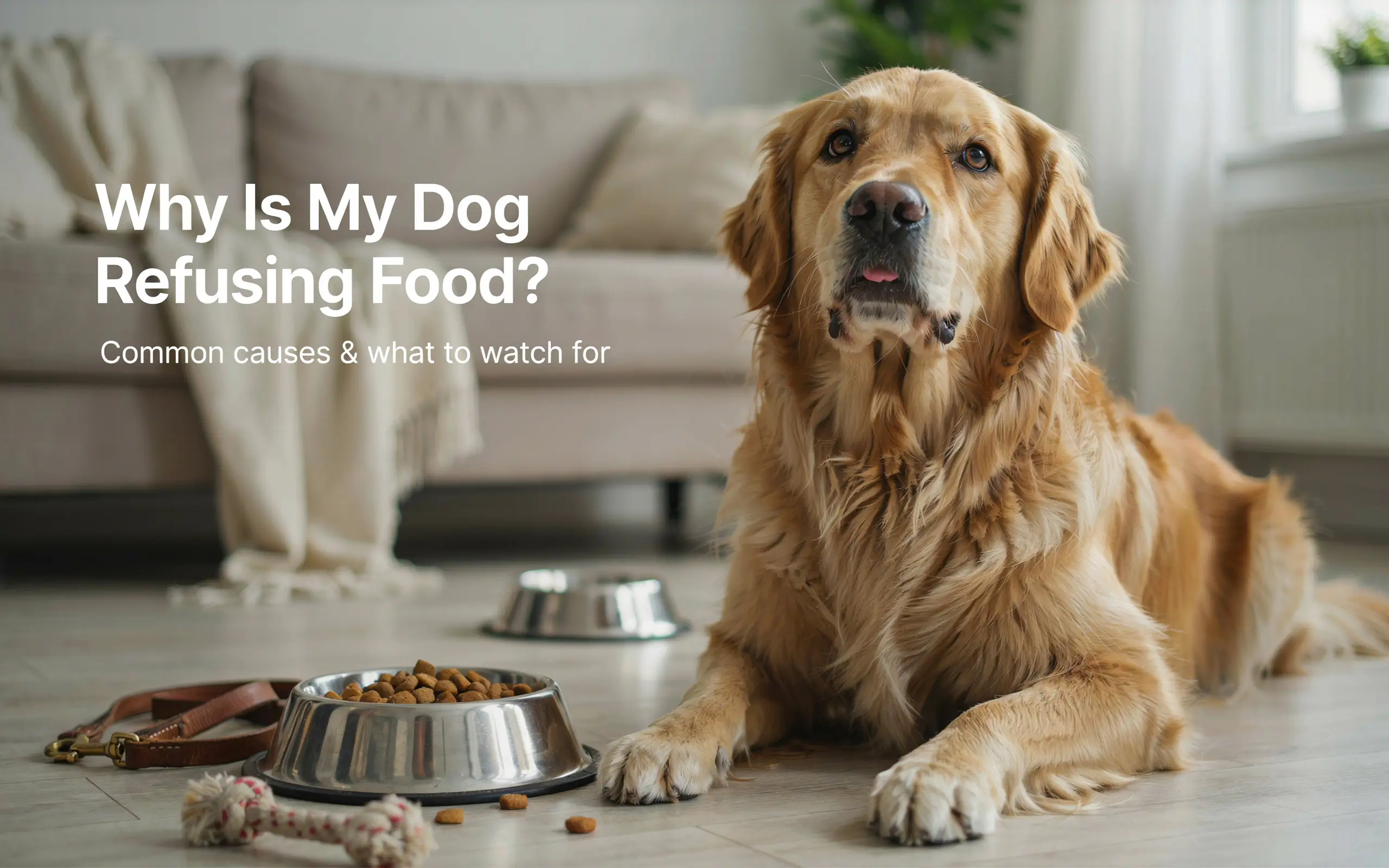
When your dog suddenly stops eating, it’s natural to feel worried. A refusal to eat, also known as anorexia or inappetence, is a common concern for dog owners and can signal a range of issues, from minor upset stomachs or pickiness to more serious underlying.
Understanding why your dog is refusing food involves observing their overall behavior, checking for other symptoms, and considering any recent changes in their environment or diet. This process helps you narrow down the possibilities and decide on the best course of action.
| Topic | When it helps | What to keep in mind |
|---|---|---|
| Medical Conditions & Pain | This is the most common and often most serious category. | Look for vomiting, diarrhea, lethargy, fever, limping, difficulty chewing, drooling, swelling, or changes in drinking habits. |
| Behavioral & Emotional Factors | Consider this category if your dog is otherwise acting normal, energetic, and shows no other signs of illness. | Sudden changes in behavior (hiding, excessive panting, destructive chewing) alongside food refusal can point to anxiety. |
| Food-Related Issues | This is a common reason if you’ve recently switched brands, bought a new bag, or if the food. | Check the expiration date of the food and smell it for any off odors. |
| Environmental & Routine Changes | Consider this if there have been recent, noticeable shifts in your dog’s living situation or daily schedule. | Observe if the food refusal coincides directly with a new event or change. |
Understanding Why Your Dog Isn’t Eating: Key Categories
Why Is My Dog Refusing Food. A dog refusing food can be a puzzle, as the reasons are incredibly varied. To help you understand what might be going on, it’s useful to think about the potential causes in broad categories.
From underlying health issues to simple changes in their daily routine, each category presents distinct signs and requires a different approach. By considering these possibilities, you can better assess the situation and decide on the next steps for your furry friend.
If your dog usually gulps down food but now approaches the bowl, sniffs, and walks away, consider if they’ve had a recent dental check-up or if.
Don’t immediately assume pickiness without first ruling out medical causes, especially if the refusal is sudden and accompanied by other symptoms.
| Cause Category | Common Signs | Initial Action |
|---|---|---|
| Medical/Pain. | Vomiting, lethargy, drooling, limping, fever. | Contact vet immediately. |
| Behavioral/Emotional. | Otherwise normal, eats treats, hiding, panting. | Reduce stressors, offer bland food. |
| Food-Related. | New food, old food, off smell, eats other things. | Check freshness, revert to old food, try bland option. |
When to Act Fast: Urgent Signs & Veterinary Care
While some instances of food refusal are minor, others are urgent. Knowing when to seek immediate veterinary care is crucial for your dog’s health.
If you observe any of the following signs in conjunction with your dog refusing food, it’s time to contact your veterinarian or an emergency animal clinic right away. These symptoms suggest a potentially serious condition that requires professional diagnosis and treatment.
Do not wait to see if severe symptoms improve on their own, especially if your dog is a puppy, senior, or has a known chronic health.
If your dog hasn’t eaten for over 24 hours, is also vomiting multiple times, and seems unusually tired or weak, this is a clear signal to.
- Prolonged Refusal: Your dog hasn’t eaten anything for 24 hours or more.
- Vomiting or Diarrhea: Especially if severe, frequent, or containing blood.
- Lethargy or Weakness: Your dog is unusually tired, unresponsive, or struggles to stand.
First Steps at Home: What You Can Safely Try
If your dog is refusing food but otherwise seems active and well, and you’ve ruled out urgent medical concerns, there are several safe and practical steps you can take at home. These interventions often help with temporary pickiness, mild stomach upset, or behavioral aversions.
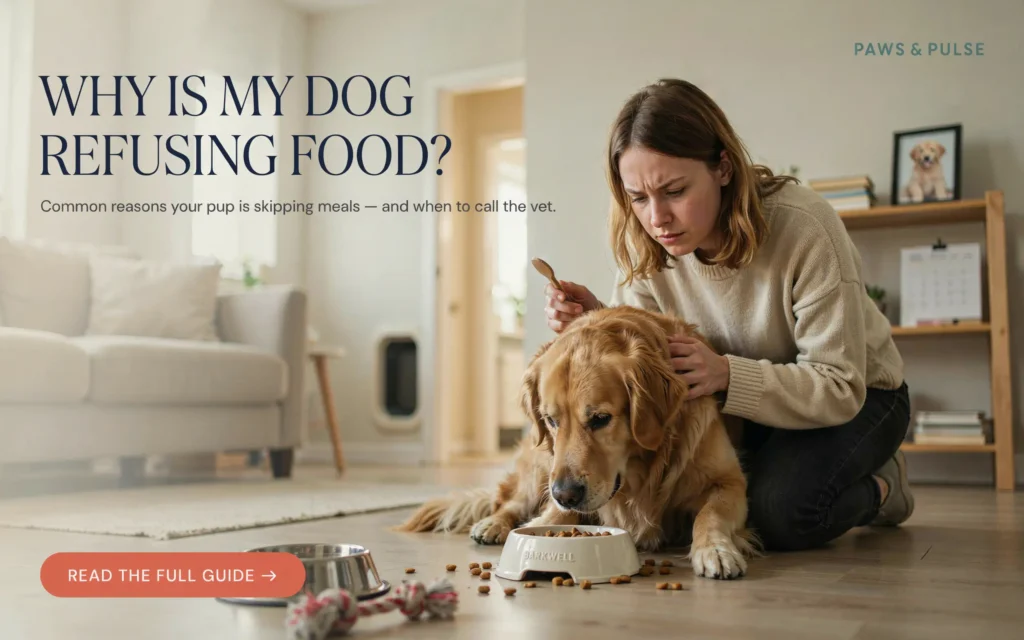
The goal is to gently encourage eating without creating new problems or reinforcing bad habits. Always introduce changes gradually and observe your dog’s reaction closely.
If your dog is usually a good eater but seems uninterested in their kibble, try warming a small portion of low-sodium chicken broth and pouring it.
Do not offer large amounts of rich human food, as this can upset their stomach further or reinforce picky eating habits.
- Offer Bland Food: A small amount of plain, boiled chicken (no bones or.
- Warm the Food: Heating wet food or adding warm water/broth to kibble can.
- Hand-Feed: Sometimes, a dog just needs a little extra encouragement. Offering a few.
Preventing Future Food Refusal
Once you’ve addressed the immediate issue of your dog refusing food, implementing preventive measures can help maintain a healthy appetite and reduce the likelihood of future problems. Consistency and attention to detail are key.
By establishing good habits and being mindful of your dog’s needs, you can create an environment that supports consistent eating and overall health. These strategies focus on diet, routine, and environmental stability.
Do not constantly change your dog’s food in an attempt to find something they ‘like’ if pickiness is not the primary issue, as this can create.
Instead of abruptly switching your dog’s food, gradually mix increasing amounts of the new food with decreasing amounts of the old food over 7-10 days to.
- Maintain a Consistent Diet: Unless advised by your vet, stick to a high-quality.
- Gradual Food Transitions: If you must change food, do so slowly over 7-10.
- Regular Feeding Schedule: Feed your dog at the same times each day. This.
Medical conditions (illness dental pain
- A dog refusing food is always a signal that requires attention, but not always an.
- Observe for other symptoms like lethargy, vomiting, or diarrhea to gauge severity.
- Consider recent changes in food, routine, or environment as potential triggers.
- Never force-feed a dog, as it can cause stress or aspiration.
The article must cover the
Medical Conditions & Pain. 1. Medical Conditions, Illness, or Pain
Why Is My Dog Refusing Food. Many health issues can cause a dog to lose their appetite. These range from minor infections or stomach upset to more serious conditions like organ disease, dental problems, or even cancer.
- This is the most common and often most serious category.
- Look for vomiting, diarrhea, lethargy, fever, limping, difficulty chewing, drooling, swelling, or changes in drinking habits.
- If your dog shows any other symptoms beyond just refusing food, or if the refusal lasts more than.
- Severity – High.
- Commonality – Very High.
Behavioral & Emotional Factors. 2. Behavioral and Emotional Factors
Just like humans, dogs can lose their appetite due to stress, anxiety, fear, or even boredom. A dog might also be a ‘picky eater’ who simply doesn’t like their current food, especially if they’ve been given many treats or human food in.
- Consider this category if your dog is otherwise acting normal, energetic, and shows no other signs of illness.
- Sudden changes in behavior (hiding, excessive panting, destructive chewing) alongside food refusal can point to anxiety.
- Evaluate recent stressors (new pet, moving, loud noises).
- Severity – Low to Moderate.
- Commonality – High.
Food-Related Issues. 3. Food-Related Problems
The food itself can be the culprit. This includes spoiled food, a sudden change in diet, an allergy or sensitivity to ingredients, or simply disliking the taste or texture of their current meal.
- This is a common reason if you’ve recently switched brands, bought a new bag, or if the food.
- Check the expiration date of the food and smell it for any off odors.
- Ensure food is fresh and stored properly.
- Severity – Low.
- Commonality – Moderate.
Environmental & Routine Changes. 4. Environmental Changes or Stressors
Why Is My Dog Refusing Food. Dogs thrive on routine, and significant changes in their environment can disrupt their appetite. This includes moving to a new home, travel, the introduction of a new pet or family member, or even changes in feeding location or time.
- Consider this if there have been recent, noticeable shifts in your dog’s living situation or daily schedule.
- Observe if the food refusal coincides directly with a new event or change.
- Try to maintain a consistent feeding schedule and location.
- Severity – Low to Moderate.
- Commonality – Moderate.
FAQs
How long can a dog go without eating before it’s serious?
Generally, a healthy adult dog can go 24 hours without food without severe consequences, though puppies, senior dogs, or those with underlying health conditions are more vulnerable. If.
What can I give my dog if they won’t eat their regular food?
If your dog is otherwise well and just being picky, you can try offering a small amount of bland, easily digestible food. Good options include plain, boiled chicken.
Why does my dog eat treats but not his kibble?
If your dog readily eats treats but refuses kibble, it often points to pickiness or a learned behavior. They might be holding out for more palatable options.
Can stress or anxiety cause a dog to stop eating?
Dogs are sensitive creatures, and stress, anxiety, or fear can significantly impact their appetite. Changes in routine, a new environment, loud noises, separation anxiety, or the introduction of.
Conclusion
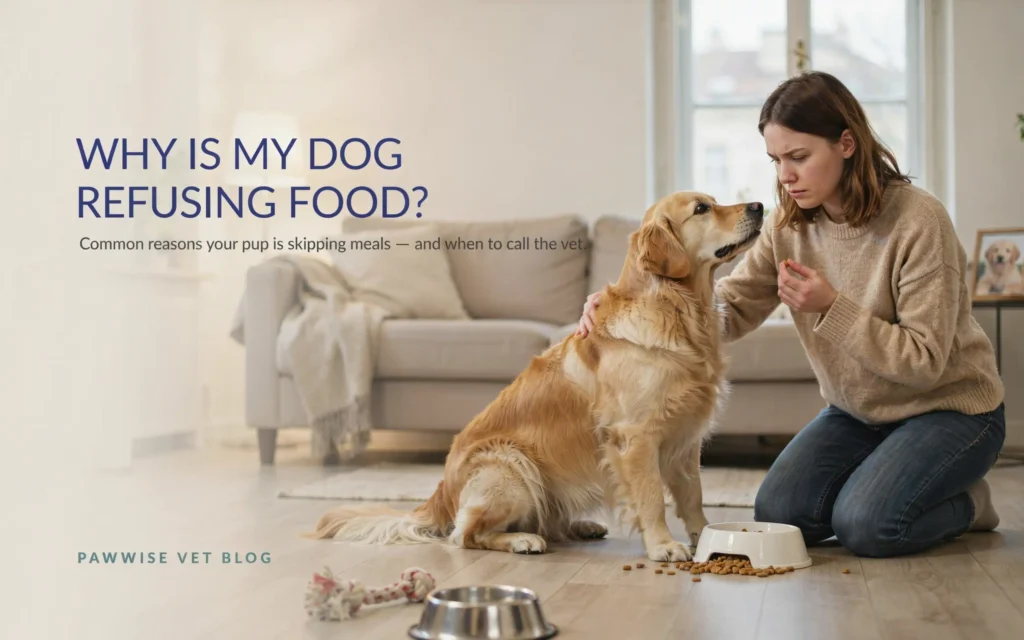
Why Is My Dog Refusing Food. A dog refusing food is a clear signal that something is amiss, but it doesn’t always mean a dire emergency. By carefully observing your dog’s behavior, checking for additional symptoms, and considering recent changes in their.
Whether it’s a temporary upset, a behavioral quirk, or a sign of a more serious health issue, your prompt attention is vital. Remember the key takeaways: observe, act, and don’t hesitate to consult your veterinarian if.
Related posts
 How to Strengthen Weak Nails: A Practical Guide to Daily Care
Learn how to strengthen weak nails with simple daily habits, protective care, and targeted hydration. Restore your natural nail strength today. Weak, peeling, or brittle nails…
 What Sounds Do Cats Dislike? 7 Noises That Stress Your Pet
Discover what sounds do cats dislike and why. Learn how to protect your cat’s sensitive hearing from stressful household noises and high-frequency hums. Cats dislike sounds…
 Restoring Faded Black Clothing: Practical Methods and Reality Checks
Can you restore faded black clothing? Learn the difference between temporary color revival and permanent redyeing, plus how to prevent future fading. You can restore the…