
Why Is My Cat Losing Weight Fast? Causes & Urgent Next Steps
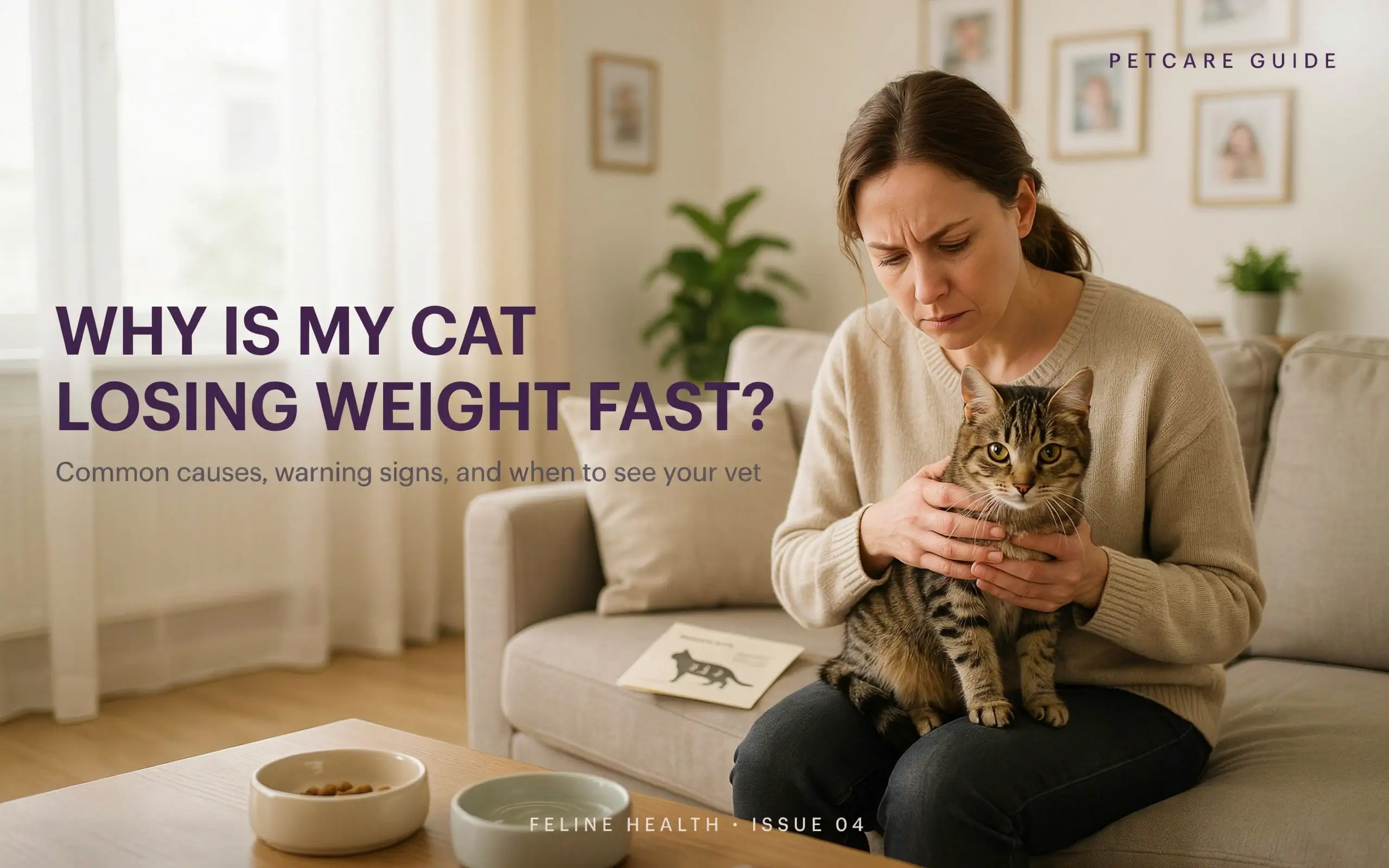
If your cat is losing weight fast, it’s a significant warning sign that requires immediate veterinary attention. Rapid weight loss in felines is rarely benign and often indicates an underlying health issue, ranging from dental problems.
Unlike humans, where weight fluctuations might be common, a cat losing weight quickly, especially without a change in diet or activity, signals that something is wrong internally. Even if your cat seems to be eating normally.
| Topic | When it helps | What to keep in mind |
|---|---|---|
| Medical Conditions | Understanding the most common and serious ‘why’ behind rapid weight loss. | Do not attempt to self-diagnose based on these conditions; only a vet can confirm. |
| GI & Parasites | Considering digestive health as a primary suspect, especially if stool changes are present. | Some parasites are not visible to the naked eye; a fecal test is often needed. |
| Dental Disease | Identifying a potentially overlooked but common cause, especially in older cats. | Cats are masters at hiding pain, so dental issues might not be obvious without a. |
| Stress & Environment | Considering behavioral and environmental factors after ruling out medical causes. | Do not assume stress is the cause without a vet ruling out medical issues first. |
| Dietary Factors | Evaluating the cat’s diet as a potential, though less urgent, factor. | Never switch a cat’s food abruptly, as this can cause digestive upset. |
Understanding What ‘Fast’ Weight Loss Means for Your Cat
When a cat loses weight quickly, it’s a red flag. Unlike a slow, steady decline that might be harder to notice, rapid weight loss suggests an active process within the body that needs attention.
If your cat loses 10% or more of their body weight within a few weeks or months, that’s considered rapid.
A common mistake is dismissing gradual weight loss as a normal part of aging.
Common Medical Conditions Causing Rapid Feline Weight Loss
Rapid weight loss in cats is often a symptom of an underlying medical condition that requires prompt veterinary attention. These conditions can disrupt a cat’s metabolism, appetite, or ability to absorb nutrients, leading to a quick decline in body mass.
Never try to self-diagnose or treat your cat based on this information.
If your older cat is suddenly very hungry, drinking and urinating more, but still losing weight, hyperthyroidism or diabetes could.
| Condition | Key Symptoms (besides weight loss) | Typical Age Affected |
|---|---|---|
| Hyperthyroidism. | Increased appetite, thirst/urination, hyperactivity, vomiting, diarrhea. | Older cats (7+ years). |
| Kidney Disease. | Increased thirst/urination, decreased appetite, lethargy, vomiting, bad breath. | Older cats (7+ years). |
Other Factors Contributing to Sudden Weight Loss
While medical conditions are often the primary cause of rapid weight loss, other factors can play a significant role. These might not be life-threatening on their own but can contribute to a cat’s decline in health or make them more susceptible to other issues.
If you recently switched to a new brand of food, or if a new pet has joined the household, observe.

While these factors can contribute, never assume they are the sole cause of rapid weight loss without a vet first.
- Dental Pain: Even if your cat seems to be eating, severe dental.
- Food Aversion: Your cat might suddenly dislike their food due to a.
When to Seek Immediate Veterinary Care
Rapid weight loss in a cat is almost always a reason to contact your veterinarian promptly. While some causes are less severe than others, only a professional can accurately diagnose the issue.
The biggest mistake is waiting to see if the weight loss resolves on its own.

If your cat is losing weight rapidly AND showing symptoms like persistent vomiting, diarrhea, extreme lethargy, difficulty breathing, or refusing.
- Any noticeable, rapid weight loss (10% or more of body weight in.
- Weight loss accompanied by changes in appetite (eating more or less).
Preparing for Your Vet Visit
A successful vet visit starts with good preparation. Your veterinarian will rely heavily on your observations and the history you provide to help them narrow down the potential causes of your cat’s rapid weight loss.
Before your appointment, write down when you first noticed the weight loss, any changes in food, water intake, litter box.
A common mistake is forgetting key details or not providing a complete history.
- Timeline: When did you first notice the weight loss? How quickly has.
- Appetite & Thirst: Has your cat’s appetite increased, decreased, or stayed the.
Safety checks
- Rapid weight loss in cats is a serious symptom that always warrants a.
- Many underlying conditions, from dental issues to organ disease, can cause sudden weight.
- Observe your cat’s appetite, thirst, energy levels, and litter box habits for clues.
The article must cover the
Medical Conditions. Underlying Medical Conditions
Many serious health issues can cause rapid weight loss, even if your cat’s appetite seems normal. These conditions often affect metabolism, nutrient absorption, or organ function.
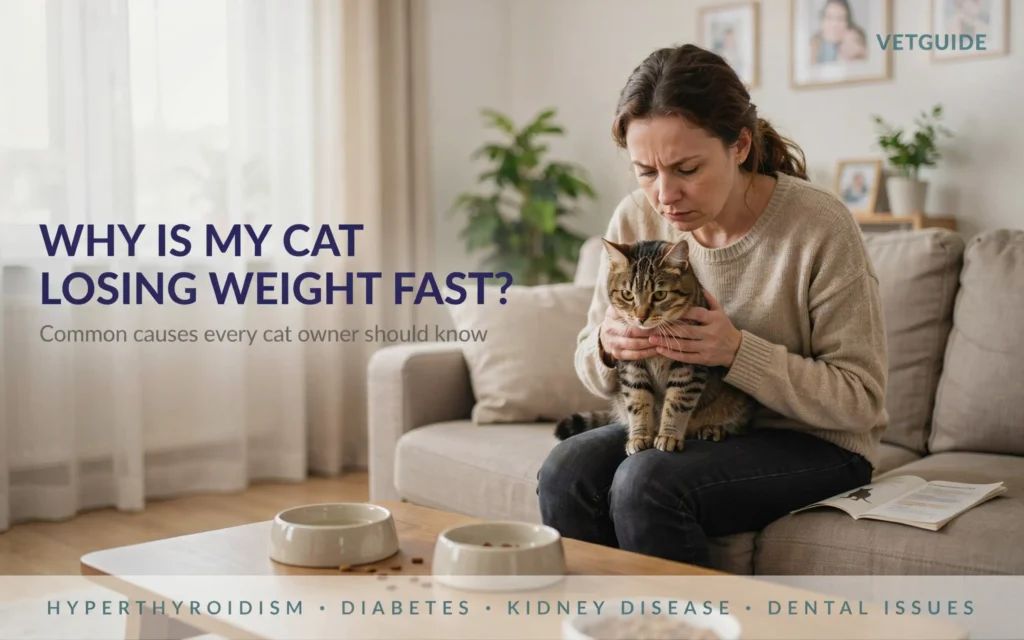
- Understanding the most common and serious ‘why’ behind rapid weight loss.
- Do not attempt to self-diagnose based on these conditions; only a vet can confirm.
- Note any other symptoms like increased thirst, urination, vomiting, diarrhea, or changes in energy levels.
- Urgency – High.
GI & Parasites. Gastrointestinal Issues and Parasites
Problems with the digestive system can prevent your cat from absorbing nutrients, leading to weight loss. This includes inflammatory bowel disease (IBD), malabsorption issues, and internal parasites.
- Considering digestive health as a primary suspect, especially if stool changes are present.
- Some parasites are not visible to the naked eye; a fecal test is often needed.
- Keep track of your cat’s litter box habits, including frequency, consistency, and color of stool.
- Urgency – Medium-High.
Dental Disease. Severe Dental Disease
Painful teeth or gums can make eating difficult, even if your cat is hungry. They might approach food but then back away, or only eat soft foods, leading to insufficient calorie intake and weight.
- Identifying a potentially overlooked but common cause, especially in older cats.
- Cats are masters at hiding pain, so dental issues might not be obvious without a.
- Gently check your cat’s mouth for redness, swelling, broken teeth, or bad breath, but be.
- Urgency – Medium.
Stress & Environment. Stress, Anxiety, or Environmental Changes
While less common for rapid weight loss, significant stress can impact a cat’s appetite and metabolism. Changes in routine, new pets, moving, or even changes in food bowl location can cause stress.
- Considering behavioral and environmental factors after ruling out medical causes.
- Do not assume stress is the cause without a vet ruling out medical issues first.
- Reflect on any recent changes in your cat’s environment or routine that might be causing.
- Urgency – Low-Medium.
Dietary Factors. Inadequate Diet or Food Aversion
Sometimes, the issue is simply that your cat isn’t getting enough calories or nutrients from their food. This could be due to a sudden change in diet, a new food they dislike, or a.
- Evaluating the cat’s diet as a potential, though less urgent, factor.
- Never switch a cat’s food abruptly, as this can cause digestive upset.
- Ensure your cat’s food is appropriate for their age and activity level, and check for.
- Urgency – Low.
FAQs
Why is my cat losing weight but seems fine?
Even if your cat appears fine, rapid weight loss is a significant concern. Cats are experts at hiding illness.
What is considered rapid weight loss for a cat?
Rapid weight loss is generally considered a loss of 10% or more of a cat’s body weight within a few weeks to a couple.
Can stress alone cause rapid weight loss in cats?
While severe stress can lead to a decreased appetite and contribute to weight loss, it’s less common for stress alone to cause rapid and.
Conclusion
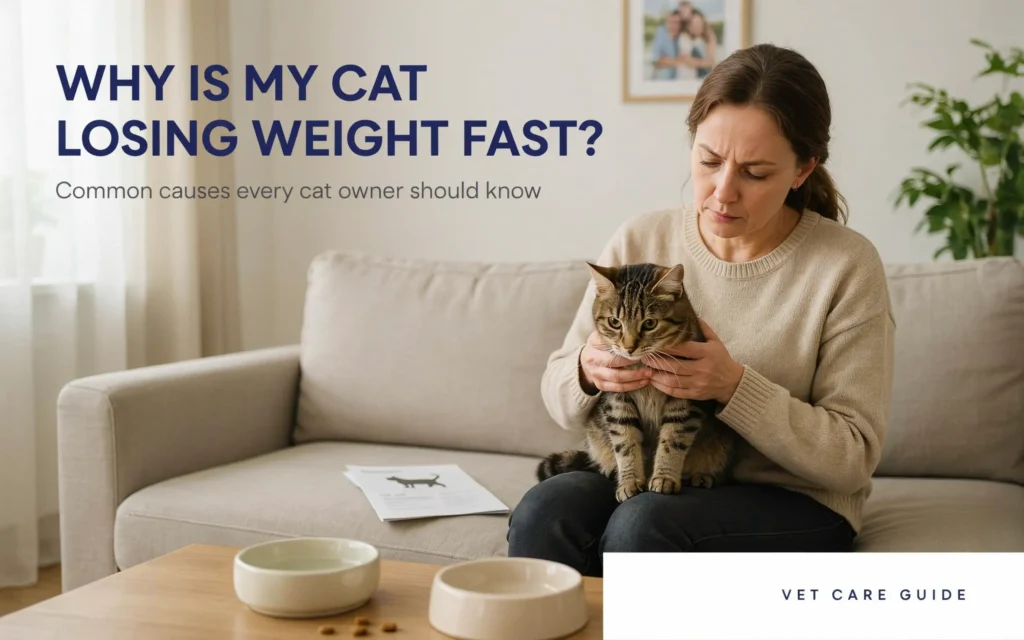
Rapid weight loss in your cat is a serious symptom that should never be ignored. It’s a clear signal that something is amiss, whether it’s an underlying medical condition, a dental issue, or significant stress.
Related posts
 How to Strengthen Weak Nails: A Practical Guide to Daily Care
Learn how to strengthen weak nails with simple daily habits, protective care, and targeted hydration. Restore your natural nail strength today. Weak, peeling, or brittle nails…
 What Sounds Do Cats Dislike? 7 Noises That Stress Your Pet
Discover what sounds do cats dislike and why. Learn how to protect your cat’s sensitive hearing from stressful household noises and high-frequency hums. Cats dislike sounds…
 Restoring Faded Black Clothing: Practical Methods and Reality Checks
Can you restore faded black clothing? Learn the difference between temporary color revival and permanent redyeing, plus how to prevent future fading. You can restore the…