
Why Does My Dog Eat Grass? Understanding Common Reasons & When to Worry

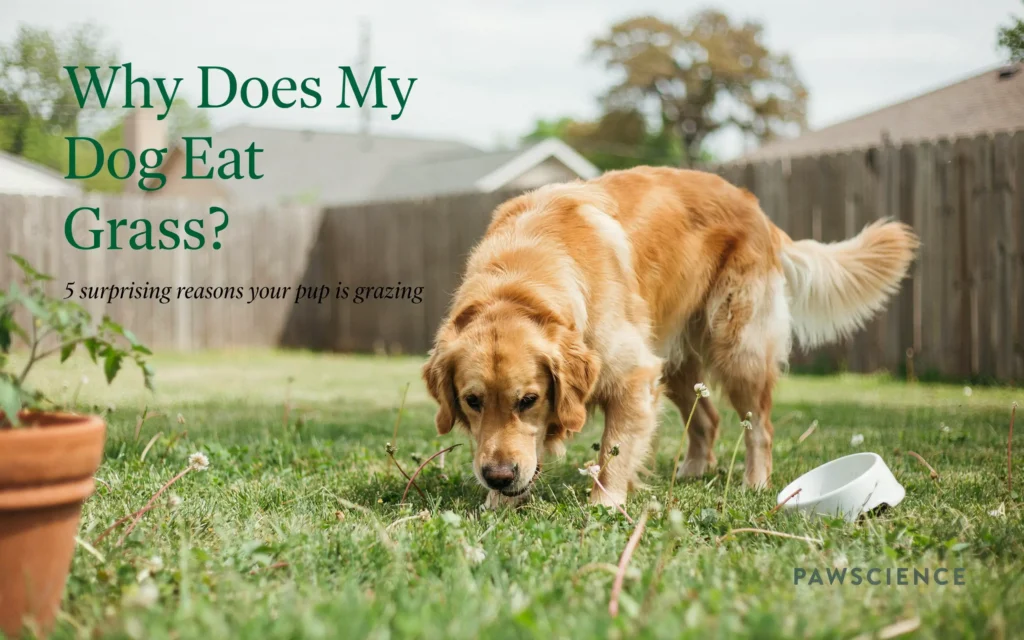
It’s a common sight: your dog happily munching on grass in the yard or during a walk. Many dog owners wonder, “Why does my dog eat grass?” The good news is that for most dogs, this behavior is entirely normal and rarely a cause for serious concern.
Dogs eat grass for a variety of reasons, ranging from instinctual behaviors inherited from their wild ancestors to simply enjoying the taste and texture. Sometimes, it can be a sign of an upset stomach, a dietary need, or even boredom.
| Topic | When it helps | What to keep in mind |
|---|---|---|
| Instinctual Behavior | Dogs exhibiting no other symptoms, who graze occasionally and calmly. | Don’t assume all grass eating is purely instinctual if other symptoms are present. |
| Upset Stomach or Nausea | Dogs who eat grass quickly, then vomit shortly after, especially if they seem unwell beforehand. | Persistent vomiting, lethargy, diarrhea, or loss of appetite alongside grass eating are red flags. |
| Nutritional Gaps | Dogs on a diet low in fiber, or those with chronic mild digestive issues. | Don’t drastically change your dog’s diet without vet consultation. |
| Boredom or Anxiety | Dogs left alone for long periods, those with high energy, or dogs showing other signs of anxiety (pacing, excessive licking). | Punishing the behavior can worsen anxiety. |
| Taste and Texture Preference | Dogs who eat grass casually, show no signs of illness, and seem to enjoy the activity. | Ensure the grass isn’t treated with chemicals or near toxic plants. |
The Many Reasons Your Dog Might Graze
Dogs are complex creatures, and their reasons for eating grass are often multifaceted. It’s not always a clear-cut case of one single cause, but rather a combination of factors that can influence this common behavior.
From ancient instincts to a simple craving for a unique texture, dogs have various motivations for munching on greens. Paying close attention to how and when your dog eats grass, along with any other behaviors they exhibit, can provide valuable clues about what’s truly going on.
Observe if your dog eats grass slowly and deliberately, almost like grazing, which often points to instinct or enjoyment.
A common mistake is assuming all grass eating is a sign of illness.
| Reason | What to Observe | When to Act |
|---|---|---|
| Instinctual. | Calm, occasional grazing, no other symptoms. | Rarely needed, ensure grass is chemical-free. |
| Upset Stomach. | Fast gulping, followed by vomiting, sometimes lethargy. | Monitor closely; if persistent or severe, contact vet. |
| Nutritional Gaps. | Consistent grazing, especially if diet is low in fiber. | Review diet with vet; consider fiber-rich additions. |
| Boredom/Anxiety. | Repetitive grazing, pacing, whining, lack of stimulation. | Increase exercise, provide enrichment, consult behaviorist if severe. |
When to Be Concerned: Signs to Watch For
While most instances of dogs eating grass are harmless, there are specific situations where it could signal an underlying health issue. Knowing these warning signs is crucial for any responsible pet owner.
It’s not just the act of eating grass itself, but the context and any other symptoms that should guide your concern. Pay close attention to changes in your dog’s overall demeanor, appetite, and bathroom habits in conjunction with their grass-eating.
Ignoring accompanying symptoms because you assume grass eating is always harmless.
If your dog eats grass and then vomits once, but quickly returns to normal activity and appetite, it’s likely not an emergency.
- Frequent or Excessive Vomiting: If your dog consistently vomits after eating grass, or vomits multiple.
- Changes in Appetite or Thirst: A sudden refusal to eat, or a significant increase/decrease in.
- Lethargy or Weakness: Your dog seems unusually tired, sluggish, or lacks energy.
- Diarrhea or Constipation: Any significant change in stool consistency or frequency.
What You Can Do: Managing Grass Eating
Once you have a better understanding of why your dog might be eating grass, you can take steps to manage the behavior. Your approach will depend on the suspected cause, but generally focuses on ensuring safety, meeting their needs, and observing for any concerning changes.
Remember that prevention is often easier than intervention. By providing a stimulating environment, a balanced diet, and safe outdoor spaces, you can reduce the likelihood of problematic grass eating and keep your dog healthy.
If you suspect boredom, try adding a new puzzle toy filled with treats to your dog’s routine, or extend their daily walk by 15 minutes to provide more mental and physical stimulation.

Punishing your dog for eating grass.
- Ensure Grass Safety: Always prevent your dog from eating grass that has been treated with.
- Provide Adequate Stimulation: If boredom or anxiety is a factor, increase daily exercise, introduce new.
- Review Their Diet: Discuss your dog’s diet with your veterinarian. They can help determine if.
- Offer Safe Alternatives: Provide plenty of safe chew toys or healthy, high-fiber treats to redirect.
Safety checks
- Most grass eating is normal and instinctual for dogs.
- Pay attention to how and when your dog eats grass, and any accompanying symptoms.
- Vomiting after grass eating doesn’t always mean illness, but persistent vomiting is a red flag.
- Ensure your dog’s diet is balanced and they receive enough mental and physical stimulation.
The article must cover the
Instinctual Behavior: A Natural Canine Trait
Many experts believe that eating grass is an ancient, instinctual behavior passed down from wild canids. It’s thought to be a natural part of their diet, potentially helping with digestion or acting as a natural purgative.
- Dogs exhibiting no other symptoms, who graze occasionally and calmly.
- Don’t assume all grass eating is purely instinctual if other symptoms are present.
- If your dog eats grass occasionally and seems fine afterward, it’s likely just a normal part of being a dog.
- Frequency – Occasional.
- Behavior – Calm grazing.
Upset Stomach or Nausea: Seeking Relief
One of the most common theories is that dogs eat grass when they have an upset stomach or feel nauseous. The roughage may help them vomit, expelling whatever is bothering their digestive system.
- Dogs who eat grass quickly, then vomit shortly after, especially if they seem unwell beforehand.
- Persistent vomiting, lethargy, diarrhea, or loss of appetite alongside grass eating are red flags.
- Observe if grass eating is followed by vomiting.
- Behavior – Fast gulping.
- Outcome – Vomiting (sometimes).
Nutritional Gaps: A Search for Missing Nutrients
Some theories suggest dogs might eat grass to supplement their diet, particularly if they are lacking fiber or certain micronutrients. While modern dog foods are typically complete and balanced, individual dogs might still seek out additional roughage.
- Dogs on a diet low in fiber, or those with chronic mild digestive issues.
- Don’t drastically change your dog’s diet without vet consultation.
- Review your dog’s diet.
- Dietary Need – Fiber, micronutrients.
- Behavior – Consistent grazing.
Boredom or Anxiety: A Behavioral Outlet
Just like humans, dogs can develop habits out of boredom or stress. Eating grass can be a way for a dog to pass time, seek attention, or cope with anxiety, especially if they’re not getting enough mental or physical stimulation.
- Dogs left alone for long periods, those with high energy, or dogs showing other signs of anxiety (pacing, excessive licking).
- Punishing the behavior can worsen anxiety.
- Increase your dog’s exercise, provide engaging toys, consider puzzle feeders, and ensure they have enough social interaction.
- Emotional State – Boredom, stress.
- Behavior – Repetitive grazing.
Taste and Texture Preference: Simply Enjoying It
Sometimes, the simplest explanation is the right one: your dog might just like the taste and texture of grass. The fresh, slightly sweet taste or the satisfying chewiness could be appealing, much like humans enjoy certain snacks.
- Dogs who eat grass casually, show no signs of illness, and seem to enjoy the activity.
- Ensure the grass isn’t treated with chemicals or near toxic plants.
- If your dog enjoys grass and shows no ill effects, and the grass is safe, it’s likely harmless.
- Motivation – Enjoyment.
- Behavior – Casual grazing.
FAQs
Is eating grass harmful to my dog?
Generally, eating grass is not harmful to dogs, especially if it’s an occasional behavior without accompanying symptoms. However, grass treated with pesticides or herbicides can be toxic, and excessive grass eating followed by persistent.
Should I stop my dog from eating grass?
If your dog is eating untreated grass occasionally and shows no signs of illness, there’s usually no need to stop them. If you suspect they’re eating it due to boredom, an upset stomach, or.
Does eating grass mean my dog needs more fiber?
While some theories suggest dogs eat grass for fiber, most commercial dog foods are nutritionally complete. If you suspect a fiber deficiency, consult your veterinarian before making dietary changes, as too much fiber can.
Can grass eating be a sign of a serious illness?
While often benign, grass eating can be a symptom of a serious illness if it’s accompanied by other signs like frequent vomiting, lethargy, loss of appetite, diarrhea, or abdominal pain. In such cases, it’s.
What kind of grass do dogs prefer to eat?
Dogs don’t typically show a strong preference for specific grass species, but they often gravitate towards fresh, tender blades. They are more likely to eat grass that is easily accessible and untainted by chemicals.
Conclusion
Observing your dog eat grass is a common experience for many pet owners, and in most cases, it’s a perfectly normal and harmless behavior. Whether it’s an ancient instinct, a quest for a little extra roughage, or simply a taste preference, understanding the ‘why’ can.

The key is to pay attention to the context: how your dog eats grass, how often, and most importantly, whether it’s accompanied by any other symptoms. By being an observant owner, you can easily distinguish between a dog enjoying a natural snack and one signaling.
Related posts
 What is a Transmission Jack? Purpose, Types, and Use Explained
Learn what is a transmission jack , its purpose in automotive repair, and the different types available. Essential for safely removing and installing vehicle transmissions. A…
 How to Maintain Automotive Tools for Longevity and Performance
Learn how to maintain automotive tools. Discover essential steps for cleaning, rust prevention, proper storage, and inspection to extend their lifespan. Maintaining your automotive tools is…
 Must-Have Tools for Car Maintenance: Your Essential Toolkit
Discover must-have tools for car maintenance owner needs for routine maintenance and minor repairs. Build your car maintenance toolkit for confidence and savings. To effectively maintain…