
Why Do Workouts Feel Harder Some Days
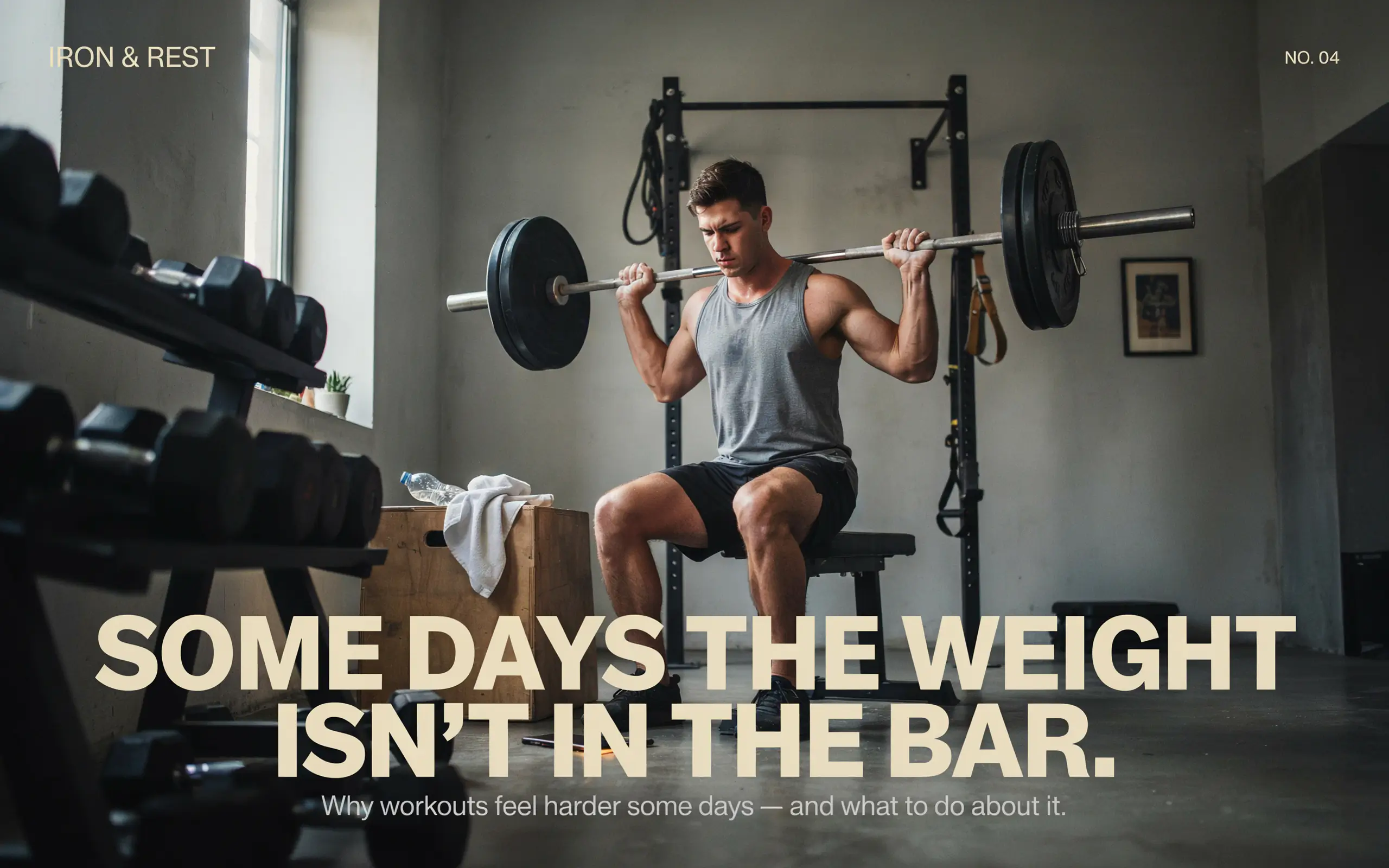
Have you ever wondered why workouts feel harder some days even when you do the same routine? This article explains the real reasons behind daily performance shifts and gives you simple fixes.
You know that feeling. You show up at the gym ready to crush your usual routine. But something is off. The weights feel heavier. Your legs feel like lead. Your breathing is harder to control. You check your watch and realize you are moving slower than normal. What is going on?
Here is the truth. Workouts feel harder some days for nearly everyone who exercises. It does not matter if you are a beginner or a seasoned athlete. Some days your body shows up ready to perform. Other days it simply does not want to cooperate.
The good news is that this is completely normal. Your body is not a machine. It does not produce the same output every single day. Many factors influence how your workout feels on any given morning or evening. Understanding these factors can help you stop beating yourself up on tough days and start working with your body instead of against it.
Let us break down exactly why workouts feel harder some days and what you can do about it.
The Science Behind Daily Performance Swings
Your body operates on a complex system of internal clocks, hormones, and energy stores. These systems do not stay constant from one day to the next. Performance variability is not a sign of weakness or lack of effort. It is a biological reality that affects every person who moves their body.
Think about it this way. You would not expect your car to perform exactly the same every single day without considering factors like fuel quality, tire pressure, or outside temperature. Your body works the same way. Many variables affect how much energy you have and how efficiently your muscles work.
When workouts feel harder some days, it is usually because one or more of these variables have shifted out of your favor. The good news is that most of these factors are within your control. You just need to know what to look for.
Common Reasons Workouts Feel Harder Some Days
| Factor | How It Affects Your Workout | What You Can Do |
|---|---|---|
| Poor sleep | Reduces strength, endurance, and coordination | Aim for 7-9 hours, keep a consistent bedtime |
| Dehydration | Increases perceived effort, reduces performance | Drink water consistently throughout the day |
| Low glycogen | Muscles lack fuel, fatigue sets in faster | Eat carbs before workouts, especially for intense sessions |
| High stress | Cortisol rises, recovery suffers, workouts feel heavier | Practice deep breathing, adjust intensity on stressful days |
| Inadequate recovery | Fatigue accumulates, performance declines | Take rest days, prioritize sleep and nutrition |
| Hormonal changes | Energy and perceived effort fluctuate | Track your cycle if applicable, adjust expectations |
| Poor timing | Working out at the wrong time of day for your body | Experiment with morning vs. evening workouts |
Sleep: The Most Overlooked Performance Factor
Let us start with the big one. Sleep is probably the most important factor in how your workout feels on any given day. When you cut corners on sleep, your energy, coordination, and motivation all take a hit.
Even one night of poor sleep can reduce your strength and endurance. Your body uses sleep to rebuild muscle tissue, replenish energy stores, and prepare your nervous system for the next day’s demands. Without enough sleep, your muscles do not recover fully. Your brain does not fire as quickly. Your reaction time slows down.
Here is what happens when you are sleep-deprived. Your body produces more of the stress hormone cortisol. This hormone breaks down muscle tissue and makes it harder for your body to use carbohydrates for energy. You end up feeling weaker and more tired during your workout.
Research shows that people who sleep only 5.5 hours per night lose more muscle and less fat compared to those who sleep 8.5 hours. That is a huge difference. If workouts feel harder some days, check your sleep first. It is often the culprit.
Nutrition and Fueling Mistakes
What you eat and when you eat it makes a big difference in how your workout feels. Your body needs energy to perform. If you start a workout without enough fuel available, your body has to work harder to access its energy stores.
One common mistake is going into a workout fasted. When you have not eaten for several hours, your blood sugar is low. Your brain and muscles do not have readily available energy. This makes your workout feel much harder than it should.
Another mistake is eating the wrong foods too close to your workout. Heavy meals that are high in fat or fiber take a long time to digest. Your body uses energy to digest these foods. That is energy that could have been used for your workout.
The ideal approach is to eat a balanced meal about three to four hours before exercising. This meal should include complex carbohydrates, lean protein, and vegetables. If you are doing high-intensity exercise for more than 30 minutes, you may also want a small snack of simple carbohydrates about an hour before.
When you eat properly, your body has the fuel it needs. When you do not, workouts feel harder some days for a very clear reason. You are running on empty.
Stress: The Hidden Workout Killer
Stress is another major factor that makes workouts feel harder some days. Your body does not distinguish between different types of stress. Work stress, relationship stress, financial worry, and physical stress from exercise all pull from the same recovery resources.
When you are under high stress, your nervous system is on high alert. Your body produces cortisol and other stress hormones. These hormones prepare you for fight or flight. They are not designed for optimal athletic performance.
High stress makes your workouts feel heavier. Your muscles may feel tighter. Your breathing may feel more labored. Your motivation may be lower. All of these effects combine to make your usual routine feel like a struggle.
The solution is not to eliminate stress entirely. That is not realistic. Instead, you can manage stress through simple practices like deep breathing, short walks, or meditation. You can also adjust your workout intensity on high-stress days. Sometimes a lighter workout is the smarter choice.

Recovery: Where Strength Actually Happens
Many people think they get stronger during their workouts. That is not quite right. You get stronger during the recovery period after your workouts.
When you exercise, you create tiny tears in your muscle fibers. Your body repairs these tears during rest periods. This repair process makes your muscles stronger and more resilient. If you do not give your body enough time to recover, these repairs do not happen fully.
If you are not recovering fully, you are less likely to get the most out of your muscles. Your workout will feel harder and your progress will slow down.
Recovery is not just about taking rest days, although those are important. Recovery also includes getting enough sleep, eating properly, and managing stress. It includes active recovery like walking or gentle stretching on your off days.
When you skimp on recovery, fatigue builds up. This cumulative fatigue makes workouts feel harder some days because your body has not had time to bounce back from previous sessions.
Quick Self-Check for Tough Workout Days
| Ask Yourself | If Yes, Try This |
|---|---|
| Did I sleep less than 7 hours last night? | Take it easy today, focus on form over intensity |
| Have I eaten in the last 3-4 hours? | Have a small carb snack before starting |
| Am I feeling unusually stressed? | Do a shorter or lighter workout, prioritize movement over performance |
| Did I work out hard yesterday? | Consider active recovery instead of intense training |
| Have I been drinking enough water? | Hydrate well before and during your workout |
| Is this my usual workout time? | Your body may perform better at different times of day |
Hormonal Changes and Their Impact
Hormones play a big role in how your workout feels. For women, the menstrual cycle causes significant hormonal fluctuations that can affect energy levels and perceived effort.
Research from the University of Oregon found that women’s ability to exercise at high intensity stays the same across the menstrual cycle. However, how difficult that exercise feels can change significantly. When progesterone levels are high, which happens about a week after ovulation, workouts often feel more difficult.
For men, testosterone and cortisol levels also fluctuate throughout the day. Testosterone is typically higher in the morning, but the response to resistance training may be greater in the late afternoon. These natural hormonal rhythms affect how your muscles respond to exercise and how hard your workout feels.
Circadian rhythms also play a role. Most people perform best in the late afternoon or early evening, when core body temperature peaks. If you usually work out in the morning but your body naturally peaks later in the day, workouts feel harder some days simply because of the time.
The Mind-Body Connection
Your brain plays a huge role in how hard your workout feels. Dopamine, a brain chemical associated with pleasure and motivation, affects how you perceive physical effort.
A study from Johns Hopkins Medicine found that people with higher dopamine levels perceived physical tasks as easier. Those with lower dopamine levels consistently over-reported how much effort they were using, meaning they felt the task was harder than it actually was.
Your mood and mental state also affect your workout. If you are feeling down, anxious, or distracted, your workout will feel harder. Negative emotions can slow your movements and make exercise feel more difficult.
On the flip side, when you are in a good mood and feeling motivated, your workout often feels easier. Your perception of effort is not just about your muscles. It is about your whole state of mind.
Environmental Factors You Might Not Consider
Sometimes workouts feel harder some days because of things outside your body. The environment around you matters more than you might think.
Heat and humidity can make exercise feel much harder. Your body has to work harder to cool itself down. This diverts energy away from your muscles and makes you feel more fatigued. Even mild dehydration of 1-2% of your body weight can increase perceived effort and reduce performance.
The time of day matters too. Your body has natural rhythms that affect your energy levels. Some people are morning people. Others perform better in the evening. If you are forcing yourself to work out at a time that does not match your natural rhythm, your workout will feel harder.
Even the location of your workout can make a difference. Some people find that outdoor exercise feels less tiring than indoor exercise, partly because of psychological factors.
Overtraining: When Hard Days Become Too Frequent
Everyone has tough workout days. But if workouts feel harder some days and those days are becoming more frequent, you might be overtraining.
Overtraining syndrome happens when training stress consistently outpaces recovery. Your body cannot keep up with the demands you are placing on it. Performance declines instead of improving.
Key warning signs include unusual muscle soreness that does not go away, disrupted sleep, recurrent illness, and workouts that feel harder despite equal or reduced effort. You might also notice mood changes, irritability, or loss of motivation.
If you recognize these signs, it is time to back off. Take more rest days. Reduce your intensity. Focus on recovery. Pushing through overtraining will only make things worse.

What to Do When Your Workout Feels Too Hard
So what should you do when workouts feel harder some days? Here is a practical approach.
First, do a quick check-in. Ask yourself about sleep, food, stress, and recovery. If any of these areas are off, adjust your expectations for the workout. It is okay to go lighter on days when your body is not fully prepared.
Second, consider changing your workout. Maybe you do a shorter session. Maybe you reduce the weight or intensity. Maybe you focus on technique instead of pushing for personal records. Smart training means knowing when to push and when to pull back.
Third, remember that consistency matters more than perfection. One tough workout does not mean you are losing progress. It just means you are human. Some days you push hard. Other days you simply show up. Both matter.
“We all want the time and effort we invest into a workout to feel like it’s worth it. Having a bad workout happens, but if it’s happening more often than usual, it might be time to take a look at a few of your lifestyle behaviors.” – Kim Lowry, sports dietitian at Houston Methodist
Adjusting Your Training Approach
Instead of fighting against your body’s natural fluctuations, you can work with them. This is called flexible programming.
Flexible programming means treating your workout plan as a framework rather than a fixed requirement. On days when you feel strong, you push harder. On days when you feel weak, you pull back. You adjust the intensity, volume, or duration based on how your body feels that day.
This approach works better than rigid programming for most people. Life is unpredictable. Sleep, stress, and nutrition vary from day to day. A program that does not account for these variations is setting you up for frustration.
When you accept that workouts feel harder some days, you stop seeing those days as failures. You see them as information. Your body is telling you something. Listen to it.
“Just realize that you’re not alone and that’s normal. We’re not machines that can produce the same on any given day, way too many variables involved.” – TrainerRoad forum member
Long-Term Strategies for More Consistent Workouts
While some variation is normal, there are things you can do to make your workouts feel more consistent over time.
Prioritize sleep above almost everything else. Aim for 7-9 hours per night. Keep a consistent sleep schedule, even on weekends. Your body thrives on routine.
Eat with your workouts in mind. Make sure you are getting enough carbohydrates for energy and enough protein for recovery. Time your meals so you have fuel available when you need it.
Manage your stress. Find practices that help you relax and reset. This could be meditation, deep breathing, time in nature, or simply taking breaks throughout your day.
Take your recovery seriously. Build rest days into your weekly schedule. Use active recovery on your off days. Remember that recovery is not laziness. It is part of the process.
Pay attention to your body’s signals. If a workout feels unusually hard, check in with yourself. What is different about today? Use that information to make better decisions tomorrow.
“Strength, performance, and energy naturally fluctuate — and there are a handful of common factors that can make a normal workout feel unusually tough. The good news? They’re all things you can adjust.” – Integra Fitness
When to See a Professional
Most of the time, tough workout days are normal and nothing to worry about. But there are times when you should seek professional help.
If your workouts have been feeling harder for weeks or months despite adequate rest and nutrition, talk to a doctor. Persistent fatigue can be a sign of underlying health issues like anemia, thyroid problems, or heart conditions.
If you are experiencing unusual symptoms like chest pain, severe shortness of breath, or dizziness during exercise, stop and see a healthcare provider immediately.
For most people, though, the answer to why workouts feel harder some days is found in the basics. Sleep, food, stress, recovery. Get these right and your tough days will become less frequent and less severe.
Frequently Asked Questions
Why do workouts feel harder some days even when I do the same routine?
Your body is affected by many factors that change daily, including sleep quality, nutrition, stress levels, hydration, and hormonal fluctuations. Even with the same routine, these variables can make your workout feel significantly different from one day to the next.
How much does sleep affect my workout performance?
Sleep affects your workout in a big way. Even one night of poor sleep can reduce your strength, endurance, and coordination. Sleep is when your body repairs muscle tissue and replenishes energy stores. Without enough sleep, your workout will feel harder and your progress will slow down.
Can stress really make my workout feel harder?
Yes. Your body does not separate gym stress from life stress. Both pull from the same recovery resources. When stress is high, your workouts will feel heavier and more difficult.
What should I eat before a workout to avoid feeling weak?
Eat a balanced meal with complex carbohydrates, lean protein, and vegetables about three to four hours before exercising. For high-intensity workouts longer than 30 minutes, add a small snack of simple carbohydrates about an hour before.
Is it normal for women to have tougher workouts at certain times of the month?
Yes. Hormonal fluctuations across the menstrual cycle affect how hard exercise feels. When progesterone is high, which happens about a week after ovulation, workouts often feel more difficult. The ability to exercise at high intensity stays the same, but the perceived effort changes.
How do I know if I am overtraining?
Key signs include unusual muscle soreness that persists, disrupted sleep, recurrent illness, workouts that feel harder despite equal effort, mood changes, and declining performance. If you notice these signs, take extra rest days and reduce your training intensity.
Should I skip my workout if it feels too hard?
Not necessarily. You can adjust the workout instead of skipping it entirely. Reduce the intensity, shorten the duration, or focus on technique rather than pushing for personal records. Showing up and doing something is often better than doing nothing.
How can I make my workouts feel more consistent?
Prioritize sleep, eat properly, manage stress, take recovery seriously, and pay attention to your body’s signals. Also consider flexible programming that adjusts based on how you feel each day.

Conclusion
Workouts feel harder some days for reasons that are completely normal and mostly manageable. Sleep, nutrition, stress, recovery, hormones, and even the time of day all play a role in how your workout feels.
The key is not to fight these fluctuations but to work with them. When you have a tough day, check in with yourself. What is different? What can you adjust? Sometimes the best thing you can do is go lighter and show up again tomorrow.
Remember that progress is not built by being perfect. It is built by being consistent. Some days you push hard. Other days you simply show up. Both matter.
Your body is giving you information every day. Learn to read the signals. Respect your limits on hard days. Push your boundaries on good days. Over time, you will develop a better relationship with your body and your workouts.
The next time workouts feel harder some days, do not get frustrated. Get curious. Ask yourself why. Then make the adjustments that your body needs. That is how you build sustainable fitness that lasts.
Related posts
 How to Strengthen Weak Nails: A Practical Guide to Daily Care
Learn how to strengthen weak nails with simple daily habits, protective care, and targeted hydration. Restore your natural nail strength today. Weak, peeling, or brittle nails…
 What Sounds Do Cats Dislike? 7 Noises That Stress Your Pet
Discover what sounds do cats dislike and why. Learn how to protect your cat’s sensitive hearing from stressful household noises and high-frequency hums. Cats dislike sounds…
 Restoring Faded Black Clothing: Practical Methods and Reality Checks
Can you restore faded black clothing? Learn the difference between temporary color revival and permanent redyeing, plus how to prevent future fading. You can restore the…