
Why Do Plateaus Happen In Fitness
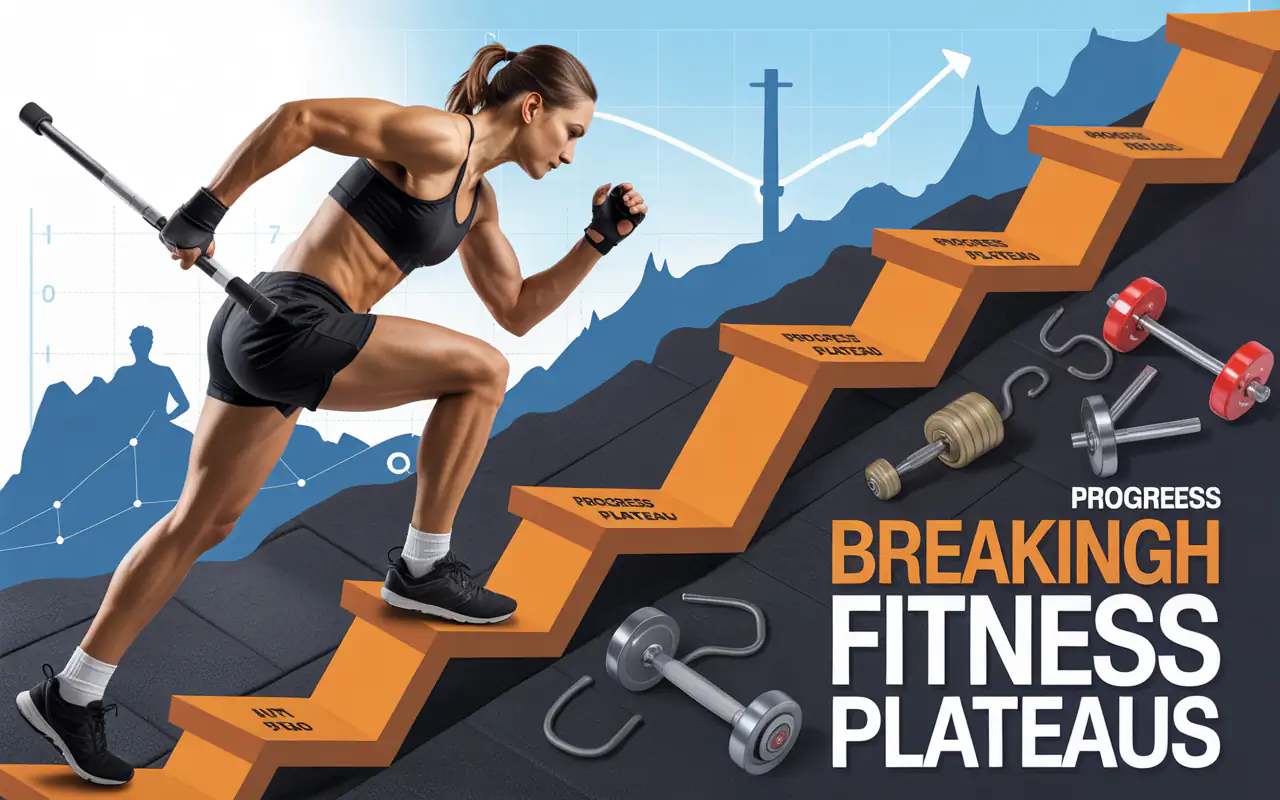
Are you stuck? Learn why plateaus happen in fitness so you can restart your progress and hit your health goals with simple tips today. This guide explains the science of stalls and how to fix them for good.
You work out every day. You eat your greens. You sleep eight hours. For a few weeks, everything is great. You lose weight. You feel strong. Your clothes fit better. Then, all of a sudden, it stops. The scale does not move for two weeks. Your lifts do not get better. You feel like you are stuck in mud. This is what we call a plateau. It can feel bad. It can make you want to quit. But you should not quit. You should learn why this occurs. Many people ask the same thing when they hit this wall. They want to know why plateaus happen in fitness so they can fix the problem fast.
A plateau is a normal part of any health plan. Your body is a smart machine. It wants to keep things the same. When you change your habits, your body changes too. But after a while, it gets used to those habits. It finds a way to be efficient. This is when the progress slows down or stops. It does not mean you are doing a bad job. It means your body has learned how to handle your work. To see more change, you have to give your body a new reason to change. We will look at the reasons for this today. We will see how your body works. We will look at food, rest, and stress.
What a Fitness Plateau Looks Like
A plateau is not just one bad day. It is a long time with no change. You might track your weight. If the weight stays the same for a month, that is a plateau. You might track how much you lift. If you cannot add more weight for a few weeks, that is a plateau too. Some people look at how they feel. If you do not feel more fit after many weeks of work, you might be at a stall. It is important to look at the data. Do not just go by how you feel in the morning. Use a scale or a tape measure. Look at your gym log.
When plateaus happen in fitness, it is often a sign that you have reached a balance. Your calories in match your calories out. Your muscles are strong enough for your current lifts. Your heart is used to your run. To break this balance, you need to do something new. This could mean more weight. It could mean different food. It could even mean more rest. We will go over all of these things in this post. We want to make sure you have all the facts. This will help you stay on track for a long time.
The Role of Body Adaptation
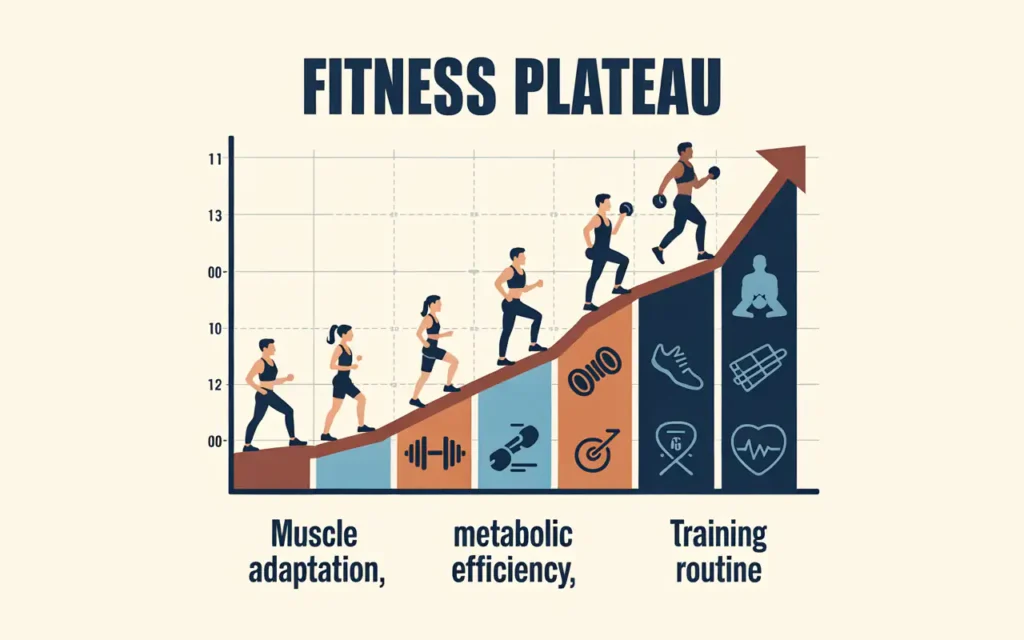
Your body loves to be stable. This is called homeostasis. When you start a new plan, you shock your body. It has to grow new muscle to lift the weights. It has to burn fat to get energy. This shock leads to fast results. But your body does not want to be in a state of shock forever. It learns how to do the work with less effort. This is why plateaus happen in fitness after the first few months. Your muscles get better at the moves. Your heart gets better at pumping blood. You become more efficient at your gym work.
Being efficient is usually a good thing. It means you are getting fit. But for weight loss or muscle gain, it can be a hurdle. If you do the same walk every day, you will burn fewer calories over time. Your body learns how to use less fuel for that walk. This is why you must change things up. If you do not change your plan, your body will stay the same. You have to keep it guessing. This is the main way to keep making gains.
“The only person you are destined to become is the person you decide to be.” – Ralph Waldo Emerson
Why Plateaus Happen in Fitness: The Energy Factor
Food is a big part of the puzzle. When you lose weight, your body needs less food to keep going. A big body needs more fuel than a small body. If you lose twenty pounds but eat the same amount of food, you might stop losing weight. This is because your new, smaller body does not need as much energy. This is a common reason why plateaus happen in fitness for many people. They forget to adjust their food as they get smaller. You have to check your needs every few weeks.
You also have to look at what you eat. Protein is very important. It helps you keep your muscle while you lose fat. If you do not eat enough protein, your body might burn muscle for fuel. This slows down your metabolism. A slow metabolism makes it hard to lose more weight. You should try to eat lean meat, eggs, or beans. These things help your body stay strong. They also keep you full for a longer time. If you feel hungry all the time, you might eat too many snacks. This can also cause a stall in your progress.
Tracking Your Food
Many people think they eat less than they do. They forget about the oil in the pan. They forget about the cream in the coffee. These small things add up. If you are stuck, try to write down everything you eat for a week. This can show you where the extra calories are coming from. You might be surprised. Once you see the truth, you can make a change. This is a simple way to get moving again. You do not need a fancy plan. You just need to be honest with yourself.
The Importance of Water
Water is also key. If you are dry, your body cannot work well. It cannot burn fat as fast. It cannot build muscle as well. Sometimes, your body feels hungry when it is really just thirsty. Drinking more water can help you feel better. it can also help you lose weight. Try to drink a glass of water before every meal. This will help you eat the right amount. It is a simple trick that works for many people.
Training and Progressive Overload
If you lift the same ten pounds every day, you will not get bigger. Your muscles already know how to lift ten pounds. They have no reason to grow. You have to add more. This is called progressive overload. It is the gold standard for getting fit. If you stop adding weight or reps, you will hit a wall. This is why plateaus happen in fitness for those who do the same workout for years. They are just going through the moves. They are not pushing their limits.
You can add weight to the bar. You can do more reps with the same weight. You can even rest less between sets. All of these things make the work harder. They tell your body that it needs to be stronger. If you stay in your comfort zone, you will stay the same. You have to be willing to sweat. You have to be willing to feel a bit of a burn. This is how you tell your body to keep changing.
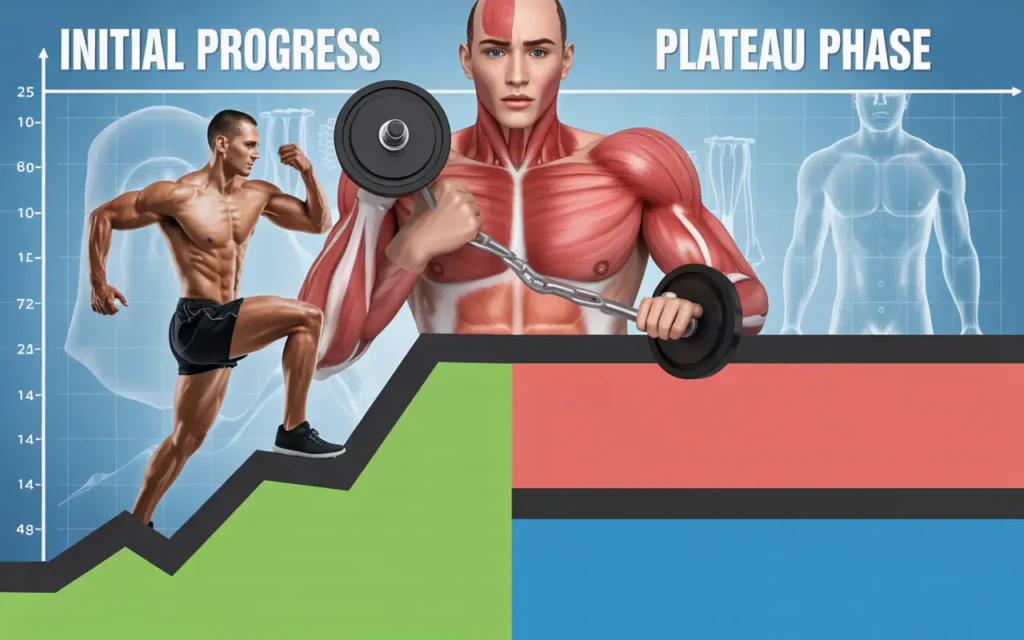
| Factor | Plateau | Overtraining |
| Gym Progress | No change | Goes down |
| Energy Level | Normal | Very low |
| Sleep Quality | Good | Very poor |
| Mood | Bored | Sad or angry |
The Impact of Stress and Sleep
Fitness is not just about the gym. It is about your whole life. If you are very stressed at work, your body will know. Stress creates a hormone called cortisol. Too much of this can make your body hold onto fat. It can also make it hard to build muscle. This is a hidden reason why plateaus happen in fitness for busy people. They work out hard but they never relax. Their bodies are in a constant state of alarm. This makes progress very slow.
Sleep is when the magic happens. When you sleep, your body fixes the tiny tears in your muscles. It balances your hormones. It recharges your brain. If you only sleep five hours, you are cheating yourself. You will not have the energy to work out hard the next day. You will also feel more hungry. Most people need seven to nine hours of sleep. If you get enough rest, you will see better results. It is just as important as the workout itself.
“Strength does not come from winning. Your struggles develop your strengths.” – Arnold Schwarzenegger
How to Break a Plateau
When you realize you are stuck, do not panic. Take a breath. Look at your plan. The first step is to change one thing. Do not change everything at once. If you change five things, you will not know which one worked. Start with your workout. Try a new set of moves. If you always run, try to bike. If you always lift heavy, try to do more reps with less weight. This new stimulus can jumpstart your body. It breaks the cycle of being efficient.
You can also look at your rest. Sometimes, the best way to break a wall is to stop for a bit. This is called a deload week. You still go to the gym, but you do half the work. You lift light weights. You go for easy walks. This gives your joints and your mind a break. Often, people come back from a deload week stronger than before. Their bodies finally had time to fully fix themselves. This can be the key when plateaus happen in fitness due to being tired.
| Change Method | How to Do It | Primary Benefit |
| Increase Weight | Add 2 to 5 pounds | Build more strength |
| Increase Volume | Add one extra set | Build more muscle |
| Decrease Rest | Wait 30 seconds less | Better heart health |
| New Exercise | Swap lunges for squats | Hit new muscle parts |
The Mental Side of Staying Fit
Your brain can be your best friend or your worst enemy. When you hit a stall, your brain might tell you to give up. It might say that all your work is for nothing. This is not true. A plateau is a sign that you have achieved something. You have reached a level where your old self would have struggled. Now, that level is easy for you. That is a win. You should celebrate that you have made it this far. Then, you should set a new goal.
Keep a journal. Write down how you feel. Note your wins, even the small ones. Maybe your weight did not change, but you have more energy. Maybe you slept better this week. These are all signs of health. When plateaus happen in fitness, focus on these non-scale wins. They will keep you motivated while you wait for the scale to move again. Patience is a big part of the game. You did not get out of shape in one day. You will not get in perfect shape in one day either.
Metabolic Adaptation Explained
We touched on this before, but it is worth a deeper look. Your metabolism is the rate at which you burn fuel. When you sit in a chair, you still burn fuel. Your heart beats and your lungs breathe. This is your base rate. When you lose weight, this rate goes down. A smaller person burns less fuel just by existing. Also, your body tries to save energy when it thinks food is scarce. This is an old trait from when humans lived in the wild.
If you eat very little for a long time, your body will slow down even more. It wants to keep you alive. This can lead to a very hard stall. This is why “crash diets” often fail. You lose weight fast, then you stop. Then, when you eat a bit more, you gain it all back. To avoid this, you should lose weight slowly. Aim for one or two pounds a week. This keeps your metabolism happy. It also makes it less likely that plateaus happen in fitness for long periods.
Why Variety is Your Secret Tool
Doing the same thing over and over is the fastest way to a plateau. Your body is built to adapt. If you walk the same path at the same speed, your body will master it. Soon, that walk is easy. To keep getting fit, you must add variety. This does not mean you need a new plan every day. It means you should tweak things every few weeks. Change your grip on the bar. Change the order of your moves. Try a new class at the gym.
Variety also keeps you from getting bored. If you like your workout, you will do it more often. If you hate it, you will find excuses to stay home. Find things you enjoy. Maybe you like hiking. Maybe you like swimming. Use these things to keep your body moving in new ways. This is a great way to stay active without feeling like it is a chore. When plateaus happen in fitness, a bit of fun can be the best cure.
“Action is the foundational key to all success.” – Pablo Picasso
Frequently Asked Questions
How long does a normal plateau last?
A plateau can last from two weeks to a month. If you have seen no change in four weeks, it is time to look at your plan. It is normal to have a week where the scale does not move. Do not worry about short stalls. Only act if the stall stays for a long time.
Should I eat less to break a plateau?
Not always. Sometimes, you might need to eat more. If you have been on a very low-calorie diet, your body might be stressed. Eating a bit more for a week can sometimes help. This is called a “refeed.” It can reset your hormones and give you more energy.
Can stress really stop my progress?
Yes, it can. High stress makes your body hold on to water and fat. It can also make you sleep poorly. If you are very stressed, try to do some light yoga or meditation. Taking care of your mind will help your body.
Is it okay to take a break from the gym?
Yes, a break can be very good. A few days off or a light week can help you recover. You will not lose your muscle in one week. Often, you will come back with more power.
How often should I change my workout?
Most people see good results if they change their plan every six to eight weeks. You do not have to change everything. Just change a few things to keep your body guessing. This helps prevent when plateaus happen in fitness.
Why does my weight go up when I start a new plan?
When you start a new plan, your muscles might hold more water. This is to help them heal. It is not fat. Do not let the scale scare you. If you keep going, the water weight will go away and you will see your real weight.
Does sleep matter for muscle growth?
Sleep is the most important time for muscle growth. This is when your body builds new tissue. If you do not sleep, your muscles cannot grow. Aim for at least seven hours every night.
What is the best food for breaking a stall?
High-protein foods are usually best. They help you stay full and keep your muscle. Think about chicken, fish, eggs, and tofu. Also, eat plenty of fiber from veggies. Fiber helps your gut stay healthy.
Should I do more cardio to lose weight?
Cardio is good for your heart. It can help you burn extra fuel. But do not overdo it. Too much cardio can make you very hungry. It can also lead to muscle loss if you do not eat enough. Balance is key.
Can I hit a plateau if I only do yoga?
Yes, you can hit a wall with any kind of move. If you do the same poses every day, your body will get used to them. To keep getting better, try harder poses or hold them for longer.
How to Stay Focused for the Long Haul
Fitness is a marathon, not a sprint. You will have good weeks and bad weeks. You will have times when you feel like a star and times when you feel like you are failing. The secret is to keep going. A plateau is just a small bump in the road. It is not the end of the road. If you stay consistent, you will reach your goals. Do not let a stall steal your joy. You are doing something great for your health.
Look at your habits. Are you drinking enough water? Are you eating enough protein? Are you sleeping? If the answer is yes, then just be patient. Sometimes your body needs a bit of time to catch up. Keep doing the right things. The results will come. You have the power to change your life. One stall cannot stop you unless you let it. Stay strong and keep moving.
Final Thoughts on Progress
Understanding why plateaus happen in fitness is the first step to beating them. It is all about how the body handles stress and work. Your body is trying to help you. It wants to make things easy for you. You just have to remind it that you want to keep growing. By changing your food, your moves, and your rest, you can keep making progress for a long time. There is no magic pill. There is only hard work and smart choices.
Take a look at your gym log today. See where you can add a little bit more. Maybe add five pounds to your squat. Maybe go to bed thirty minutes earlier. These small changes add up to big results over time. You can do this. You have already come so far. Do not let a plateau get in your way. Use it as a chance to learn more about your body. Once you know how to break one wall, you will know how to break the next one too.

Conclusion
We have looked at many things today. We saw how the body adapts to work. We saw how food and sleep play a huge role. We learned that variety is key to keeping the body guessing. Most of all, we learned that plateaus are a normal part of the process. They happen to everyone, from pro athletes to people just starting out. They are a sign that you are doing the work.
When plateaus happen in fitness, it is a time to reflect. It is a time to check your goals and your habits. Use the tables and tips in this guide to make a plan. Change your routine, get more rest, and be honest about your food. If you stay steady and patient, you will see the scale move again. You will see your strength grow. You will reach that goal you have been dreaming of. Keep your head up and stay the course. Health is a lifelong path, and you are doing great on it. Focus on the long game, and the short stalls will not bother you as much. You have the tools now. Go out there and make it happen.
Related posts
 Understanding Fitness Checkup Consultation Cost and Professional Assessment Resources for 2026
Explore Understanding fitness checkup consultation cost factors and professional assessment resources to help you make informed decisions about your health and training goals. Navigating the world…
 Gym Membership Discount Price Alternatives for 2026 Home Fitness
Looking for a gym membership discount price Alternatives? Explore smart home fitness alternatives and equipment to save money and build your own workout space in 2026.…
 Buy Home Workout Sliders: 2026 Guide to Core Fitness Tools
Looking to buy home workout sliders? Compare top-rated gliding discs and core trainers to find the right equipment for your 2026 fitness routine. Adding core sliders…