
Energy Saving Smart Kitchen Tips
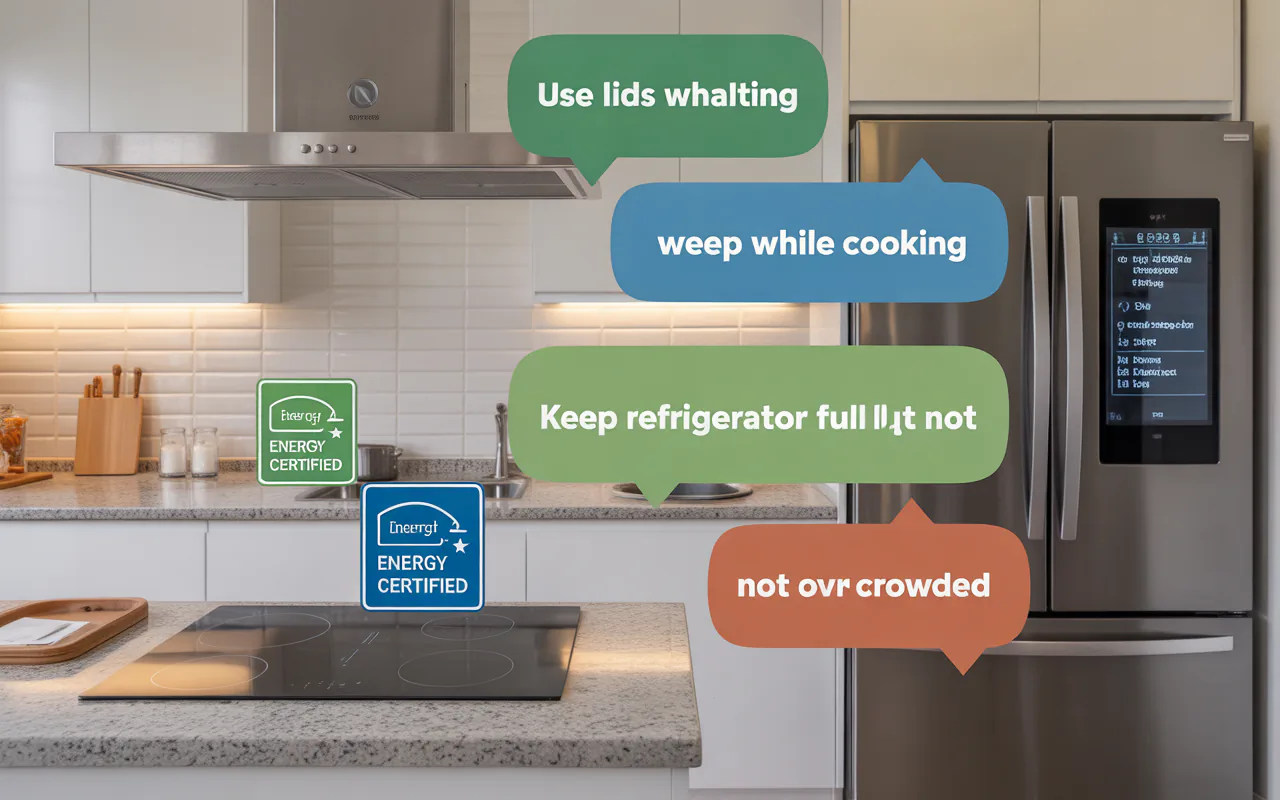
Looking for energy saving smart kitchen tips? Learn simple ways to reduce power, save money, and cook smarter. Start saving today!
You might not think about it much, but your kitchen is one of the most energy hungry rooms in your home. The refrigerator runs all day and night. The oven gets hot. The stove burns gas or electricity. And small gadgets get used every single morning. The good news is that you can change many small habits and choices to lower your bills. This article shares practical energy saving smart kitchen tips that anyone can use. No fancy tools or big spending required. Just simple actions that add up to real savings.
I have tested most of these ideas in my own home. Some came from trial and error. Others came from talking to appliance repair experts and energy specialists. I want to share what works so you can feel good about your kitchen use without feeling overwhelmed. Let us start with why your kitchen uses so much power in the first place.
Why Your Kitchen Uses So Much Energy
Think about every time you open the fridge. Cold air spills out. The fridge works harder to cool back down. Every time you boil water without a lid, heat escapes into the room. Every time you preheat the oven for too long, energy goes to waste. The kitchen has many appliances that generate heat or maintain cold temperatures. Both processes require a lot of electricity or gas.
According to the U.S. Department of Energy, refrigerators alone account for about 15% of a home’s total energy use. Ovens and stoves add another 5% to 10%. Small appliances like coffee makers, toasters, and microwaves add up too. The good news is that with a few smart changes, you can cut that number significantly.
Here is a simple look at average energy use for common kitchen appliances. These numbers are estimates for typical U.S. homes.
| Appliance | Average Yearly Energy Use (kWh) | Average Yearly Cost ($) |
|---|---|---|
| Refrigerator (20 cu ft) | 500 – 700 | 65−90 |
| Electric Oven | 200 – 300 | 25−40 |
| Dishwasher | 200 – 350 | 25−45 |
| Microwave | 100 – 150 | 12−20 |
| Coffee Maker | 80 – 120 | 10−15 |
Table 1: Typical energy use and cost for kitchen appliances (based on national average electricity rates).
Every small habit you change directly reduces these numbers. Now let us get into the actual energy saving smart kitchen tips that work.
“The biggest energy waste in most kitchens is not from broken appliances, but from simple daily habits that people never think to question.” – Michael Bluejay, energy efficiency researcher
Smart Cooking Habits That Save Power
You do not need new appliances to save energy. Often, the way you cook matters more than what you cook with. Here are several habits you can start today.
Match Pot Size to Burner
When you put a small pot on a large burner, heat spreads out around the pot. That heat does not go into your food. It goes into the air. That is wasted energy. Always choose a burner that fits the bottom of your pot or pan. For gas stoves, keep the flame under the pot, not licking up the sides. For electric coil or induction cooktops, match the pot diameter to the burner ring. This one change cuts energy loss by up to 40% on that burner.
Use Lids on Pots
Water boils faster when you put a lid on the pot. A lid traps heat inside. Without a lid, heat escapes and you need more energy to keep the water boiling. You can also turn the heat down once boiling starts. A gentle simmer uses much less energy than a rolling boil. For cooking rice, pasta, or soup, keep the lid on as much as possible. Just be careful with starchy foods that may boil over.
Turn Off Heat Early
You do not need to keep the burner on until the food is fully done. For pasta, rice, or vegetables, turn off the heat a minute or two before the cooking time ends. The residual heat in the pot finishes the job. For ovens, you can turn off the oven ten minutes before the timer goes off. The inside stays hot enough to finish baking most dishes. This also works for electric griddles and skillets.
Cook in Batches
Heating up an oven or a large pan takes a lot of energy. If you cook one small thing, you waste most of that heat. Instead, plan to cook multiple things at once. Roast vegetables alongside a chicken. Bake two casseroles at the same time. Hard boil a dozen eggs at once rather than two or three every morning. Batch cooking saves energy and also saves your time.
“Every time you open the oven door, the temperature drops 25 to 50 degrees. That means your oven has to work hard to recover. Look through the glass instead.” – Laura Klein, author of “The Efficient Kitchen”
Choose Energy Efficient Appliances
When an old appliance breaks, you have a choice. You can buy the cheapest model or you can buy an efficient one. Efficient appliances cost more upfront but save money every month. Over five to ten years, the savings add up to much more than the price difference. Look for the ENERGY STAR label. That label means the appliance meets strict energy efficiency guidelines.
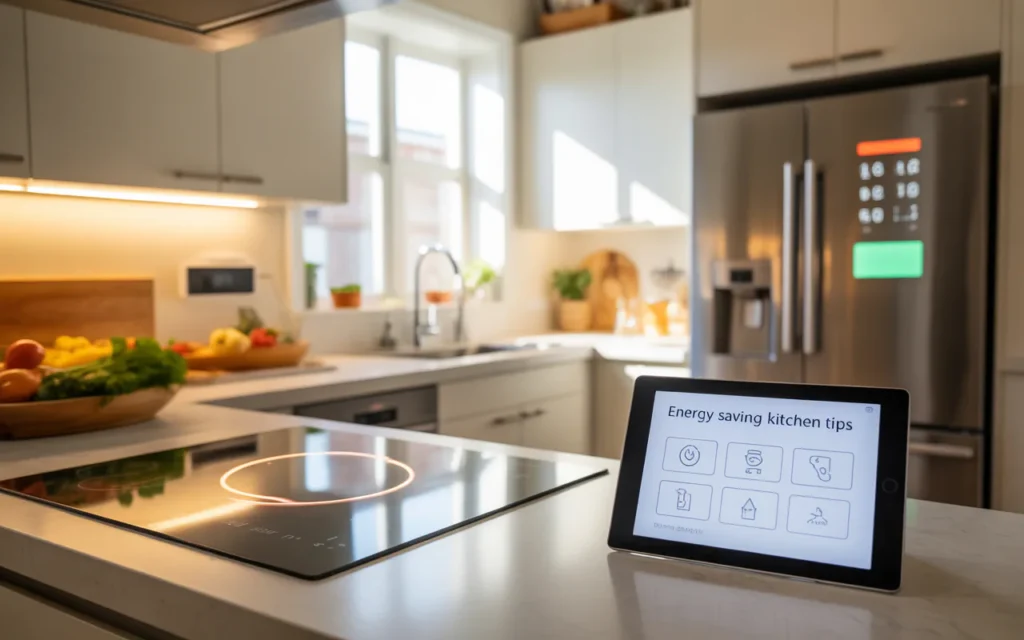
Induction Cooktops
Induction cooktops look like glass but work completely differently from regular electric stoves. They use magnets to heat the pot directly. The cooktop itself stays cool. Induction cooking is about 85% to 90% efficient. Regular electric coil stoves are only about 70% to 75% efficient. Gas stoves are even lower at about 55% to 65% efficiency because much of the heat escapes around the pot. Induction also boils water much faster. That means less cooking time and less energy used.
Convection Microwaves
A convection microwave works as both a microwave and a small oven. For baking or roasting small dishes, it uses much less energy than a full size oven. You can bake a potato, roast vegetables, or even bake a small cake. The smaller interior space heats up faster and holds heat better. For a family of one or two people, a convection microwave can replace the big oven for most daily cooking.
Smart Refrigerators
New smart refrigerators come with features that actually save energy. Some have door alarms that beep when you leave the door open. Some have temperature sensors that adjust cooling based on how full the fridge is. Others have energy usage reports on your phone. But even a basic ENERGY STAR fridge uses about half the energy of a fridge from twenty years ago. If your fridge is more than fifteen years old, replacing it pays for itself in energy savings within a few years.
Here is a comparison of cooking methods by energy efficiency.
| Cooking Method | Energy Efficiency (%) | Best Use Case |
|---|---|---|
| Induction Cooktop | 85 – 90 | Boiling, frying, sautéing |
| Microwave | 75 – 85 | Reheating, small portions |
| Electric Oven (standard) | 65 – 75 | Baking, roasting large items |
| Gas Stove | 55 – 65 | Wok cooking, controlled flame |
| Toaster Oven | 70 – 80 | Small bakes, toast, pizza |
Table 2: Efficiency comparison of common cooking methods.
As you can see, using the right appliance for the job makes a big difference.
Simple Kitchen Gadgets That Help
You do not need a full kitchen remodel to save energy. Small, affordable gadgets can make a big impact. Here are a few worth buying.
Electric Kettles vs Stove
Boiling water on a stove takes longer and uses more energy. An electric kettle heats water directly inside the container. It boils water faster and shuts off automatically. If you drink tea, coffee, or need boiling water for cooking, use an electric kettle. Then pour the hot water into a pot on the stove if needed. This saves both time and energy. Look for a kettle with clear water level markings so you only boil what you need.
Slow Cookers and Air Fryers
A slow cooker uses low heat over many hours. It uses less total energy than an oven because it is so well insulated. For stews, soups, and roasts, a slow cooker is very efficient. An air fryer is basically a small convection oven. It heats up fast and cooks food quickly. For french fries, chicken wings, or roasted vegetables, an air fryer uses about half the energy of a full oven. Both gadgets pay for themselves in energy savings within months.
Toaster Ovens
For many people, a toaster oven replaces the big oven most of the time. You can toast bread, bake a pizza, roast a small chicken, or reheat leftovers. The interior is small, so it heats up in two or three minutes. A big oven takes ten to fifteen minutes to preheat. If you use a toaster oven instead of your main oven for three meals a week, you save a noticeable amount on your electric bill.
“We tested a family kitchen for one month. Simply switching from the big oven to a toaster oven for small meals cut their cooking energy use by 34%.” – David Pogue, technology columnist
Smart Tips for Your Fridge and Freezer
Your refrigerator runs every minute of every day. Even small improvements in how you use it add up to big annual savings.
Set the Right Temperature
Many people set their fridge too cold. The ideal fridge temperature is between 35°F and 38°F (1.7°C to 3.3°C). The freezer should be at 0°F (-18°C). If your fridge is set colder than that, you waste energy without any benefit. Use a small appliance thermometer to check the actual temperature. Many built in thermometers are not very accurate.
Keep Coils Clean
The coils on the back or bottom of your fridge release heat. When dust and pet hair cover the coils, the fridge cannot release heat well. That makes the compressor work harder and run longer. Vacuum or brush the coils every six months. This simple job takes five minutes and can cut your fridge’s energy use by up to 30%.
Don’t Overfill or Underfill
A fridge that is too empty wastes energy. Every time you open the door, cold air falls out and warm air rushes in. Food helps hold cold air. But a fridge that is too stuffed also wastes energy because air cannot circulate properly. The same goes for freezers. Keep your freezer about 75% full for best efficiency. If your freezer is empty, fill jugs with water and freeze them. Those ice blocks help maintain cold temperature.
Lighting and Water Heating in Kitchen
The kitchen has many lights and often the water heater for the whole house. Both areas offer easy savings.
LED Bulbs
If you still have old incandescent or halogen bulbs in your kitchen, switch to LEDs. LED bulbs use 75% to 85% less energy than incandescent bulbs. They also last ten times longer. For under cabinet lights, ceiling lights, and pendant lights, LEDs produce less heat as well. That means your air conditioner does not have to work as hard in summer. One energy saving smart kitchen tip is to put motion sensor switches in pantries or closets. That way lights never stay on by accident.
Use Cold Water
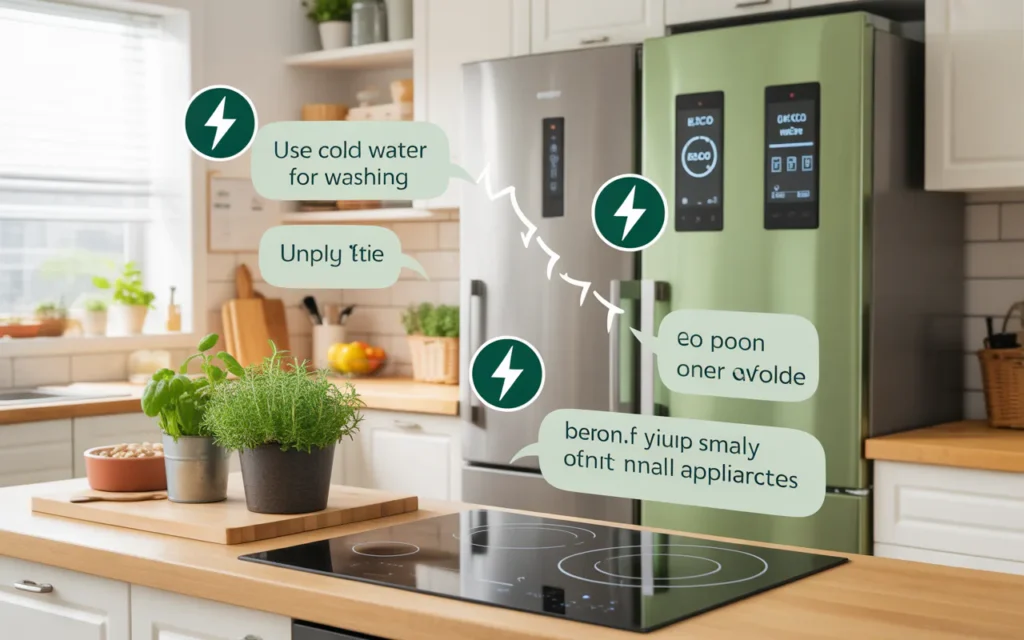
Many people run hot water to wash dishes by hand or rinse food. That hot water comes from your water heater, which uses a lot of energy. For most kitchen tasks, cold water works just fine. Rinse vegetables with cold water. Wash your hands with cold water if you only need a quick rinse. For washing dishes by hand, fill a basin with warm water instead of running the tap continuously. For your dishwasher, use the eco mode and skip the heated dry cycle. Let dishes air dry.
Meal Planning Reduces Energy Waste
Good meal planning is actually an energy saving smart kitchen tip that many people overlook. When you plan ahead, you cook less often and use your appliances more efficiently.
One Pot Meals
A one pot meal means you cook everything together. The whole dinner comes from one pot on one burner or one pot in the oven. You do not use a separate pan for rice, another for vegetables, and another for meat. One pot meals use less energy to cook and less water to clean up. Think of stews, stir fries, casseroles, sheet pan dinners, and pasta with sauce cooked in the same pot.
Leftovers Strategy
Cook extra food on purpose. Then reheat leftovers for lunch the next day. Reheating in a microwave uses very little energy compared to cooking from scratch. You can also repurpose leftovers into a new meal. Roast chicken becomes chicken salad. Leftover rice becomes fried rice. Extra vegetables go into an omelet or soup. This approach reduces the number of times you need to turn on the oven or stove each week.
Here are more quick tips you can apply today:
- Defrost frozen food in the fridge overnight instead of using a microwave. This also helps your fridge stay cold.
- Use a pressure cooker for beans, grains, and tough meats. It cooks much faster than a regular pot.
- Keep your oven door closed while baking. Every peek loses 20% of the heat.
- Run your dishwasher only when full. Use the energy save cycle.
- Cover liquids in the fridge to prevent moisture from making the compressor work harder.
Frequently Asked Questions (FAQ)
1. What is the single best energy saving smart kitchen tip for someone on a tight budget?
The best tip costs nothing. Start matching your pot size to the burner. Stop removing the lid while boiling water. Turn off the oven or stove one to two minutes before the food is finished. These habits save energy immediately without buying anything.
2. Does unplugging small kitchen appliances save money?
Yes, but only for some devices. Coffee makers, toaster ovens, and microwaves use a small amount of “vampire power” when not in use. Unplugging them saves a few dollars per year per device. The bigger savings come from how you use them, not from unplugging.
3. Are air fryers really more efficient than ovens?
Yes, for small portions. A typical air fryer uses about 1,500 watts and cooks food in 15 minutes. A typical oven uses 3,000 watts and needs 10 minutes preheat plus 15 minutes cook time. For two servings, the air fryer wins. For a whole turkey, the oven wins. Choose the right tool for the job.
4. How can I tell if my refrigerator is wasting energy?
Listen to it. A fridge that runs constantly or cycles on and off every few minutes may have a problem. Also feel the sides. If they feel very hot, the coils may be dirty. Clean the coils. If the problem continues, the door seals may be leaking. Test by closing the door on a dollar bill. If the bill pulls out easily, the seal needs replacement.
5. Do smart plugs help reduce kitchen energy use?
Smart plugs help with devices that have standby power. But most kitchen appliances use very little power when off. Smart plugs are more useful for entertainment systems or home office equipment. For the kitchen, focus on cooking habits and appliance maintenance first.
6. Is it worth replacing a working ten year old refrigerator?
From a strict financial view, no. A working fridge still has years of life left. The energy savings from a new fridge may not cover the purchase price for five or six years. But if your fridge is from 2000 or earlier, replace it. Those old models use two or three times more energy than a modern ENERGY STAR fridge.
7. What cooking method uses the least energy per meal?
Microwave wins for reheating and small portions. Induction cooktop wins for stovetop cooking. Slow cooker wins for long simmered dishes. The common theme is to use the smallest, most direct heating method for your food. Do not heat a big oven for a single potato. Do not boil a gallon of water for one cup of tea.
8. How does kitchen ventilation affect energy use?
Range hoods remove hot air from your kitchen. In summer, that is good. Your air conditioner does less work. But in winter, that hot air carries heat that your furnace created. Use your range hood only when needed for smoke or strong odors. Otherwise, let the heat stay in your home.
Conclusion
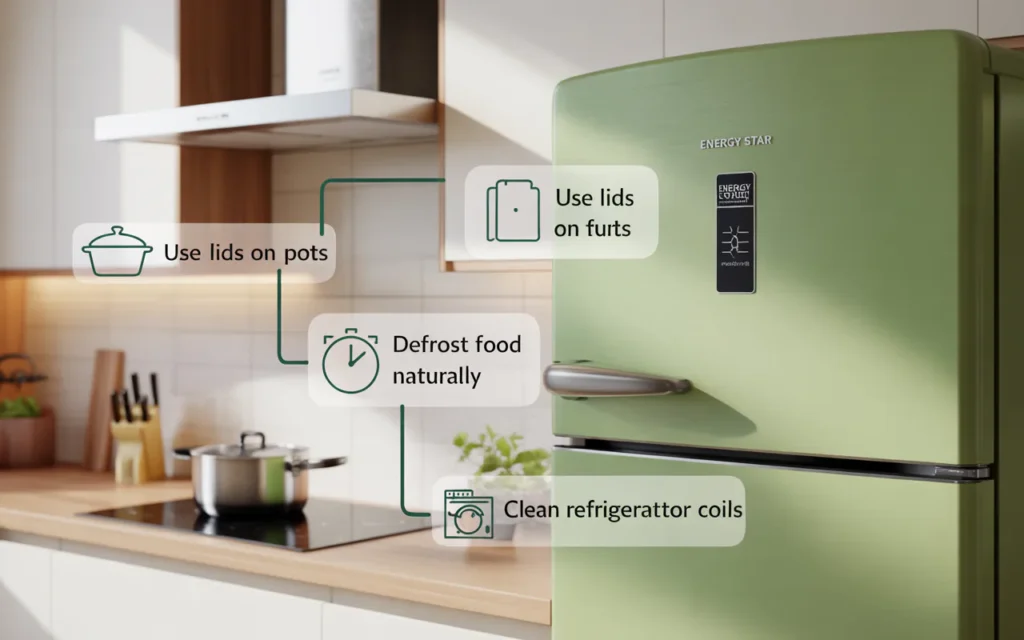
You now have a full set of energy saving smart kitchen tips that work for any home. Start with the free habits. Match pot to burner. Use lids. Turn off heat early. Then look at your appliances. Clean fridge coils. Switch to LED bulbs. Use a toaster oven for small meals. Finally, think about your next purchase. Buy ENERGY STAR models. Consider induction cooktops or a convection microwave.
Remember that you do not need to do everything at once. Pick two or three tips from this article and try them for one week. See the difference on your next electric bill. Then add another tip the following week. Small changes stack up. Over a full year, these habits can save a typical family 100to300 on energy costs.
The kitchen is the heart of the home. It should work for you, not against your budget. With these simple changes, you can cook delicious meals, keep your food fresh, and waste less energy. That is good for your wallet and good for the planet. Start today with just one tip. You will be surprised how easy it is.
Related posts
 Best Under Sink Organizers Kitchen 2026: Practical Storage Solutions
Find the best under sink organizers kitchen in 2026. Compare top-rated pull-out bins, L-shaped racks, and protective mats to maximize your cabinet space. The space under…
 Best Kitchen Cabinet Storage Solutions for 2026
Organize your kitchen efficiently with our Best Kitchen Cabinet Storage Solutions. Compare the best organizers for lids, pans, and spices to maximize your space. A cluttered…
 Top Rated Kitchen Shelf Organizers for 2026
Discover the top rated kitchen shelf organizers for 2026. Compare durable racks, magnetic shelves, and tiered storage to maximize your pantry and counter space. A cluttered…