
Why Do Dogs Look Out the Window? Understanding Canine Curiosity

Dogs look out the window primarily because they are naturally curious and territorial animals. For a dog, the window serves as a live-action television screen that provides essential mental stimulation, allowing them to monitor their environment and track movement, people, or other animals.
In most cases, this behavior is perfectly normal and harmless. However, it can occasionally signal that your dog is bored or, in some instances, experiencing barrier frustration. Understanding the context of your dog’s behavior-whether they are calmly watching or pacing and barking-is the first step in determining if any changes to their routine are needed.
Natural territorial instincts
- Window watching is often a natural way for dogs to satisfy their curiosity.
- Boredom is a primary driver, but it can also be a form of self-entertainment.
- Watch for signs of anxiety or aggression, such as pacing or intense barking.
- Providing alternative enrichment can help if the dog seems stressed by what they see.
| Topic | When it helps | What to keep in mind |
|---|---|---|
| 1 | Dogs with a strong protective drive. | Can lead to excessive alert barking if not managed. |
| 2 | High-energy or intelligent breeds. | Ensure the dog isn’t becoming overstimulated. |
| 3 | Socially motivated dogs. | Avoid letting the dog become fixated on specific neighbors. |
When Window Watching Becomes a Concern
Why Do Dogs Look Out the Window. While watching the world is usually a healthy activity, it can sometimes cross the line into stress. If your dog is unable to look away, reacts aggressively to passersby, or seems unable to settle down after leaving the window, they may be overstimulated.
Barrier frustration occurs when a dog wants to interact with something outside but is physically prevented by the glass. This can lead to redirected aggression or heightened anxiety over time.
If your dog is panting, pacing, or whining while looking out the window, they may be experiencing barrier frustration.
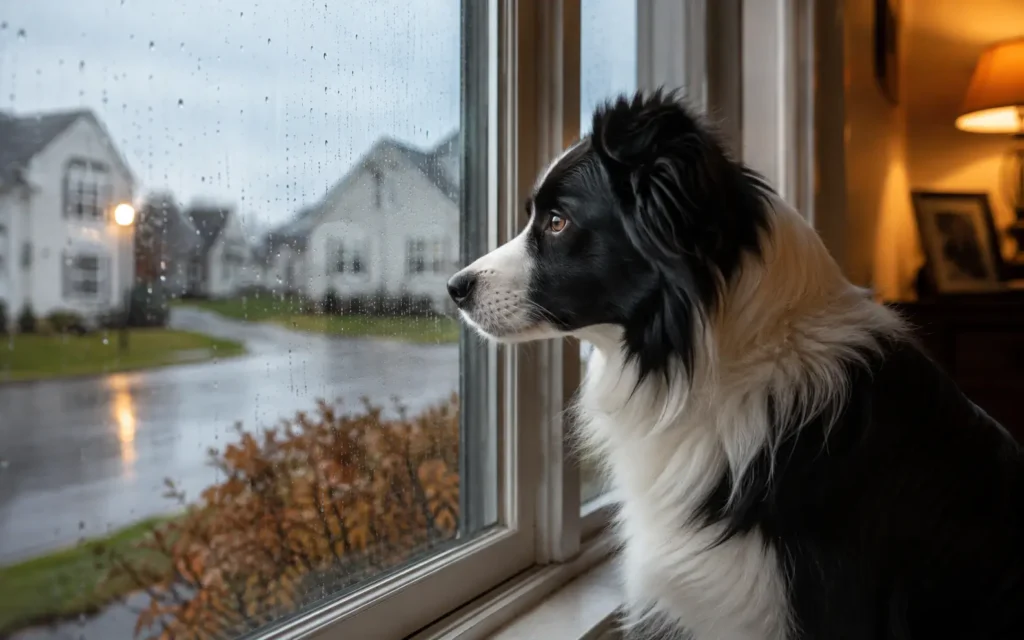
Assuming all window watching is ‘fun’ for the dog; ignore the behavior if it leads to high-stress reactions.
- Excessive, high-pitched barking at everything that moves.
- Pacing back and forth between windows.
- Inability to focus on toys or treats while near the window.
- Signs of physical tension, such as a stiff body or raised hackles.
Creating a Comfortable Viewing Spot
You can improve your dog’s experience by curating their view. If your dog is prone to overstimulation, choose a window that looks out onto a backyard or a quiet garden instead of a high-traffic sidewalk.
Ensure the area is comfortable. A soft bed or a dedicated perch allows the dog to relax while they watch, which encourages a calm state of mind rather than a high-alert one.
Place a comfortable bed or a sturdy bench near a window that offers a view of a quiet area rather than a busy street.
Forcing a dog to look out a window if they seem uncomfortable or fearful.
| Window View Type | Recommended Action |
|---|---|
| Busy Street | Use privacy film to reduce visual triggers. |
| Quiet Garden | Provide a comfortable bed for long-term lounging. |
| High-Traffic Hallway | Limit access if the dog becomes anxious. |
Focus on biological psychological and
1. Territorial Instincts
Dogs are hardwired to protect their space. Watching the window allows them to keep tabs on ‘intruders’ like mail carriers or squirrels.
- Dogs with a strong protective drive.
- Can lead to excessive alert barking if not managed.
- If the barking is constant, consider using opaque window film to limit the view.
- Focus – Security
- Behavior – Alerting
2. Environmental Enrichment
Indoor life can be monotonous. The window provides visual and auditory input that keeps a dog’s brain engaged.
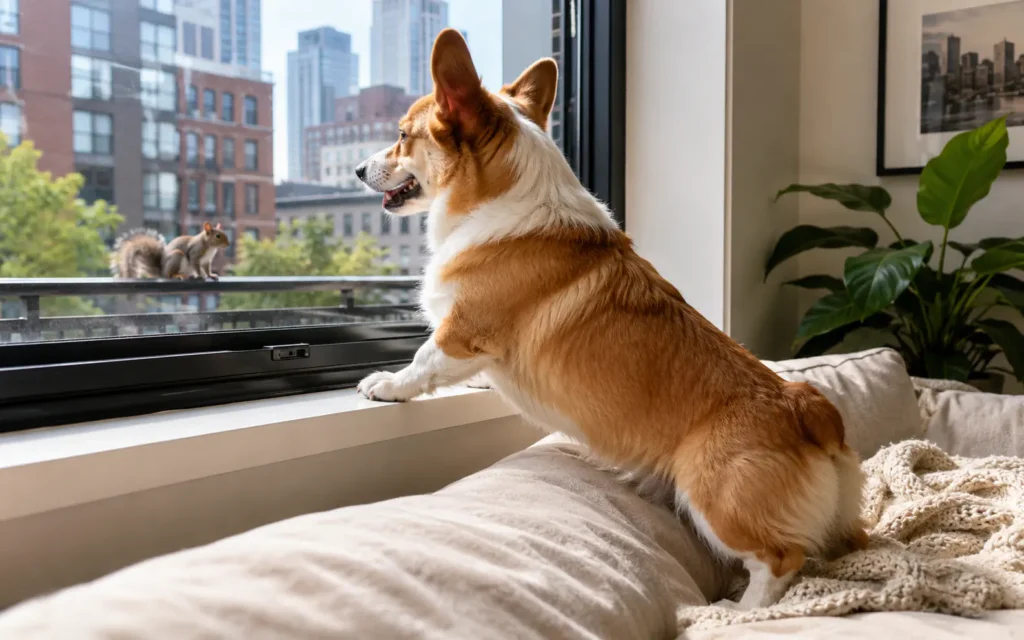
- High-energy or intelligent breeds.
- Ensure the dog isn’t becoming overstimulated.
- Rotate toys or provide puzzle feeders to supplement their mental needs.
- Focus – Stimulation
- Behavior – Observation
3. Social Curiosity
Dogs are social creatures. They enjoy watching the movement of people and other dogs, which mimics the activity they might see in a pack setting.
- Socially motivated dogs.
- Avoid letting the dog become fixated on specific neighbors.
- Take your dog for regular walks to provide real-world social interaction.
- Focus – Social
- Behavior – Tracking
FAQs
Is it bad for my dog to watch out the window all day?
Not necessarily, as long as they are calm and can easily be distracted by other activities. If they seem stressed or obsessive, you should limit their access.
Should I close the curtains if my dog barks at people?
Yes. If your dog is barking at every passerby, closing the curtains or using frosted window film can help reduce their stress and prevent the habit from becoming reinforced.
Can window watching cause anxiety?
Yes, for some dogs, the inability to reach what they see outside can lead to barrier frustration, which manifests as anxiety or aggression.
How can I tell if my dog is bored?
If your dog spends the majority of their day watching the window and shows little interest in play or training, they may be looking for stimulation to combat boredom.
Conclusion
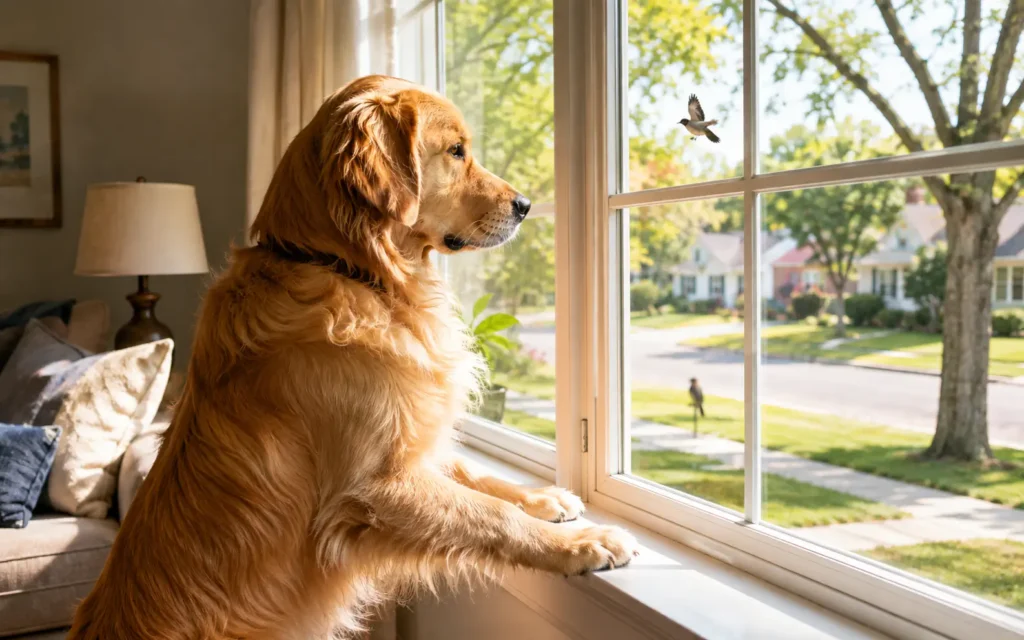
Most dogs look out the window as a natural way to engage with their surroundings and satisfy their curiosity. Whether they are acting as a home sentry or simply passing the time, this behavior is a normal part of canine life.
By monitoring your dog’s body language and ensuring their viewing environment is calm, you can help them enjoy their ‘window TV’ without it becoming a source of stress. If you notice signs of anxiety, try adjusting their access or providing more engaging indoor activities to keep them happy and balanced.
Related posts
 How to Strengthen Weak Nails: A Practical Guide to Daily Care
Learn how to strengthen weak nails with simple daily habits, protective care, and targeted hydration. Restore your natural nail strength today. Weak, peeling, or brittle nails…
 What Sounds Do Cats Dislike? 7 Noises That Stress Your Pet
Discover what sounds do cats dislike and why. Learn how to protect your cat’s sensitive hearing from stressful household noises and high-frequency hums. Cats dislike sounds…
 Restoring Faded Black Clothing: Practical Methods and Reality Checks
Can you restore faded black clothing? Learn the difference between temporary color revival and permanent redyeing, plus how to prevent future fading. You can restore the…