
What Age Do Dogs Calm Down
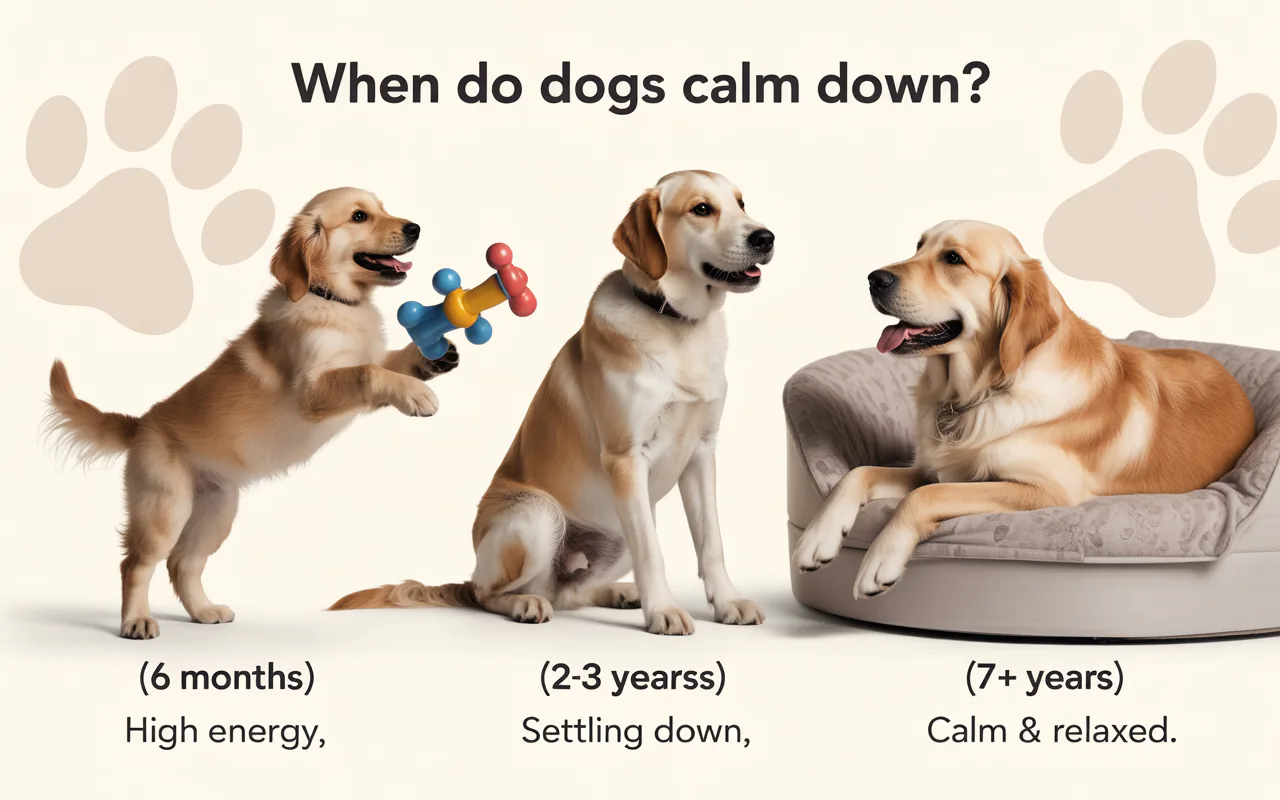
Many new dog owners ask what age do dogs calm down when their puppy seems full of endless energy. Dogs usually begin to settle around 1 to 3 years old, though it depends on breed size, personality, and how much training they get. Patience and consistent routines make a big difference as your dog grows into a calmer companion.
If you share your home with a dog you have likely noticed those bursts of zoomies and playful chaos that seem to last forever. Many people wonder what age do dogs calm down because the high energy in the early years can feel overwhelming at times. The good news is that dogs do mature and their behavior changes in predictable ways as they grow. This guide explains the typical timeline based on what experts observe in dogs of all kinds. You will learn about the stages your dog goes through and what you can do to support a smoother transition to a calmer adult life. Every dog develops at its own pace so the information here helps you set realistic expectations while you enjoy each phase along the way.
Dogs go through clear growth periods that affect their activity levels and ability to focus. In the first few months puppies sleep a lot but when they wake up they explore everything with high curiosity. This early stage sets the foundation for later behavior. Owners who understand these patterns feel more prepared to guide their pets without frustration. The question of what age do dogs calm down comes up often because the shift from puppy to adult feels gradual rather than sudden. With time and the right approach most dogs learn to settle down and enjoy quieter moments with their families.
Early Development Stages in Dogs
Puppies spend their first year learning about the world around them. During this time they test boundaries and burn through energy at a fast rate. Their bodies grow quickly and their minds absorb new experiences every day. Short training sessions work best because attention spans remain limited. Many owners see a slight decrease in frantic play after six months but the real changes appear later. Consistent daily routines help puppies feel secure and reduce some of the wild behavior that comes with youth.
As the months pass puppies enter a phase where they look more like adults yet still act like big kids. They may chew furniture or jump on guests with the same enthusiasm they showed as tiny pups. This period tests patience for everyone involved. Simple commands such as sit and stay become easier to practice once the dog starts to link actions with rewards. Physical exercise plays a key role here because a tired dog rests more readily. Mental games like puzzle toys also tire the brain and promote calmer periods inside the house.
Adolescent Challenges and Energy Peaks
The teenage months bring a second wave of high activity for most dogs. Hormones drive some of this restlessness and the dog may seem to forget previously learned rules. Owners often report increased pulling on the leash or sudden barking at new sights. This stage feels similar to human adolescence where independence clashes with the need for guidance. Regular walks and play dates with other dogs provide healthy outlets for that extra spark. Patience during this time pays off because the dog is still forming lifelong habits.
Many families ask what age do dogs calm down during these lively months because the energy can seem endless. The truth is that the body continues to develop while the mind catches up. Large breed dogs may stay in this active phase longer than smaller ones. Neutering or spaying can influence some behaviors but the main driver remains overall maturity. Good socialization early on helps the dog handle new situations with less excitement as it grows. Each day of positive reinforcement builds toward the calmer adult phase that lies ahead.
When Adulthood Brings Calmness Onset
Most dogs reach a noticeable turning point between one and three years of age. This is when what age do dogs calm down starts to make sense for many owners. The frantic puppy energy gives way to more measured actions and better impulse control. Dogs begin to choose rest over constant play in many cases. They listen more readily during walks and settle on their beds without constant reminders. The exact timing varies yet the pattern holds across different breeds and backgrounds.
By the time a dog hits two years old many owners notice a welcome change in daily life. The dog still enjoys play but it no longer feels like a nonstop requirement. Sleep patterns become more predictable and the dog finds comfort in familiar routines. This shift allows families to relax more during evenings because the pet no longer demands constant attention. Training sessions become more productive because focus improves naturally. The adult phase opens the door to deeper bonds because the dog responds with steady affection instead of wild bursts.

“Most dogs reach a point of better self control around two to three years.” – Dr. Michael Reed, Veterinarian
Variations by Breed and Size
Breed and body size play a large part in the timeline for calmness. Smaller dogs often mature faster and show calmer traits sooner than their bigger relatives. Giant breeds take longer to fill out both physically and mentally so their high energy phase stretches further. These differences come from the way genetics influence growth rates across the dog population. Owners who research their specific breed gain a clearer picture of what to expect in the coming years.
Here is a short table that shows typical calming ages by size category:
| Breed Size | Starts Calming Down |
|---|---|
| Small breeds | 10-18 months |
| Medium breeds | 12-24 months |
| Large breeds | 18-36 months |
| Giant breeds | 24-48 months |
This table offers a general guide only because individual dogs may differ. A small terrier might stay playful longer than average while a large retriever could settle early with strong training. The key is to observe your own dog and adjust expectations accordingly. Size alone does not determine personality but it does affect the pace of development in most cases.
“Small breeds tend to mature faster than their larger counterparts.” – Sarah Lopez, Dog Behavior Specialist
Factors That Influence How Soon Dogs Calm Down
Several elements work together to shape when a dog begins to relax more. Daily exercise ranks high on the list because physical activity burns excess energy and promotes better sleep. Mental stimulation through training or interactive toys keeps the mind engaged without over excitement. A stable home environment with clear rules also helps the dog feel safe enough to rest. Health issues such as joint pain or allergies can keep a dog restless so regular vet checks matter.
Diet plays a supporting role by providing steady energy without spikes that lead to hyperactivity. Some owners add calming supplements after speaking with their veterinarian but food alone rarely solves the full picture. Social interactions with people and other dogs teach boundaries and reduce anxiety driven behaviors. The combination of all these factors creates the conditions for natural maturity to show itself. Consistent effort from the owner speeds the process without forcing it.
Here is another short table that lists common factors and their effects:
| Factor | Effect on Calming Timeline |
|---|---|
| Regular exercise | Speeds up settling |
| Consistent training | Improves focus sooner |
| Stable routine | Reduces anxiety |
| Proper nutrition | Supports steady energy |
These elements work best when used together over months rather than weeks. Owners who build strong habits early see the benefits appear more clearly as the dog ages.
Recognizing the Signs Your Dog Is Calming Down
Owners often look for clear signals that their dog has entered the calmer adult stage. One common sign appears when the dog chooses to lie down on its own without repeated commands. Another appears during walks when pulling decreases and the dog matches the owner’s pace more naturally. Chewing on household items drops off as the dog finds other ways to occupy itself. These changes happen gradually so tracking them over several months gives the best view of progress.
Improved focus during training sessions also points to growing maturity. The dog holds eye contact longer and responds to cues with less distraction from nearby sights or sounds. Rest periods lengthen and the dog seems content to watch family activities instead of joining every movement. Play still happens but it ends when the dog decides rather than continuing until exhaustion. These patterns reassure owners that the high energy puppy days are fading into the past.
Practical Tips to Support Your Dog Through the Transition
Daily walks of appropriate length help release built up energy without over stimulating the dog. Short training refreshers reinforce good manners and build confidence at the same time. Puzzle feeders turn mealtime into a gentle brain workout that tires the mind in a positive way. A quiet corner with a comfortable bed gives the dog a place to retreat when the house feels busy. These small steps add up to noticeable improvements over time.

“Consistent exercise and mental stimulation can speed up the calming process.” – Dr. Emily Patel, Canine Expert
Creating a predictable schedule for meals, walks, and bedtime helps the dog anticipate quiet times and prepare for rest. Positive reinforcement for calm behavior encourages the dog to repeat those actions willingly. Avoid punishing energetic moments because that approach can increase anxiety and delay progress. Instead redirect the dog to an appropriate activity and reward the desired result. Over months these practices shape a more balanced companion who enjoys both activity and downtime.
Common Myths About Dog Maturity and Calmness
Some people believe that all dogs magically settle at exactly two years old regardless of other factors. In reality the timeline shifts based on many variables so rigid expectations lead to disappointment. Another myth suggests that high energy breeds never calm down at all. While some breeds stay more active than others they still develop better self control with age and guidance. Understanding the facts helps owners approach the process with realistic hopes.
A third myth claims that neutering alone solves all restlessness issues. While it can reduce certain behaviors it does not replace the need for training and exercise. Owners who separate facts from fiction make better decisions for their pets and enjoy the journey more fully. The truth is that every dog has its own story and the calming process reflects that uniqueness.
What Age Do Dogs Calm Down for Senior Pets
As dogs move into their later years they may slow down even more due to natural aging. Joint comfort becomes important so softer bedding and shorter walks support their well being. Mental sharpness can vary and some older dogs need extra patience with commands they once knew well. Regular vet visits catch any health changes early and keep the dog comfortable. The calm adult phase continues into senior life with adjustments that match the dog’s changing body.
Many owners notice their senior dogs prefer gentle play and long naps over the wild antics of youth. This stage brings its own rewards because the bond feels deeper after years of shared experiences. Simple enrichment like soft toys or slow scent games keeps the mind active without strain. Love and care during these years reward the patience shown through all earlier stages.
Frequently Asked Questions
People often search for clear answers when they first bring a puppy home. One common question is what age do dogs calm down in general terms. The response usually points to the one to three year range with variations by size and care. Another frequent inquiry concerns whether training can make the process happen faster. Yes consistent positive methods do help the dog learn calm behaviors earlier than it might otherwise.
Some owners ask if certain breeds stay energetic forever. While working breeds may keep higher drive they still gain better control with maturity and structure. Questions about the role of diet and supplements come up often too. A balanced diet supports overall health but works best alongside exercise and routine. These answers help new and experienced owners alike feel more confident in their approach.
Another popular question centers on how to tell if a dog is simply energetic or has an underlying issue. If the dog cannot settle even after long exercise or shows sudden changes a vet visit is wise. Most cases resolve with time and support but professional advice ensures nothing else is at play. The more owners learn the better they can meet their dog’s needs at every stage.

Conclusion
Dogs bring joy through every phase of life and the transition to a calmer adult brings special rewards. Knowing what age do dogs calm down helps set realistic expectations and reduces stress for the whole family. The process unfolds gradually with support from good care and steady routines. Owners who invest time in training and exercise see their pets become reliable companions who enjoy peaceful moments as much as play. Each dog writes its own story yet the general patterns offer helpful guidance along the way.
Patience remains the most valuable tool through the energetic years. The dog that once raced around the house eventually curls up contentedly at your feet. This shift allows stronger bonds and more relaxed shared activities. Celebrate the small improvements because they add up to the calm companion you hoped for. With the right information and consistent effort most dogs reach that balanced stage and enrich daily life for years to come. Your dedication makes all the difference in helping your dog grow into its best self.
Related posts
 Buy Dog Toys Online: Top 2026 Picks for Every Play Style
Looking to buy dog toys online? Explore our 2026 guide to the best durable chews, interactive balls, and plush favorites to keep your pup happy and…
 Buy Dog Food Online: Top 2026 Selections for Every Breed
Looking to buy dog food online? Explore our top 2026 recommendations for dry and wet formulas tailored to different breed sizes, sensitivities, and nutritional needs. Choosing…
 Buy a Dog Harness Online in 2026
Looking to buy a dog harness online? Explore our 2026 guide to finding the right fit, style, and control features for your dog's daily walks. Finding…