
What Vitamins Do Dogs Need Daily for Optimal Health?
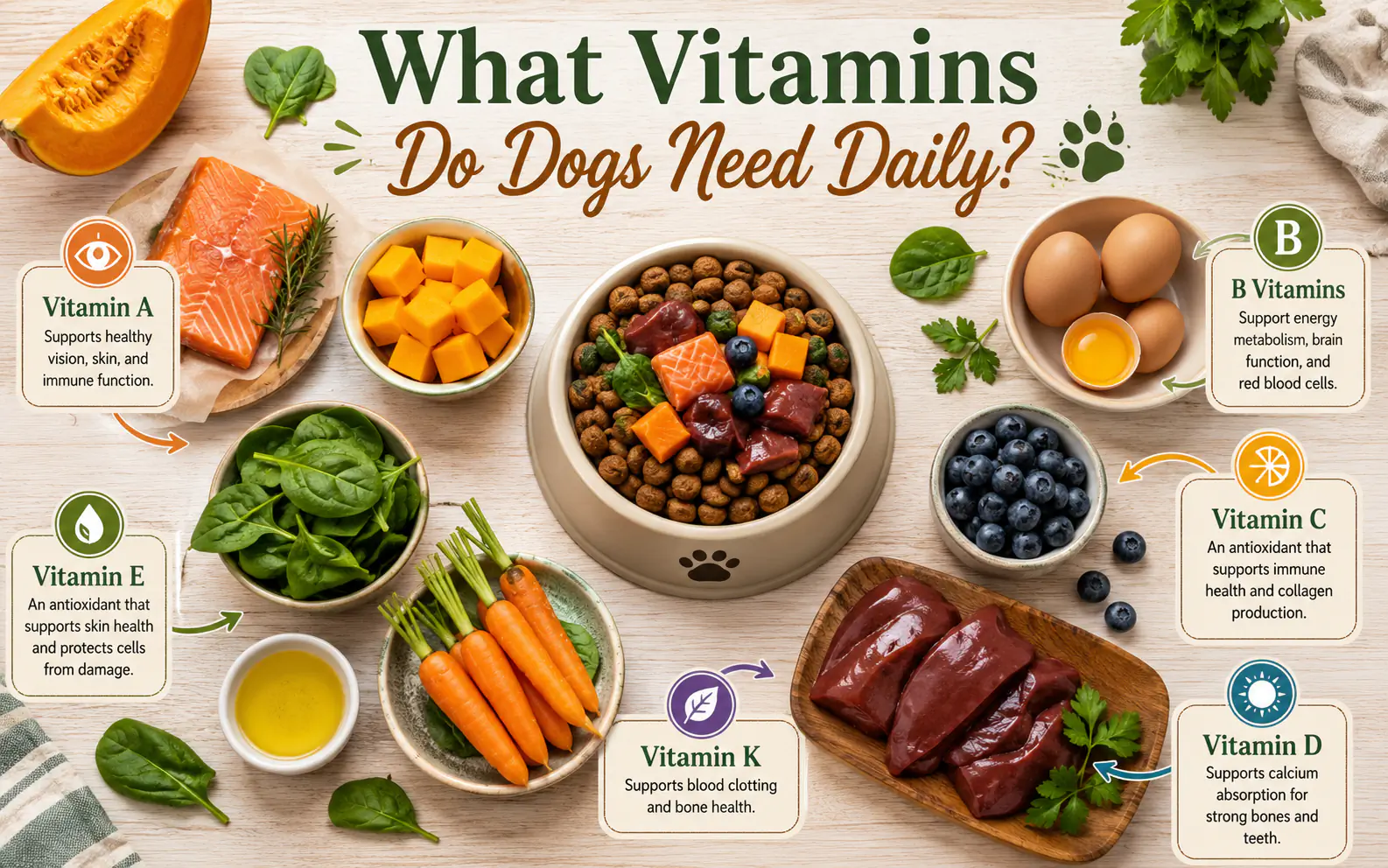
Ensuring your dog receives the right vitamins daily is fundamental to their overall health, energy levels, and longevity. While a high-quality, commercially formulated dog food is designed to provide a complete and balanced nutritional profile, understanding the essential vitamins your canine companion needs can help you make informed decisions about their diet and well-being.
Dogs require a spectrum of vitamins, broadly divided into fat-soluble and water-soluble categories, each playing a critical role in bodily functions from vision and bone health to immune response and energy metabolism. The primary goal for any dog owner is to provide a diet that naturally meets these needs, as over-supplementation can sometimes be more harmful than beneficial.
Quick plan
- A balanced, high-quality commercial dog food typically provides all necessary daily vitamins.
- Vitamins are categorized as fat-soluble (A, D, E, K) or water-soluble (B complex, C).
- Excess fat-soluble vitamins can build up and become toxic, while excess water-soluble vitamins are usually excreted.
- Observe your dog for signs of good health, which often reflect proper nutrition.
- Always consult your veterinarian before adding any supplements to your dog’s diet.
| Topic | When it helps | What to keep in mind |
|---|---|---|
| Vitamin A | Maintaining healthy eyesight and skin. | Excess can lead to bone problems and toxicity. |
| B Vitamins | Energy production and nervous system support. | Deficiencies are rare in dogs fed balanced diets but can affect energy and neurological function. |
| Vitamin C | Immune support and antioxidant protection. | While generally safe, excessive amounts are usually excreted. |
| Vitamin D | Bone health and calcium regulation. | Over-supplementation is dangerous and can lead to calcium deposits in soft tissues and kidney damage. |
| Vitamin E | Cell protection and skin/coat health. | High doses can interfere with blood clotting. |
| Vitamin K | Proper blood coagulation. | Deficiencies are uncommon but can lead to excessive bleeding. |
The article should cover the
Vitamin A (Retinol)
Crucial for vision, immune function, skin and coat health, and cell growth. It’s found in liver, fish oil, and some vegetables.
- Maintaining healthy eyesight and skin.
- Excess can lead to bone problems and toxicity.
- Look for ingredients like liver or fish oil in high-quality dog food.
B Vitamins (Thiamine, Riboflavin, Niacin, Pantothenic Acid, B6, Biotin, B12, Folic Acid)
A group of vitamins essential for energy metabolism, nerve function, red blood cell formation, and overall cellular health. They are abundant in meat, grains, and dairy.
- Energy production and nervous system support.
- Deficiencies are rare in dogs fed balanced diets but can affect energy and neurological function.
- Ensure your dog’s food contains a variety of protein sources.
Vitamin C (Ascorbic Acid)
Acts as an antioxidant, supports immune function, and aids in collagen production for healthy joints and skin. Dogs typically synthesize their own Vitamin C.
- Immune support and antioxidant protection.
- While generally safe, excessive amounts are usually excreted.
- Focus on a diet rich in antioxidants from whole foods if recommended by your vet.
Vitamin D (Calciferol)
Essential for calcium and phosphorus absorption, which is vital for strong bones and teeth. Found in fish oils and fortified foods.

- Bone health and calcium regulation.
- Over-supplementation is dangerous and can lead to calcium deposits in soft tissues and kidney damage.
- Ensure the dog food is fortified with Vitamin D, but avoid additional sources without vet guidance.
Vitamin E (Tocopherol)
A powerful antioxidant that protects cells from damage, supports immune function, and promotes healthy skin and coat. Found in vegetable oils, nuts, and seeds.
- Cell protection and skin/coat health.
- High doses can interfere with blood clotting.
- Look for foods containing natural sources of Vitamin E.
Vitamin K
Critical for blood clotting and bone metabolism. Primarily synthesized by gut bacteria, but also found in leafy green vegetables and liver.
- Proper blood coagulation.
- Deficiencies are uncommon but can lead to excessive bleeding.
- A healthy digestive system usually ensures adequate Vitamin K production.
Essential Vitamins for Your Dog’s Daily Needs
Dogs, like humans, need a variety of vitamins to maintain optimal health. These micronutrients are essential for numerous bodily functions, from energy production and immune defense to cell repair and growth.
The vitamins dogs need are generally categorized into two groups: fat-soluble and water-soluble. Each group has distinct properties regarding absorption, storage in the body, and potential for toxicity.
A dog with a dull coat and dry skin might be experiencing a deficiency in Vitamin A or E, highlighting the visible impact of these nutrients.
Assuming all vitamins are equally important or that more is always better.
Fat-Soluble vs. Water-Soluble Vitamins: What’s the Difference?
Understanding the difference between fat-soluble and water-soluble vitamins is crucial for managing your dog’s nutrition. Fat-soluble vitamins (A, D, E, and K) are absorbed along with dietary fats and can be stored in the body’s fatty tissues and liver.
Water-soluble vitamins, primarily the B complex vitamins and Vitamin C, are not stored in the body to a significant extent. They are absorbed directly into the bloodstream and any excess is typically excreted in the urine.
If a dog consumes too much Vitamin D (fat-soluble), it can build up in their system and cause health issues, whereas excess Vitamin C (water-soluble) is typically flushed out.
Treating all vitamin supplements the same; fat-soluble vitamins require more caution due to their storage potential.
| Vitamin Type | Absorption | Storage | Risk of Toxicity |
|---|---|---|---|
| Fat-Soluble (A, D, E, K). | Absorbed with dietary fats. | Stored in body fat and liver. | Higher risk with excessive intake. |
| Water-Soluble (B Complex, C). | Absorbed directly into bloodstream. | Not significantly stored; excess excreted. | Lower risk; excess usually flushed out. |
Meeting Your Dog’s Vitamin Needs Through Diet
The most reliable way to ensure your dog receives all the necessary vitamins daily is through a high-quality, commercially prepared dog food. Reputable brands formulate their products to meet the nutritional standards set by organizations like AAFCO, ensuring a complete and balanced diet for different life stages (puppy, adult, senior) and sizes.
Look for foods that list specific vitamin sources in their ingredient list, but more importantly, check for a statement on the packaging confirming it meets AAFCO nutritional profiles for your dog’s life stage. This designation means the food has undergone testing or is formulated to provide the essential nutrients, including vitamins, in appropriate amounts.
While whole foods can be a healthy addition, they should complement, not replace, a balanced dog food. For instance, small amounts of cooked lean meats, certain cooked vegetables, or fruits can offer additional nutrients, but it’s crucial to know which human foods are safe and beneficial for dogs and to avoid overfeeding.
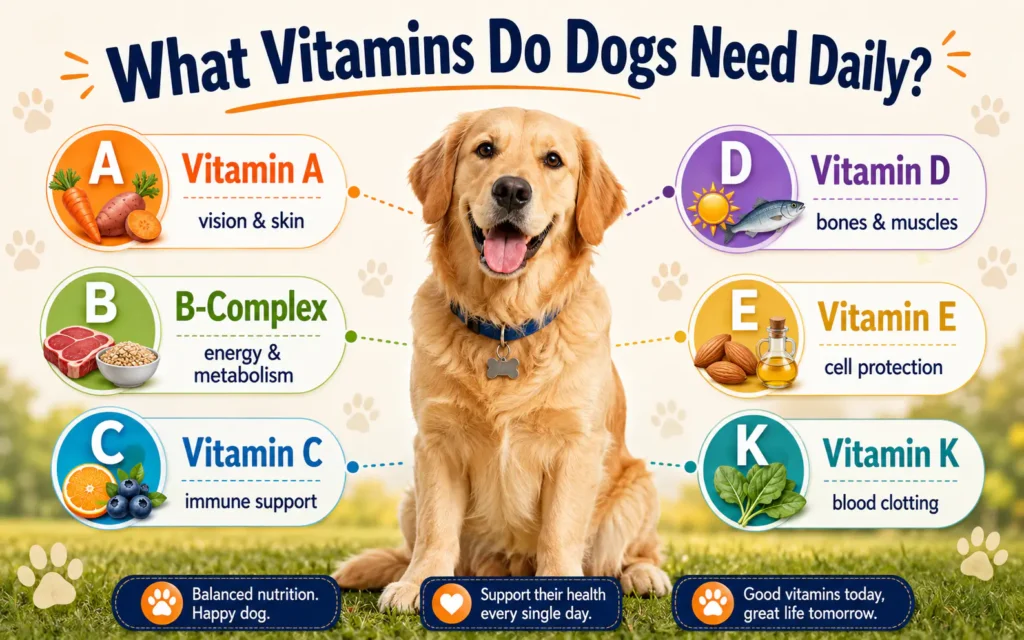
Choosing a dog food labeled ‘complete and balanced’ by AAFCO (Association of American Feed Control Officials) is a good starting point, as it indicates the food meets established nutritional standards.
Relying solely on treats or table scraps to supplement a dog’s diet, as these are often unbalanced.
- Opt for ‘complete and balanced’ dog food formulas.
- Check for AAFCO statements on packaging.
- Vary protein sources in their diet (e.g., chicken, beef, fish).
- Include safe fruits and vegetables as occasional healthy treats.
When Might Supplements Be Necessary?
For most healthy dogs eating a high-quality, AAFCO-approved diet, additional vitamin supplements are unnecessary and can even be harmful. The ‘daily’ requirement is typically met by their regular food.
However, there are specific situations where a veterinarian might recommend supplements. This can include dogs with certain medical conditions (like kidney disease or malabsorption disorders), senior dogs with changing nutritional needs, or dogs on specialized prescription diets.
If you suspect your dog might need a supplement, the absolute first step is to consult your veterinarian. They can assess your dog’s individual health, diet, and lifestyle to determine if a deficiency exists and recommend a safe, appropriate supplement and dosage.
A dog with a diagnosed malabsorption issue or a specific dietary restriction due to a medical condition might require targeted vitamin supplementation, as determined by a veterinarian.
Giving your dog over-the-counter human vitamins or generic pet supplements without consulting a vet, as this can lead to imbalances or toxicity.
- Supplements are generally not needed for dogs on balanced diets.
- Medical conditions may necessitate veterinary-recommended supplements.
- Senior dogs or puppies might have unique needs.
- Always consult your vet before giving any supplements.
FAQs
Can I give my dog human vitamins?
It is generally not recommended to give dogs human vitamins. Their nutritional needs differ significantly from humans, and human vitamins may contain ingredients that are toxic to dogs or are in incorrect dosages, potentially leading to health problems.
What are the signs of vitamin deficiency in dogs?
Signs can vary widely depending on the specific vitamin. General signs might include a dull coat, skin issues, lethargy, poor appetite, digestive upset, or neurological problems.
How much Vitamin D do dogs need daily?
Dogs require Vitamin D for calcium absorption and bone health. While essential, they need much less than humans.
Are B vitamins important for dogs?
Yes, B vitamins are crucial for energy metabolism, nerve function, and red blood cell production. They are water-soluble and generally abundant in a balanced dog food, making deficiencies rare in well-fed dogs.
What is the ‘7-7-7 rule’ for dogs?
The ‘7-7-7 rule’ is a guideline for introducing new experiences to puppies, not directly related to vitamin needs. It suggests exposing them to 7 new sights, 7 new sounds, and 7 new surfaces before 7 weeks of age to promote socialization and.

Conclusion
Providing your dog with the right vitamins daily is a cornerstone of their health, supporting everything from their immune system to their energy levels. The most effective and safest approach is to ensure they are fed a high-quality, AAFCO-approved commercial dog food, which is formulated to meet these essential nutritional requirements.
While understanding the roles of various vitamins is beneficial, always remember that a balanced diet is the primary goal. If you have any concerns about your dog’s nutrition, suspect a deficiency, or are considering supplements, your veterinarian is the best resource to guide you toward the safest and most effective path for your canine companion’s.
Related posts
 How to Strengthen Weak Nails: A Practical Guide to Daily Care
Learn how to strengthen weak nails with simple daily habits, protective care, and targeted hydration. Restore your natural nail strength today. Weak, peeling, or brittle nails…
 What Sounds Do Cats Dislike? 7 Noises That Stress Your Pet
Discover what sounds do cats dislike and why. Learn how to protect your cat’s sensitive hearing from stressful household noises and high-frequency hums. Cats dislike sounds…
 Restoring Faded Black Clothing: Practical Methods and Reality Checks
Can you restore faded black clothing? Learn the difference between temporary color revival and permanent redyeing, plus how to prevent future fading. You can restore the…