
What Is The Best Way To Clean Dishes
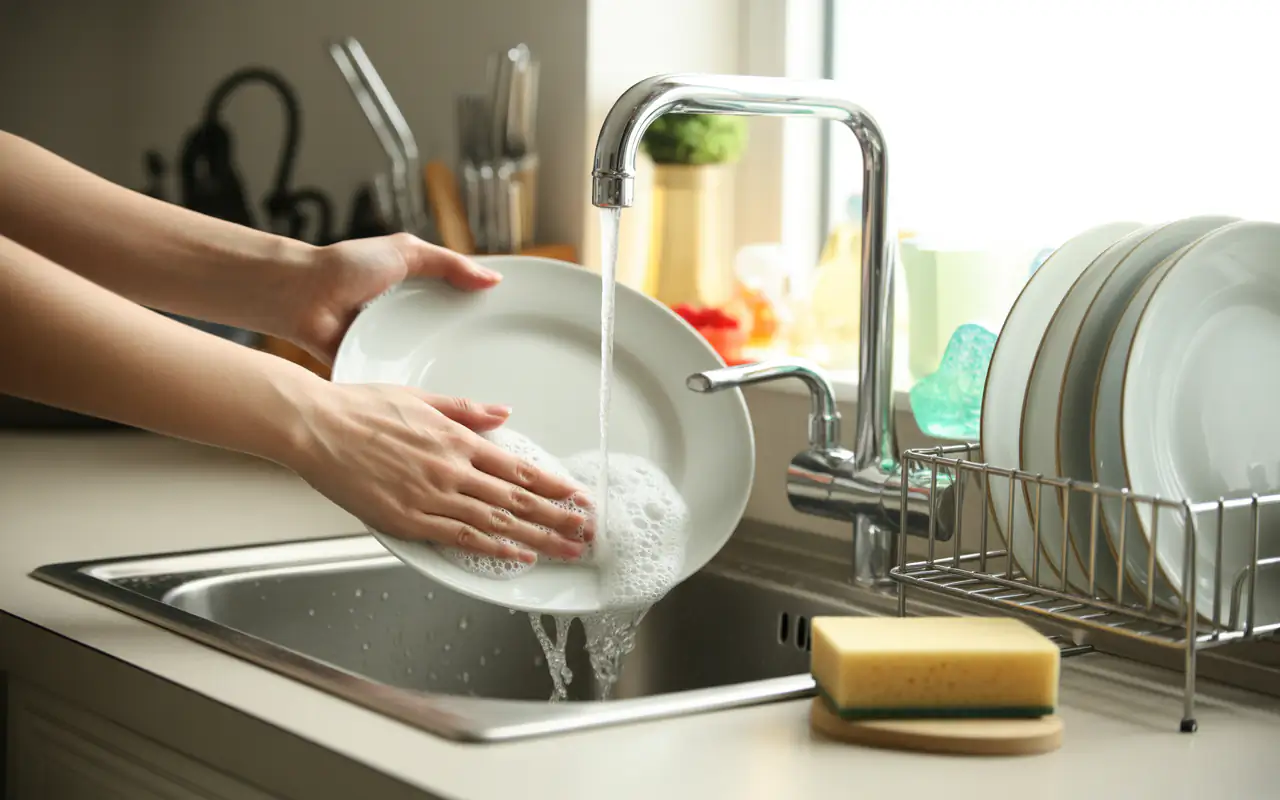
Looking for the best way to clean dishes? Start with hot soapy water, scrub each item well, then air dry or use a clean towel. This simple routine removes grease and germs fast.
We all do it every single day. After a nice meal, the pile of plates, cups, and forks sits there waiting. You might think cleaning dishes is simple. Just add soap and water, right? But there is a real skill to getting dishes truly clean. The best way to clean dishes is not just about making them look clean. It is about removing all the food bits, killing germs, and keeping your family safe.
I have washed thousands of dishes over the years. I have made mistakes too. I used cold water. I kept sponges too long. I let dishes air dry on a dirty rack. Over time, I learned what works and what does not. In this guide, I will share the simple steps that give you sparkling clean dishes every time. No fancy tools. No complicated rules. Just honest advice from someone who cares about clean dishes.
Let me start by saying this. The best way to clean dishes depends on whether you wash by hand or use a dishwasher. Both methods work. But each has its own steps. I will cover both so you can pick what fits your life.
Why Cleaning Dishes the Right Way Matters
You might ask, why does it matter how I clean my dishes? Dirty dishes hold more than leftover spaghetti sauce. They hold bacteria like E. coli and salmonella. These germs can make you very sick. When you only rinse quickly or skip scrubbing, those germs stay behind. Then they move to your next meal.
Also, food residue attracts bugs. Ants and roaches love leftover grease. A clean kitchen starts with clean dishes. Plus, dishes that are not cleaned well can get a bad smell. That sour smell comes from bacteria growing on the surface.
Another reason is saving money. When you scrub too hard or use rough materials, you scratch your plates and pots. Scratches hold more bacteria. They also make your dishes look old and worn. The best way to clean dishes protects your investment. Good dishes cost money. You want them to last.
Health and Hygiene
Your health comes first. Studies show that improper dish cleaning is a top cause of food poisoning at home. Think about a cutting board that held raw chicken. If you do not clean that board the right way, germs spread to everything else. The best way to clean dishes includes steps that kill harmful germs. Hot water and proper drying are key.
Saving Time and Time Again
Have you ever had to rewash a dish because you saw a dried piece of food? That wastes time and water. Doing the job correctly once saves you from doing it twice. I have learned this lesson many times. When I rush, I pay for it later. Slow down a little. Do each step right. Your future self will thank you.
“Clean dishes are not just about appearances. They are the first line of defense against illness in your kitchen.” – Dr. Lisa Freeman, food safety researcher
Common Dish Cleaning Mistakes (And How to Fix Them)
Many people think they know how to wash dishes. But small mistakes add up. Here is a quick table of common errors and the simple fix for each.
| Common Mistake | Why It Is a Problem | The Easy Fix |
|---|---|---|
| Using cold water | Cold water does not remove grease or kill germs well | Always use the hottest water your hands can handle |
| Leaving dishes to soak for hours | Bacteria can grow in the warm, dirty water | Soak for 10 minutes max, then wash |
| Using the same sponge for weeks | Sponges hold millions of bacteria | Change your sponge every week |
| Not drying dishes properly | Wet dishes grow mold and bacteria | Air dry on a clean rack or use a fresh towel |
| Skipping the scrub step | Soap alone does not remove stuck food | Scrub every surface with a brush or sponge |
You see, small changes make a big difference. The best way to clean dishes avoids these mistakes completely. Once you know them, you can fix them right away.
Step by Step: The Best Way to Clean Dishes by Hand
Washing dishes by hand is common in many homes. Maybe you do not have a dishwasher. Or maybe you prefer hand washing for your favorite pots and pans. Either way, follow these steps. This is the best way to clean dishes without a machine.
Step 1: Scrape Off Leftover Food
Before you add any water, scrape your plates. Use a rubber spatula or a paper towel. Get all the big pieces into the trash or compost bin. Do not rinse food down the sink. It can clog your pipes. Also, food bits in the water make the washing water dirty fast. Scrape well. This first step is easy but very important.
Step 2: Use Hot Water and Good Soap
Fill your sink with hot water. As hot as you can stand. Add a good quality dish soap. Look for one that cuts grease. Do not use too much soap. A small squeeze is enough. Too much soap leaves a residue that is hard to rinse. Swish the water to make bubbles. Now you have a soapy bath ready.
The best way to clean dishes always starts with hot, soapy water. The heat melts grease. The soap lifts food away from the surface. Together, they do the hard work for you.
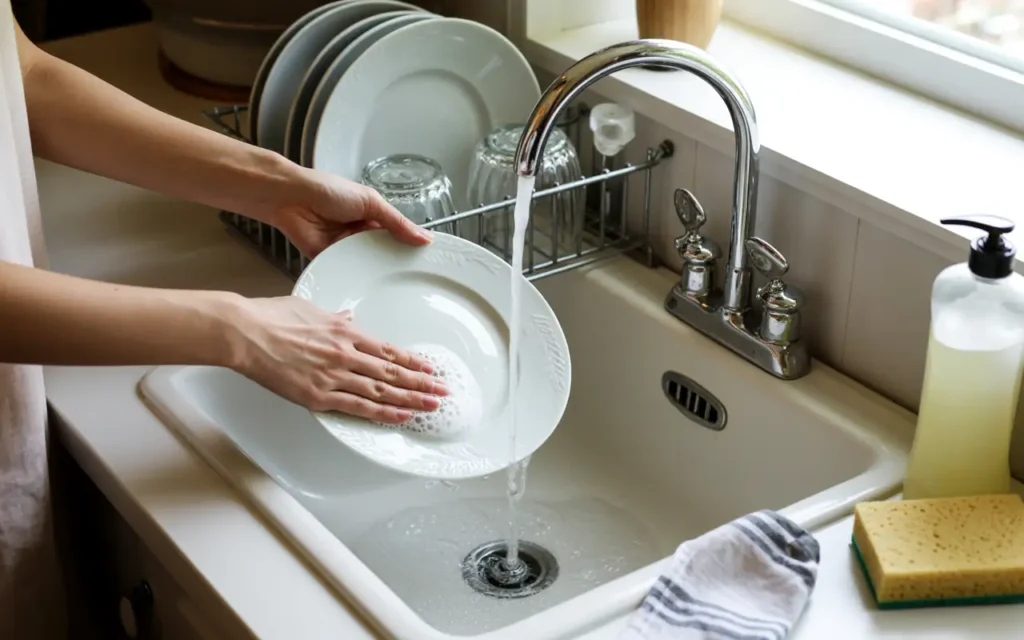
Step 3: Scrub in Order
Do not just throw everything into the sink. Wash in a specific order. Start with the cleanest items first. That means glasses and cups. Then move to plates and bowls. Next, do utensils. Finally, wash pots, pans, and greasy dishes. This order keeps your water cleaner for longer. If you wash a greasy pan first, the grease spreads to everything else.
Use a sponge or a scrub brush. Get into every corner. For cups, scrub inside and out. For forks, get between the prongs. For pots, pay extra attention to the bottom where food sticks. Scrubbing is not hard. But you must be thorough.
“Most people rush the scrub step. A good scrub for 20 seconds per item removes over 99 percent of bacteria.” – Chef Marcus Taylor
Step 4: Rinse with Clean Hot Water
After scrubbing, rinse each item under running hot water. Do not put rinsed dishes back into the dirty soapy water. That would just recontaminate them. Rinse until the water runs clear and you see no soap bubbles. Soap residue can change the taste of your food. It can also upset your stomach.
For extra safety, you can do a final rinse with very hot water. Some people keep a pot of boiling water for this. Pour it over the rinsed dishes. The heat kills any remaining germs. This is a great extra step if someone in your home is sick or has a weak immune system.
Step 5: Dry Properly
Drying is often the forgotten step. People let dishes sit in a rack and think that is fine. But air drying works only if your rack is clean and you have good airflow. A dirty rack grows mold. Then your clean dishes touch that mold.
The best way to clean dishes includes proper drying. You have two good options. First, use a clean, dry dish towel. Dry each item right after rinsing. Make sure the towel is washed often. Second, use a clean dish rack that drains into the sink. Place dishes so water runs off. Do not stack wet dishes inside each other. They will not dry well.
I prefer using a towel for glasses and stainless steel. It prevents water spots. For plates and bowls, a rack works fine.
What About Dishwashers? The Best Way for Machine Cleaning
Dishwashers save time and use less water than hand washing. But you still need to do things correctly. The best way to clean dishes in a dishwasher starts before you close the door.
Loading Tips
Do not rinse your dishes before putting them in the dishwasher. Scrape off big food pieces, but leave the rest. Modern dishwashers have sensors that detect how dirty the water is. If you prerinse, the sensors think the dishes are clean. Then the machine uses less water and less heat. Your dishes come out not fully clean.
Place items facing the sprayer arms. Bowls and cups go upside down. Plates go in the slots facing the center. Put utensils in the basket with some handles up and some handles down. This stops them from nesting together. Do not overload. Water needs to reach every surface.
Detergent and Rinse Aid
Use the right amount of dishwasher detergent. Too much leaves a film. Too little does not clean well. Follow the package instructions. Also use a rinse aid. This helps water sheet off dishes so they dry without spots. It makes a big difference for glassware.
Run the hot water in your kitchen sink before starting the dishwasher. This ensures the machine gets hot water right away. Cold water at the start means a weaker clean.
Here is a quick comparison of hand washing versus using a dishwasher.
| Feature | Hand Washing | Dishwasher |
|---|---|---|
| Water use | Up to 27 gallons per load | As little as 3 gallons per load |
| Time active | 15 to 30 minutes of your time | 2 minutes to load, machine does the rest |
| Heat level | Limited by your hand tolerance | Very hot (140°F or more) |
| Best for | Large pots, delicate glass, nonstick pans | Everyday plates, cups, utensils |
| Drying | Towel or rack | Heated drying or air dry |
Both methods can achieve clean dishes. The choice depends on your lifestyle and what you are washing.
“A dishwasher uses less water than hand washing, but only if you run full loads. Half loads waste both water and energy.” – Emma Green, home efficiency expert
Common Questions About Dish Cleaning
I hear many questions from friends and family about cleaning dishes. Let me answer a few of the most common ones.
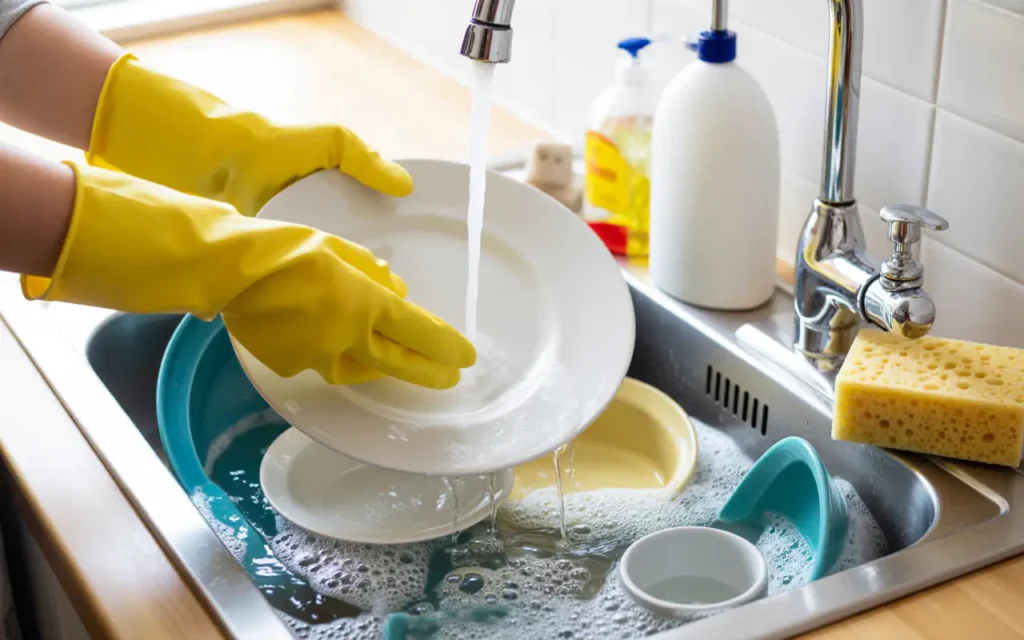
Do You Need a Sanitizer?
For most homes, hot water and good soap are enough. You do not need a special sanitizing spray or tablet. However, if someone in your home is sick or has a weak immune system, you can use a sanitizing step. Mix one tablespoon of unscented bleach with one gallon of cool water. Soak dishes for two minutes. Then let them air dry. Do not rinse after the bleach soak. The bleach breaks down as it dries.
How Often to Change Sponges?
Change your sponge every week. Yes, every seven days. Sponges are bacteria magnets. They stay damp and warm. That is perfect for germ growth. You can microwave a wet sponge for one minute to kill germs. But even with that, replace it weekly. Better yet, use a dish brush with nylon bristles. Brushes dry faster and hold fewer bacteria.
Can I use vinegar to clean dishes?
Vinegar is good for removing hard water spots. But it is not a good cleaner for grease or food. Use vinegar as a rinse aid in your dishwasher. Put a cup of white vinegar on the top rack. Do not mix vinegar with bleach. That creates a dangerous gas.
Is it safe to use bar soap on dishes?
No. Bar soap is not made for dishes. It leaves a residue that can make you sick. Always use liquid dish soap. Dish soap is designed to rinse away completely.
Eco Friendly Dish Cleaning: The Best Way Without Waste
Many people want to clean dishes without harming the planet. I support that fully. The best way to clean dishes can also be kind to the earth.
Natural Soaps and Reusable Tools
Look for dish soaps that are biodegradable and phosphate free. Many brands now sell soap in refillable containers or even soap blocks. Avoid soaps with microbeads. Those tiny plastic bits go down the drain and into the ocean.
Instead of paper towels for scraping, use a silicone scraper or a compostable scrubber. For scrubbing, try a coconut fiber brush or a loofah sponge. These materials come from plants. They break down in the compost when you are done with them.
Save water by plugging the sink instead of letting the water run. Fill one side with soapy water and the other with rinse water. This uses much less water than running the faucet the whole time.
Also, let very dirty pots soak for a few minutes instead of scrubbing hard. Soaking saves elbow grease and protects your scrubber.
The Best Way to Clean Dishes for Stubborn Grease and Burnt Food
Sometimes you face a really tough mess. A pan that you burned rice in. A baking dish with baked on cheese. A pot with sticky grease. Do not panic. There is a method for these too.
For burnt food, fill the pan with hot water and add a drop of dish soap. Let it sit for 30 minutes. Then use a wooden spoon or a non scratch scrubber to lift the burnt bits. Do not use steel wool on nonstick pans. It ruins the coating.
For grease, use very hot water and a grease cutting soap. Add a tablespoon of baking soda to the soapy water. Baking soda helps break down fat. Scrub with a brush that has firm bristles. Rinse with the hottest water possible.
Sometimes you need to repeat the process. That is fine. The best way to clean dishes for tough messes is patience. Do not scrub so hard that you damage the surface. Let the hot water and soap do the work.
For burnt pans, boil water with a little baking soda in the pan. The bubbling action lifts the burnt food off naturally.” – James Wong, cookware specialist
Frequently Asked Questions (FAQ)
Q1: What is the best way to clean dishes if I have hard water?
Use a rinse aid in your dishwasher or add a half cup of white vinegar to the rinse water when hand washing. Vinegar prevents white spots from hard water minerals.
Q2: Can I use cold water to wash dishes?
Cold water does not remove grease well. It also does not kill bacteria. Always use hot water for the best way to clean dishes.
Q3: How long should I wash dishes for them to be truly clean?
Scrub each item for about 20 seconds. A full sink of dishes takes 15 to 20 minutes total if you work steadily.
Q4: Is air drying or towel drying better?
Air drying on a clean rack is fine for most dishes. Towel drying is better for glasses to prevent spots. Make sure your towel is clean and dry before using.
Q5: What should I do if my sponge smells bad?
A bad smell means bacteria. Throw the sponge away. Do not try to save it. Replace it with a new one.
Q6: Can I clean dishes with just baking soda?
Baking soda is a mild abrasive. It helps scrub stuck food. But it does not cut grease or kill germs alone. Use it with dish soap and hot water.
Q7: How often should I clean my dish rack?
Clean your dish rack once a week. Take it apart if possible. Scrub with hot soapy water and a brush. Rinse well. Let it dry completely before putting dishes back.
Q8: Is the best way to clean dishes the same for all dish materials?
Mostly yes. But be gentle on nonstick pans, cast iron, and crystal. For cast iron, avoid soap. Use hot water and a stiff brush, then dry right away and oil the surface.
Conclusion
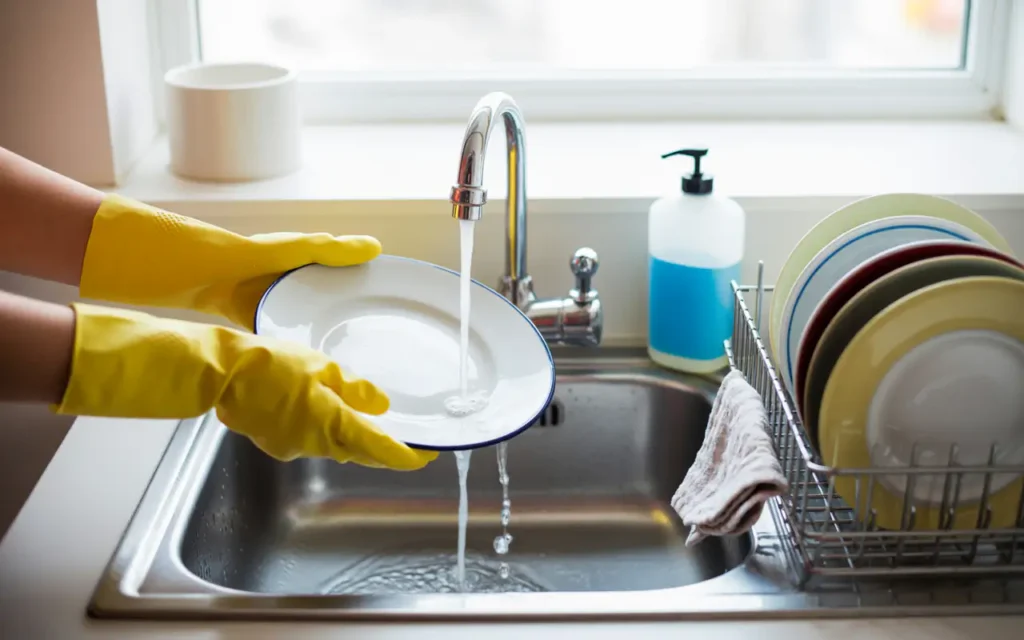
So after all this, what is the simple answer? The best way to clean dishes uses hot water, good soap, proper scrubbing, and thorough drying. Whether you wash by hand or use a dishwasher, the core ideas are the same. Remove food. Apply heat and soap. Scrub every surface. Rinse clean. Dry well.
Do not rush the process. Do not take shortcuts that leave germs behind. Your dishes touch your mouth and your food. They deserve proper care. And you deserve the peace of mind that comes from knowing your plates and forks are truly clean.
Start today. Look at your sponge. Is it old? Toss it. Check your dish soap. Is it grease cutting? If not, buy a better one. Run your water as hot as you can. Follow the steps I shared. In one week, you will notice a difference. Your dishes will look brighter. Your kitchen will smell fresher. And you will feel good about feeding your family from truly clean plates.
Cleaning dishes is a small daily task. But doing it right makes a big difference. I hope this guide helps you wash with confidence. Now go tackle that pile of dishes. You have all the tools you need.
Related posts
 How to Strengthen Weak Nails: A Practical Guide to Daily Care
Learn how to strengthen weak nails with simple daily habits, protective care, and targeted hydration. Restore your natural nail strength today. Weak, peeling, or brittle nails…
 What Sounds Do Cats Dislike? 7 Noises That Stress Your Pet
Discover what sounds do cats dislike and why. Learn how to protect your cat’s sensitive hearing from stressful household noises and high-frequency hums. Cats dislike sounds…
 Restoring Faded Black Clothing: Practical Methods and Reality Checks
Can you restore faded black clothing? Learn the difference between temporary color revival and permanent redyeing, plus how to prevent future fading. You can restore the…