
How To Clean Burnt Pots And Pans
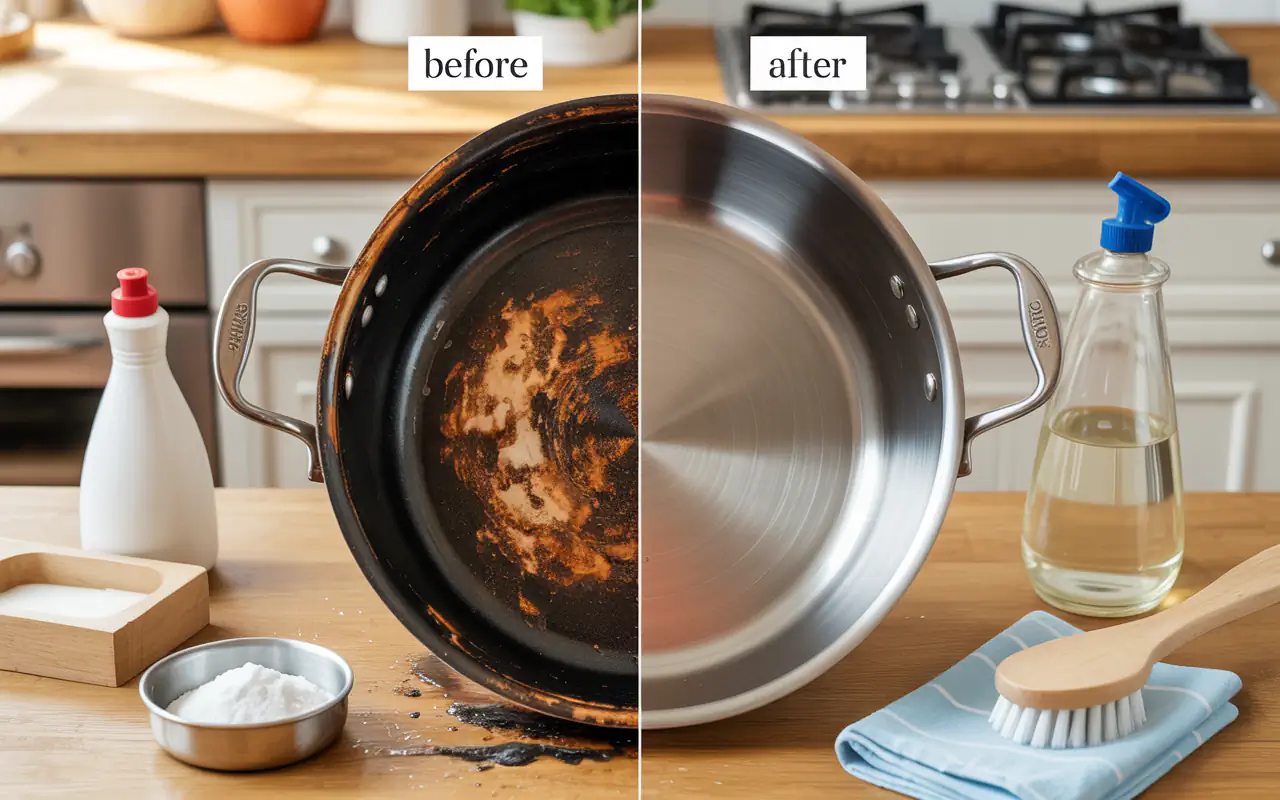
Learn how to clean burnt pots and pans with simple kitchen staples like baking soda and vinegar. These easy methods remove black stains and save your cookware.
We have all done it. You walk away from the stove for just a minute, and then you smell it. That awful burning smell. You rush back to find your favorite pot or pan with a thick black layer of burnt food stuck to the bottom. Do not throw that cookware away. You can fix it. I have burnt my share of pans over the years. From rice to sauce to eggs, I have seen it all. And I learned that you do not need harsh chemicals or expensive tools. This guide will show you exactly how to clean burnt pots and pans using items you already have in your home. Let me share my best tips with you. These methods work for stainless steel, ceramic, and even glass cookware. Just be careful with non-stick surfaces. I will give you safe steps for each type.
Why Burnt Food Sticks to Your Cookware
Before we get to the cleaning part, let me explain why burnt food is so hard to remove. When you heat food at high temperatures, the sugars and proteins change. They bond with the metal surface of your pan. This bond gets stronger as the pan cools down. That is why you see a tough black crust. Water alone will not break it. You need something that can lift that bond without scratching your pot.
The good news is that common kitchen items like baking soda, vinegar, and salt are perfect for this job. They are mild abrasives and natural acids. They work together to loosen the burnt bits. So the next time you ask how to clean burnt pots and pans, remember that you already have the answer in your pantry. I have used these methods for years, and they never let me down.
“A little burnt food on the bottom of a pan is not a disaster. It is just a chance to learn a new kitchen skill.” – Julia Child
What You Need to Get Started
You do not need to buy special cleaners. Look in your kitchen first. Here is a simple list of items that work best for how to clean burnt pots and pans.
| Item | Why It Helps |
|---|---|
| Baking soda | Mild scrubber that lifts burnt food without scratching |
| White vinegar | Acid that breaks down burnt stains and odors |
| Lemon juice | Natural acid with fresh smell |
| Salt | Coarse texture for extra scrubbing power |
| Dish soap | Cuts through grease and burnt oil |
| Dryer sheet | Soft fabric that helps loosen burnt layers |
These items are safe, cheap, and easy to find. I keep baking soda and vinegar under my sink at all times. They have saved many of my pots. Now let me show you five ways to put them to use.
5 Easy Ways to Clean Burnt Pots and Pans
I will share the methods that work best for me. Each one is simple. Pick the one that fits your time and the level of burn on your pan.
Method 1: Baking Soda and Water
This is my go-to method for how to clean burnt pots and pans because it works for almost any burn. Start by removing loose food scraps from the pan. Then add enough water to cover the burnt area. Bring the water to a boil on your stove. Once it boils, turn off the heat and add two tablespoons of baking soda. Let it sit for 15 minutes. The water will turn brown as the burnt food lifts off. Then pour out the water. Use a soft sponge or a non-scratch scrubber to wipe the inside. Most of the black stains will come right off. For tough spots, make a paste of baking soda with a few drops of water. Rub that paste on the stain and let it sit for another 10 minutes. Then scrub again. Rinse well and dry.
I used this method last week on a pan that had burnt cheese. It looked new after just 20 minutes. This is the safest way to clean burnt pots and pans without damage.
Method 2: White Vinegar and Baking Soda
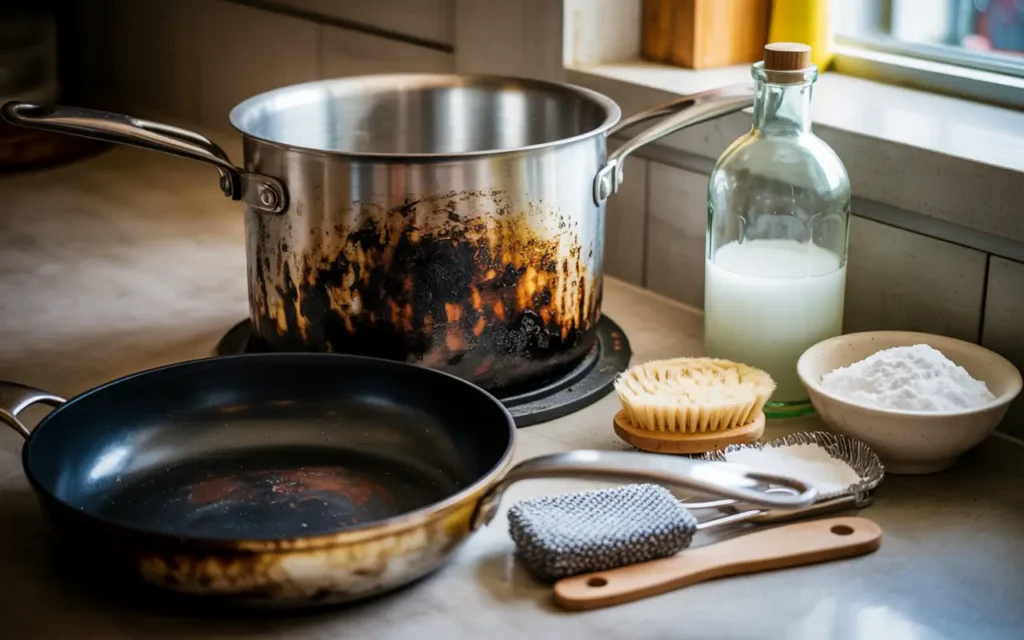
For very thick burnt crusts, combine vinegar and baking soda. First, pour half an inch of white vinegar into the burnt pan. Bring it to a boil. Let it boil for two minutes. Then remove the pan from heat. Add a half cup of baking soda. Watch out because it will fizz a lot. That fizzing action helps lift the burnt food. Let it sit until the fizzing stops. Then empty the pan. Use a sponge to scrub the remaining bits. Rinse with warm water. This method is fast and effective.
I learned this trick from my grandmother. She always said the fizz means it is working. And she was right. When you need how to clean burnt pots and pans quickly, this is the method to choose.
Method 3: Lemon and Salt
Lemon and salt are a natural cleaning team. Cut a lemon in half. Squeeze the juice into the burnt pan. Then sprinkle a thick layer of salt over the burnt area. Use the lemon rind as a scrubber. Rub the salt and lemon juice into the stains. The acid from the lemon and the grit from the salt work together. Let the mixture sit for 15 minutes. Then add a little warm water and scrub again. Rinse and dry. Your pan will smell fresh too.
This is a great way to clean burnt pots and pans if you do not like the smell of vinegar. Plus, it leaves a nice citrus scent in your kitchen.
“Clean as you go is the golden rule. But when you forget, a lemon and some salt will save the day.” – Jacques Pépin
Method 4: Dryer Sheet Trick
This one sounds strange, but it works. Place a dryer sheet in the burnt pan. Cover it with warm water. Let it soak overnight. The next morning, the burnt food will wipe away easily. Why does this work? Dryer sheets contain softeners that break down burnt proteins. This method is best for light to medium burns. It requires no scrubbing. Just soak and wipe.
I was skeptical at first. But after trying it on a pan with burnt oatmeal, I became a believer. If you want how to clean burnt pots and pans with zero effort, this is for you. Just remember to wash the pan with soap and water after to remove any dryer sheet residue.
Method 5: Dishwasher Tablet
A single dishwasher tablet can clean a burnt pan. Add a little warm water to the pan. Place one tablet in the water. Let it soak for one hour. The tablet’s enzymes will break down the burnt food. Then pour out the water. Use a sponge to scrub gently. The burnt layer will slide off. Rinse very well. Do this only for stainless steel or ceramic pans. Do not use on non-stick coatings.
I keep a spare dishwasher tablet under my sink just for this purpose. It is one of the fastest ways to clean burnt pots and pans when I am in a rush.
How Do These Methods Compare?
Here is a quick look at which method works best for different situations.
| Method | Best For | Time Needed | Scrubbing Needed |
|---|---|---|---|
| Baking soda and water | Most burns | 20 minutes | Light |
| Vinegar and baking soda | Thick burnt crusts | 10 minutes | Medium |
| Lemon and salt | Light to medium burns | 20 minutes | Light |
| Dryer sheet | Overnight soak | 8 hours | None |
| Dishwasher tablet | Stubborn stains | 1 hour | Light |
How to Clean Burnt Pots and Pans Without Scrubbing
Sometimes you do not want to scrub at all. Maybe your wrists hurt, or you are just tired. I understand. You can still clean burnt pots and pans without hard work. The dryer sheet method I shared above is one good way. Another way is to use a simmering method. Fill the burnt pan with water. Add a cup of white vinegar. Bring it to a boil. Then lower the heat and let it simmer for 20 minutes. Turn off the heat and let the water cool down. Most of the burnt food will float to the top. Pour it out. Then wipe the pan with a soft cloth.
You can also use a baking soda paste without scrubbing. Spread a thick layer of baking soda paste over the burnt spots. Cover the pan with a wet paper towel. Let it sit for two hours. The moisture will keep the paste active. When you come back, the burnt food will be soft enough to rinse away. No scrubbing needed.
I use this trick when I have burnt a pot of beans or rice. It saves me time and effort. The key is patience. Give the baking soda or vinegar time to work.
Special Tips for Different Pan Materials
Not all pans are the same. Here is how to clean burnt pots and pans based on what they are made of.
Stainless steel: This is the easiest material to clean. You can use any of the five methods above. Stainless steel is tough. You can even use a metal scrubber if needed. Just be careful not to scratch too hard.
Non-stick pans: These need gentle care. Do not use metal scrubbers or harsh abrasives. Stick to the baking soda and water method. Use a soft sponge. Never boil vinegar in a non-stick pan for more than a few minutes. The acid can damage the coating over time.
Ceramic and enamel: These are also easy to clean but can chip. Use the lemon and salt method or the baking soda paste. Do not use metal tools. A soft nylon scrubber works best.
cast iron: Burnt food on cast iron is tricky. You do not want to strip the seasoning. Use a paste of coarse salt and a little water. Scrub gently with a paper towel. Rinse and dry right away. Then rub a thin layer of oil on the surface to protect it. Do not use soap on cast iron if you can avoid it.
Glass pots: Glass is non-porous. Burnt food does not stick as hard. Use the dishwasher tablet soak or a baking soda paste. Avoid sudden temperature changes. Hot glass can break if you put cold water in it.
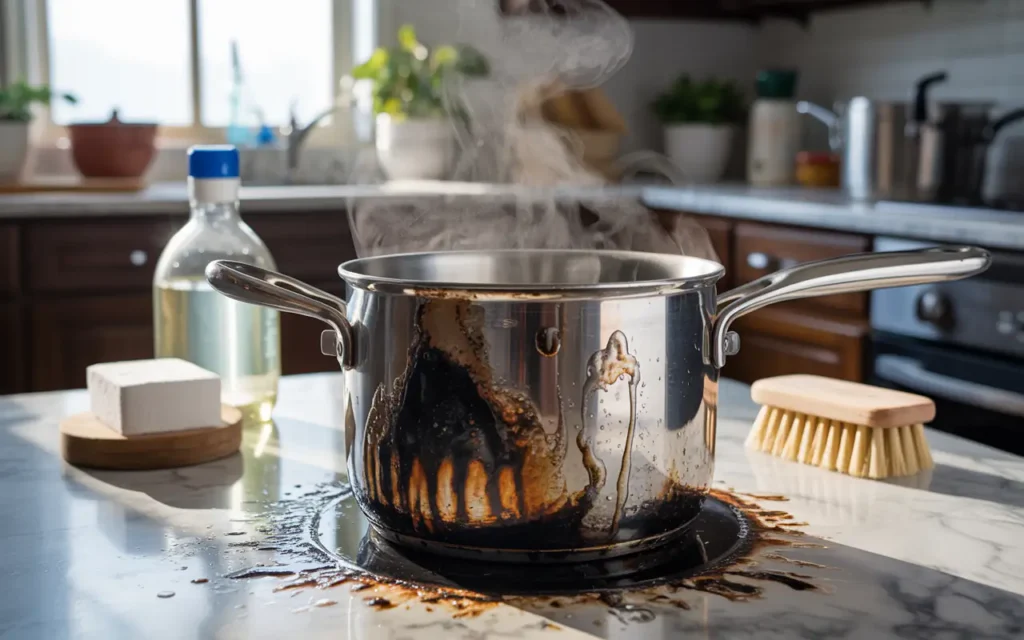
I have all these types in my kitchen. Each one needs a slightly different approach. But the main rule is always the same. Start with the gentlest method first. Move to stronger methods only if needed.
Tips to Prevent Burning in the Future
The best way to clean burnt pots and pans is to avoid burning them in the first place. Here are simple habits that help me.
- Use lower heat. Most food cooks just fine on medium or medium-low heat. High heat is only for boiling water.
- Stir often. Food that sits still is more likely to burn. Give your pots a stir every few minutes.
- Add liquid. If you see food starting to stick, add a splash of water or broth. This stops the burning process.
- Watch your pot. Do not walk away for too long. Set a timer if you need to leave the kitchen.
- Use the right size pan. Food spread too thin burns faster. Use a pan that fits your food amount.
I used to burn pots all the time. Now I follow these tips, and it happens much less often. But when it does happen, I know exactly how to clean burnt pots and pans without stress.
A clean kitchen is a happy kitchen. And that starts with taking care of your tools, one pot at a time.” – Martha Stewart
Frequently Asked Questions
Can I use bleach to clean a burnt pot?
No. Bleach is too harsh. It can damage your pan and leave harmful residue. Stick to baking soda, vinegar, or lemon.
Will these methods scratch my non-stick pan?
The baking soda and water method is safe for non-stick pans. Use a soft sponge. Do not use salt or metal scrubbers on non-stick surfaces.
How many times can I reuse these cleaning methods?
You can use them as often as needed. Baking soda and vinegar are very gentle. They will not wear out your pans with normal use.
What if the burnt smell stays after cleaning?
Boil water with a few slices of lemon for ten minutes. This removes odors. Or wipe the pan with a cloth dipped in white vinegar.
Is it safe to boil vinegar in a pan?
Yes, for stainless steel and glass. Boil vinegar for no more than five minutes. Open a window if the smell is strong. Do not breathe the steam directly.
Why does baking soda work so well for burnt pans?
Baking soda is a mild alkali. It reacts with the burnt carbon and helps lift it from the metal. It is also a soft abrasive. This means it scrubs without scratching.
Can I save a pan that has black stains for months?
Yes. Use the vinegar and baking soda boil method. Let it soak longer, maybe two hours. Repeat if needed. Most stains will come off with patience.
Do dryer sheets leave a chemical taste on my pan?
Wash the pan well with dish soap and hot water after using a dryer sheet. That removes any residue. Your food will not taste like laundry.
What is the fastest way to clean a burnt pan?
The dishwasher tablet method takes one hour with almost no work. The vinegar and baking soda method takes ten minutes but needs some scrubbing.
Will these methods work on burnt milk or burnt sugar?
Yes. Burnt milk and sugar are common problems. The baking soda and water method works very well for both. For burnt sugar, use the lemon and salt method first.
Conclusion
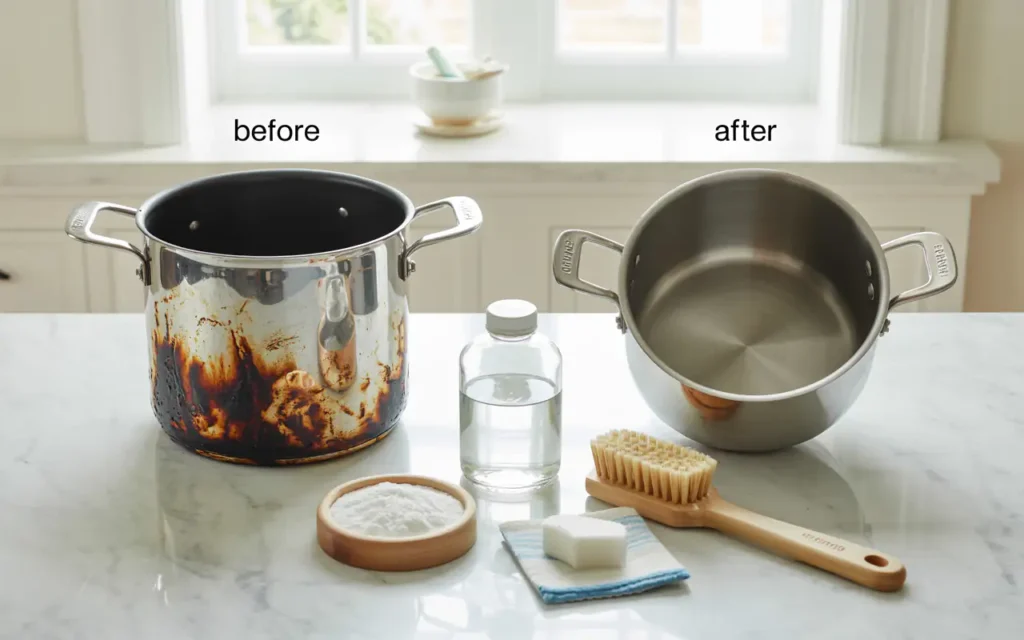
You do not need to throw away your pots and pans because of a little burnt food. Now you know exactly how to clean burnt pots and pans using simple, safe items from your kitchen. Baking soda, vinegar, lemon, salt, and even dryer sheets can remove those black stains. The best part is that these methods are cheap and easy. You can choose a fast method like vinegar and baking soda. Or you can pick a no-scrub method like the dryer sheet soak. Each one works.
I have used these tricks for years. They have saved me money and kept my cookware looking good. The next time you burn a pot, do not panic. Just grab your baking soda and get to work. And remember the prevention tips I shared. Lower heat, stir often, and watch your food. That way, you will need these cleaning methods less often. But when you do need them, you will be ready. Happy cooking, and happy cleaning.
Related posts
 How to Strengthen Weak Nails: A Practical Guide to Daily Care
Learn how to strengthen weak nails with simple daily habits, protective care, and targeted hydration. Restore your natural nail strength today. Weak, peeling, or brittle nails…
 What Sounds Do Cats Dislike? 7 Noises That Stress Your Pet
Discover what sounds do cats dislike and why. Learn how to protect your cat’s sensitive hearing from stressful household noises and high-frequency hums. Cats dislike sounds…
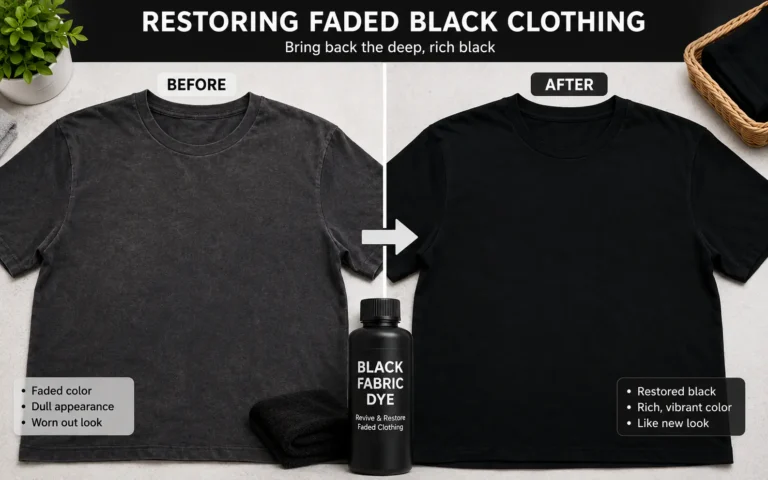 Restoring Faded Black Clothing: Practical Methods and Reality Checks
Can you restore faded black clothing? Learn the difference between temporary color revival and permanent redyeing, plus how to prevent future fading. You can restore the…