
Is Fitness Safe for Beginners? How to Start Smart and Stay Injury-Free
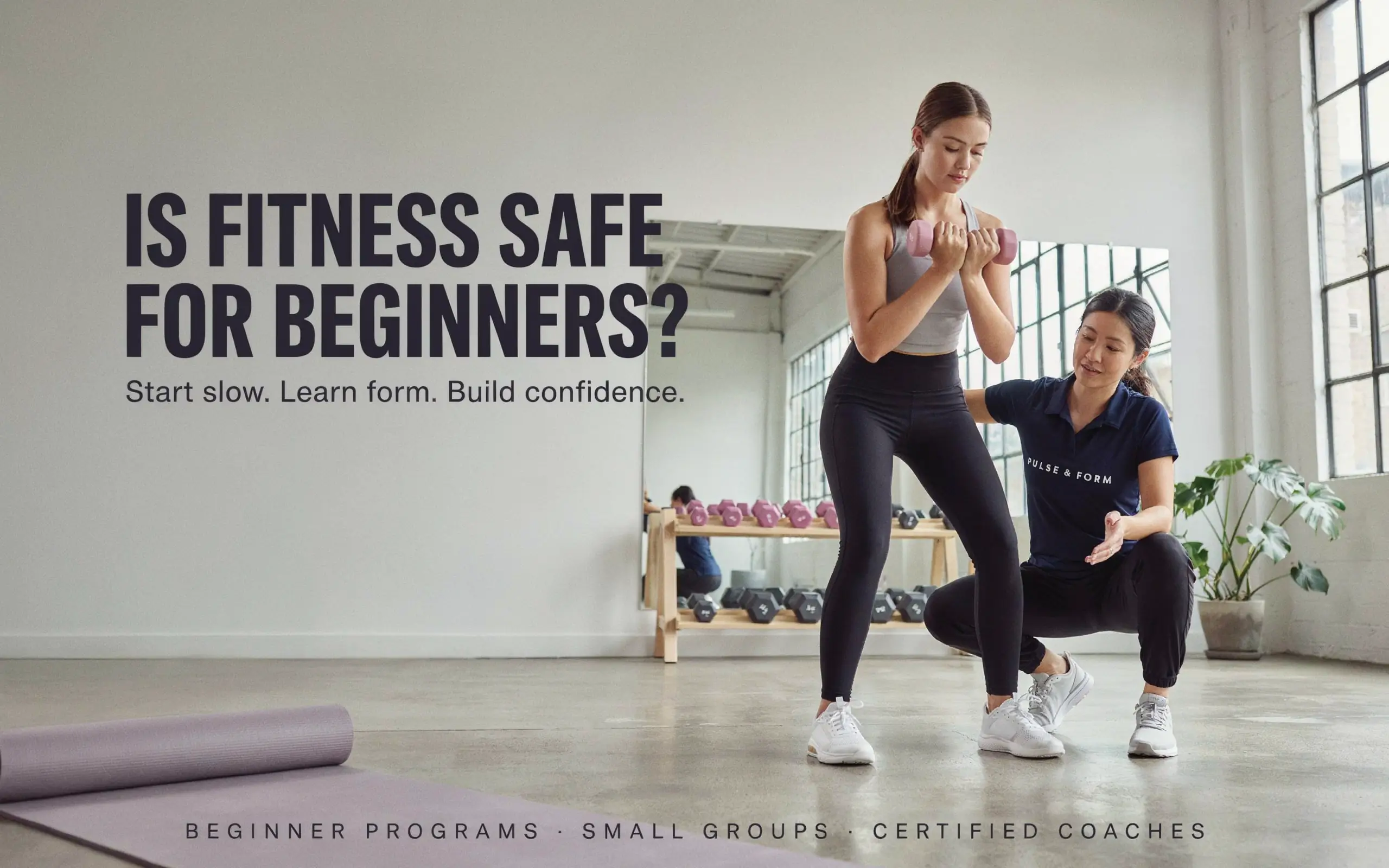
Yes, fitness is absolutely safe for beginners, provided it’s approached thoughtfully and with a focus on personal well-being. The key is to start smart, not hard, and to prioritize safety over intensity.
Many people hesitate to begin exercising due to fear of injury or not knowing where to start. However, with the right preparation and mindset, you can build a sustainable fitness routine that enhances your health without unnecessary risks.
The most important step for any beginner is to consult with a healthcare professional before embarking on a new fitness journey. This ensures you’re aware of any underlying conditions that might affect your exercise choices and helps tailor a safe starting point for you.
Safety checks
- Always get medical clearance before starting any new fitness program.
- Begin with low intensity and gradually increase duration or effort.
- Prioritize correct form over lifting heavy weights or high speed.
- Listen to your body for signs of pain, not just soreness, and allow for rest.
- Choose activities you enjoy to ensure consistency and long-term adherence.
Why Safety is Your First Priority in Fitness
For anyone new to fitness, safety isn’t just a recommendation; it’s the bedrock of a successful and sustainable journey. Starting an exercise routine without proper precautions can lead to injuries, discouragement, and ultimately, abandoning your goals.
A safe approach ensures that you build strength, endurance, and flexibility progressively, rather than risking setbacks. It also fosters a positive relationship with physical activity, making it something you look forward to, not dread.
Imagine you push yourself too hard on your first day, resulting in severe muscle soreness or even a minor strain.
A common mistake is adopting the ‘no pain, no gain’ mentality too early.
Essential Steps for a Safe Fitness Start
Embarking on a fitness journey requires a few foundational steps to ensure your well-being. These aren’t just suggestions; they are critical safeguards that will help you build a strong and injury-free routine.
By following these guidelines, you create a supportive environment for your body to adapt and grow stronger, making fitness an enjoyable and lasting part of your life.
Instead of immediately trying to run a mile, a beginner might start with brisk walking for 20 minutes, three times a week.
Skipping a medical check-up is a significant mistake.
| Step | Why It’s Important | Actionable Tip |
|---|---|---|
| Get Medical Clearance. | Identifies underlying health issues or limitations. | Schedule a check-up with your doctor before starting any new exercise program. |
| Start Gradually. | Allows your body to adapt, preventing injury and burnout. | Begin with short durations and low intensity, then slowly increase over weeks. |
| Focus on Form. | Ensures muscles work correctly and protects joints. | Watch instructional videos or consider a session with a certified trainer for basic movements. |
| Listen to Your Body. | Distinguishes between normal muscle fatigue and pain signals. | If something hurts sharply or persistently, stop the activity and rest. |
Common Beginner Fitness Mistakes to Avoid
Starting a new fitness routine is exciting, but it’s easy to fall into common traps that can derail your progress or even lead to injury. Being aware of these mistakes can help you navigate your initial weeks and months more smoothly.
Avoiding these pitfalls will not only keep you safer but also make your fitness journey more enjoyable and sustainable in the long run. Remember, consistency and smart choices outweigh intense, risky efforts.
Many beginners try to do too much too soon, like attempting a high-intensity interval training (HIIT) class on their first day.
Ignoring pain is a critical error.
- Doing Too Much, Too Soon: Overexertion is the fastest way to injury and burnout. Your body needs time.
- Neglecting Warm-ups and Cool-downs: These are crucial for preparing your muscles for activity and aiding recovery, reducing injury.
- Poor Form: Incorrect technique can strain joints and muscles, leading to injury, even with light weights or bodyweight.
- Ignoring Pain: Pushing through pain, especially sharp or persistent pain, is dangerous. It’s your body’s way of telling.
- Lack of Rest and Recovery: Muscles grow and repair during rest. Without adequate recovery, you risk overtraining and.
Choosing Beginner-Friendly Activities
One of the best ways to ensure safety as a beginner is to choose activities that match your current fitness level and gradually build from there. Low-impact options are often ideal, as they put less stress on your joints while still providing effective workouts.

The goal is to find something you enjoy and can stick with consistently. Variety can also be beneficial, engaging different muscle groups and preventing boredom.
If you’re unsure where to begin, consider brisk walking in your neighborhood or using a stationary bike at home.
Jumping into high-impact sports or complex weightlifting routines without a foundational level of fitness and proper instruction.
- Brisk Walking: An excellent starting point for cardiovascular health, easy on the joints, and can be done almost.
- Swimming or Water Aerobics: Provides a full-body workout with minimal impact, as the water supports your body weight.
- Cycling (Stationary or Outdoor): Great for cardiovascular fitness and leg strength, with adjustable intensity. Stationary bikes offer a.
- Elliptical Trainer: Offers a low-impact cardio workout that engages both upper and lower body.
- Bodyweight Exercises: Simple exercises like squats, lunges (modified), push-ups (on knees or against a wall), and planks can.
When to Seek Professional Guidance
While this guide provides general advice for safe fitness, there are times when personalized professional guidance becomes essential. Knowing when to reach out to a doctor, physical therapist, or certified personal trainer can make a significant difference in your safety and progress.
Don’t hesitate to seek help if you encounter any issues that seem beyond typical muscle soreness or if you simply feel unsure about your routine. Professionals can offer tailored advice, correct form, and address any specific health concerns you might have.
If you experience persistent knee pain after walking, even after resting, it’s a clear signal to consult your doctor or a physical therapist.
Self-diagnosing or relying solely on online advice for persistent pain or discomfort.
- Persistent Pain: Any sharp, stabbing, or lingering pain in joints or muscles that doesn’t resolve with rest.
- Unusual Symptoms: Dizziness, chest pain, shortness of breath, or extreme fatigue during or after exercise.
- Pre-existing Conditions: If you have chronic conditions like heart disease, diabetes, or arthritis, regular consultation with your doctor.
- Lack of Progress or Motivation: A certified personal trainer can help you break through plateaus, refine your technique.
- Uncertainty About Form: If you’re unsure whether you’re performing exercises correctly, a trainer can provide hands-on correction and.
FAQs
How often should a beginner exercise?
For beginners, aim for 3-5 days of exercise per week, with at least one full rest day between more intense sessions. Start with shorter durations, like 20-30 minutes, and gradually increase as your stamina improves.
What are some good low-impact exercises for beginners?
Excellent low-impact options include brisk walking, swimming, cycling (stationary or outdoor), using an elliptical machine, and beginner-level yoga or Pilates. These activities minimize stress on your joints while still providing effective cardiovascular and strength benefits.
How can I tell if I’m pushing too hard?
Signs you’re pushing too hard include sharp or persistent pain (not just muscle soreness), extreme fatigue, dizziness, nausea, or shortness of breath that makes it impossible to speak a full sentence. Listen to your body and reduce intensity or stop if you.
Is it normal to be sore after starting fitness?
Yes, it’s very common to experience muscle soreness, known as Delayed Onset Muscle Soreness (DOMS), 24-48 hours after starting a new exercise or increasing intensity. This is a normal adaptation process.

Conclusion
Starting a fitness journey as a beginner is not only safe but highly beneficial for your overall health, provided you approach it with care and awareness. By prioritizing medical clearance, gradual progression, and listening to your body, you can build a strong foundation for lasting well-being.
Remember that consistency and smart choices are far more valuable than intense, risky efforts. Embrace the process, celebrate your small victories, and don’t hesitate to seek professional guidance when needed.
Related posts
 How to Strengthen Weak Nails: A Practical Guide to Daily Care
Learn how to strengthen weak nails with simple daily habits, protective care, and targeted hydration. Restore your natural nail strength today. Weak, peeling, or brittle nails…
 What Sounds Do Cats Dislike? 7 Noises That Stress Your Pet
Discover what sounds do cats dislike and why. Learn how to protect your cat’s sensitive hearing from stressful household noises and high-frequency hums. Cats dislike sounds…
 Restoring Faded Black Clothing: Practical Methods and Reality Checks
Can you restore faded black clothing? Learn the difference between temporary color revival and permanent redyeing, plus how to prevent future fading. You can restore the…