
How To Store Food Safely At Home
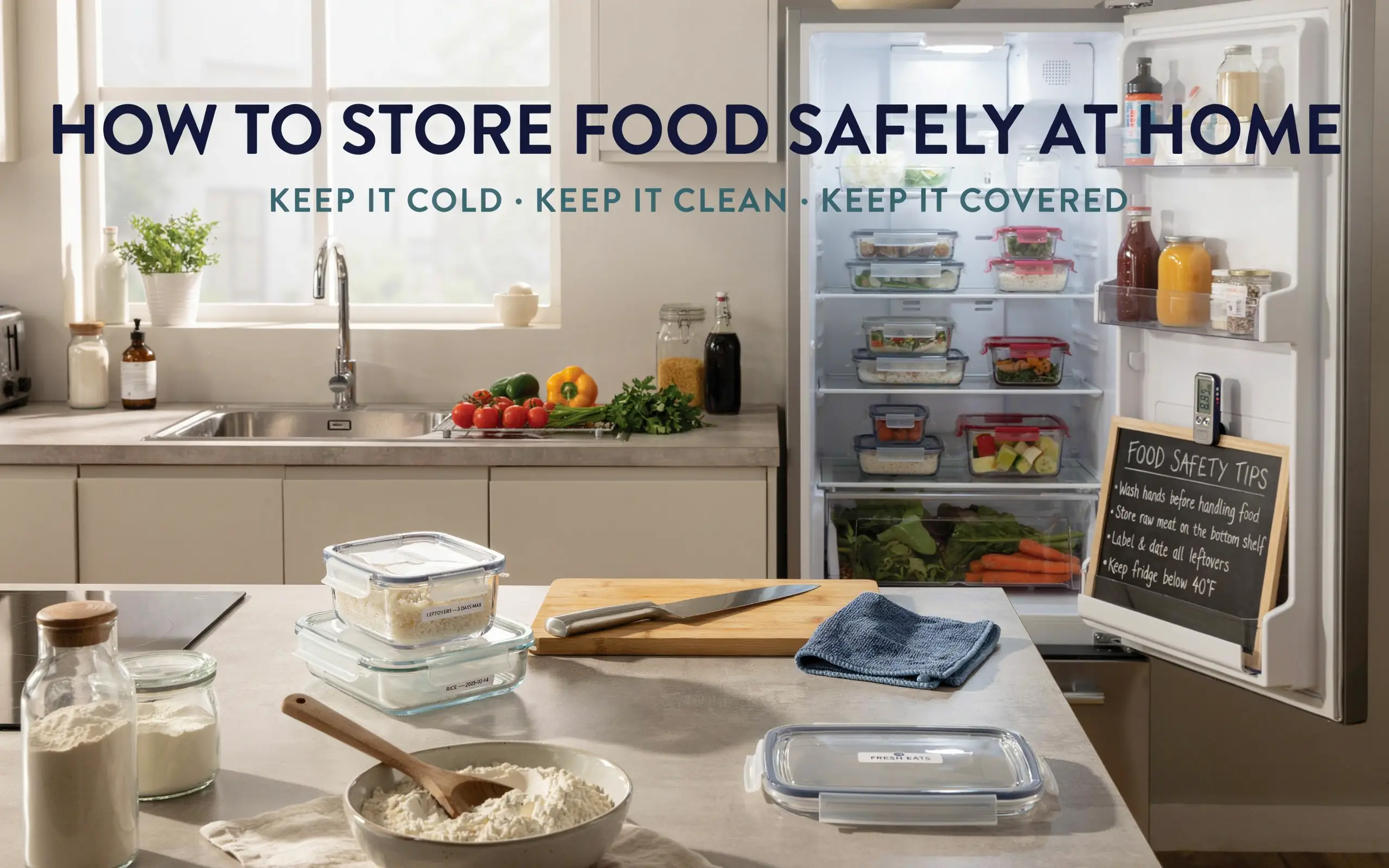
Learn how to store food safely at home with expert tips on fridge and freezer temps, pantry organization, container choices, and leftover storage. Keep your family healthy and reduce waste.
Have you ever opened your fridge and found something that looked a bit questionable? Or maybe you have thrown away food that you bought just a few days ago because it went bad too quickly. You are not alone. Many of us struggle with knowing the best ways to keep our food fresh and safe. But the good news is that learning how to store food safely at home is not as hard as it might seem.
Food storage is about more than just tossing things in the fridge and hoping for the best. It is about protecting your family from foodborne illnesses, saving money by reducing waste, and making sure your meals taste as good as they should. When you know the right techniques, you can keep your groceries fresher for longer and feel confident that what you are eating is safe.
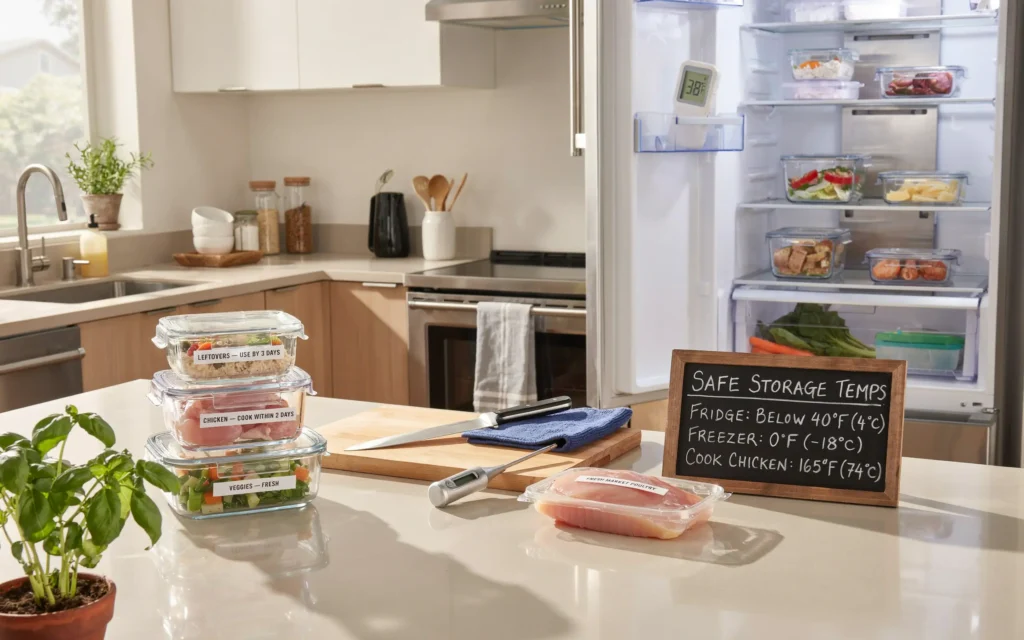
“Food safety is not just a set of rules; it is a practice that protects the health of everyone at your table.” – Dr. Marion Nestle, Professor of Nutrition and Food Studies
In this guide, we will cover everything you need to know about storing food safely at home. We will talk about the right temperatures for your fridge and freezer, how to organize your pantry, which containers are best, and what to do with leftovers. We will also look at how to handle food during power outages and answer some common questions. By the end, you will have all the tools you need to keep your kitchen safe and your food delicious.
Why Proper Food Storage Matters
Before we get into the specific steps, let us talk about why this topic is so important. Every year, millions of people get sick from foodborne illnesses. Many of these cases could be prevented with better storage practices. Bacteria like Salmonella, E. coli, and Listeria can grow on food that is not stored correctly. These germs can cause serious health problems, especially for young children, older adults, and people with weak immune systems.
The “danger zone” for food is between 40°F and 140°F (4°C to 60°C). In this temperature range, bacteria can double in number in as little as 20 minutes. That is why keeping cold foods cold and hot foods hot is so critical. When you store food safely at home, you keep it out of this danger zone and stop harmful germs from multiplying.
Proper storage also helps you save money. The average household throws away a significant amount of food each year. By learning the best ways to store your groceries, you can make them last longer and get more value from your shopping trips. Plus, you will spend less time making extra trips to the store.
The Golden Rules for Storing Food Safely at Home
There are a few basic rules that apply to almost all food storage. These are the foundation of a safe kitchen.
Keep It Cold or Keep It Hot
Perishable foods need to be kept at the right temperature. Your refrigerator should be at or below 40°F (4°C). Your freezer should be at 0°F (-18°C) or lower. If you are serving hot food, keep it above 140°F (60°C) to prevent bacteria from growing.
Follow the Two-Hour Rule
Never leave perishable food out at room temperature for more than two hours. If the weather is hot (above 90°F or 32°C), that time drops to just one hour. This rule applies to cooked food, leftovers, and any perishable items like meat or dairy. When you store food safely at home, you always put these items away within this time frame.
Use the FIFO Method
FIFO stands for “first in, first out.” This means you should use older items before newer ones. When you bring home new groceries, put them behind the older items in your pantry, fridge, or freezer. This simple habit helps you avoid keeping food past its prime.
When in Doubt, Throw It Out
If you are not sure whether a food is still safe, do not take the risk. Trust your senses. If something looks strange, smells off, or has an unusual texture, it is better to throw it away. This is one of the most important rules for storing food safely at home.
Storing Food in the Pantry
Not everything needs to go in the fridge. Many dry goods and canned items do just fine at room temperature. But even pantry storage requires some care.
Ideal Pantry Conditions
Your pantry should be cool, dry, and dark. Heat, moisture, and light can cause food to spoil more quickly. Aim for a temperature between 50°F and 70°F (10°C to 21°C). Keep your pantry away from the stove, dishwasher, or any other source of heat.
What to Store in the Pantry
Here are some common items that belong in the pantry:
- Canned goods (vegetables, fruits, soups, beans)
- Dry pasta and rice
- Cereals and oatmeal
- Flour, sugar, and baking supplies
- Oils and vinegars
- Spices and herbs
- Crackers and chips
- Peanut butter and other nut butters
How to Organize Your Pantry
Good organization helps you store food safely at home. Keep similar items together so you can easily see what you have. Use clear containers for items like flour and sugar. This keeps pests out and helps you spot any issues quickly. Check expiration dates regularly and move older items to the front.
Canned Food Safety
Canned foods are convenient and have a long shelf life. However, you need to check the cans before using them. Throw away any cans that are badly dented, rusted, or bulging. These could be signs of a dangerous bacteria called botulism. Once you open a can, transfer the contents to a glass or plastic container if you are not using all of it. Do not store leftover food in the opened can.
Pantry Storage Times for Common Foods
| Food Item | Pantry Storage Time (Unopened) | Pantry Storage Time (Opened) |
|---|---|---|
| Canned vegetables | 1 to 2 years | 3 to 4 days (refrigerate after opening) |
| Canned fruits | 1 to 2 years | 5 to 7 days (refrigerate after opening) |
| Dry pasta | 1 to 2 years | 1 year |
| White rice | 1 to 2 years | 1 year |
| Brown rice | 6 months | 6 months |
| Flour (white) | 1 year | 6 to 8 months |
| Sugar | 2 years | 2 years |
| Oils | 6 to 12 months | 6 to 12 months |
| Peanut butter (commercial) | 6 to 9 months | 2 to 3 months |
| Cereal | 6 to 8 months | 2 to 4 months |
Storing Food in the Refrigerator
The refrigerator is where most of our perishable foods live. But did you know that different parts of the fridge have different temperatures? Knowing where to put each type of food helps you store food safely at home.
Set the Right Temperature
Keep your fridge at 40°F (4°C) or below. Use a fridge thermometer to check the temperature regularly. The dial on your fridge does not always show the actual temperature. Place the thermometer on the middle shelf for the most accurate reading.
Organize Your Fridge by Zone
Different areas of the fridge are better for different foods.
- Top and Middle Shelves: These are the most consistent temperature zones. Store ready-to-eat foods here, like leftovers, drinks, cheese, and yogurt.
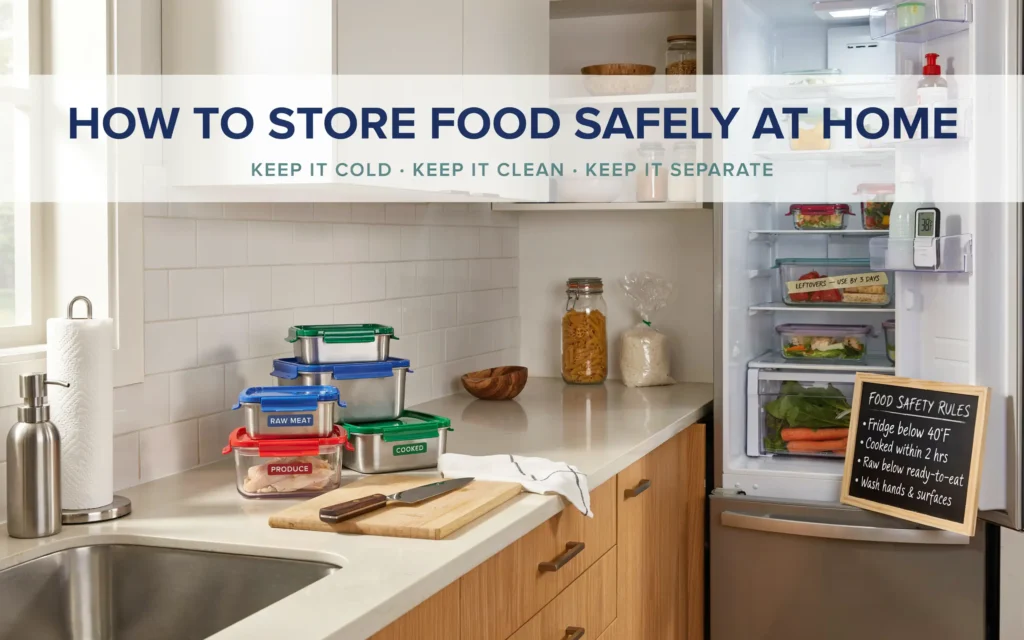
- Bottom Shelf: This is the coldest part of the fridge. Store raw meat, poultry, and seafood here in sealed containers. This prevents their juices from dripping onto other foods.
- Crisper Drawers: These drawers are designed to keep humidity in. Use them for fruits and vegetables. Keep fruits and veggies separate because some fruits give off gases that can make vegetables spoil faster.
- Door Shelves: The door is the warmest part of the fridge because it gets opened often. Store condiments, juices, and other items that can handle temperature changes here. Do not store milk or eggs in the door.
How Long Can You Keep Food in the Fridge?
Knowing how long different foods last in the fridge is key to storing food safely at home. Here is a quick guide:
- Raw ground meat: 1 to 2 days
- Raw steaks, chops, roasts: 3 to 5 days
- Fresh poultry: 1 to 2 days
- Cooked meat and poultry: 3 to 4 days
- Lunch meat (opened): 3 to 5 days
- Eggs (in shell): 3 to 5 weeks
- Leftovers: 3 to 4 days
- Soups and stews: 3 to 4 days
Refrigerator and Freezer Storage Times
| Food Item | Refrigerator (40°F or below) | Freezer (0°F or below) |
|---|---|---|
| Raw ground beef | 1 to 2 days | 3 to 4 months |
| Raw steaks | 3 to 5 days | 4 to 12 months |
| Raw chicken (whole) | 1 to 2 days | 12 months |
| Raw chicken (pieces) | 1 to 2 days | 9 months |
| Cooked meat leftovers | 3 to 4 days | 2 to 3 months |
| Cooked poultry | 3 to 4 days | 4 to 6 months |
| Soups and stews | 3 to 4 days | 2 to 3 months |
| Bacon (opened) | 1 week | 1 month |
| Hot dogs (opened) | 1 week | 1 to 2 months |
| Luncheon meat (opened) | 3 to 5 days | 1 to 2 months |
| Hard cheese | 3 to 4 weeks | 6 months |
| Eggs (in shell) | 3 to 5 weeks | Do not freeze |
Sources: USDA and FDA guidelines
Storing Food in the Freezer
The freezer is a great tool for storing food safely at home for longer periods. It stops bacteria from growing, so food stays safe indefinitely. However, the quality can decline over time.
Set the Right Freezer Temperature
Your freezer should be at 0°F (-18°C) or lower. Use a thermometer to check this regularly. If your freezer has a hard time staying this cold, you might need to adjust the settings or get it checked.
How to Package Food for the Freezer
Proper packaging prevents freezer burn, which is when food gets dry and discolored. Here is how to do it right:
- Use freezer bags, freezer paper, or rigid containers labeled for freezer use.
- Remove as much air as possible from bags before sealing.
- Wrap foods tightly to prevent air from getting in.
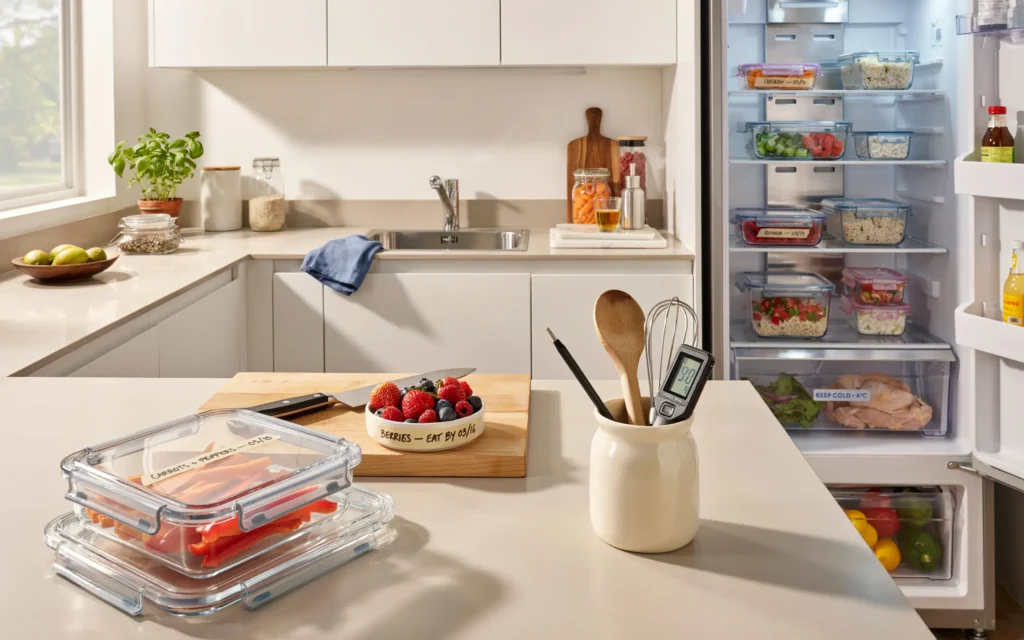
- Label everything with the date and the contents. This helps you use the FIFO method.
- Divide large portions into smaller ones. This makes it easier to thaw only what you need.
What Foods Freeze Well?
Most foods can be frozen, but some do better than others. Here are some good candidates:
- Meat, poultry, and fish
- Fruits and vegetables (blanch veggies first for best quality)
- Soups, stews, and casseroles
- Bread and baked goods
- Cheese (hard cheese freezes better than soft)
- Butter and margarine
What Does Not Freeze Well?
Some foods change texture or flavor when frozen. These include:
- Raw eggs in shells (they can crack)
- Mayonnaise and creamy dressings
- Lettuce and other salad greens
- Cucumbers and radishes
- Cooked pasta (it can get mushy)
Thawing Food Safely
When you are ready to use frozen food, thaw it safely. The best way is to move it from the freezer to the refrigerator. This keeps the food at a safe temperature while it thaws. You can also thaw food in cold water or in the microwave, but you should cook it right away after using these methods.
Choosing the Right Storage Containers
The containers you use play a big role in storing food safely at home. The right container keeps food fresh, prevents contamination, and makes your fridge and pantry more organized.
Glass Containers
Glass containers are a great choice. They are durable, easy to clean, and do not absorb odors or stains. They are also safe for reheating food. Look for glass containers with airtight lids.
Plastic Containers
If you use plastic containers, make sure they are food-grade and BPA-free. Check the bottom for a recycling number. Numbers 1, 2, 4, and 5 are generally safe for food storage. Do not use containers that are scratched or stained, as bacteria can hide in those areas.
What to Avoid
Do not use containers that are not meant for food. This includes things like old margarine tubs or takeout containers that are not designed for reuse. These can release chemicals into your food or break down over time.
Airtight Seals Are Key
Whatever type of container you choose, make sure it has a tight seal. This keeps air out, which slows down spoilage and prevents odors from spreading. Airtight containers also keep pests out of your pantry.Handling Leftovers Safely
Leftovers are a wonderful way to save time and money. But they need to be handled with care to keep you safe.
Cool Leftovers Quickly
Do not leave leftovers out on the counter for hours. Put them in the fridge within two hours of cooking. To help them cool faster, divide large portions into smaller, shallow containers. This allows the heat to escape more quickly and keeps the food out of the danger zone.
Store Leftovers in the Right Containers
Use airtight containers or wrap leftovers tightly in foil or plastic wrap. This keeps moisture in and prevents the food from picking up other flavors from the fridge.
How Long Do Leftovers Last?
Most leftovers are safe to eat for three to four days in the refrigerator. After that, you should either freeze them or throw them away. Rice-based leftovers are a bit different. Cooked rice can contain bacteria that survive cooking. These bacteria can grow and produce toxins that are not destroyed by reheating. So eat rice leftovers within two days.
Reheating Leftovers
When you reheat leftovers, make sure they are piping hot all the way through. The temperature should reach 165°F (74°C). Use a food thermometer to check. Do not reheat leftovers more than once. Only take out what you plan to eat.
Special Considerations for Different Foods
Different types of food have unique storage needs. Here are some tips for specific items.
Meat and Poultry
Raw meat and poultry are high-risk foods. Store them on the bottom shelf of the fridge in sealed containers. This prevents their juices from dripping onto other foods. Use raw meat within one to two days, or freeze it for longer storage.
Seafood
Fresh fish and shellfish should be used within one to two days. Store them in the coldest part of the fridge, on the bottom shelf. You can also freeze seafood for longer storage.
Eggs
Keep eggs in their original carton on a shelf in the fridge, not in the door. The carton protects them and helps you track the date. Eggs can last three to five weeks in the fridge.
Dairy
Milk, yogurt, and soft cheeses should be kept in the main part of the fridge, not the door. Hard cheeses can last longer and can even be frozen.
Fruits and Vegetables
Most produce should go in the crisper drawers. Keep fruits and vegetables separate because some fruits produce ethylene gas, which can cause vegetables to spoil faster. Do not wash produce before storing it, as moisture can lead to mold. Wash it just before you are ready to eat it.
“Fresh produce is a gift from nature, but it needs proper care to stay safe and delicious. The way you store your fruits and vegetables can make all the difference in their quality and safety.” – Dr. Susan Mayne, Former Director of FDA’s Center for Food Safety and Applied Nutrition
Oils and Fats
Store oils in a cool, dark place. Heat and light can cause them to go rancid. Olive oil and other cooking oils can last six to twelve months if stored properly.
Herbs and Spices
Keep dried herbs and spices in airtight containers away from heat and light. They can lose their flavor over time, so it is a good idea to replace them every year or two.
What to Do During a Power Outage
Power outages can be stressful, especially when you have a fridge full of food. Here is how to handle it.
Keep the Doors Closed
The most important thing is to keep the fridge and freezer doors closed as much as possible. A full freezer can keep its temperature for about 48 hours if the door remains closed. A half-full freezer will keep its temperature for about 24 hours. A refrigerator will keep food safe for about four hours.
Check the Temperature
If the power comes back on, check the temperature inside your fridge and freezer. If the fridge temperature is still at 40°F or below, the food is safe. If the freezer is still at 0°F or below, the food is safe.
When to Throw Food Away
If the power has been out for more than four hours, some foods in the fridge may not be safe. Throw away meat, poultry, fish, eggs, and leftovers that have been above 40°F for more than two hours. You can refreeze food that still has ice crystals or that has stayed at 40°F or below.
Reducing Food Waste Through Better Storage
When you store food safely at home, you naturally reduce waste. But there are a few extra steps you can take.
Plan Your Meals
Plan your meals for the week before you go shopping. This helps you buy only what you need. Check your fridge and pantry before you shop so you do not buy duplicates.
Use a Shopping List
Stick to your list when you are at the store. This prevents impulse buys that might go to waste.
Understand Date Labels
Date labels can be confusing. Here is what they mean:
- Use-By: This is the last date for peak quality. After this date, the food may not be safe to eat.
- Best-Before: This is about quality, not safety. The food is still safe to eat after this date, but it may not taste as good.
- Sell-By: This is for the store’s inventory. It is not a safety date.
Store Food in the Right Places
This might sound obvious, but make sure you are storing each food in the right place. Some people keep bread in the fridge, which can make it go stale faster. Others keep tomatoes in the fridge, which can ruin their flavor. Know where each food belongs.
“Reducing food waste starts at home with simple practices like proper storage and meal planning. Every small step you take makes a difference for your wallet and the planet.” – Dana Gunders, Author of “Waste-Free Kitchen Handbook”
Common Mistakes to Avoid
Even well-meaning people make mistakes when storing food. Here are some common ones to watch out for.
Overpacking the Fridge
When you stuff your fridge too full, cold air cannot circulate properly. This means some parts of the fridge may not stay cold enough. Leave some space between items for air to flow.
Putting Hot Food in the Fridge
Putting hot food directly into the fridge can raise the temperature inside. This puts other foods at risk. Let hot food cool down a bit first, but do not leave it out for more than two hours.
Storing Food in the Wrong Containers
Using the wrong container can lead to spoiled food or even chemical contamination. Always use food-grade containers.
Ignoring the FIFO Method
If you do not use the FIFO method, you might end up with old food hiding at the back of your fridge or pantry. This leads to waste and potential safety issues.
Not Checking Temperatures
Many people assume their fridge and freezer are at the right temperature. But without a thermometer, you cannot be sure. Buy a simple fridge thermometer and check it regularly.
Frequently Asked Questions
How long can I keep leftovers in the fridge?
Most leftovers are safe for three to four days in the refrigerator. If you do not eat them within that time, freeze them for later.
Can I refreeze food that has thawed?
It depends. If the food still has ice crystals or has been kept at 40°F or below, you can refreeze it. If it has been above 40°F for more than two hours, throw it away.
What is the best way to thaw frozen meat?
The safest way is to thaw it in the refrigerator. This keeps the meat at a safe temperature while it thaws. You can also thaw in cold water or in the microwave, but cook it right away.
Is it safe to eat food after the “use-by” date?
No. The “use-by” date is the last date the food is guaranteed to be safe. After that, throw it away.
Can I store food in opened cans?
No. Once you open a can, transfer the contents to a glass or plastic container. Storing food in an opened can can affect the taste and may pose a safety risk.
How can I tell if food has gone bad?
Trust your senses. Look for mold, discoloration, or an off smell. If the texture seems strange or slimy, throw it away. When in doubt, throw it out.
Should I wash fruits and vegetables before storing them?
No. Washing produce before storage can introduce moisture, which leads to mold and spoilage. Wash them just before you are ready to eat them.
How often should I clean my fridge?
You should wipe up spills right away. Do a deep clean every few months. Remove all food, wash the shelves with hot, soapy water, and rinse well.
What temperature should my fridge be?
Your fridge should be at 40°F (4°C) or below. Use a thermometer to check.
What temperature should my freezer be?
Your freezer should be at 0°F (-18°C) or below.
How long can food stay out at room temperature?
Perishable food should not be left out for more than two hours. If the temperature is above 90°F (32°C), that time drops to one hour.
Can I freeze eggs?
You can freeze raw egg yolks and whites, but not in the shell. Beat them together first. Hard-cooked eggs do not freeze well.
How do I prevent freezer burn?
Use proper packaging. Remove as much air as possible from bags. Wrap foods tightly. Use containers designed for freezer use.
Is it okay to store food in plastic containers?
Yes, as long as they are food-grade and BPA-free. Avoid containers that are scratched or stained.
What should I do if I lose power?
Keep the fridge and freezer doors closed. A full freezer can keep food safe for about 48 hours. A fridge can keep food safe for about four hours.
Conclusion
Storing food safely at home is a skill that everyone can learn. It does not require expensive equipment or a lot of time. It just takes a little knowledge and some good habits. By following the tips in this guide, you can protect your family from foodborne illness, save money by reducing waste, and enjoy better-tasting food.
Remember the key points: keep your fridge at 40°F or below and your freezer at 0°F or below. Use the FIFO method to rotate your food. Store raw meat on the bottom shelf. Put leftovers away within two hours. Choose the right containers. And when you are not sure, throw it out.
These simple practices will make a big difference in your kitchen. You will feel more confident about the food you serve to your family. You will waste less food and spend less money. And you will have the peace of mind that comes from knowing you are doing everything you can to keep your loved ones safe.
Start with one or two changes today. Maybe buy a fridge thermometer. Or organize your pantry using the FIFO method. As these habits become part of your routine, add more. Before long, storing food safely at home will feel like second nature.
“The kitchen is the heart of the home, and food safety is the heartbeat that keeps it running strong.” – Dr. Ruth Kava, Senior Nutrition Fellow at the American Council on Science and Health
Your family deserves safe, fresh, and delicious food. And now you have the knowledge to make that happen. So go ahead, open that fridge, and start storing with confidence.
Related posts
 Why Do Dogs Stare at Walls? Common Causes and When to Worry
Wondering why do dogs stare at walls? Discover the sensory, behavioral, and medical reasons behind this behavior, and learn when to contact your veterinarian. When you…
 How to Test Car Wiring for Continuity Using a Multimeter
Learn how to test car wiring for continuity safely. Find broken automotive wires, check connector ports, and diagnose electrical issues with a multimeter. Testing car wiring…
 Why Organizing Space Reduces Stress: The Mental Clarity Connection
Discover why organizing space reduces stress. Learn how a tidy environment lowers cortisol, improves focus, and creates a sense of calm in your daily life. Organizing…