
How To Build Muscle For Women
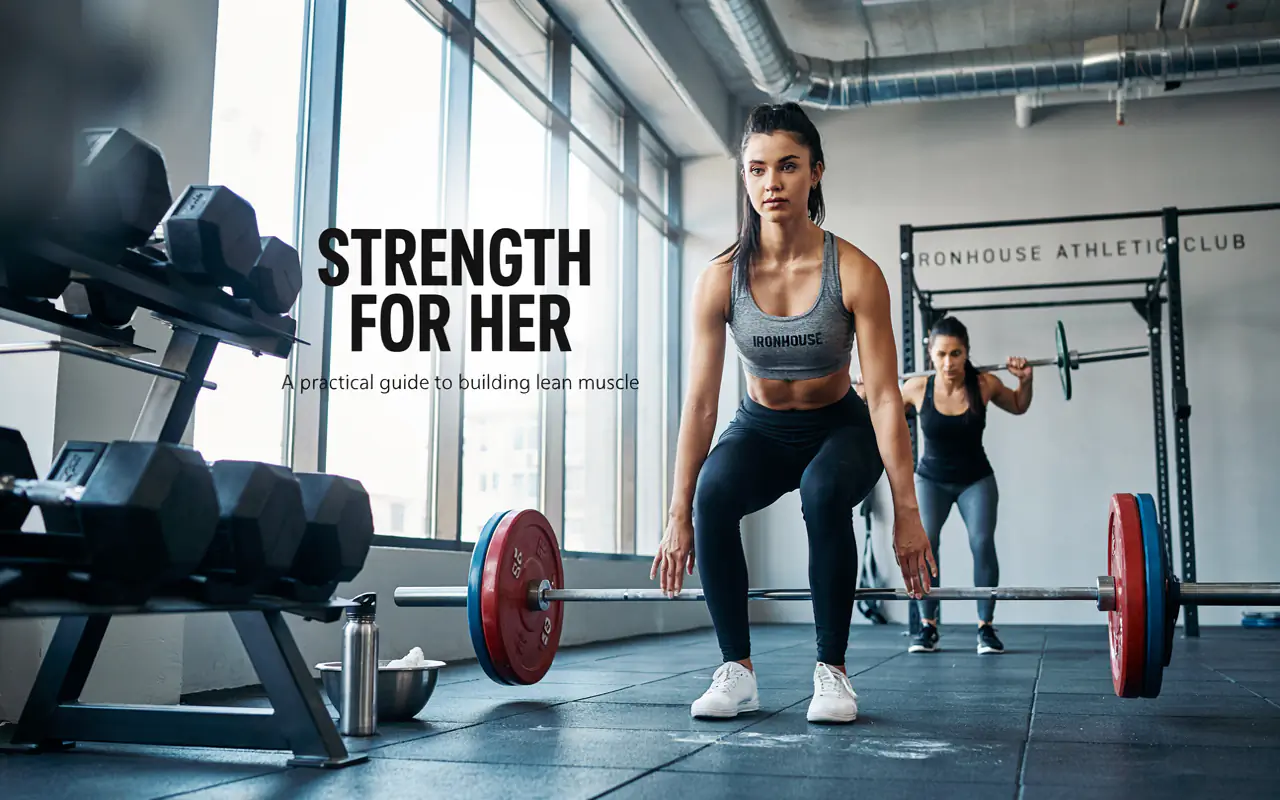
Learn exactly how to build muscle for women with this science-backed guide. Discover effective workouts, protein needs, recovery tips, and simple strategies to build muscle for women at any age.
For a long time, many women believed that lifting weights would make them bulky. This old idea kept countless women away from the weight room. But times have changed. More women now know that strength training is one of the best things they can do for their health and appearance.
The truth is, learning how to build muscle for women is not complicated. It does not require special rules or different principles than what works for men. The basic science of muscle growth applies to everyone. Women can build muscle effectively and safely with the right approach.
This guide will show you exactly how to build muscle for women. You will learn about the best exercises, how much protein you need, and how to structure your workouts. Whether you are new to lifting or have some experience, this information will help you reach your goals.
Why Strength Training Matters for Women
Strength training offers benefits that go far beyond appearance. It helps you feel stronger, move better, and stay healthier as you age.
Building Muscle Protects Your Bones
Women face a higher risk of osteoporosis than men. This condition weakens bones and makes fractures more likely. Resistance training helps maintain bone density and reduces this risk. When you lift weights, your bones respond by becoming denser and stronger.
Muscle Loss Starts Earlier Than You Think
Sarcopenia, the natural loss of muscle mass, can begin around age 30. By the time women reach their 60s, this process speeds up significantly. Strength training slows this decline and helps you stay independent and capable as you get older.
More Muscle Means a Faster Metabolism
Muscle tissue burns more calories than fat tissue, even when you are resting. Building muscle increases your resting metabolic rate. This makes it easier to maintain a healthy weight without extreme dieting.
Strength Training Boosts Confidence
Many women find that getting stronger improves their self-confidence. Dr. Elizabeth Matzkin, chief of Women’s Sports Medicine at Harvard-affiliated Brigham and Women’s Hospital, notes that women are grateful for their strong, fit bodies and the empowerment that comes with them.
Busting the Myths About Women and Weights
Before we get into the practical steps, let us clear up some common misconceptions that hold women back.
Myth 1: Lifting Weights Makes Women Bulky
This is the most common fear. The reality is different. Women have much lower testosterone levels than men. There is a 15-fold difference in circulating testosterone between men and women. This hormone difference means women simply cannot build muscle mass as easily as men.
Strength coach Laura Hoggins puts it simply: “If you’re not challenging your muscles, you won’t be changing them”. Challenging your muscles leads to tone and definition, not bulk.
For most women, lifting weights adds strength and shape, not appreciable size.
Myth 2: Women Should Use Light Weights and High Reps
Many women grab the lightest dumbbells and do 20 or 30 repetitions. This approach builds muscular endurance but does little for muscle growth. To build muscle, you need to lift weights that challenge you.
Myth 3: Strength Training Is Only for Young Women
This could not be further from the truth. Women over 40 benefit particularly from building muscle. In fact, strength training becomes more important as we age.
Myth 4: Men and Women Need Different Workouts
The core principles of building muscle are the same for both sexes. A recent meta-analysis confirmed that men and women build muscle at the same rate once they start lifting. The main factor that determines muscle growth is how you train, not your sex.
The Core Principles to Build Muscle for Women
Now let us get into the practical steps. These principles form the foundation of any effective muscle-building program.
Progressive Overload
This is the most important concept in muscle building. Progressive overload means gradually increasing the demands on your muscles over time. You can do this by adding more weight, doing more repetitions, or increasing the number of sets.
Without progressive overload, your muscles have no reason to grow. They adapt to the current level of stress and stay the same. To build muscle for women, you must consistently challenge yourself.
Lift Heavy Enough
Many women underestimate their strength and choose weights that are too light. This is a mistake. To stimulate muscle growth, you need to use a weight that makes the last two repetitions of each set difficult to complete with good form.
The typical recommendation for building muscle is three to six sets of six to twelve repetitions per exercise. Choose a weight that allows you to complete your target reps but feels challenging by the end.
Train Each Muscle Group Twice Per Week
Research shows that training each muscle group at least twice per week produces better results. A full-body workout done two to three times per week works well for most women.
Prioritize Compound Exercises
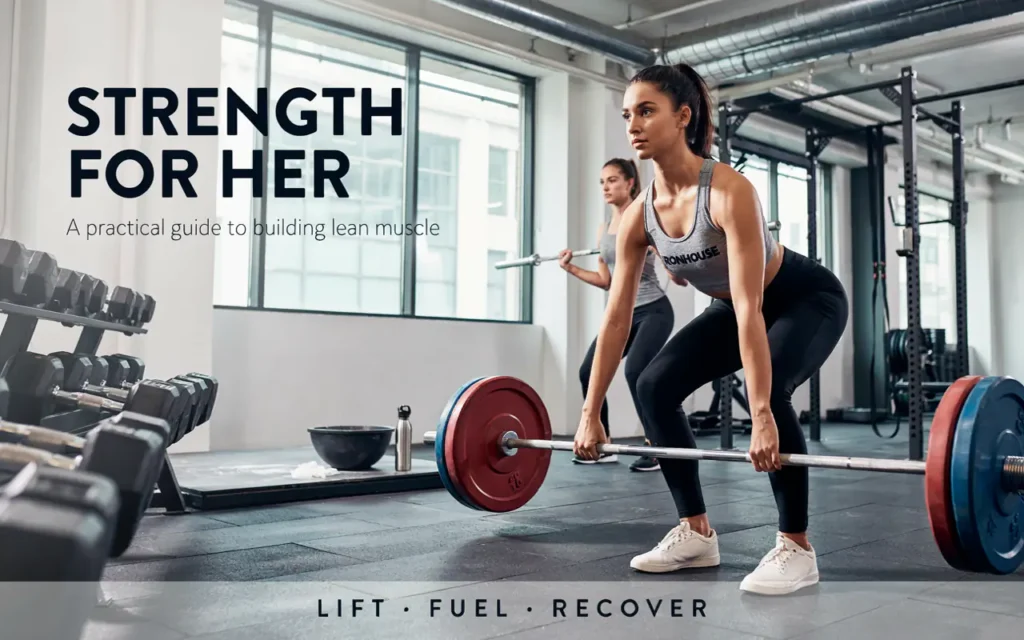
Compound exercises work multiple muscle groups at once. These movements give you the most bang for your buck. They include squats, deadlifts, bench presses, rows, and overhead presses. Start your workout with these exercises while your energy is highest.
Sample Workout Plan to Build Muscle for Women
Here is a simple but effective full-body workout you can do two to three times per week. This plan uses dumbbells, which are accessible for home or gym workouts.
| Exercise | Sets | Reps | Rest |
|---|---|---|---|
| Goblet Squat | 3 | 10-12 | 60-90 sec |
| Dumbbell Chest Press | 3 | 10-12 | 60-90 sec |
| Bent Over Row | 3 | 10-12 | 60-90 sec |
| Romanian Deadlift | 3 | 10-12 | 60-90 sec |
| Shoulder Press | 3 | 10 | 60-90 sec |
| Plank | 3 | 30-60 sec | 60 sec |
This workout targets all major muscle groups. As you get stronger, gradually increase the weight or add more repetitions.
Warm-Up Before Each Session
A proper warm-up prepares your body for the work ahead. Spend 5-10 minutes doing light cardio and dynamic stretches. This reduces injury risk and helps you perform better.
Cool Down and Stretch
After your workout, take a few minutes to stretch the muscles you trained. This aids recovery and maintains flexibility.
Nutrition to Support Muscle Growth
Training is only half the equation. What you eat plays a huge role in how well you build muscle.
Protein Is Essential
Protein provides the building blocks your muscles need to repair and grow. Many women do not eat enough protein to support muscle growth.
Aim for 1.4 to 1.6 grams of protein per kilogram of body weight per day. If you are in a calorie deficit or training very hard, you may need up to 2.2 grams per kilogram.
For a 70-kilogram (154-pound) woman, this means about 98 to 112 grams of protein daily.
Distribute your protein intake evenly across the day, every 3-4 hours. This keeps your muscles in a constant state of repair and growth.
| Meal | Protein Target |
|---|---|
| Breakfast | 30-40 grams |
| Lunch | 30-40 grams |
| Dinner | 30-40 grams |
| Snacks | 10-20 grams each |
Dr. Stacy Sims recommends that women get 30-40 grams of high-quality protein per meal, especially at breakfast and after training.
Good Protein Sources
Include a variety of protein sources in your diet:
- Lean meats like chicken and turkey
- Fish and seafood
- Eggs
- Greek yogurt and cottage cheese
- Legumes and beans
- Tofu and tempeh
- Protein powders (whey or plant-based)
Carbohydrates and Fats Matter Too
Do not forget about carbohydrates and fats. Carbs give you energy for your workouts and help replenish glycogen stores. Fats support hormone production and overall health.
A balanced approach works best. Include vegetables, fruits, whole grains, and healthy fats in your meals.
Eat Around Your Workouts
Eating protein and carbohydrates before and after your workout supports muscle growth. A meal with 20-40 grams of protein is enough for most people to trigger muscle growth.
Having protein soon after training takes advantage of the period when your muscles are most sensitive to nutrient uptake.
Recovery: The Overlooked Key to Muscle Growth
Muscle growth happens during recovery, not during the workout itself. If you do not recover well, you will not see good results.
Sleep Is Non-Negotiable
Sleep is your body’s most powerful recovery tool. While you sleep, your body releases hormones that repair damaged muscle fibers. Poor sleep impairs muscle recovery and limits your progress.
Aim for 7-9 hours of quality sleep each night. This is one of the most effective things you can do to build muscle for women.
Take Rest Days
Your muscles need time to repair and grow. Training the same muscle groups every day does not speed up progress. It actually slows it down.
Schedule at least one full rest day per week. On other days, you can do light activity like walking or gentle stretching.
Manage Stress
High stress levels raise cortisol, a hormone that can break down muscle tissue. Find ways to manage stress through activities you enjoy. This could be meditation, time in nature, reading, or spending time with friends.
How to Build Muscle for Women at Different Life Stages
Women’s bodies change over time. Your approach to building muscle may need slight adjustments at different ages.
In Your 20s and 30s
This is an excellent time to build a strong foundation. Your hormone levels are generally stable, and your body responds well to training. Focus on learning proper form and building strength consistently.
In Your 40s and Beyond
Muscle loss accelerates in the 40s and 50s. Strength training becomes even more important during this time. It helps maintain bone density, supports joint health, and keeps you functioning well.
Dr. Matzkin emphasizes that “strength training, also known as resistance training, has been shown to decrease the odds of dying early and improve mental health, as well as help you stay more functionally independent as you age”.
During Menopause
Hormonal changes during menopause can affect muscle maintenance. Protein needs may increase slightly. Consistent strength training and adequate protein intake become even more critical.
Common Mistakes to Avoid
Doing Too Much Cardio
Cardio is good for heart health, but too much can interfere with muscle growth. If you spend hours on the treadmill, you may not have enough energy left for strength training.
Strength training should be your priority if you want to build muscle. Do cardio for health, but keep it moderate.
Not Tracking Progress
If you do not track what you lift, you cannot know if you are getting stronger. Keep a simple log of your workouts. Record the exercises, weights, and repetitions you complete.
This helps you apply progressive overload consistently. When you see the numbers go up, you know you are making progress.
Expecting Overnight Results
Building muscle takes time and patience. You will not see dramatic changes in a week or two. Stay consistent for several months, and the results will come.
Strength coach Karen Trasatti, who stays lean and builds muscle at 63, says: “You don’t need complicated workouts, you need a simple plan you actually stick to”.
Frequently Asked Questions
How long does it take to build muscle for women?
Most women start seeing noticeable changes in 8-12 weeks of consistent training. Some changes, like increased strength, can happen within a few weeks. Visible muscle definition takes longer and depends on your starting point and consistency.
Can I build muscle without weights?
Yes, you can build muscle using bodyweight exercises like push-ups, squats, and lunges. However, adding weight makes it easier to apply progressive overload. Dumbbells, resistance bands, or gym machines give you more options to increase resistance over time.
Will I get bulky if I lift heavy?
No. Women lack the testosterone levels needed to build large muscles like men. Lifting heavy builds strength and creates a toned, defined look. It does not make women bulky.
How much protein do I need to build muscle?
Aim for 1.4 to 1.6 grams of protein per kilogram of body weight daily. For a 70-kilogram woman, this is about 98 to 112 grams per day. Spread your protein intake evenly across meals.
How often should I train to build muscle?
Training two to three times per week with full-body workouts works well for most women. This allows each muscle group to be trained twice weekly with adequate recovery time between sessions.
Can I build muscle and lose fat at the same time?
Yes, this is called body recomposition. It is possible, especially for beginners. It requires a balanced approach to nutrition and consistent strength training. Progress may be slower than focusing on one goal at a time, but it is achievable.
Do I need supplements to build muscle?
Supplements are not required. Whole foods can provide all the nutrients you need. Protein powder can be convenient if you struggle to meet your protein goals through food alone. Creatine is another well-researched supplement that may help with strength and muscle growth.
Is strength training safe for older women?
Yes, strength training is safe and highly beneficial for older women. It helps maintain bone density, prevents falls, and supports independence. Start with lighter weights and focus on proper form. Consider working with a qualified trainer if you are new to lifting.
Conclusion
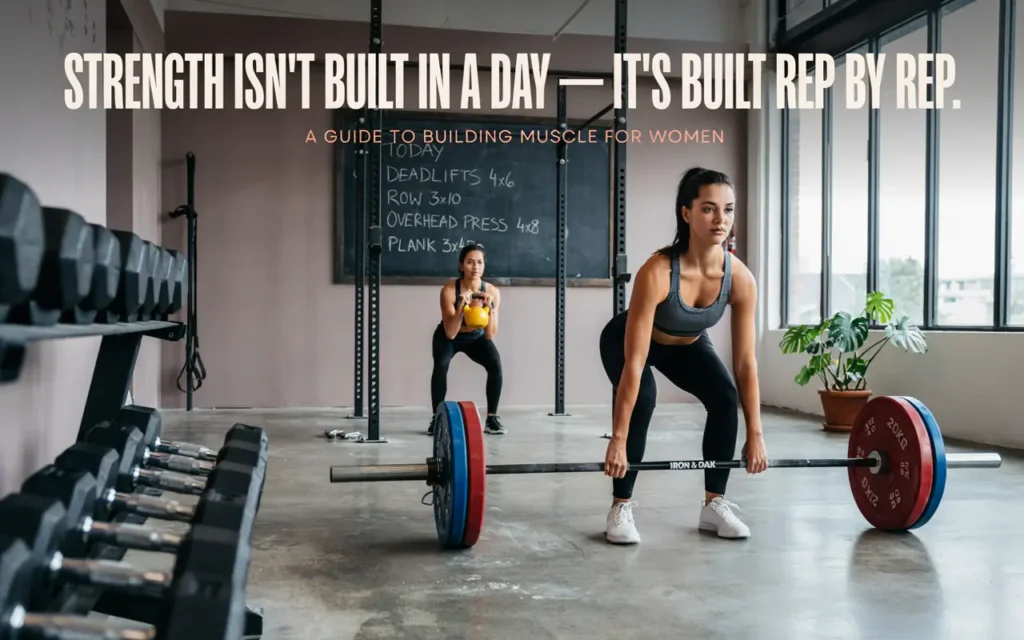
Learning how to build muscle for women is simpler than many people think. The principles are straightforward: lift weights that challenge you, eat enough protein, and allow your body to recover. There is no need for complicated routines or special rules just because you are a woman.
The benefits of building muscle go far beyond appearance. You will feel stronger, move better, and protect your health for years to come. Strength training supports your bones, boosts your metabolism, and gives you confidence.
Start where you are. Use weights that challenge you. Eat protein with each meal. Get good sleep. Be patient and consistent. Over time, you will see and feel the results of your efforts.
Whether you are 25 or 65, it is never too late to start. The best time to build muscle was years ago. The second best time is today.
Related posts
 Why Do Dogs Stare at Walls? Common Causes and When to Worry
Wondering why do dogs stare at walls? Discover the sensory, behavioral, and medical reasons behind this behavior, and learn when to contact your veterinarian. When you…
 How to Test Car Wiring for Continuity Using a Multimeter
Learn how to test car wiring for continuity safely. Find broken automotive wires, check connector ports, and diagnose electrical issues with a multimeter. Testing car wiring…
 Why Organizing Space Reduces Stress: The Mental Clarity Connection
Discover why organizing space reduces stress. Learn how a tidy environment lowers cortisol, improves focus, and creates a sense of calm in your daily life. Organizing…