
Why Pest Control Is Important at Home: Protecting Health and Property

Understanding why pest control is important at home goes far beyond the simple annoyance of seeing an occasional bug on the wall. A home is a sanctuary, but it also provides the exact resources pests need to survive: food, water, warmth, and shelter.
Active pest management is a fundamental part of home maintenance. By addressing pest issues early-or preventing them entirely-you protect your household from disease-carrying pathogens, safeguard your structural investments, and avoid the high costs of emergency remediation.
Safety checks
- Pests carry pathogens and allergens that directly impact indoor air quality and family health.
- Termites and rodents can cause thousands of dollars in structural and electrical damage if left unchecked.
- Proactive sanitation and sealing entry points are the most effective ways to prevent infestations.
- Knowing when to use DIY methods and when to call a professional saves time, money, and unnecessary chemical exposure.
| Topic | When it helps | What to keep in mind |
|---|---|---|
| Health Protection | Families with young children, elderly residents, or anyone with asthma and respiratory sensitivities. | Ignoring minor insect sightings can allow allergens to accumulate silently in HVAC ducts and wall cavities. |
| Property Preservation | Homeowners looking to protect their long-term financial investment and preserve home equity. | Termite damage is rarely covered by standard homeowners insurance policies, making prevention critical. |
| Food Security | Anyone looking to minimize household waste and maintain a sanitary kitchen environment. | Storing dry goods in their original paper or cardboard packaging makes them easy targets for pests. |
| Mental Comfort | Homeowners and renters experiencing stress or sleep issues due to pest activity. | DIY chemical over-application out of panic can introduce unnecessary toxins into your living space. |
The Hidden Health Risks of Household Pests
Many people view pests as a cosmetic issue or a sign of poor housekeeping, but even the cleanest homes can host unwanted visitors. Pests are highly efficient vectors for bacteria and viruses.
Beyond bacterial infections, pests are a leading trigger for indoor allergies and asthma. Microscopic particles from cockroach droppings, saliva, and decaying bodies become airborne, irritating sensitive airways.
Addressing these health risks requires a combination of sanitation and exclusion. Keeping food sealed, wiping down counters daily, and vacuuming regularly will significantly reduce the resources that attract these pests in the first place.
A family notices their child’s asthma symptoms worsen during the winter, only to discover a hidden cockroach population behind the kitchen cabinets shedding microscopic allergens.

Assuming that pests must bite you to make you sick; droppings, shed skins, and footsteps on countertops are equally hazardous.
- Keep kitchen counters free of crumbs and standing water.
- Store garbage in bins with tightly fitting lids.
- Vacuum carpets and upholstered furniture to remove pest dander and eggs.
- Fix leaky pipes under sinks to eliminate water sources.
Preventing Costly Structural and Property Damage
Your home is likely your largest financial asset, and pests can quietly devalue it from the inside out. Wood-destroying insects like termites and carpenter ants feed on or nest in the wooden framing of your house.
Rodents present a different kind of structural threat. Mice and rats have teeth that grow continuously, forcing them to gnaw on hard surfaces to keep them worn down.
Protecting your property requires regular inspections of your home’s exterior foundation, crawlspaces, and attic. Identifying early warning signs like mud tubes, wood shavings, or chewed insulation can save you from catastrophic repair bills down the road.
A homeowner discovers a soft spot in their floorboards, leading to the discovery of a termite colony that has chewed through the subfloor, requiring thousands of dollars in structural repairs.
Waiting to see visible wood damage before checking for termites, as they usually feed from the inside out, leaving the exterior paint intact.

- Inspect your foundation annually for termite mud tubes.
- Keep firewood and mulch piled away from the exterior walls of your home.
- Seal gaps around utility lines entering the house with steel wool and caulk.
- Trim tree branches so they do not touch your roof or siding.
DIY vs. Professional Pest Control: Making the Right Choice
When deciding how to manage pests, homeowners often wonder if professional services are worth the investment. For minor, localized issues-like a few ants in the kitchen or an occasional spider-simple DIY methods can be highly effective.
However, large-scale infestations, wood-boring insects, and persistent rodent problems usually require professional intervention. Pest control professionals have specialized training, access to commercial-grade products, and the expertise to locate the source of the infestation rather than just treating the visible symptoms.
The table below compares the two approaches across key criteria to help you determine the best path forward for your household.
Using a simple retail spray for an ant trail works temporarily, but the ants return because the nest is deep underground, requiring a professional baiting system.
Using over-the-counter foggers or ‘bug bombs’ for bed bugs, which often drives the pests deeper into walls and adjacent rooms.
| Criterion | DIY Pest Control | Professional Pest Control |
|---|---|---|
| Best For. | Minor, localized insect issues and preventative sealing. | Severe infestations, termites, bed bugs, and rodents. |
| Cost. | Low upfront cost for retail sprays and traps. | Higher upfront cost, but prevents expensive damage. |
| Safety. | Requires careful reading of labels to avoid exposure. | Handled by trained technicians using targeted methods. |
| Long-Term Success. | Often temporary; treats symptoms rather than the source. | Includes ongoing monitoring and preventative barriers. |
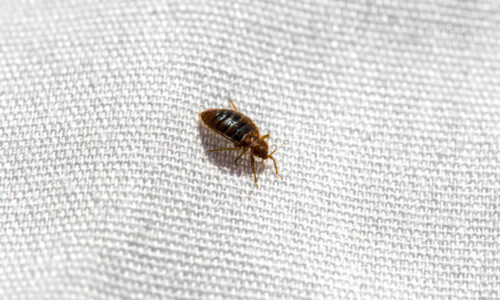
The article must cover health
Health Protection. Preventing Disease and Allergies
Many common household pests carry harmful bacteria, viruses, and allergens. Cockroaches, rodents, and mosquitoes can transmit pathogens through droppings, saliva, or bites, directly impacting your family’s physical well-being.
- Families with young children, elderly residents, or anyone with asthma and respiratory sensitivities.
- Ignoring minor insect sightings can allow allergens to accumulate silently in HVAC ducts and wall cavities.
- Prioritize sealing cracks and managing moisture to eliminate the damp environments where these pests thrive.
- Primary Risk – Pathogen transmission.
- Key Pests – Cockroaches, mice, rats, mosquitoes.
Property Preservation. Avoiding Costly Structural Damage
Wood-destroying organisms like termites and carpenter ants can quietly hollow out the structural framing of your home. Meanwhile, rodents can chew through drywall, insulation, and electrical wiring, creating serious fire hazards.
- Homeowners looking to protect their long-term financial investment and preserve home equity.
- Termite damage is rarely covered by standard homeowners insurance policies, making prevention critical.
- Schedule an annual termite inspection, especially if you live in a high-risk geographic region.
- Primary Risk – Structural failure, electrical fires.
- Key Pests – Termites, carpenter ants, rats, mice.
Food Security. Securing Your Pantry and Kitchen
Pantry pests, beetles, weevils, and rodents can easily chew through cardboard packaging to contaminate your food supply. This leads to unnecessary food waste and the risk of consuming contaminated goods.
- Anyone looking to minimize household waste and maintain a sanitary kitchen environment.
- Storing dry goods in their original paper or cardboard packaging makes them easy targets for pests.
- Transfer grains, cereals, and pet food into airtight glass or heavy-duty plastic containers.
- Primary Risk – Food contamination and waste.
- Key Pests – Pantry moths, flour beetles, rodents.
Mental Comfort. Restoring Peace of Mind
Living with an active infestation causes chronic stress, anxiety, and sleep disruption. Knowing your home is clean and free of unwanted pests allows you to relax and welcome guests without embarrassment.
- Homeowners and renters experiencing stress or sleep issues due to pest activity.
- DIY chemical over-application out of panic can introduce unnecessary toxins into your living space.
- Focus on establishing a reliable, low-stress prevention routine rather than reacting only when pests appear.
- Primary Risk – Chronic stress, sleep loss.
- Key Pests – Bed bugs, fleas, spiders, rodents.
FAQs
How often should a home receive pest control treatments?
For standard preventative maintenance, quarterly treatments are generally recommended. This schedule allows a professional to refresh protective barriers as seasons change and target pests active during specific times of the year.
Are modern pest control treatments safe for pets and children?
Yes, when applied correctly by trained professionals. Modern pest control focuses on targeted applications, such as baits placed in secure stations or low-toxicity botanical sprays.
What are the most common signs of a hidden pest infestation?
Common warning signs include small droppings in drawers or along baseboards, mysterious chewing marks on packaging, scratching sounds in walls or ceilings at night, discarded insect wings near windowsills, and localized musty odors.
Can I prevent pests entirely through cleaning alone?
While deep cleaning is incredibly helpful because it removes food and water sources, it cannot prevent pests entirely. Pests can still enter a spotless home seeking shelter from extreme weather or nesting sites.
Conclusion
Maintaining a pest-free home is an ongoing process that directly impacts your family’s health, safety, and financial security. While it can be tempting to ignore a minor bug sighting, taking swift, proactive action is the best way to prevent a small nuisance from turning into a costly, stressful infestation.
By combining daily sanitation habits, regular home maintenance, and professional support when needed, you can protect your property investment and enjoy a comfortable, healthy living environment. Start by inspecting your home’s perimeter today, sealing up obvious entry points, and addressing any moisture issues before pests find them.
Related posts
 How to Strengthen Weak Nails: A Practical Guide to Daily Care
Learn how to strengthen weak nails with simple daily habits, protective care, and targeted hydration. Restore your natural nail strength today. Weak, peeling, or brittle nails…
 What Sounds Do Cats Dislike? 7 Noises That Stress Your Pet
Discover what sounds do cats dislike and why. Learn how to protect your cat’s sensitive hearing from stressful household noises and high-frequency hums. Cats dislike sounds…
 Restoring Faded Black Clothing: Practical Methods and Reality Checks
Can you restore faded black clothing? Learn the difference between temporary color revival and permanent redyeing, plus how to prevent future fading. You can restore the…