
How to Remove Gel Nail Polish Safely: A Step-by-Step Guide
To remove gel nail polish safely, you must dissolve the product using 100% pure acetone rather than picking or scraping it off. Forcing the polish off can strip away the top layers of your natural nail, leading to thinning and long-term damage.
The most effective method involves buffing the top coat, wrapping your nails in acetone-soaked cotton, and allowing the gel to soften completely. If the polish does not lift easily with a gentle push, simply re-soak your nails instead of using force.
Safety checks
- Never peel or pick at gel polish, as this removes layers of your natural nail.
- Use 100% pure acetone for effective, safe dissolution.
- Patience is key; if the gel doesn’t lift easily, soak for longer rather than forcing it.
- Always hydrate your nails and cuticles immediately after removal.
| Topic | When it helps | What to keep in mind |
|---|---|---|
| Step 1 | All gel types | Do not file down to your natural nail; stop once the shine is gone. |
| Step 2 | Effective dissolution | Standard non-acetone removers will not work on gel polish. |
| Step 3 | Maintaining heat and saturation | Make sure the foil is snug so the acetone stays against the nail. |
| Step 4 | Safe removal | Never use metal tools to scrape the nail surface. |
Focuses strictly on the soak-off
Step 1. Break the Seal
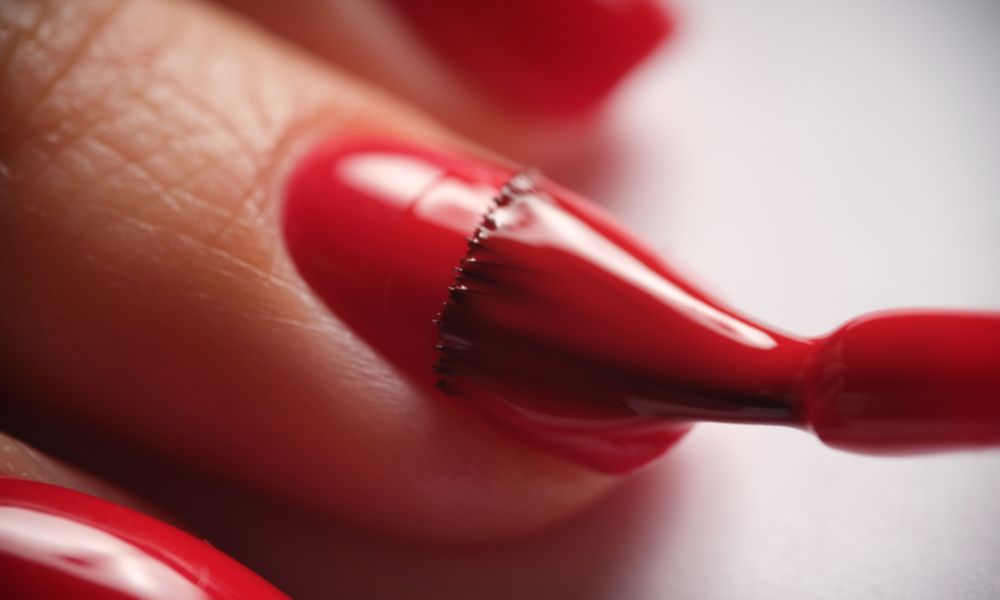
Use a medium-grit nail file to gently buff the shiny top coat off your nails. This allows the acetone to penetrate the gel layers more effectively.
- All gel types
- Do not file down to your natural nail; stop once the shine is gone.
- If you see white dust, you are filing the gel, not your nail.
Step 2. Apply Acetone
Soak a small piece of cotton ball in 100% pure acetone and place it directly on the nail plate. Avoid getting excessive acetone on the surrounding skin.
- Effective dissolution
- Standard non-acetone removers will not work on gel polish.
- Cut cotton balls into quarters to save material and reduce skin contact.
Step 3. Secure the Wrap
Wrap each fingertip tightly in a small square of aluminum foil to hold the cotton in place and prevent the acetone from evaporating.
- Maintaining heat and saturation
- Make sure the foil is snug so the acetone stays against the nail.
- Work on one hand at a time to keep your dominant hand free.

Step 4. Wait and Gently Remove
Wait 10 to 15 minutes. Remove the foil and use an orange wood stick to gently push the softened gel off. If it resists, re-wrap for another 5 minutes.
- Safe removal
- Never use metal tools to scrape the nail surface.
- If the gel feels like jelly, it is ready to be pushed off.
Common Mistakes to Avoid
The biggest mistake people make is impatience. When the edges of the gel start to lift, it is tempting to pick or peel the rest off. This action often pulls off the top layer of your natural nail, leaving it feeling thin, rough, and sensitive.
Another common error is using non-acetone or ‘strengthening’ removers. These products are designed for standard lacquer and are ineffective against gel, leading to excessive rubbing and skin irritation.
Picking at the edges of the gel because it looks like it’s lifting.
Using metal cuticle pushers or scissors to pry the gel off.

| Action | Why It Is Risky |
|---|---|
| Peeling/Picking | Removes natural nail layers |
| Using Metal Tools | Causes deep scratches and gouges |
| Forcing Removal | Leads to nail thinning and breakage |
| Skipping Hydration | Causes dry, brittle, and peeling nails |
Post-Removal Nail Care
Acetone is a powerful solvent that strips natural oils from your nails and skin. After you have successfully removed the gel, wash your hands thoroughly with mild soap to remove any remaining acetone residue.
Follow up by applying a high-quality cuticle oil or a rich hand cream. Massaging the oil into the nail bed helps restore moisture and flexibility. If your nails feel particularly weak, consider using a nail hardener or a clear conditioning treatment for a few days before applying new polish.
Applying a thick layer of cuticle oil before bed.
Leaving nails completely bare and dry for days.
FAQs
Can I use Dawn dish soap to remove gel polish?
No. Dawn dish soap is excellent for cleaning, but it cannot dissolve the chemical bonds of gel nail polish. You must use 100% pure acetone.
What is the fastest way to remove gel nail polish?
The fastest safe way is the foil-wrap method. While it takes about 15 minutes, it is significantly faster and safer than trying to file or scrape the gel off manually.
What can I use if I don’t have aluminum foil?
You can use specialized plastic nail clips or even small silicone caps designed for gel removal. If you have none of these, you can use plastic wrap, though it is less effective at trapping heat.
Why do my nails feel thin after removing gel?
Thinness is usually caused by picking or peeling the gel off. When the gel is forced off, it takes the top layer of your nail plate with it. Proper soaking prevents this.
Conclusion
Removing gel nail polish safely is a matter of patience rather than force. By using 100% pure acetone and allowing the product to dissolve fully, you protect your natural nails from the thinning and damage that often result from picking or scraping.
Always prioritize hydration after the process to keep your nails flexible and strong. If you find yourself struggling to remove the gel, take a break and re-soak rather than pushing through, and your nails will remain in excellent condition for your next manicure.
Related posts
 How to Strengthen Weak Nails: A Practical Guide to Daily Care
Learn how to strengthen weak nails with simple daily habits, protective care, and targeted hydration. Restore your natural nail strength today. Weak, peeling, or brittle nails…
 What Sounds Do Cats Dislike? 7 Noises That Stress Your Pet
Discover what sounds do cats dislike and why. Learn how to protect your cat’s sensitive hearing from stressful household noises and high-frequency hums. Cats dislike sounds…
 Restoring Faded Black Clothing: Practical Methods and Reality Checks
Can you restore faded black clothing? Learn the difference between temporary color revival and permanent redyeing, plus how to prevent future fading. You can restore the…