
Is Weight Training Safe for Joints? Practical Tips for Protection
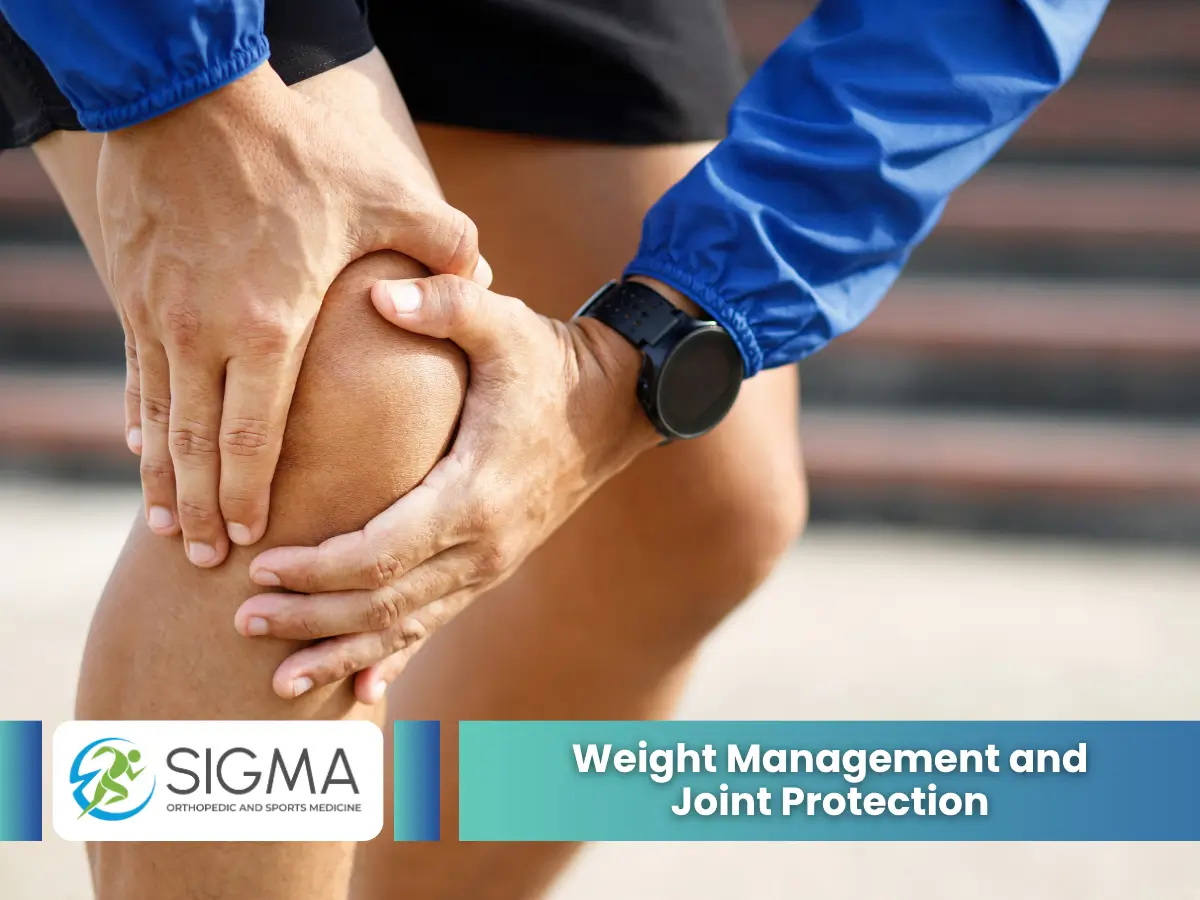
Many people wonder if weight training is safe for their joints, fearing that lifting heavy weights might lead to wear and tear or long-term damage. The good news is that, for most individuals, weight training is not only safe but can actually be highly beneficial for joint health when performed correctly.
Far from being detrimental, resistance training helps strengthen the muscles, tendons, and ligaments that support your joints. This increased support can improve stability, reduce the risk of injury, and even alleviate discomfort for those with certain joint conditions.
Safety checks
- Weight training, when done correctly, is generally safe and beneficial for joints.
- Proper form and gradual progression are crucial for joint protection.
- Listen to your body and modify exercises if you experience joint pain.
- Warm-ups, cool-downs, and adequate recovery support joint health.
- Strengthening muscles around joints helps stabilize and protect them.
| Topic | When it helps | What to keep in mind |
|---|---|---|
| Form First | Everyone, especially beginners and those returning to training after a break. | Ego lifting, rushing reps, or using momentum instead of muscle control. |
| Gradual Progression | Long-term joint health and sustainable strength gains. | Increasing weight too quickly, leading to compensatory movements and joint strain. |
| Warm-up & Cool-down | Enhancing joint mobility and reducing post-workout stiffness. | Skipping warm-ups or doing static stretches before lifting heavy, which can reduce power and increase injury risk. |
| Exercise Selection | Individuals with existing joint sensitivities or those seeking lower-impact options. | Forcing yourself through painful movements or sticking to exercises that consistently aggravate a joint. |
| Listen to Your Body | Preventing overuse injuries and promoting long-term joint resilience. | Ignoring persistent joint pain, pushing through discomfort, or inadequate rest between sessions. |
The article must cover the
Form First. Master Proper Form and Technique
Correct form is the single most important factor in protecting your joints during weight training. Improper technique places undue stress on joints, increasing the risk of injury.
- Everyone, especially beginners and those returning to training after a break.
- Ego lifting, rushing reps, or using momentum instead of muscle control.
- Start with lighter weights to perfect your form.
- Focus – Control and precision.
- Risk Reduction – High.
Gradual Progression. Progress Gradually and Intelligently
Your joints, like your muscles, need time to adapt to increasing loads. Avoid sudden, large jumps in weight or intensity.
- Long-term joint health and sustainable strength gains.
- Increasing weight too quickly, leading to compensatory movements and joint strain.
- Increase weight by small increments (e.g., 5-10%) only when you can comfortably complete your target reps with perfect form.
- Adaptation – Slow and steady.
- Injury Prevention – Key.
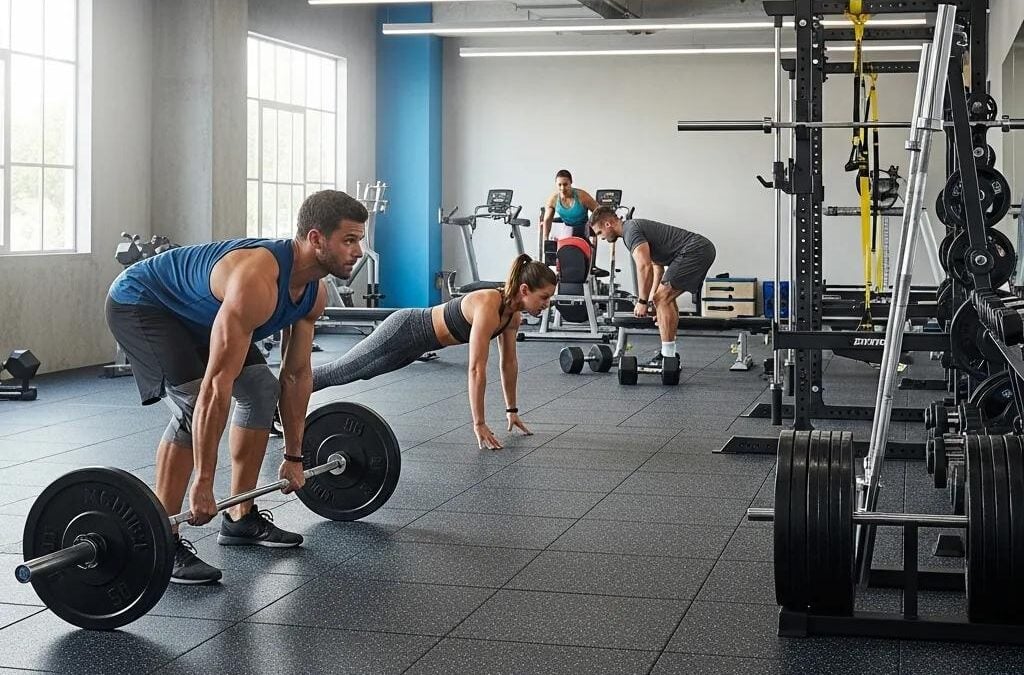
Warm-up & Cool-down. Prioritize Warm-up and Cool-down
A proper warm-up prepares your joints for activity by increasing blood flow and synovial fluid production, improving lubrication and flexibility. A cool-down helps reduce stiffness and promotes recovery.
- Enhancing joint mobility and reducing post-workout stiffness.
- Skipping warm-ups or doing static stretches before lifting heavy, which can reduce power and increase injury risk.
- Begin with 5-10 minutes of light cardio, followed by dynamic stretches that mimic your workout movements.
- Preparation – Crucial.
- Recovery – Aids.
Exercise Selection. Choose Joint-Friendly Exercises and Modify When Needed
While most exercises are safe with good form, some variations or equipment might be more forgiving on your joints. Opt for exercises that allow for a full range of motion without pain, and don’t hesitate to modify movements.
- Individuals with existing joint sensitivities or those seeking lower-impact options.
- Forcing yourself through painful movements or sticking to exercises that consistently aggravate a joint.
- If a barbell squat causes knee pain, try a goblet squat or leg press.
- Adaptability – High.
- Pain Management – Effective.
Listen to Your Body and Prioritize Recovery
Your body provides valuable feedback. Differentiate between muscle fatigue and sharp, persistent joint pain.
- Preventing overuse injuries and promoting long-term joint resilience.
- Ignoring persistent joint pain, pushing through discomfort, or inadequate rest between sessions.
- If you experience sharp joint pain, stop the exercise immediately.
- Self-awareness – Essential.
- Healing – Supports.
The Truth About Weight Training and Joint Health
The idea that weight training inevitably ‘wears out’ your joints is a common misconception. In reality, when performed with proper technique and progressive overload, resistance training can significantly enhance joint health and function.
Weight-bearing exercises stimulate the production of synovial fluid, which lubricates your joints, and strengthens the cartilage, ligaments, and tendons that support them. This increased strength and stability can reduce the risk of sprains, strains, and other injuries, making your joints more resilient to daily activities and the aging process.

For individuals with conditions like arthritis, controlled weight training can even help manage pain, improve mobility, and increase overall functional capacity. It’s about building a protective shield around your joints, not eroding them.Think of your joints like a well-oiled machine.Assuming that any joint sensation during exercise is a sign of damage.Core Principles for Joint-Safe Lifting
Beyond specific exercises, certain core principles form the bedrock of joint-safe weight training. Adhering to these guidelines helps create a sustainable and injury-resistant training practice.
These principles emphasize a mindful approach to lifting, focusing on quality over quantity and respecting your body’s limits and recovery needs. They are universal, applying whether you’re a beginner or an experienced lifter.
Before you even pick up a weight, consider your posture.
Ignoring your body’s signals.

ul>
Recognizing Warning Signs and When to Modify
Even with the best intentions and perfect form, sometimes joint discomfort can arise. Knowing how to interpret these signals is crucial for long-term joint health.
Muscle soreness (DOMS – Delayed Onset Muscle Soreness) is a normal response to exercise, typically appearing 24-48 hours after a workout and feeling like a dull ache in the muscle belly. Joint pain, however, is often sharper, localized to the joint itself, and may persist or worsen with movement.
If you experience persistent joint pain, swelling, or a limited range of motion, it’s time to take action. This might involve resting the affected joint, modifying your exercises, or seeking advice from a healthcare professional.
If you feel a sharp, stabbing pain in your knee during squats, that’s a clear warning sign.
Ignoring persistent joint pain or trying to ‘work through’ it, which can turn a minor issue into a chronic injury.
| Sign | What it Means | Action to Take |
|---|---|---|
| Dull Muscle Soreness. | Normal muscle adaptation. | Continue training, ensure recovery. |
| Sharp Joint Pain. | Potential joint irritation/injury. | Stop exercise, rest, modify, seek advice. |
| Clicking/Popping (painless). | Often harmless, gas release. | Monitor, ensure full ROM, no pain. |
| Clicking/Popping (painful). | Joint instability or damage. | Stop, consult professional. |
When to Seek Professional Advice
While many minor aches can be managed with rest and modification, some situations warrant professional medical attention. If joint pain is severe, accompanied by significant swelling or bruising, limits your daily activities, or persists for more than a few days despite rest, it’s important to.
FAQs
Is heavy weightlifting bad for your joints?
Heavy weightlifting is not inherently bad for your joints, provided you use proper form, progress gradually, and allow for adequate recovery. In fact, lifting heavier weights (within your capacity) can stimulate greater bone density and strengthen the connective tissues around your joints.
Can weight training help with existing joint pain or arthritis?
Yes, for many people with existing joint pain or arthritis, weight training can be highly beneficial. Strengthening the muscles around affected joints provides better support and stability, which can reduce pain and improve function.
How often should I train to protect my joints?
For joint protection and overall health, aiming for 2-3 full-body weight training sessions per week is a good starting point. This frequency allows for sufficient recovery between workouts, which is vital for joint tissue repair and adaptation.
What are some joint-friendly exercises?
Joint-friendly exercises often involve controlled movements and allow for easy modification. Examples include goblet squats, dumbbell rows, push-ups (on knees or elevated surface), lunges (with support if needed), glute bridges, and various machine exercises that provide stability.
Should I avoid certain exercises if I have sensitive joints?
If you have sensitive joints, it’s wise to be cautious with exercises that place direct, high-impact stress or require extreme ranges of motion that cause pain. This might include plyometrics, deep squats or lunges if they cause knee pain, or overhead presses.
Conclusion
The question of whether weight training is safe for joints can be confidently answered with a resounding ‘yes,’ provided it’s approached with knowledge and care. Far from being a source of damage, resistance training is a powerful tool for building stronger, more resilient joints, supported by robust muscles and connective tissues.
By prioritizing proper form, embracing gradual progression, and truly listening to your body’s signals, you can harness the immense benefits of weight training while safeguarding your joint health for years to come. Remember, consistency and smart training choices are your best allies.
Related posts
 How to Strengthen Weak Nails: A Practical Guide to Daily Care
Learn how to strengthen weak nails with simple daily habits, protective care, and targeted hydration. Restore your natural nail strength today. Weak, peeling, or brittle nails…
 What Sounds Do Cats Dislike? 7 Noises That Stress Your Pet
Discover what sounds do cats dislike and why. Learn how to protect your cat’s sensitive hearing from stressful household noises and high-frequency hums. Cats dislike sounds…
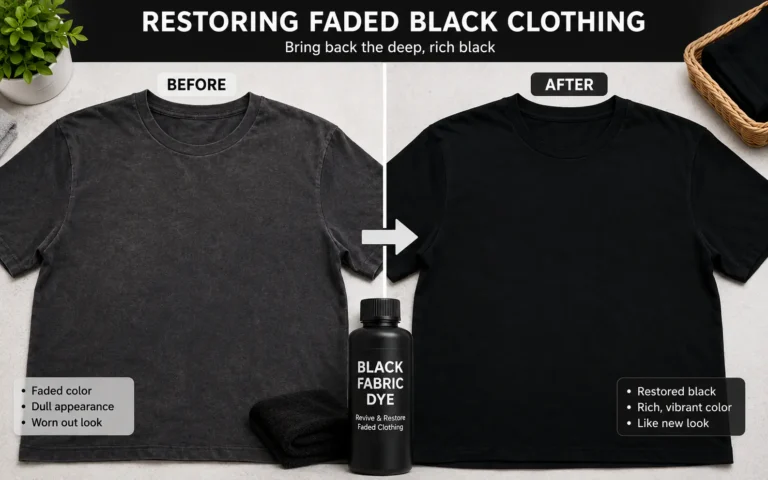 Restoring Faded Black Clothing: Practical Methods and Reality Checks
Can you restore faded black clothing? Learn the difference between temporary color revival and permanent redyeing, plus how to prevent future fading. You can restore the…