
Why Is My Puppy Scared of Everything? Causes & Solutions
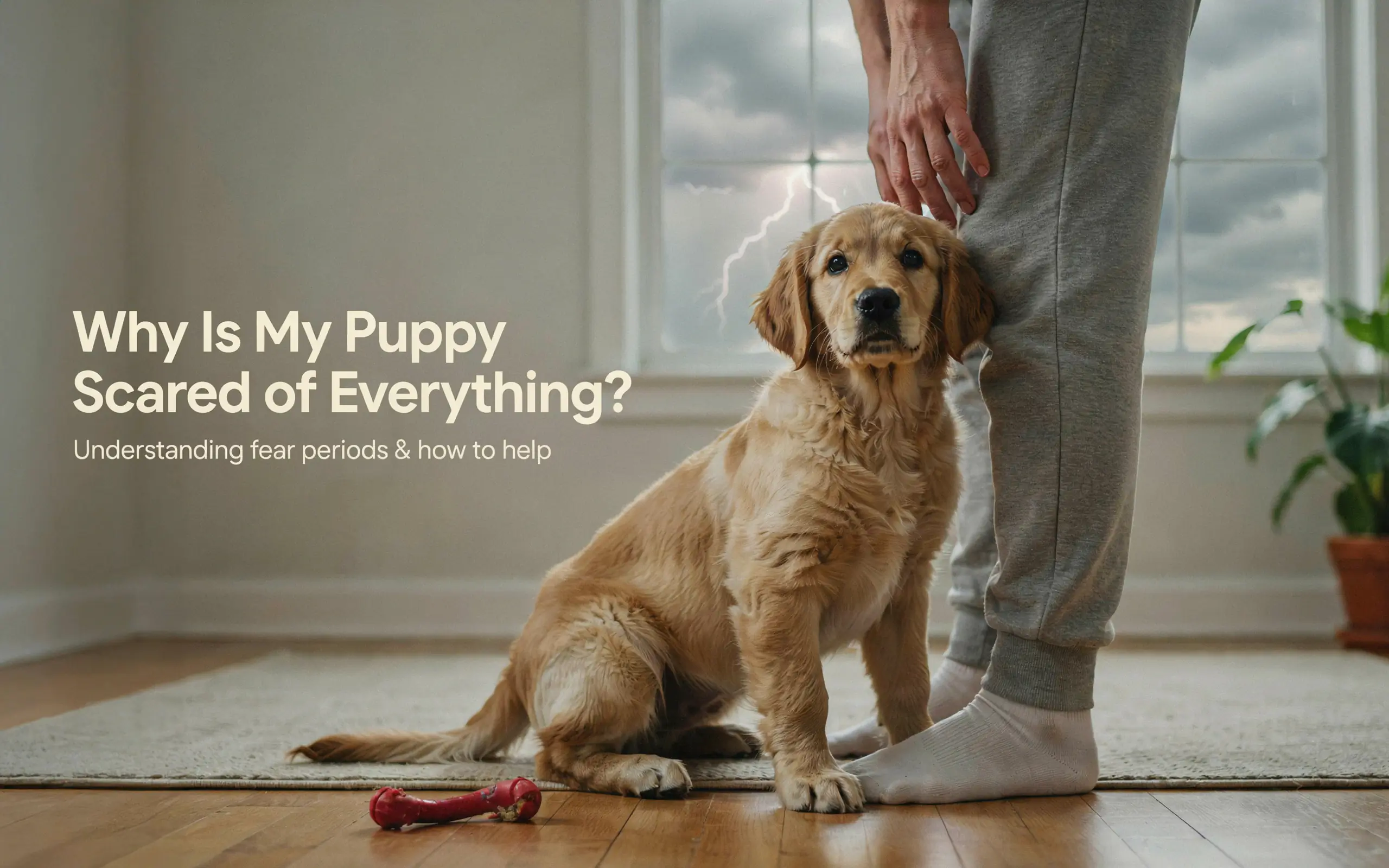
It can be worrying when your puppy seems scared of everything, from the vacuum cleaner to a rustling leaf. This widespread fearfulness in puppies often stems from a combination of factors, including their developmental stage, lack of proper socialization, or even genetic predispositions.
The good news is that most puppies can learn to manage their fears with patience, understanding, and the right approach. This guide will walk you through the common reasons behind your puppy’s anxieties and provide practical strategies to help them build confidence and navigate their environment with less fear.
| Topic | When it helps | What to keep in mind |
|---|---|---|
| Cause 1 | Explaining why puppies might be fearful of common, everyday things. | Overwhelming a puppy with too much too soon can backfire and increase fear. |
| Cause 2 | Understanding that not all fear is solely due to owner actions. | Assuming a puppy’s fear is purely genetic and doing nothing to help them. |
| Cause 3 | Identifying potential triggers for sudden onset of fear. | Minimizing or ignoring a puppy’s negative experiences. |
| Cause 4 | Explaining sudden, seemingly unprovoked fearfulness. | Panicking or punishing the puppy during a fear period; this can worsen the issue. |
Why Is My Puppy So Fearful?
Why Is My Puppy Scared of Everything. When your puppy seems to be afraid of everything, it’s natural to feel concerned. This widespread fear isn’t usually a sign of a ‘bad’ puppy, but rather a reflection of their developmental stage, past experiences, or innate temperament.
The most common culprits include insufficient socialization during their critical developmental windows, genetic predispositions that make them naturally more sensitive, or a specific negative or traumatic experience that has left a lasting impression. Recognizing these potential triggers is the first step in helping your puppy build confidence.
A puppy might suddenly become terrified of the mail carrier because they had a loud, startling interaction with them during a fear period.
Assuming the puppy is ‘bad’ or ‘stubborn’ rather than understanding the behavioral reasons.
Understanding Puppy Fear Periods
Puppies experience developmental phases known as ‘fear periods.’ These are times when they become more aware of their surroundings and potentially more sensitive to things that might seem harmless to us. The most common fear periods occur around 8-10 weeks of age and again between 4-6 months, often referred to as the ‘adolescent fear period‘ or ‘ghost age.
During these times, a puppy might suddenly become wary of things they previously accepted, like the lawnmower, a specific person, or even familiar objects. It’s a natural part of their cognitive development, but it can be alarming for owners.
Trying to ‘force’ a puppy out of a fear period by exposing them to overwhelming stimuli, which can create more fear.
A usually bold 4-month-old puppy might start barking fearfully at shadows or new toys that they previously ignored, indicating they’re likely in a fear period.
- Puppies become more sensitive to new or even familiar stimuli.
- These periods are temporary and a normal part of development.
- Avoid overwhelming your puppy; focus on reassurance and positive experiences.
How to Help Your Scared Puppy Build Confidence
Helping a fearful puppy requires patience, consistency, and a focus on positive experiences. The goal is to gradually build their confidence by creating positive associations with things that scare them, rather than forcing them to confront their fears.
Start by identifying specific triggers. Once you know what scares your puppy, you can begin a process called desensitization and counter-conditioning.
If your puppy is scared of the vacuum, start by running it for very short periods at a distance while giving treats, gradually increasing duration and proximity as they become more comfortable.
Punishing your puppy for showing fear, as this will only make them more anxious and less trusting of you.
- Gradual Exposure: Introduce new things slowly and at a distance your puppy can tolerate.
- Positive Reinforcement: Pair scary things with high-value treats, praise, or play.
- Respect Boundaries: Never force your puppy into a situation that causes extreme distress.
- Create a Safe Space: Ensure your puppy has a den or crate where they can retreat and feel.
- Predictable Routine: A consistent schedule for feeding, potty breaks, and playtime can reduce overall anxiety.
When to Seek Professional Help
While many puppy fears can be managed with consistent, positive training at home, there are times when professional guidance is essential. If your puppy’s fear is severe, persistent, or impacting their quality of life, it’s time to reach out for expert support.
Signs that you should consult a veterinarian or a certified professional dog trainer include extreme panic responses (e.g., uncontrollable shaking, panting, hiding for extended periods), aggression stemming from fear (growling, snapping, biting), or if your puppy’s fear is so pervasive that they are afraid of almost everything, including basic necessities like food or their owner.
Waiting too long to seek help, allowing the fear to become deeply ingrained.
If your puppy’s fear is so intense that they are constantly trembling, refusing to eat, or showing aggression out of fear, it’s time to consult a professional.
- Extreme panic or distress responses.
- Fear-based aggression.
- Inability to function in daily life due to fear.
- Lack of progress despite consistent positive efforts.
- Sudden onset of intense fear without a clear trigger.
Common causes of puppy fear
- Puppy fear is often a normal developmental stage or a result of insufficient socialization.
- Positive, gradual exposure and reward-based methods are key to building confidence.
- Avoid forcing your puppy into scary situations; instead, create positive associations.
- Recognize and respect your puppy’s boundaries and signals of distress.
- Consult a veterinarian or professional trainer if fear is severe or persistent.
Focus on common causes of
Cause 1. Lack of Socialization
Puppies need exposure to a wide variety of sights, sounds, people, and other animals during their critical socialization window (roughly 3 to 16 weeks). If this period is missed or insufficient, they may develop fear towards novel stimuli.
- Explaining why puppies might be fearful of common, everyday things.
- Overwhelming a puppy with too much too soon can backfire and increase fear.
- Gradually introduce new experiences in a positive way, always ensuring your puppy feels safe and has an escape route.
Cause 2. Genetics and Temperament
Some puppies are naturally born with a more sensitive or anxious temperament. This genetic predisposition can make them more prone to fearfulness, even with good socialization.
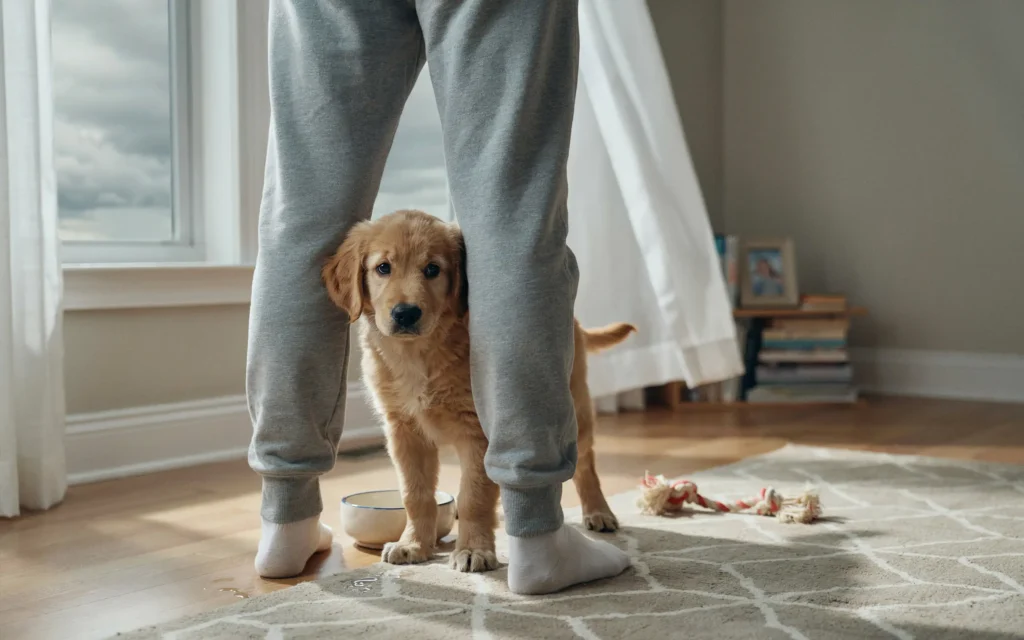
- Understanding that not all fear is solely due to owner actions.
- Assuming a puppy’s fear is purely genetic and doing nothing to help them.
- Work with a naturally anxious puppy by focusing on building their confidence through positive reinforcement and a predictable routine.
Cause 3. Traumatic or Negative Experiences
A single frightening event, such as a loud noise, a rough encounter with another animal, or a scary veterinary visit, can create lasting fear of similar situations or stimuli.
- Identifying potential triggers for sudden onset of fear.
- Minimizing or ignoring a puppy’s negative experiences.
- If you suspect a specific traumatic event, work on counter-conditioning to help your puppy form positive associations with the trigger.
Cause 4. Puppy Fear Periods
Puppies go through developmental ‘fear periods’ (often around 8-10 weeks and again around 4-6 months, sometimes called the ‘ghost age’). During these times, they become more sensitive to their surroundings and may develop new fears.
- Explaining sudden, seemingly unprovoked fearfulness.
- Panicking or punishing the puppy during a fear period; this can worsen the issue.
- Maintain a calm, consistent environment and continue positive reinforcement without forcing interaction during a fear period.
FAQs
Is it normal for puppies to be scared of things?
Yes, it’s very normal for puppies to experience fear. They are learning about the world, and some things will naturally be startling or new.
How long does a puppy fear period typically last?
Puppy fear periods are usually temporary, lasting anywhere from a few weeks to a couple of months. The intensity and duration can vary greatly between individual puppies and their experiences.
How do I get my puppy to stop being scared of everything?
Focus on gradual desensitization and positive reinforcement. Introduce new things slowly, pair them with high-value treats or praise, and always ensure your puppy feels safe.
Can my puppy grow out of being scared of everything?
Many puppies do become less fearful as they mature and gain more positive experiences. However, some may always have a more sensitive temperament.
Should I comfort my puppy when they are scared?
Yes, offer calm reassurance. Avoid overly dramatic comforting, which can inadvertently reinforce the fear.
Conclusion
Seeing your puppy scared of everything can be distressing, but it’s a common challenge many owners face. By understanding the underlying causes, such as lack of socialization or developmental fear periods, you can approach the situation with empathy and effective strategies.
Remember that patience and positive reinforcement are your most powerful tools. Focus on creating a safe, predictable environment and gradually introducing your puppy to the world in a way that builds their confidence.
Related posts
 Is Fitness Safe for Beginners? How to Start Smart and Stay Injury-Free
Wondering is fitness safe for beginners? Learn how to start exercising safely, avoid common mistakes, and build a healthy routine without injury. Get practical tips for…
 Why Is My Cat Losing Weight Fast? Causes & Urgent Next Steps
Discover why is my cat losing weight fast, from common health issues to urgent concerns. Learn what symptoms to watch for and when to seek veterinary…
 What Is Cuticle Care and Why It Matters for Healthy Nails
Discover what is cuticle care involves and why it’s crucial for nail health. Learn how to protect your cuticles from dryness and infection for stronger, healthier…