
Why Dust Control is Important
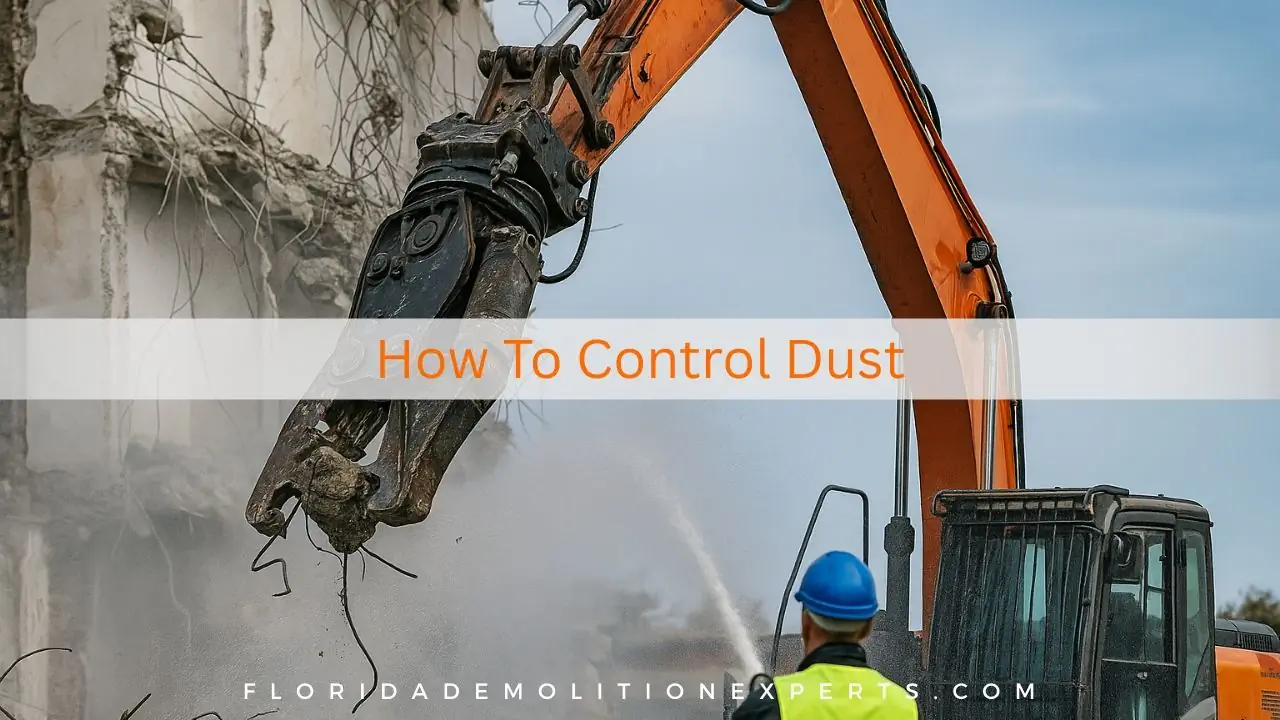
Dust control is important because it directly impacts human health, workplace safety, equipment longevity, and environmental quality. Unmanaged dust can lead to serious respiratory illnesses, reduce visibility, cause equipment breakdowns, and contaminate products. Implementing effective dust control measures helps create safer, healthier, and more efficient environments for everyone.
From industrial sites to homes, understanding the risks associated with airborne particles is the first step. Proper dust management protects people from harmful exposure and safeguards valuable assets.
Why Dust Control is Important: Protecting Human Health
One of the most critical reasons for managing dust is to protect human health. Breathing in fine dust particles can cause a range of health problems, some of which are severe and long-lasting.
Respiratory Issues
Inhaling dust can irritate the lungs and airways. Over time, this can lead to chronic respiratory conditions.
- Asthma and Bronchitis: Dust can trigger asthma attacks and worsen chronic bronchitis. Fine particles inflame the bronchial tubes, making breathing difficult.
- Silicosis: Exposure to crystalline silica dust, common in construction and mining, can cause silicosis. This incurable lung disease leads to scarring of the lungs and severe breathing problems.
- Black Lung Disease: Coal miners are at risk of black lung disease from inhaling coal dust. This condition causes permanent lung damage.
- Cancer: Certain types of dust, like asbestos and some wood dusts, are known carcinogens. Prolonged exposure can significantly increase the risk of lung cancer and other cancers.
Even common household dust can contain allergens, mold spores, and pet dander. These particles can trigger allergic reactions and respiratory discomfort for sensitive individuals.
Skin and Eye Irritation
Dust isn’t just a threat to the lungs. It can also cause problems for the skin and eyes.
- Eye Irritation: Dust particles can get into the eyes, causing redness, itching, and discomfort. In some cases, they can scratch the cornea, leading to more serious eye injuries.
- Skin Problems: Certain dusts can cause skin irritation, rashes, or allergic reactions upon contact. This is especially true for dusts from chemicals or certain plant materials.
Keeping dust levels low helps prevent these common but uncomfortable issues. It contributes to overall comfort and well-being.
Enhancing Workplace Safety
Beyond health, dust control plays a vital role in maintaining a safe working environment. It helps prevent accidents and reduces the risk of serious incidents.
Visibility and Accident Prevention
Why Dust Control is Important. High levels of airborne dust can significantly reduce visibility. This is particularly dangerous in industrial settings, construction sites, and warehouses.
- Reduced Visibility: When dust clouds obscure vision, workers may not see moving vehicles, machinery, or other hazards. This increases the risk of collisions and falls.
- Slippery Surfaces: Dust can settle on floors and surfaces, making them slippery. This creates a tripping hazard, especially when combined with moisture.
Clear visibility is essential for safe operation of equipment and movement of personnel. Effective dust control ensures that workers can see their surroundings clearly.
Fire and Explosion Risks (Combustible Dust)
Some types of dust are combustible, meaning they can catch fire or explode under specific conditions. This is a serious hazard in many industries.
Combustible dust is any fine solid material that can ignite and explode when mixed with air. Examples include wood dust, grain dust, metal dusts (like aluminum or magnesium), plastic dust, and even some textile fibers.
When combustible dust accumulates and is disturbed, it can form a dust cloud. If an ignition source is present, such as a spark, hot surface, or open flame, a primary explosion can occur. This explosion can then shake loose more accumulated dust, leading to a much larger, more destructive secondary explosion.
Controlling combustible dust is not just about cleanliness; it’s about preventing catastrophic events. Regular cleaning and specialized dust collection systems are crucial in these environments.
Preserving Equipment and Infrastructure
Dust is abrasive and can cause significant damage to machinery, electronics, and building structures. Protecting these assets is another key reason why dust control is important.
Reduced Wear and Tear
Fine dust particles can act like sandpaper on moving parts. This leads to increased friction and accelerated wear.
- Machinery Damage: Dust can get into bearings, gears, and other mechanical components, causing them to wear out faster. This results in more frequent breakdowns and costly repairs.
- Electronic Malfunctions: Dust can accumulate on circuit boards and sensitive electronic components. It can cause overheating, short circuits, and system failures.
By keeping dust away from critical equipment, you extend its lifespan. This helps maintain operational reliability.
Lower Maintenance Costs
When equipment is exposed to excessive dust, it requires more frequent cleaning and maintenance. This adds to operational expenses.
Effective dust control reduces the need for constant cleaning and repairs. It means less downtime for maintenance and lower costs for replacement parts.
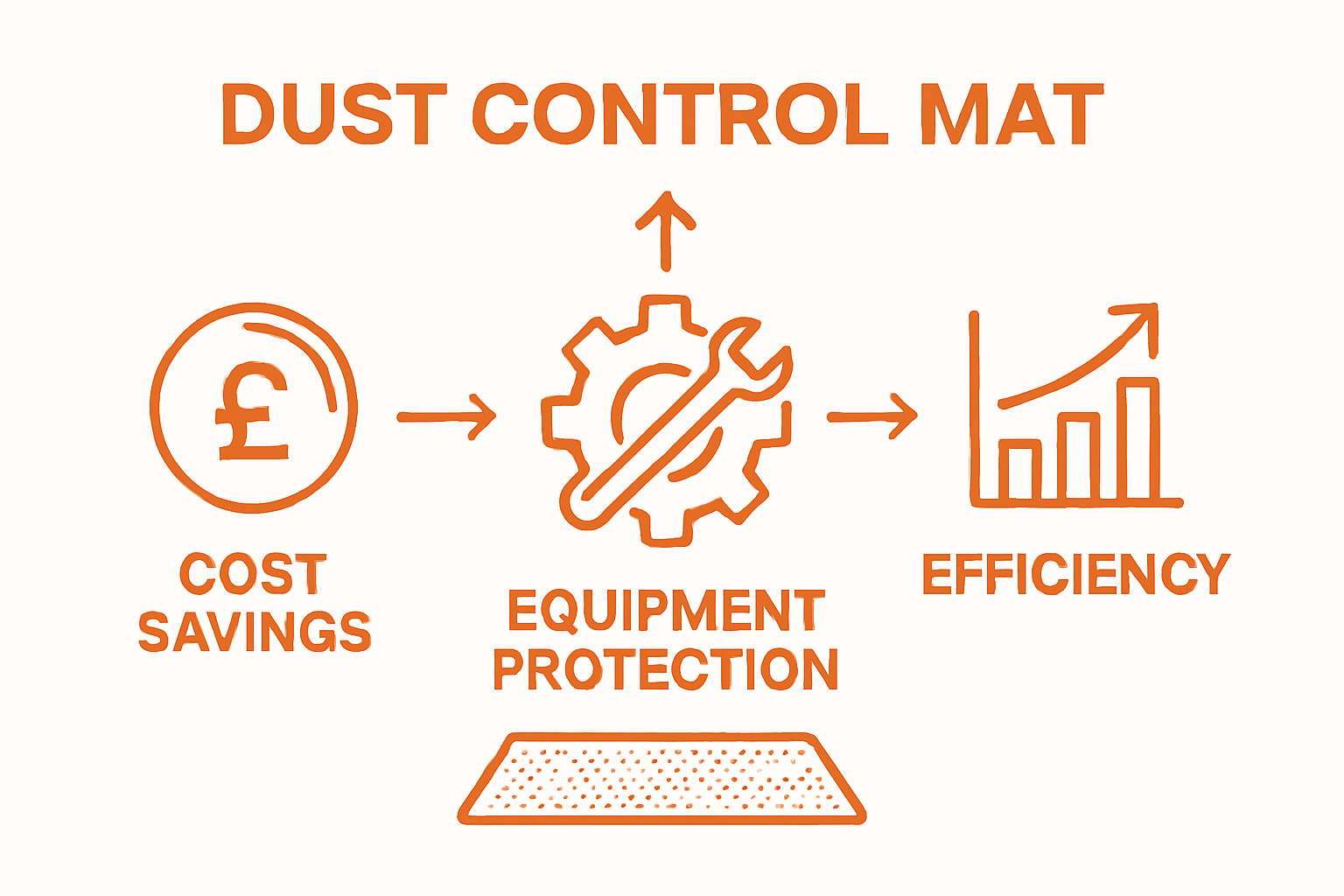
Investing in dust control systems can lead to significant long-term savings. It helps avoid unexpected repair bills and keeps operations running smoothly.
Improved Operational Efficiency
Dust can hinder the performance of various systems. This impacts overall productivity.
- HVAC Systems: Dust clogs filters and coils in heating, ventilation, and air conditioning (HVAC) systems. This reduces their efficiency and increases energy consumption.
- Lighting: Dust accumulation on light fixtures can dim illumination. This forces facilities to use more energy to achieve adequate lighting levels.
Clean environments allow systems to operate at their peak. This leads to better energy efficiency and consistent performance.
Maintaining Product Quality and Cleanliness
In many industries, dust can compromise the quality of products. This is especially true in manufacturing, food processing, and pharmaceutical sectors.
Contamination Prevention
Dust particles can settle on products during manufacturing, packaging, or storage. This leads to contamination.
- Food and Beverage: Dust can introduce foreign particles and microorganisms into food products. This poses health risks and can lead to product recalls.
- Pharmaceuticals: In sterile environments, even tiny dust particles can contaminate medications. This compromises their effectiveness and safety.
- Electronics Manufacturing: Dust can interfere with the delicate processes of making microchips and other electronic components. This causes defects and reduces yields.
Strict dust control is essential for maintaining product purity and integrity. It ensures that products meet quality standards and consumer expectations.
Meeting Regulatory Standards
Many industries are subject to strict regulations regarding air quality and cleanliness. These standards are in place to protect consumers and workers.
Effective dust control helps businesses comply with these regulations. This avoids fines, legal issues, and damage to reputation.
Compliance is not just about avoiding penalties. It demonstrates a commitment to quality and safety. This builds trust with customers and regulatory bodies.
Environmental Impact of Uncontrolled Dust
Dust doesn’t just stay indoors. It can travel long distances and have a negative impact on the wider environment.
Air Pollution
Dust released into the atmosphere contributes to air pollution. This affects local air quality and can have broader ecological consequences.
- Particulate Matter: Fine dust particles, known as particulate matter (PM2.5 and PM10), are a major component of air pollution. They can travel far from their source.
- Smog Formation: Dust can interact with other pollutants in the air, contributing to the formation of smog. This reduces visibility and impacts air quality.
Controlling dust at its source helps reduce overall air pollution. This benefits local communities and ecosystems.
Soil and Water Contamination
When dust settles on land and in water bodies, it can introduce harmful substances. This can negatively affect soil fertility and aquatic life.
Dust from industrial processes or construction sites may contain heavy metals, chemicals, or other toxins. These can leach into the soil and groundwater, impacting agriculture and drinking water sources.
Responsible dust management includes preventing dust from escaping into the environment. This protects natural resources and supports ecological balance.
Common Sources of Dust
Dust is generated in many different environments. Understanding its sources is key to effective control.
Industrial Settings
Many industrial processes create significant amounts of dust. These include manufacturing, mining, and processing plants.
- Grinding and Cutting: Operations involving grinding, cutting, or sanding materials like metal, wood, or stone produce fine particles.
- Crushing and Screening: In mining and aggregate industries, crushing rocks and screening materials generate large volumes of dust.
- Mixing and Conveying: Handling powders, grains, or chemicals through mixing, conveying, or bagging processes can release dust into the air.
These environments often require robust and specialized dust control systems. This ensures worker safety and compliance.
Construction Sites
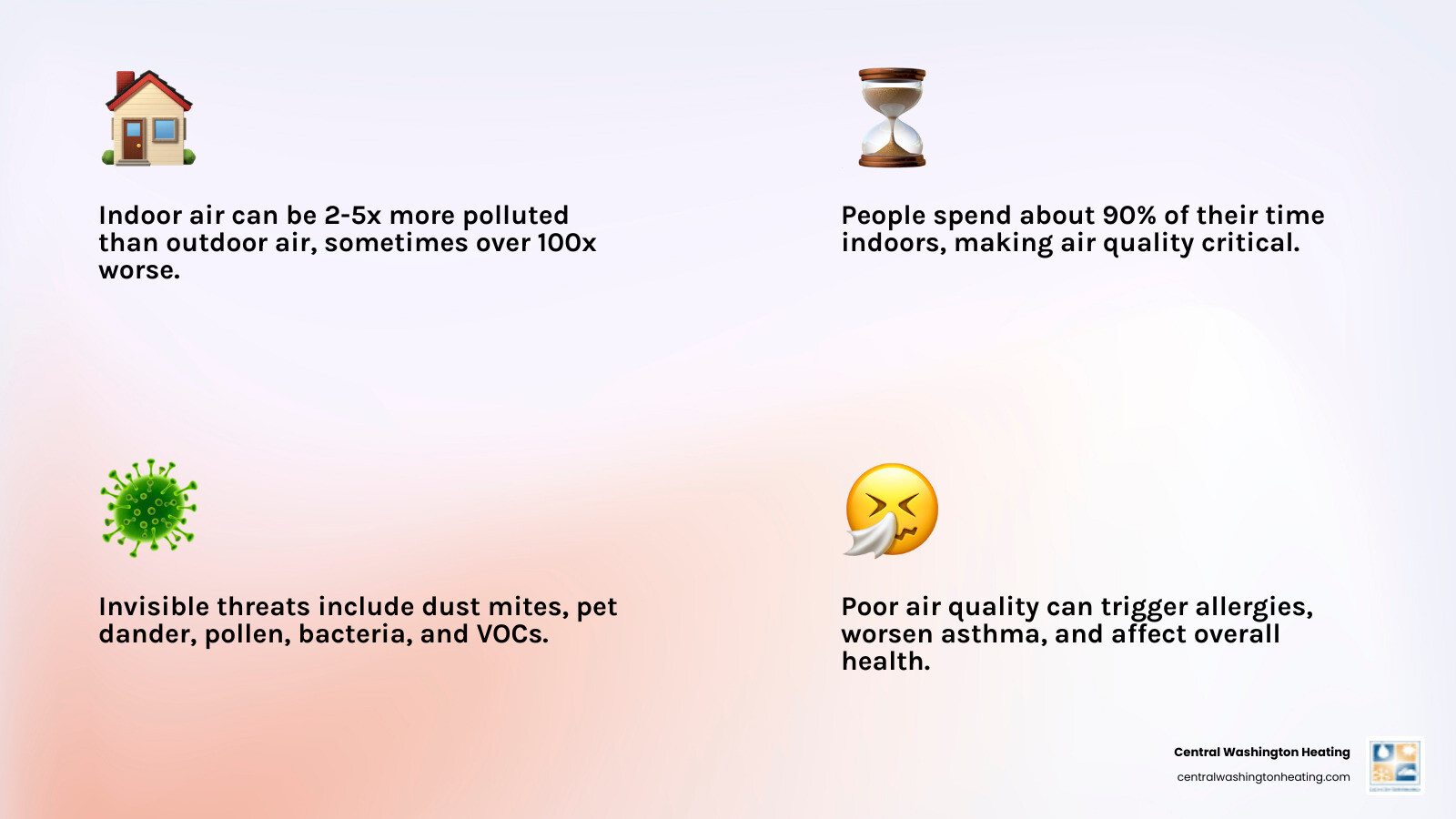
Construction activities are a major source of dust. This affects both workers and nearby communities.
- Demolition: Tearing down old structures releases large amounts of dust from concrete, wood, and other building materials.
- Earthmoving: Excavation, grading, and hauling soil create significant airborne dust, especially in dry conditions.
- Cutting and Drilling: Sawing concrete, drilling into walls, or cutting wood generates fine particulate matter.
Dust control on construction sites often involves a combination of methods. These include water spraying, barriers, and vacuum systems.
Agricultural Operations
Farming activities can also generate substantial dust. This impacts air quality in rural areas.
- Plowing and Tilling: Preparing fields for planting can kick up large amounts of soil dust.
- Harvesting: Harvesting crops like grains, cotton, or hay releases plant matter and soil particles into the air.
- Livestock Operations: Animal housing and feedlots can produce dust from feed, bedding, and animal waste.
Managing agricultural dust helps protect farm workers and nearby residents. It also reduces environmental impact.
Residential and Commercial Buildings
Even everyday indoor environments produce dust. This affects air quality in homes and offices.
- Foot Traffic: People walking track in dirt and shed skin cells and clothing fibers.
- HVAC Systems: Air circulation can stir up settled dust and distribute it throughout a building.
- Cleaning Activities: Sweeping or dusting without proper techniques can temporarily increase airborne dust levels.
Regular cleaning, good ventilation, and air filtration are important for managing indoor dust. This creates healthier living and working spaces.
Effective Dust Control Strategies
Various methods can be used to control dust, depending on the source and environment. A combination of strategies often yields the best results.
| Strategy | Description | Typical Use Cases | Key Benefits |
|---|---|---|---|
| Source Capture | Capturing dust at the point where it is generated using hoods and ducts connected to a dust collector. | Welding, grinding, sanding, mixing operations, woodworking shops. | Prevents dust from becoming airborne, protects workers directly, high efficiency. |
| Ventilation Systems | Using general exhaust ventilation to dilute and remove airborne dust from an area. | Warehouses, large industrial spaces, general room air quality improvement. | Improves overall air quality, removes residual dust. |
| Wet Suppression | Applying water or a water-based solution to dust sources to bind particles together and prevent them from becoming airborne. | Construction sites, mining operations, unpaved roads, demolition. | Reduces airborne dust significantly, cost-effective for outdoor use. |
| Enclosures and Barriers | Isolating dusty processes within enclosed areas or using physical barriers to contain dust. | Crushing plants, material transfer points, specific manufacturing processes. | Contains dust to a specific area, protects workers outside the enclosure. |
| Good Housekeeping | Regular cleaning practices like vacuuming with HEPA filters, wet wiping, and prompt spill cleanup. | All environments (industrial, commercial, residential). | Prevents dust accumulation, reduces secondary dust hazards, improves general cleanliness. |
| Air Filtration | Using air purifiers or HVAC systems with high-efficiency filters to remove airborne dust particles. | Offices, homes, cleanrooms, areas with sensitive electronics. | Improves indoor air quality, removes fine particles, protects sensitive equipment. |
Source Capture
This method involves capturing dust right where it’s made. It uses hoods and ducts to pull dust into a collector before it spreads.
Source capture is highly effective for specific dusty tasks. It protects the worker performing the task and keeps the surrounding air clean.
Ventilation Systems
General ventilation systems work by bringing in fresh air and exhausting dusty air. This dilutes the concentration of dust in a larger space.
While not as targeted as source capture, ventilation helps maintain overall air quality. It is often used in combination with other methods.
Wet Suppression
Wet suppression uses water or a special liquid to dampen dusty materials. This makes the dust particles heavier and prevents them from flying into the air.
This method is common on construction sites and in mining. It’s effective for outdoor areas and large-scale operations.
Enclosures and Barriers
Creating physical barriers or enclosing dusty processes helps contain the dust. This stops it from spreading to other areas.
Enclosures are useful for very dusty operations. They allow other parts of a facility to remain clean and safe.
Good Housekeeping Practices
Regular and proper cleaning is fundamental to dust control. This includes using vacuums with HEPA filters and wet wiping surfaces.
Good housekeeping prevents dust from building up. It reduces the risk of dust becoming airborne later.
Air Filtration
Air purifiers and high-efficiency filters in HVAC systems remove dust particles from the air. They are especially useful in indoor environments.

Air filtration helps improve the air quality in homes, offices, and cleanrooms. It protects people and sensitive equipment.Choosing the Right Dust Control Method
Selecting the best dust control solution depends on several factors. It’s important to assess your specific situation.
Assessing Your Needs
Consider the type of dust, the amount generated, and the size of the area. Different dusts require different approaches.
- Dust Type: Is it wood dust, silica dust, metal dust, or something else? Some dusts are more hazardous or combustible.
- Generation Rate: How much dust is produced? A small workshop will have different needs than a large factory.
- Area Size: Is it a small, enclosed space or a large, open outdoor area?
Understanding these details helps you choose the most effective and efficient methods. It ensures you address the specific challenges of your environment.
Considering Regulations
Many industries have legal requirements for dust exposure limits. These are set by health and safety authorities.
Research the regulations that apply to your industry and location. Your dust control plan must meet or exceed these standards.
Compliance protects your workers and avoids legal penalties. It also shows a commitment to responsible operations.
Cost-Benefit Analysis
Evaluate the costs of implementing dust control versus the benefits. Consider both upfront investment and long-term savings.
While there’s an initial cost, effective dust control saves money in the long run. It reduces health issues, equipment damage, and potential fines.
The benefits of a healthier workforce and longer-lasting equipment often outweigh the initial expenses. It’s an investment in safety and efficiency.
FAQs
What are the main health risks of dust?
The main health risks of dust include respiratory problems like asthma, bronchitis, silicosis, and even lung cancer from certain dust types. Dust can also cause eye irritation and skin issues.
How does dust affect machinery?
Dust acts as an abrasive, causing increased wear and tear on moving parts, leading to breakdowns. It can also clog filters, cause electronic malfunctions, and reduce the efficiency of HVAC systems, increasing maintenance costs.
Is dust control required by law?
Yes, in many industries and regions, dust control is legally required. Health and safety regulations often set limits on airborne dust exposure to protect workers. Compliance helps avoid fines and ensures a safe workplace.
What is combustible dust?
Combustible dust is any fine solid material that can catch fire and explode when mixed with air. Common examples include wood dust, grain dust, and metal dusts. It poses a serious risk of fires and explosions in industrial settings.
Can dust control save money?
Absolutely. While there’s an initial investment, dust control saves money by reducing equipment damage and extending its lifespan. It also lowers maintenance costs, improves operational efficiency, and helps avoid costly health-related claims or regulatory fines.
Conclusion
Understanding why dust control is important reveals its far-reaching benefits for health, safety, and operational efficiency. From protecting workers from serious respiratory illnesses to preventing equipment damage and reducing environmental impact, effective dust management is essential.
Implementing appropriate strategies, such as source capture, wet suppression, and good housekeeping, creates cleaner, safer, and more productive environments. Take the necessary steps to assess your dust sources and put a robust control plan in place today.
Related posts
 Best Gas Stove Safety Devices for 2026: Child and Pet Proofing Solutions
Keep your kitchen secure with our 2026 guide to the best gas stove safety devices. Compare top-rated knob covers for child and pet proofing your home.…
 Top Water Purifier for Kitchen Choices in 2026
Looking for the top water purifier for kitchen use? Explore our 2026 guide to the best faucet-mount, pitcher, and under-sink systems for cleaner drinking water. Finding…
 Top Kitchen Tissue for Daily Cleaning: 2026 Buyer Guide
Find the top kitchen tissue for daily cleaning in 2026. We compare five popular paper towel options to help you choose the right strength and value…