
Why Does My Dog Lick His Paws Constantly? Causes & Solutions
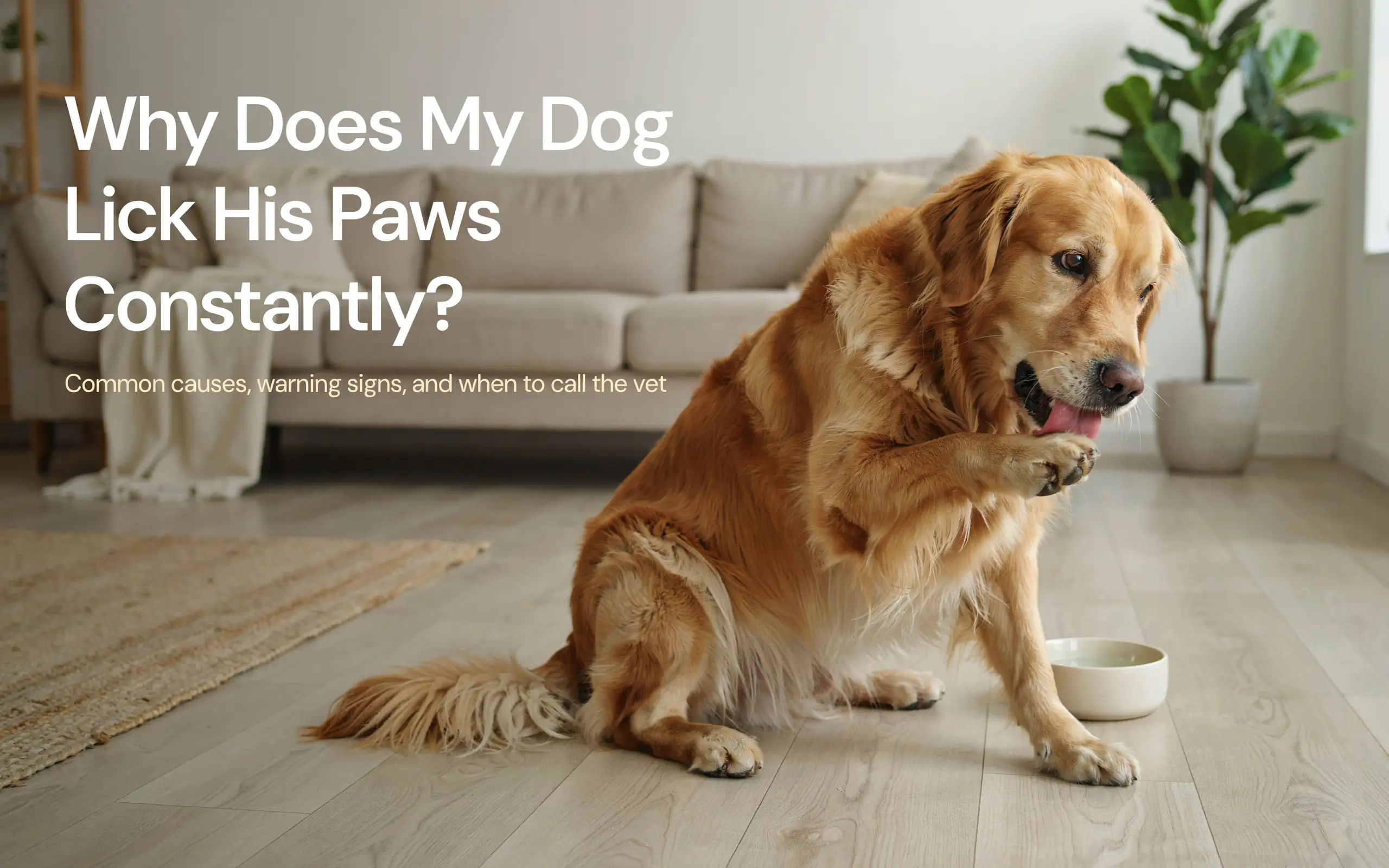
If your dog is constantly licking their paws, it’s a sign that something is bothering them. This behavior isn’t just a quirky habit; it’s often a way for your dog to communicate discomfort, pain, or stress.
The reasons behind excessive paw licking can range from simple environmental irritants to more complex medical conditions or behavioral issues. By carefully observing your dog and considering various possibilities, you can begin to troubleshoot the problem and determine the best course of action, whether it’s a simple home remedy or a visit to your veterinarian.
| Topic | When it helps | What to keep in mind |
|---|---|---|
| Medical Causes | Dogs showing redness, swelling, or signs of itching elsewhere on the body. | Ignoring allergies can lead to chronic skin issues and secondary infections. |
| Medical Causes | Dogs with a persistent, often yeasty smell, or visible signs of irritation like sores or scabs. | Untreated infections can spread and become more difficult to manage. |
| Medical Causes | Dogs that suddenly start licking one specific paw, or show limping or reluctance to put weight on it. | Licking an injury can prevent healing and introduce bacteria. |
| Behavioral Causes | Dogs with a history of anxiety, or those experiencing changes in their environment or routine. | Compulsive licking can become a habit that persists even after the initial stressor is gone. |
| Behavioral Causes | Dogs that lick their paws excessively and compulsively, even when no obvious physical or emotional trigger is present. | This requires professional intervention and may involve behavioral modification and sometimes medication. |
Understanding Why Your Dog Licks Their Paws Constantly
Why Does My Dog Lick His Paws Constantly. When your dog’s paw licking goes from occasional to constant, it’s a clear signal that something is amiss. This behavior is rarely just a simple habit; it’s a dog’s way of communicating discomfort, pain, or emotional distress.
The key to resolving this issue lies in identifying the root cause. Dogs lick their paws for a variety of reasons, which can be broadly categorized into medical issues, behavioral problems, or environmental factors.
Imagine your dog, Buster, has started licking his front left paw after every walk.
Common Causes of Excessive Paw Licking
Pinpointing the exact reason for your dog’s paw licking often requires detective work. The most common culprits fall into a few key categories, and understanding these can guide your next steps.
Medical issues are frequently at the top of the list. Allergies are a major contributor, whether they are environmental (like pollen, dust mites, or mold) or food-related.
Assuming the cause is purely behavioral without ruling out medical issues first, as this can delay necessary treatment.
If your dog, Daisy, starts licking her paws intensely after playing in a freshly mowed yard, it might point to grass allergies or a reaction to lawn treatments.
Allergies and Skin Irritations
Environmental allergies are a frequent cause of itchy paws. Think pollen during spring, dust mites in the home, or even mold.
- Redness or inflammation of the paw pads and between toes.
- Increased licking after walks or exposure to certain environments.
- Dry, flaky skin or small sores.
When to Seek Veterinary Help
While some causes of paw licking can be managed at home, there are critical signs that indicate your dog needs professional veterinary attention. Early diagnosis and treatment are vital for your dog’s well-being and can prevent more serious complications.
If you notice any of the following, it’s time to schedule an appointment with your veterinarian. These signs often point to medical issues that require diagnosis and treatment by a professional.
If your dog’s paw is visibly swollen, bleeding, or they are limping severely, it’s time to call the vet immediately, rather than trying home remedies.
Waiting too long to see a vet when the licking is severe, causing sores, or accompanied by other concerning symptoms, which can worsen the condition.

- Visible sores, bleeding, or raw skin on the paws.
- Limping or inability to bear weight on a paw.
- Swelling or significant redness of the paw.
- A foul odor emanating from the paws.
Home Care and Prevention Strategies
Once you have a better understanding of potential causes, you can implement strategies at home to help your dog. These range from simple hygiene practices to environmental adjustments and behavioral enrichment.
Keeping your dog’s paws clean and dry is fundamental. After walks, especially in areas where irritants like salt, chemicals, or mud are present, gently rinse your dog’s paws with lukewarm water and dry them thoroughly.
Using human-grade topical treatments or essential oils on your dog’s paws without veterinary approval, as some can be toxic.
After a walk on a salty sidewalk, thoroughly rinse your dog’s paws with plain water and dry them completely to prevent irritation.
- Regularly clean and dry your dog’s paws after outdoor activities.
- Inspect paws for cuts, thorns, or foreign objects daily.
- Use vet-approved paw balms to protect against dryness and irritation.
- Provide ample physical exercise and mental stimulation.
Medical causes (allergies infections injuries)
- Constant paw licking often signals an underlying issue, not just a habit.
- Allergies, infections, injuries, and behavioral problems are the most frequent culprits.
- Observe your dog for other symptoms to help pinpoint the cause.
- Consult your veterinarian if the licking is severe, persistent, or accompanied by other concerning signs.
This article must cover the
Medical Causes. Allergies and Skin Irritations
Environmental allergies (pollen, dust mites, mold) or food allergies can cause itchy paws. Contact irritants like chemicals, salt on roads, or rough surfaces can also lead to discomfort and licking.
- Dogs showing redness, swelling, or signs of itching elsewhere on the body.
- Ignoring allergies can lead to chronic skin issues and secondary infections.
- Check paws for redness, swelling, or dryness.
- Category – Medical.
Medical Causes. Infections and Parasites
Bacterial or fungal infections (like yeast) can thrive in moist paw areas, causing itching and odor. Fleas, ticks, or mites can also cause localized irritation leading to licking.
- Dogs with a persistent, often yeasty smell, or visible signs of irritation like sores or scabs.
- Untreated infections can spread and become more difficult to manage.
- Examine paw pads and between toes for any unusual discharge, redness, or signs of parasites.
- Category – Medical.
Medical Causes. Injuries and Pain
A thorn, cut, broken nail, sprain, or even arthritis can cause pain or discomfort in a paw, leading the dog to lick the affected area for relief.
- Dogs that suddenly start licking one specific paw, or show limping or reluctance to put weight on it.
- Licking an injury can prevent healing and introduce bacteria.
- Gently inspect each paw for cuts, swelling, foreign objects, or signs of tenderness when touched.
- Category – Medical.
Behavioral Causes. Anxiety, Stress, and Boredom
Dogs may lick their paws as a self-soothing mechanism when they are anxious, stressed (e.g., separation anxiety, loud noises), or simply bored and seeking stimulation.
- Dogs with a history of anxiety, or those experiencing changes in their environment or routine.
- Compulsive licking can become a habit that persists even after the initial stressor is gone.
- Consider recent changes in your dog’s life or environment.
- Category – Behavioral.
Behavioral Causes. Compulsive Disorder (OCD)
In some cases, paw licking can develop into a compulsive behavior, similar to Obsessive-Compulsive Disorder in humans. This is often a learned behavior that becomes difficult to break.
- Dogs that lick their paws excessively and compulsively, even when no obvious physical or emotional trigger is present.
- This requires professional intervention and may involve behavioral modification and sometimes medication.
- If licking is intense, repetitive, and interferes with normal activities, professional behavioral assessment is recommended.
- Category – Behavioral.
FAQs
Can my dog’s paw licking be a sign of something serious?
Yes, constant paw licking can indicate serious issues like severe allergies, infections, injuries, or significant anxiety. It’s important to observe for other symptoms and consult a vet if the licking is persistent or causes.
How can I stop my dog from licking their paws immediately?
While immediate stopping is difficult, you can try distracting your dog with a toy or treat, or gently redirecting their attention. For persistent licking, a vet-approved bitter spray or a cone may be necessary.
Is it okay to use human lotions or ointments on my dog’s paws?
It’s generally not recommended. Many human products contain ingredients that can be toxic if ingested by dogs, or they may not be suitable for canine skin.
How long does it take to resolve paw licking issues?
The resolution time varies greatly depending on the cause. Simple irritations might resolve in a few days with home care, while allergies or behavioral issues can take weeks or months of consistent management and.
What are the signs of a yeast infection on my dog’s paws?
Signs of a yeast infection include a persistent yeasty or musty odor, redness, itching, and sometimes a greasy or slimy feel to the paws. The skin might also appear discolored or thickened.
Conclusion
Constant paw licking in dogs is a common concern that, while often treatable, requires careful attention to its underlying cause. Whether it stems from allergies, an injury, or emotional distress, understanding the ‘why’ is crucial for providing effective relief.
By systematically exploring the possibilities, from environmental irritants to behavioral triggers, and knowing when to seek professional veterinary advice, you can help your dog overcome this bothersome habit and ensure their paws remain healthy and comfortable.
Related posts
 How to Strengthen Weak Nails: A Practical Guide to Daily Care
Learn how to strengthen weak nails with simple daily habits, protective care, and targeted hydration. Restore your natural nail strength today. Weak, peeling, or brittle nails…
 What Sounds Do Cats Dislike? 7 Noises That Stress Your Pet
Discover what sounds do cats dislike and why. Learn how to protect your cat’s sensitive hearing from stressful household noises and high-frequency hums. Cats dislike sounds…
 Restoring Faded Black Clothing: Practical Methods and Reality Checks
Can you restore faded black clothing? Learn the difference between temporary color revival and permanent redyeing, plus how to prevent future fading. You can restore the…