
Why Do I Lose Motivation To Exercise

Struggling to stay active? This guide explores why I lose motivation to exercise and offers practical solutions to help you build a lasting fitness habit that actually works.
Have you ever started an exercise routine with lots of energy, only to find yourself skipping workouts a few weeks later? You are not alone. Most people have asked themselves at some point, “Why do I lose motivation to exercise?” This question comes up again and again, and it affects people of all ages and fitness levels.
The truth is, losing motivation to exercise is completely normal. It does not mean you are lazy or weak. It means your brain and body are responding to a mix of psychological, physical, and environmental factors. The good news is that when you understand why this happens, you can take clear steps to fix it.
Why Do I Lose Motivation To Exercise. In this article, we will look at the real reasons behind this common problem. We will also give you simple, proven strategies to help you stay consistent. Whether you are a beginner or someone who has tried many times before, this guide will help you move past the blocks that keep you from reaching your fitness goals.
Section 1: The Real Reasons I Lose Motivation to Exercise
Why Do I Lose Motivation to Exercise? The Psychological Factors
The mind plays a huge role in whether we stick to exercise. Often, the problem is not physical. It is mental. Many people feel excited at first, but that feeling fades. Why does that happen?
The Expectation vs. Reality Gap
When you start exercising, you might expect quick changes. You imagine losing weight fast or gaining muscle in just a few weeks. But real change takes time. When the scale does not move or your clothes do not fit differently right away, you may feel let down.
This gap between what you expect and what actually happens can make you feel like you are failing. That feeling builds up, and soon you start to ask, “Why do I lose motivation to exercise?” The answer is often that your goals were not matched with a realistic timeline.
Comparing Yourself to Others
Social media is full of fit people doing amazing things. When you see these posts, it is easy to feel like you are not good enough. You might think, “I will never look like that,” or “What is the point?”
This kind of comparison is harmful. It takes your focus away from your own progress and puts it on an impossible standard. Remember that most of what you see online is carefully staged. Everyone starts somewhere, and your journey is yours alone.
The All-or-Nothing Mindset
Some people think that if they cannot do a perfect workout, they should not do anything. This is called the all-or-nothing mindset. It says that a 30-minute walk is not worth it if you cannot run for an hour. But that is not true.
Every bit of movement counts. When you let go of the need for perfection, you remove a big reason why you lose motivation to exercise. A short workout is always better than no workout.
Physical Blocks That Make Me Lose Motivation to Exercise
Sometimes the problem is not in your head. Your body might be sending you signals that you need to pay attention to.
Constant Fatigue and Low Energy
If you are always tired, working out feels like a huge effort. You might feel drained before you even start. This is often connected to poor sleep, not eating enough, or stress.
When your energy is low, it is much harder to find the will to move. In these cases, you do not lose motivation to exercise because you are lazy. You lose it because your body is running on empty.
Physical Discomfort or Pain
Exercise should not be painful. If you feel sharp pain, something is wrong. Many people push through pain and end up hurting themselves. After that, they avoid exercise altogether because they are scared of getting hurt again.
It is important to know the difference between good soreness and bad pain. Good soreness comes from using your muscles. Bad pain is sharp and feels wrong. If you feel bad pain, stop and rest.
Lack of Immediate Results
Our brains like rewards. When you exercise, the reward often comes later. You might feel better in a few weeks, but your brain wants a payoff now. When that payoff does not come, it is natural to lose motivation to exercise.
This is where small goals can help. Instead of focusing on weight loss, focus on how you feel after a workout. Did you have more energy? Did you sleep better? These are immediate rewards that your brain can appreciate.
Environmental and Lifestyle Factors That Cause Me to Lose Motivation to Exercise
Your environment has a big impact on your habits. If your surroundings do not support your goals, you will struggle.
A Busy and Unpredictable Schedule
Life gets busy. Work, family, and other responsibilities take up your time. When you have a full day, exercise often gets pushed to the bottom of the list.
This is one of the most common reasons why people lose motivation to exercise. You plan to work out in the evening, but something comes up. Or you are too tired after a long day. When this happens day after day, it feels like you will never find the time.
Lack of Support from People Around You
The people you spend time with can help or hurt your fitness journey. If your friends and family do not support your efforts, it can be hard to stay on track. They might not understand why you want to exercise, or they might even make jokes about it.
Having a support system is very important. When you have people who cheer you on, you are more likely to keep going. Without that, you may lose motivation to exercise more quickly.
Section 2: The Science Behind My Motivation to Exercise
What Happens in the Brain When I Lose Motivation to Exercise?
To truly understand this problem, we need to look at brain chemistry. Our brains run on chemicals that affect how we feel and act. Two key chemicals are dopamine and serotonin.
Dopamine is the reward chemical. It gives you a good feeling when you do something enjoyable. Exercise can release dopamine, but it often takes time. If your brain does not get that reward quickly, you might not feel like doing it again.
Serotonin affects your mood. Regular exercise can boost serotonin, which makes you feel better overall. But this effect builds up over time. In the early days, you may not feel the full benefit, which is another reason why you lose motivation to exercise.
The Role of the Habit Loop
Our brains love habits. A habit has three parts: a trigger, a routine, and a reward. If you want to make exercise a habit, you need all three parts to work.
The trigger is what tells your brain to start. It could be an alarm clock, a gym bag by the door, or a specific time of day. The routine is the exercise itself. The reward is how you feel after.
If any part of this loop is missing, the habit will not form. For example, if you do not have a clear trigger, you might forget to exercise. If the reward is not strong enough, you will not want to repeat the routine. This is a key reason why I lose motivation to exercise so often.

The Science of Motivation Loss
| Factor | Effect on Motivation | Solution |
|---|---|---|
| Low Dopamine | You do not feel rewarded | Set small, easy goals for quick wins |
| No Habit Loop | You forget or avoid exercise | Create a clear trigger and reward |
| High Stress | Cortisol blocks motivation | Add rest and recovery days |
| Lack of Variety | Boredom sets in | Try new activities regularly |
Section 3: Practical Strategies to Stop Losing Motivation to Exercise
How to Build a System That Works for You
Instead of relying on willpower, build a system. Systems are more reliable than motivation. They work even when you do not feel like it.
Start Very Small
One of the best ways to beat the motivation problem is to start small. Do not try to work out for an hour on your first day. Start with five minutes. That is it.
When you start small, you remove the mental block. It is hard to say no to a five-minute workout. Once you start, you will often keep going. But even if you stop after five minutes, you have still done something good for yourself.
This simple trick helps many people who often lose motivation to exercise. It takes the pressure off and builds a sense of achievement.
Schedule Your Workouts Like Meetings
Do not leave your workout to chance. Put it on your calendar. Treat it like an important meeting that you cannot miss.
When you schedule your exercise, you make it a priority. It is no longer something you do if you have time. It becomes a fixed part of your day. This takes away the need to decide. The decision is already made.
Make It Fun
If you hate running, do not run. Find something you actually like. Dance, swim, bike, hike, or do yoga. When you enjoy an activity, you do not need to force yourself to do it.
Many people lose motivation to exercise because they choose activities they do not enjoy. They think they must do certain things to get results. But the best exercise is the one you will actually do.
How to Get Back on Track When I Lose Motivation to Exercise
Everyone falls off the wagon sometimes. The key is knowing how to get back on.
Forgive Yourself and Move On
If you miss a workout, do not beat yourself up. Guilt does not help. It only makes you feel worse.
Instead, say to yourself, “I missed today, but I will try again tomorrow.” This simple shift in thinking can make a big difference. You do not lose motivation to exercise because you missed one day. You lose it when you let one missed day turn into a week or a month.
Focus on How You Feel, Not How You Look
When you focus only on appearance, you set yourself up for disappointment. Bodies change slowly. But how you feel can change quickly.
Pay attention to your energy, your mood, and your sleep. Notice if you feel less stressed or more focused. These are real benefits that happen faster than visible changes. When you focus on these, you have more reasons to keep going.
Reward Yourself the Right Way
Rewards are powerful, but they must be chosen carefully. Do not reward a workout with a high-calorie treat. That sends a mixed message.
Instead, reward yourself with something that supports your goals. Buy a new workout shirt. Get a massage. Watch your favorite show. These rewards reinforce the behavior without undoing your progress.
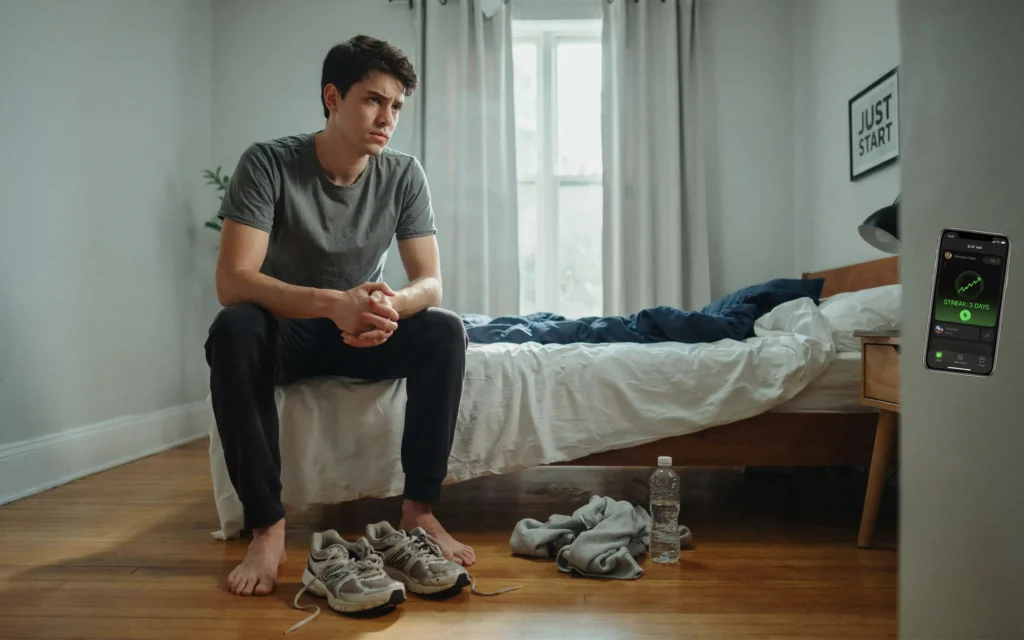
Quick Fixes When You Lose Motivation to Exercise
| Problem | Quick Fix |
|---|---|
| Feeling tired | Do a gentle stretching routine |
| Feeling bored | Try a new class or workout video |
| No time | Do a 10-minute high-intensity workout |
| No energy | Eat a small snack and rest for 15 minutes |
| Feeling sad | Exercise with a friend or in a group |
Section 4: The Mental Shift That Changes Everything
Reframing Your Relationship with Exercise
Many people see exercise as a punishment. They think they have to do it to make up for eating too much or not being perfect. This is a harmful way to think.
Instead, see exercise as a gift you give yourself. It is a way to care for your body and your mind. When you change your mindset, you stop fighting yourself. You start working with yourself.
Dr. John Ratey, a clinical professor of psychiatry, puts it this way:
“Exercise is the single most powerful tool you have to optimize your brain function.”
This quote is important because it shows that exercise is about more than just looking good. It is about feeling good and thinking clearly. When you see the bigger picture, it is easier to stay on track.
Let Go of All-or-Nothing Thinking
Perfectionism is a big reason why people lose motivation to exercise. You miss one day and feel like you have failed. But fitness is not a straight line. It is full of ups and downs.
The goal is not to be perfect. The goal is to be consistent over a long period. If you work out three times a week for a year, that is a huge success. The few days you miss do not matter in the big picture.
Dr. Kelly McGonigal, a health psychologist, says:
“The people who are most successful at sticking with exercise are the ones who accept that they will have setbacks and plan for them.”
This is a wise approach. Expect challenges, and have a plan for when they come. That way, when you lose motivation to exercise, you already know what to do.
Find Your Deeper Why
Why do you want to exercise? Your answer should go deeper than “to lose weight.” Think about what you really want.
Do you want to be able to play with your kids? Do you want to have more energy for your day? Do you want to feel more confident? These deeper reasons are much more powerful than surface goals.
When you connect to your deeper why, you have a steady source of motivation. It does not fade as quickly because it is tied to your values and your life.
Section 5: Long-Term Strategies That Keep Motivation Strong
How to Make Exercise a Lasting Part of Your Life
Building a lifelong habit takes time. It is not about doing everything right from day one. It is about learning, adjusting, and growing.
Build Your Identity as an Active Person
Your identity is how you see yourself. If you see yourself as someone who exercises, it becomes natural to do it. You do not have to force yourself. It is just who you are.
Start saying to yourself, “I am an active person.” When you make a choice, ask yourself, “What would an active person do?” This small shift in self-talk can have a big impact.
Track Your Progress in a Meaningful Way
Tracking can be helpful, but only if you track the right things. Do not just track your weight. Track your strength, your endurance, your flexibility, and your energy levels.
Keep a simple log of your workouts and how you feel. Over time, you will see patterns. You will see that when you exercise, you feel better. You will see that your strength is growing. This visible proof helps you stay on track.
Have a Backup Plan
Life is unpredictable. There will be days when your plan does not work. Have a backup plan ready.
If you cannot make it to the gym, have a home workout ready. If you do not have 30 minutes, have a 10-minute routine. When you have options, you have no excuse. You take away the chance to lose motivation to exercise because one thing went wrong.
Celebrate Small Wins
Do not wait until you hit a big goal to celebrate. Celebrate every step along the way. Did you work out three times this week? That is a win. Did you go for a walk instead of sitting on the couch? That is a win.
When you celebrate small wins, you build positive momentum. You teach your brain that exercise is a good thing. This makes it much easier to keep going.
Dr. Judson Brewer, a psychiatrist and addiction expert, reminds us:
“The best way to change a habit is to make the behavior more rewarding than the urge.”
This is a powerful idea. When exercise becomes more rewarding than skipping it, you will naturally choose to do it.
Frequently Asked Questions
Q1: Why do I lose motivation to exercise even when I know it is good for me?
This happens because knowing and doing are different things. Your brain likes quick rewards. Exercise gives long-term benefits, but your brain wants payoff now. This gap is the main reason you lose motivation to exercise. To fix it, focus on small, immediate rewards like feeling good after a walk.
Q2: How can I stay motivated when I am very busy?
When you are busy, motivation is harder to find. The best solution is to schedule exercise like any other task. Put it in your calendar. Also, keep workouts short. A 10-minute workout is much better than nothing. Short, regular sessions are more realistic than long ones.
Q3: What should I do when I completely lose motivation to exercise?
First, be kind to yourself. It is okay to take a break. Then, start again very small. Do a five-minute walk or a few stretches. Build from there. Often, the hardest part is getting started. Once you start, it gets easier.
Q4: Is it normal to lose motivation to exercise after a few weeks?
Yes, it is completely normal. Many people feel excited at first, but that feeling fades. This is called the “honeymoon phase.” After that, you need systems and habits to keep you going. Do not feel bad about it. It happens to almost everyone.
Q5: Does my mood affect my motivation to exercise?
Yes, your mood has a big effect. When you feel sad or stressed, it is harder to find the energy to move. The tricky part is that exercise actually helps improve your mood. So, even when you do not feel like it, moving a little can help you feel better.

Conclusion
Why do I lose motivation to exercise? The answer is complex. It involves your brain, your body, your environment, and your mindset. But the good news is that none of these factors are permanent. You can change each one.
You can start small. You can schedule your workouts. You can find activities you enjoy. You can forgive yourself when you miss a day. You can focus on how you feel instead of how you look. You can build a support system. You can track your progress in a meaningful way.
The key is to stop relying on motivation alone. Motivation comes and goes. It is like the weather. It changes. But your habits and your systems are like a strong building. They stand firm even when the weather is bad.
When you shift from motivation to habit, exercise stops feeling like a chore. It becomes a regular part of your life. You no longer have to ask, “Why do I lose motivation to exercise?” because you no longer need motivation. You just do it.
This process takes time, and it is not always easy. But it is worth it. Your health is your most valuable resource. Exercise is one of the best ways to protect it. So, start today. Start small. And keep going. You can do this.
Summary of Key Points
- Losing motivation to exercise is normal and happens to most people.
- Psychological factors like comparison, perfectionism, and unrealistic expectations play a big role.
- Physical factors like fatigue, pain, and lack of immediate results also affect motivation.
- Your environment and lifestyle, including your schedule and support system, are very important.
- Building a system of small habits is more effective than relying on willpower.
- Focus on how you feel after exercise, not just on appearance.
- Celebrate small wins to build positive momentum.
- Have a backup plan for when things go wrong.
- Exercise is not a punishment. It is a gift you give yourself.
Remember, every step counts. Every workout matters. Even on the days when it is hard, showing up is a victory. Keep showing up, and your body and mind will thank you.
Related posts
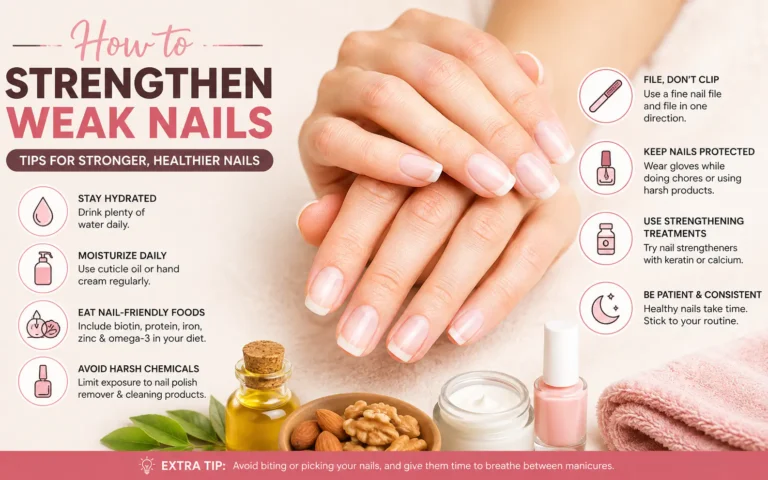 How to Strengthen Weak Nails: A Practical Guide to Daily Care
Learn how to strengthen weak nails with simple daily habits, protective care, and targeted hydration. Restore your natural nail strength today. Weak, peeling, or brittle nails…
 What Sounds Do Cats Dislike? 7 Noises That Stress Your Pet
Discover what sounds do cats dislike and why. Learn how to protect your cat’s sensitive hearing from stressful household noises and high-frequency hums. Cats dislike sounds…
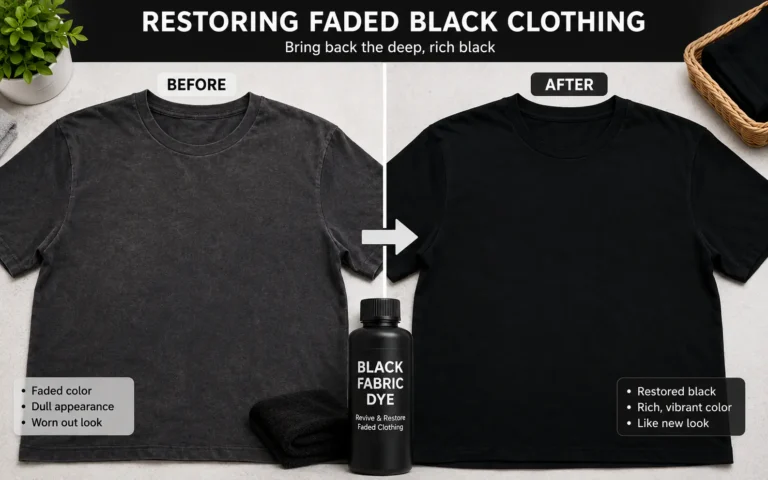 Restoring Faded Black Clothing: Practical Methods and Reality Checks
Can you restore faded black clothing? Learn the difference between temporary color revival and permanent redyeing, plus how to prevent future fading. You can restore the…