
What Is Nail Strengthening Treatment
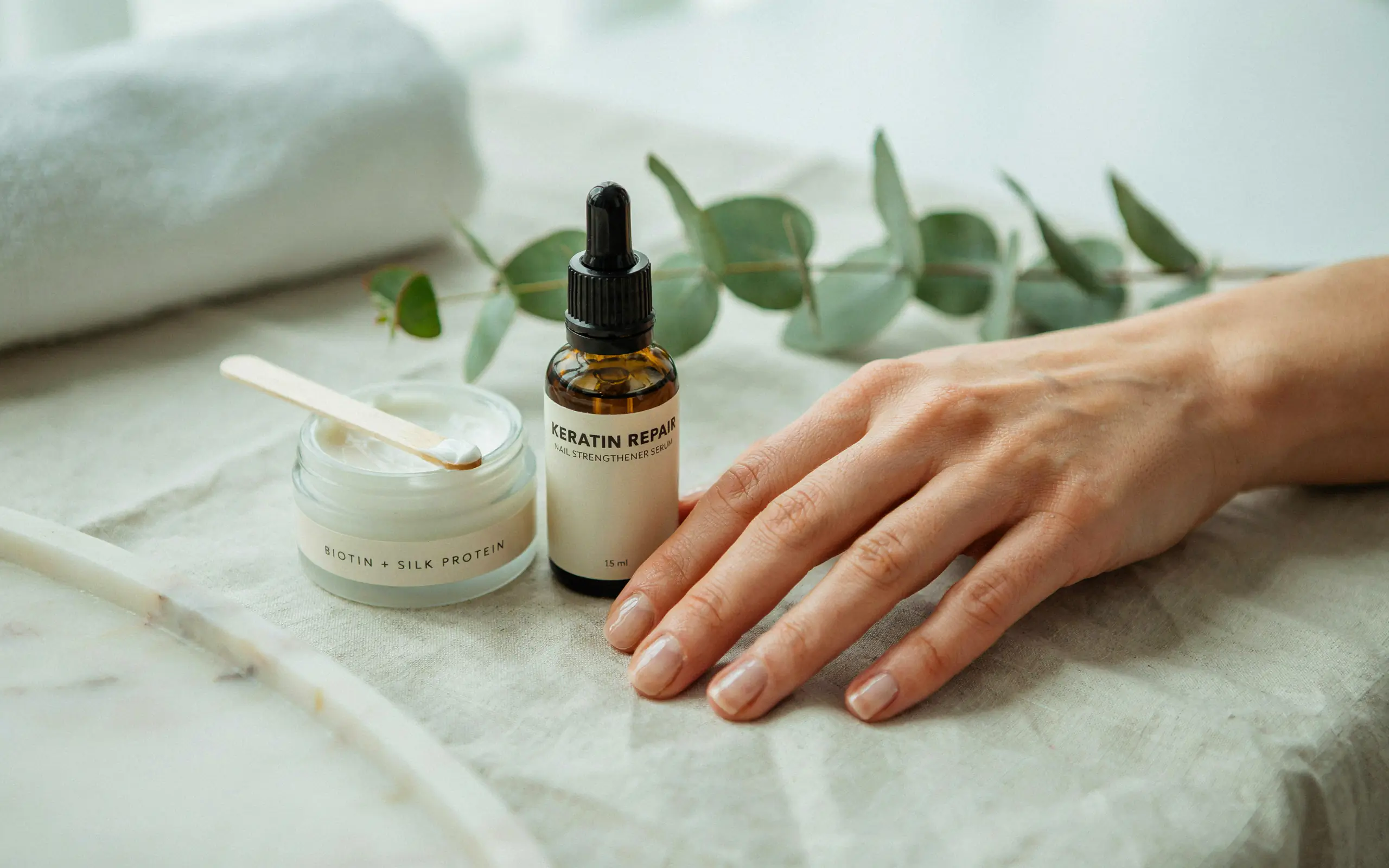
A nail strengthening treatment is a topical product, often in the form of a polish or serum, designed to improve the health and resilience of your nails. If your nails are prone to breaking, peeling, or splitting, these treatments aim to reinforce the nail structure, making them stronger and more resistant to damage.
Essentially, these treatments act as a protective layer or a nutritional boost for your nails. They work by either filling in microscopic cracks in the nail plate, adding flexibility, or providing essential vitamins and minerals that contribute to overall nail health.
| Topic | When it helps | What to keep in mind |
|---|---|---|
| 1 | Nails that frequently split or peel. | Overuse can sometimes make nails too rigid and prone to snapping. |
| 2 | Brittle, dry, or dull-looking nails. | Nutritional deficiencies are best addressed internally; topical treatments are supplementary. |
| 3 | Those who regularly wear colored nail polish. | Ensure the strengthener is compatible with your chosen nail polish. |
What Are Nail Strengthening Treatments?
Nail strengthening treatments are specialized cosmetic and care products formulated to address issues like brittleness, peeling, and weakness in fingernails and toenails. They are typically applied directly to the nail plate, often in the form of a clear polish, serum, or oil.
The primary goal of these treatments is to enhance the nail’s structural integrity, making it less susceptible to breakage and damage. They can be used as a restorative measure for nails that have become compromised due to environmental factors, harsh chemicals, or frequent manicures.
While they don’t fundamentally change the nail’s genetic composition, they work by improving its current condition and resilience. Think of them as a fortifier for your nails, providing them with the support they need to stay healthy.
Imagine your nails feel like they could snap with the slightest pressure.
How Do Nail Strengthening Treatments Work?
Nail strengthening treatments work through several primary mechanisms, often combining them to achieve the best results. They aim to address the common causes of weak nails, such as dehydration, lack of structural support, or nutrient deficiencies.

One common approach is to physically reinforce the nail plate. This can involve ingredients that create a protective film or bond the keratin layers of the nail more effectively.
Another key function is to provide essential nutrients. Nails, like hair, are made of keratin, a protein.
If your nails are like a stack of thin paper that easily tears, a strengthening treatment might act like glue, binding those layers together more securely.
Expecting instant results; strengthening is a process that requires consistent application over time.
Key Ingredients and Their Roles
The effectiveness of a nail strengthening treatment often comes down to its active ingredients. Understanding what these ingredients do can help you select a product tailored to your nail concerns.
Proteins like keratin and collagen are fundamental building blocks of nails. Treatments containing these can help repair and reinforce the nail structure.
Minerals such as calcium are also crucial for nail hardness. Other beneficial ingredients can include vitamins like Vitamin E for moisture and antioxidants, and natural oils (like jojoba or argan oil) that help to hydrate and condition the nail and cuticle.
If your nails are very brittle, looking for a treatment with calcium might be beneficial, as calcium is known to contribute to nail hardness.
Assuming all ingredients are beneficial; some, like formaldehyde, can be harsh for sensitive individuals.
Types of Nail Strengthening Treatments
Nail strengthening treatments come in various forms, each offering a slightly different application and benefit. The type you choose often depends on your personal preference, nail condition, and how you incorporate it into your nail care routine.
The most common type is a nail strengthener polish. These are typically clear or slightly tinted liquids that are applied like nail polish.
Nail oils and serums are another popular option. These are often richer in nourishing ingredients like vitamins and natural oils.
If you prefer a quick application before your regular polish, a strengthening base coat is ideal.
Confusing a strengthener with a nail hardener; while related, they can have different primary actions.
When to Consider a Nail Strengthening Treatment
You might consider using a nail strengthening treatment if you notice your nails consistently exhibiting signs of weakness. This can include frequent breaking, peeling into layers, or a general lack of resilience.
Common scenarios where these treatments are beneficial include recovery after artificial nail applications (like gels or acrylics), which can sometimes leave natural nails thin and brittle. They are also helpful for individuals whose nails are naturally soft or prone to damage due to lifestyle or environmental exposure.
If you find your nails are constantly catching on things, splitting easily, or not growing past a certain length because they break, a strengthening treatment can provide the support needed to help them grow longer and healthier. It’s a proactive step in maintaining overall nail health and appearance.
After removing gel polish or acrylics, your natural nails might feel significantly weaker.

Using a strengthening treatment as a substitute for addressing underlying health issues that might be causing nail weakness.
Definition of nail strengthening treatments
- Nail strengthening treatments are topical products designed to improve the integrity and resilience of nails.
- They work by either reinforcing the nail plate structure or supplying essential nutrients.
- Key ingredients often include proteins, vitamins, and minerals that support nail health.
- Consistency in application is crucial for achieving noticeable improvements.
- Understanding ingredients helps in choosing a treatment suitable for your nail needs.
Define nail strengthening treatments explain
1. Reinforcing Nail Structure
Some treatments contain ingredients like nylon fibers or polymers that create a protective mesh on the nail surface. This mesh helps to bond the layers of the nail together, preventing them from splitting or peeling and adding overall rigidity.
- Nails that frequently split or peel.
- Overuse can sometimes make nails too rigid and prone to snapping.
- Look for products mentioning ‘reinforcing’ or ‘bonding’ properties.
2. Providing Essential Nutrients
Other treatments focus on delivering vitamins, minerals, and proteins directly to the nail plate. Ingredients like biotin, keratin, calcium, and various oils nourish the nail, promoting healthier growth and increasing flexibility, which reduces brittleness.
- Brittle, dry, or dull-looking nails.
- Nutritional deficiencies are best addressed internally; topical treatments are supplementary.
- Seek out treatments rich in vitamins (like B7/biotin), minerals (like calcium), and proteins (like keratin).
3. Acting as a Protective Base Coat
Many nail strengtheners are designed to be worn as a base coat under colored polish. This dual function protects the natural nail from staining by pigments in the polish while simultaneously working to strengthen it.
- Those who regularly wear colored nail polish.
- Ensure the strengthener is compatible with your chosen nail polish.
- Choose a strengthener that also acts as a good base coat for a smoother polish application.
FAQs
How often should I use a nail strengthening treatment?
Most nail strengthening polishes recommend applying a fresh coat every 2-3 days, removing the old layers every week or so. For oils and serums, follow the product’s specific instructions, but daily application is often beneficial.
Can nail strengtheners actually make my nails grow faster?
Nail strengtheners don’t directly make your nails grow faster. They improve the health and integrity of the nail plate, which allows your nails to grow longer without breaking.
Are there any side effects of using nail strengtheners?
Some strengtheners contain ingredients like formaldehyde, which can cause allergic reactions, dryness, or brittleness in some individuals. It’s important to check the ingredient list and perform a patch test if you have sensitive skin.
What’s the difference between a nail strengthener and a nail hardener?
While often used interchangeably, a strengthener typically aims to reinforce and repair the nail, adding flexibility. A hardener focuses on making the nail more rigid and less prone to bending, which can be beneficial for very soft nails but may cause brittleness.
Can I use nail strengthener on toenails?
Yes, nail strengthening treatments can be used on toenails as well. Toenails can also become weak or brittle, and these treatments can help improve their condition and resilience.
Conclusion
In essence, a nail strengthening treatment is a valuable tool for anyone looking to improve the health and resilience of their nails. By understanding how they work and the ingredients they contain, you can make a more informed choice about which product best suits your needs.
Whether your nails are prone to splitting, peeling, or simply feel weak, incorporating a suitable strengthening treatment into your routine can make a noticeable difference. Remember that consistency is key, and patience will help you achieve stronger, healthier nails over time.
Related posts
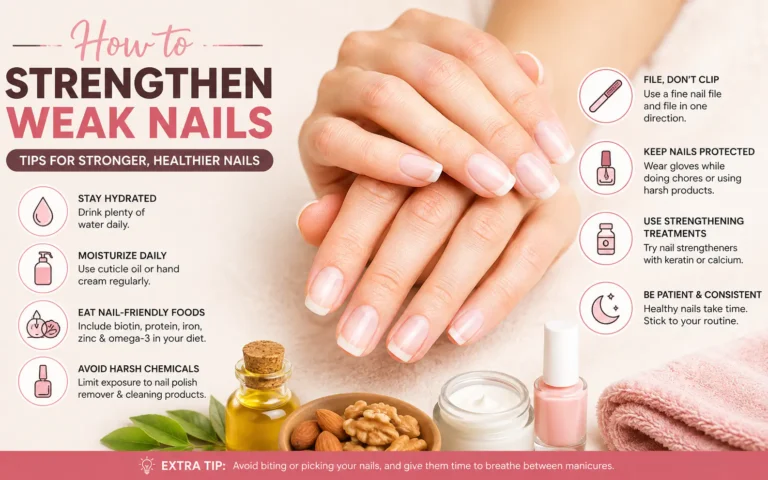 How to Strengthen Weak Nails: A Practical Guide to Daily Care
Learn how to strengthen weak nails with simple daily habits, protective care, and targeted hydration. Restore your natural nail strength today. Weak, peeling, or brittle nails…
 What Sounds Do Cats Dislike? 7 Noises That Stress Your Pet
Discover what sounds do cats dislike and why. Learn how to protect your cat’s sensitive hearing from stressful household noises and high-frequency hums. Cats dislike sounds…
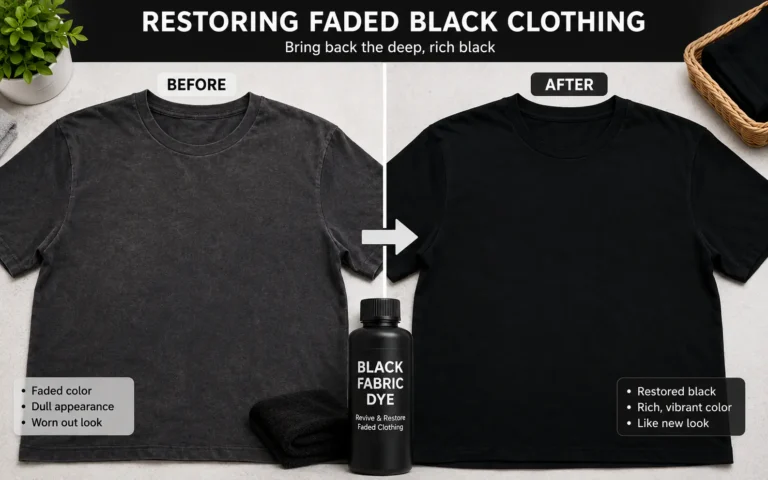 Restoring Faded Black Clothing: Practical Methods and Reality Checks
Can you restore faded black clothing? Learn the difference between temporary color revival and permanent redyeing, plus how to prevent future fading. You can restore the…